


Bison used for ecological restoration have been served an eviction notice on federal lands, leaving other herds in limbo and sparking debate over how livestock and the term “domestic” are defined.
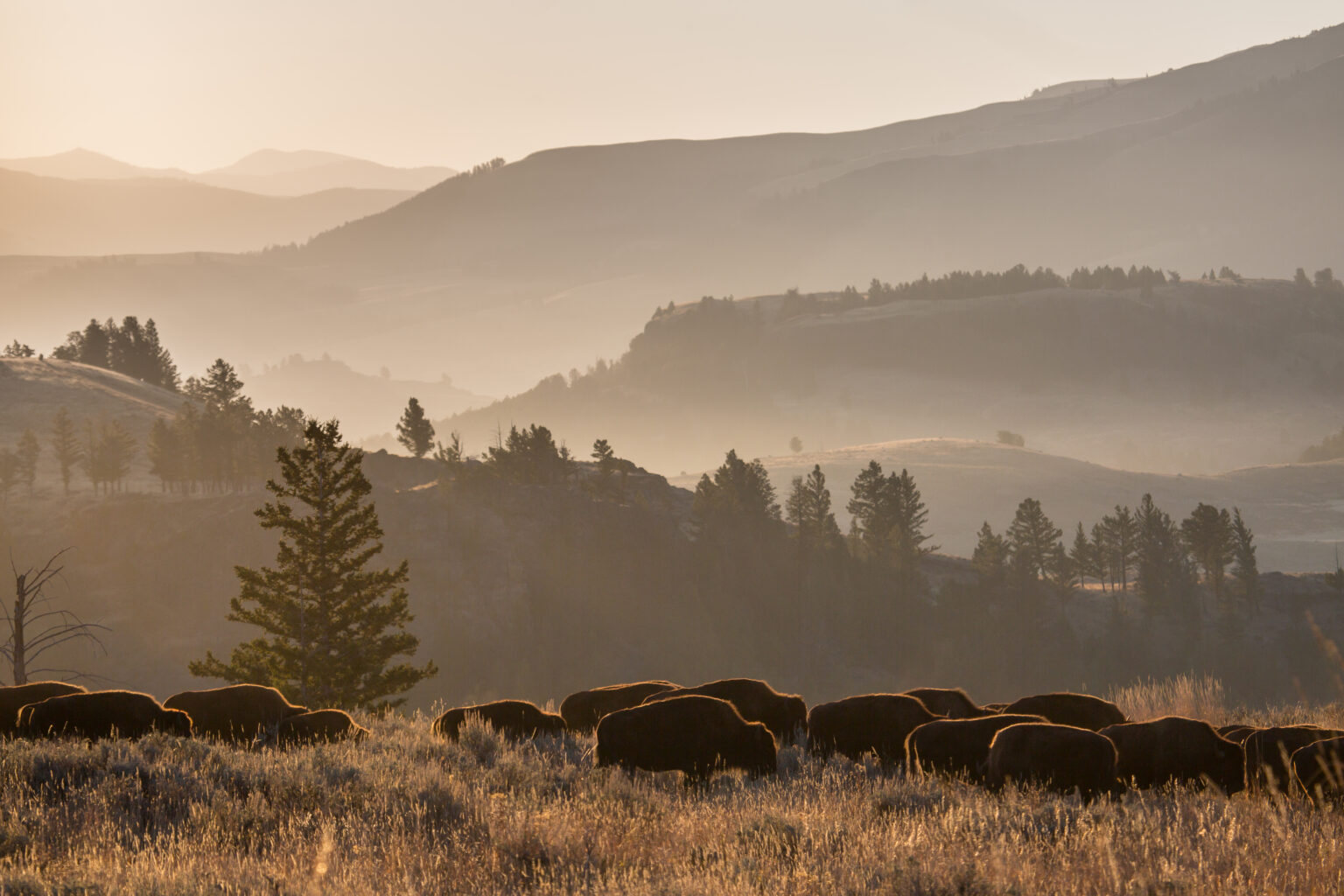
The U.S. Bureau of Land Management (BLM) has issued a final decision on American bison (Bison bison) grazing permits to American Prairie, a nonprofit focused on restoring bison and the prairie ecosystem in Montana. On its website, American Prairie states that its “long-term goal is to grow bison herds to a population size that would result in the species fulfilling their ecological role on the landscape.”
Bison are a keystone species, ecologically important to habitat diversity in prairie ecosystems. In response to the proposed decision issued in January 2026, interest groups challenged the proposed revocation, claiming it would be an invalid and potentially harmful reinterpretation of the law governing livestock grazing on federal lands.
“This proposal is an unprecedented reversal of BLM’s own decision-making after more than 40 years of treating bison as eligible livestock under federal grazing law,” said Alison Fox, CEO of American Prairie, in a press release. “BLM lawfully approved these permits after a thorough environmental review and defended them for years.”
BLM justified the proposal to revoke American Prairie’s 2022 grazing authorization because the animals are used for ecological restoration as opposed to traditional livestock grazing operations. The justification focuses on the Taylor Grazing Act of 1934 and on the BLM’s designation of American Prairie’s bison herd as wildlife rather than domestic livestock. In the decision to revoke the permits, they define “species of domestic livestock” as cattle, sheep, horses, burros and goats. The BLM states that livestock grazing on their land must be used for “production-oriented purposes,” such as meat, milk or fiber.
But the Act does not include the term “production-oriented purposes.”
The agency also states that the term “domestic” has a “plain and obvious meaning” and that it is meant to be “the opposite of wild.” The agency states that the leasing does not apply to animals “presently treated as wild or are intended to be released into the wild.”
What is the definition?
The Taylor Grazing Act of 1934 is a landmark piece of legislation that aimed to prevent unregulated livestock overgrazing on public grazing lands by establishing grazing districts and issuing 10-year permits to qualified ranchers. In the Taylor Grazing Act of 1934, “livestock” and “domestic” are not defined. For the past 40 years, the leasing process has included bison, but some ranchers have contested that interpretation of the Act.
“We have always said that the law is clear: grazing permits under the Taylor Grazing Act are for domestic livestock production, not for creating a massive nature reserve that displaces families who have stewarded this land for generations,” said Republican Gov. Greg Gianforte about the proposed decision in a press release.
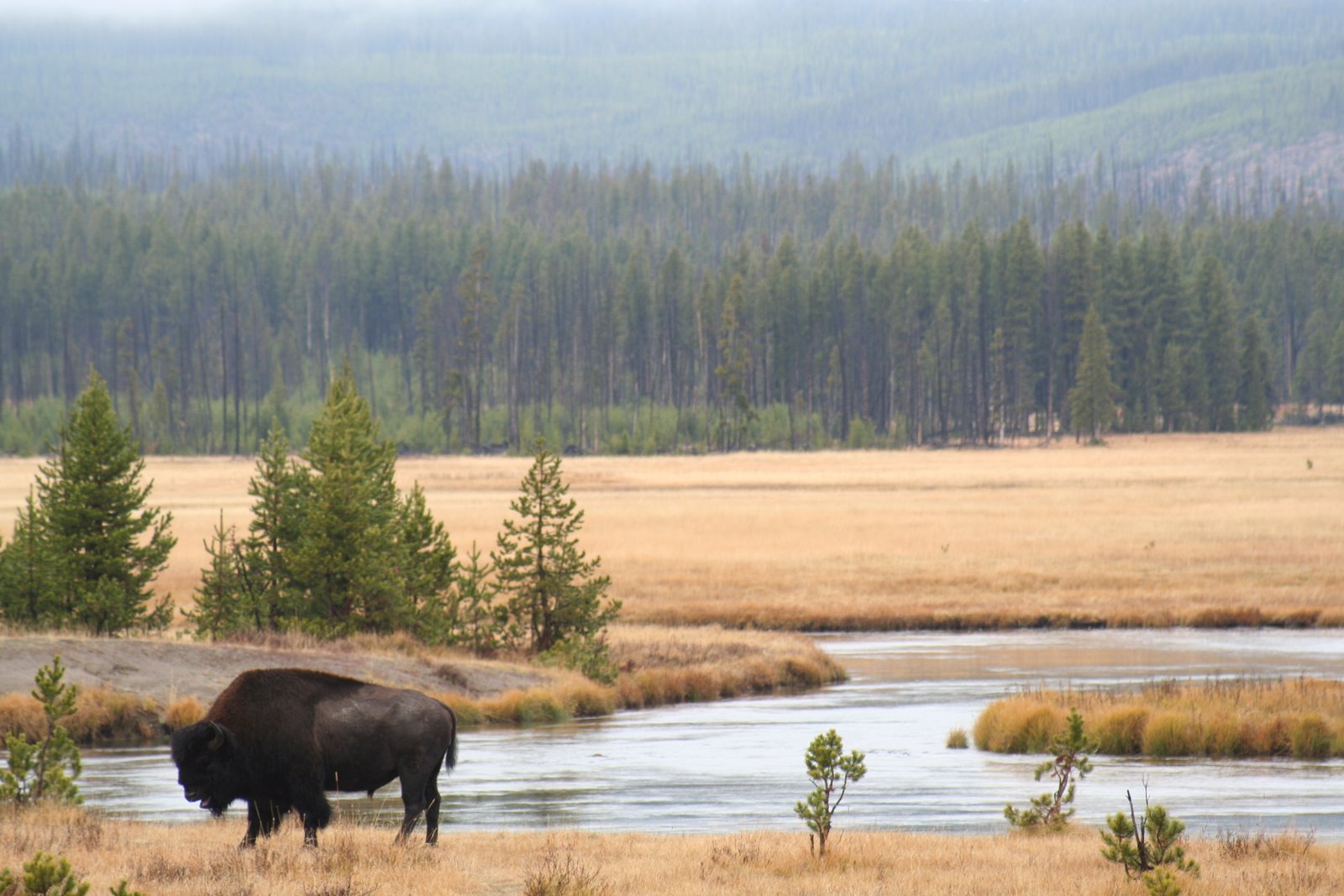
The rescission must contend with challenges arising from overlapping laws and differing agency definitions, as well as interest-group concerns. Grazers are subject to local laws and taxes in Montana, which define livestock as cattle, horses, mules, asses, sheep, llamas, alpacas, bison, swine, ostriches, rheas, emus and goats, and separate domestic bison from wild bison based in part on whether a person owns the bison. The BLM’s definition is also in juxtaposition to the U.S. Forest Service, which also regulates grazing on its lands and defines livestock as “animals of any kind kept or raised for use or pleasure.”
The shift in interpretation leaves the roughly 41 BLM bison permits held by American Prairie and other groups that raise bison in question and has Tribes concerned they could be stripped of their ability to graze bison on public rangelands. The Coalition of Large Tribes (COLT), which represents more than 50 Tribes, filed against the decision, calling the current definition “unworkable” and stating, “What separates wild versus domestic animals is: (1) ownership; (2) control; and (3) captivity status,” which they argue would define the herds as domestic.
“Under no definition would someone consider bison confined behind fences’ wild,” said COLT in a protest letter.
There are concerns that the language may harm other groups due to its vague use of “production-oriented purposes” and “treated as wild,” which may discriminate against homesteaders and cattle ranchers who use sustainable methods. There is no statutory requirement that livestock be for “production-oriented purposes” or that outlines the management practices that ranchers must use for federal grazing leases.
TWS does not define livestock in our position on rangeland livestock grazing. We support an ecosystem approach to managing rangeland livestock grazing that addresses rangeland integrity, resilience and function, while working to understand the motivations of various stakeholders to inform policy decisions.
Article by Kaylyn Zipp