



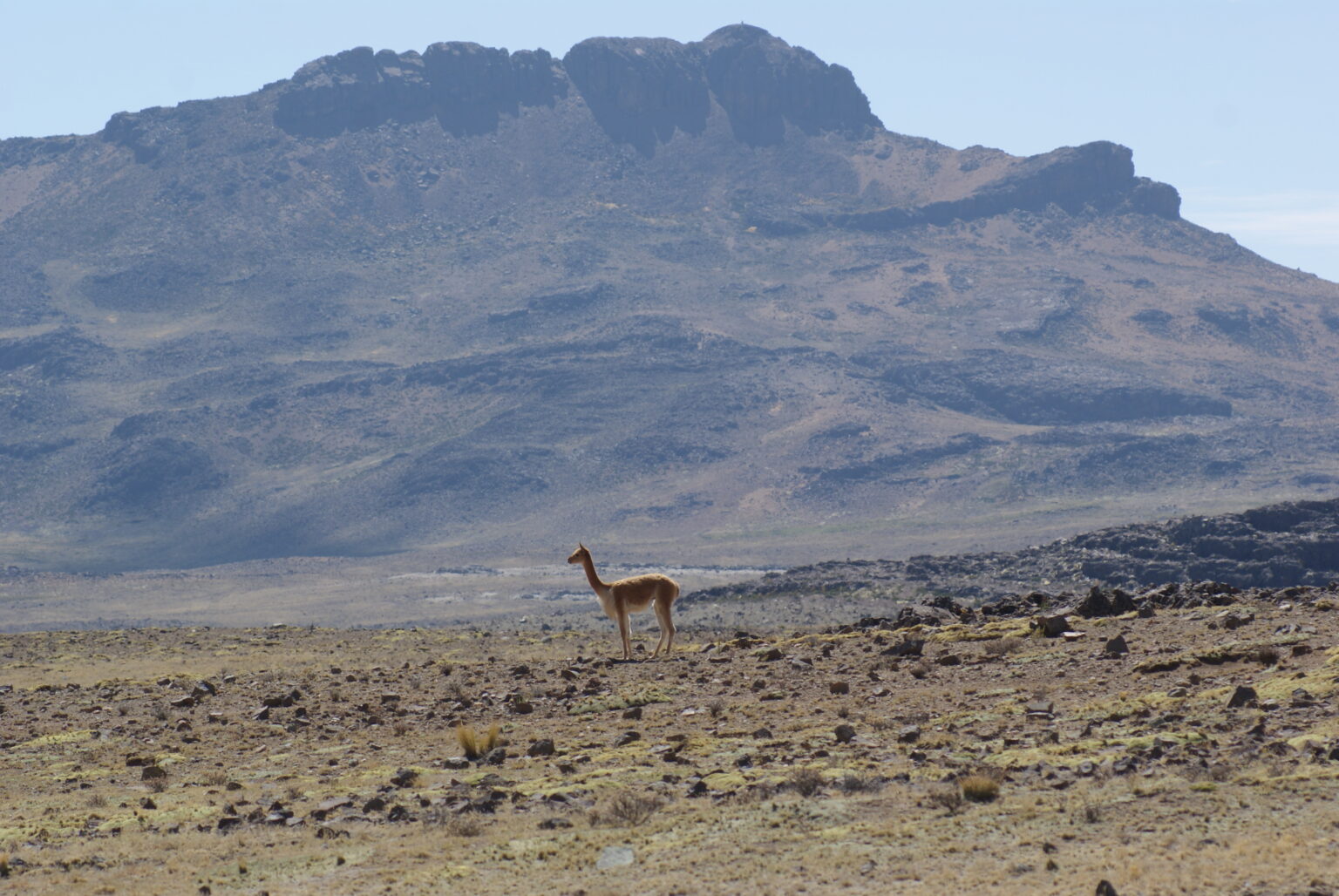
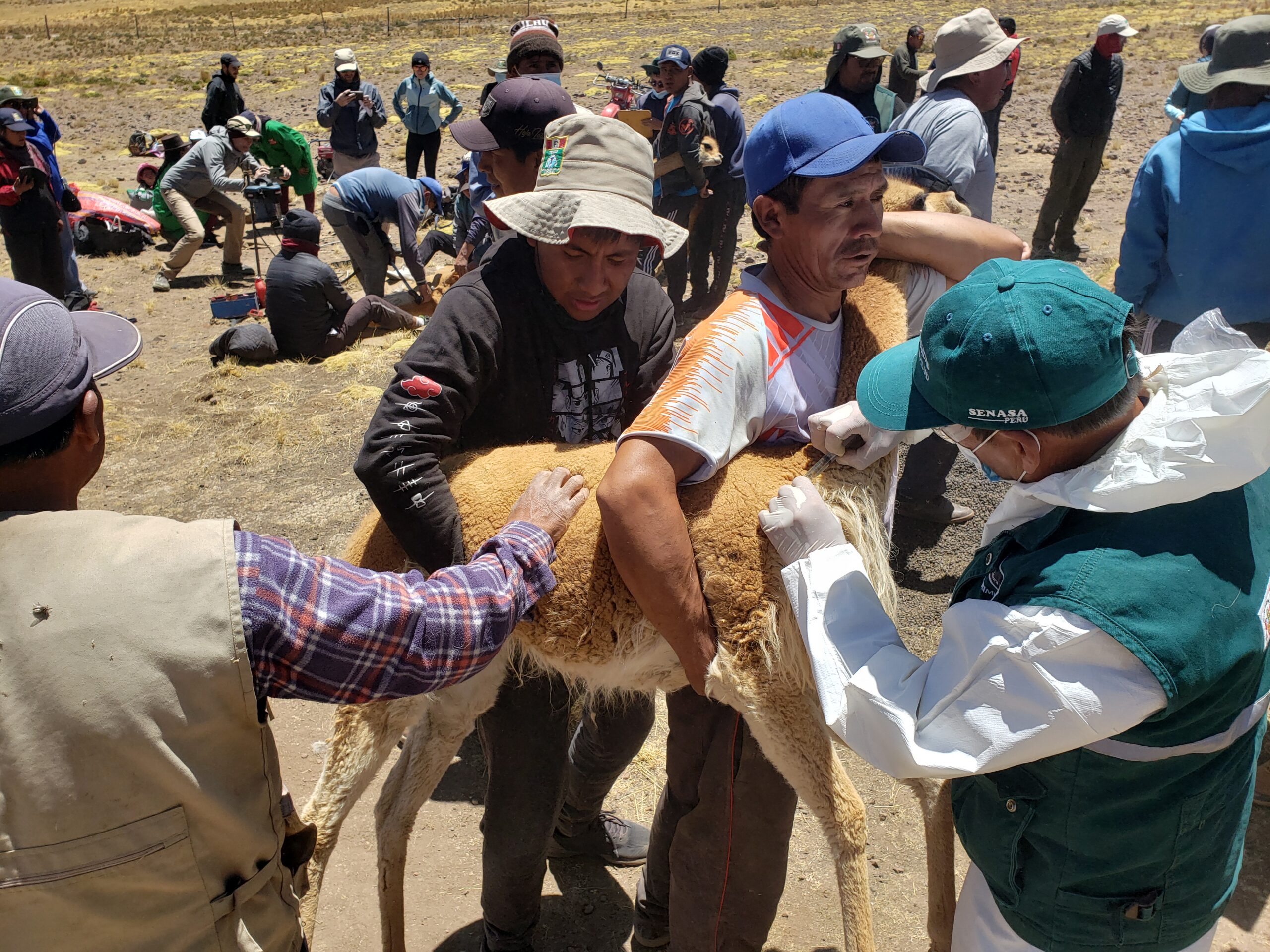
High in Peru’s southern Andes, Alynn Martin was up early in the morning with the locals to round up vicuñas from the surrounding arid plateau for haircuts. With a cup of tea made from coca leaves—the same plant used to produce cocaine—to treat altitude sickness, Martin watched the locals spread out in a line that stretched over a mile long at more than 12,000 feet in elevation. The Indigenous Quechua speakers held colorful, flagged ribbons as they circled around a herd of the South American camelids.
Over a period of several hours, the team slowly brought the vicuñas (Vicugna vicugna) down to a fenced base camp where others waited to shear off the valuable wool. Martin wasn’t there to learn about Andean barber techniques, though—she was more concerned about vicuñas going bald. As an assistant professor in biology at Grand Valley State University in Michigan, she was tracking the spread of sarcoptic mange, a highly contagious skin disease that threatens to reverse years of successful management work by Indigenous Peruvians to recover populations of the native camelids.
“[Mange] affects the whole conservation success of the program,” said Scott Carver, a professor of disease ecology at the University of Georgia. “[Communities] are kind of crying out for help.”
New research by Martin, Carver and their colleagues has revealed that to fight the spread of this disease, which is relatively new to the Andes, communities and researchers need to increase vigilance and treat vicuñas and guanacos (Lama guanicoe) with antiparasitic drugs like ivermectin, administered either orally or rubbed into affected skin.
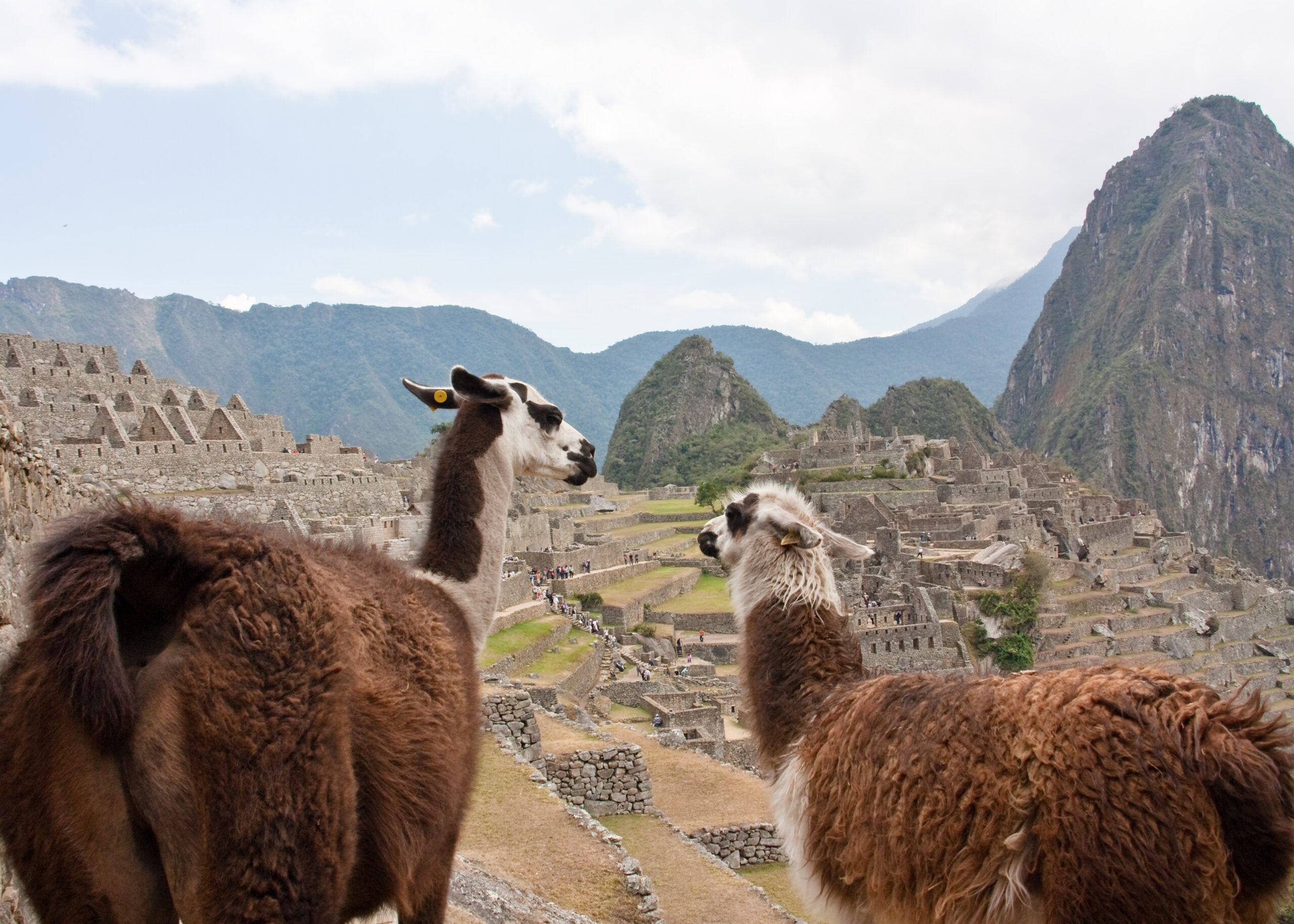
Indigenous Andeans have managed guanacos and vicuñas for millennia. About 5,000 years ago, they domesticated guanacos into llamas, like those pictured above overlooking the ruins at Machu Picchu, while vicuñas became alpacas. During and after the Spanish Conquest of the Incan Empire in the 16th century, the Europeans began to hunt the animals for food and wool, decimating the populations in subsequent years.
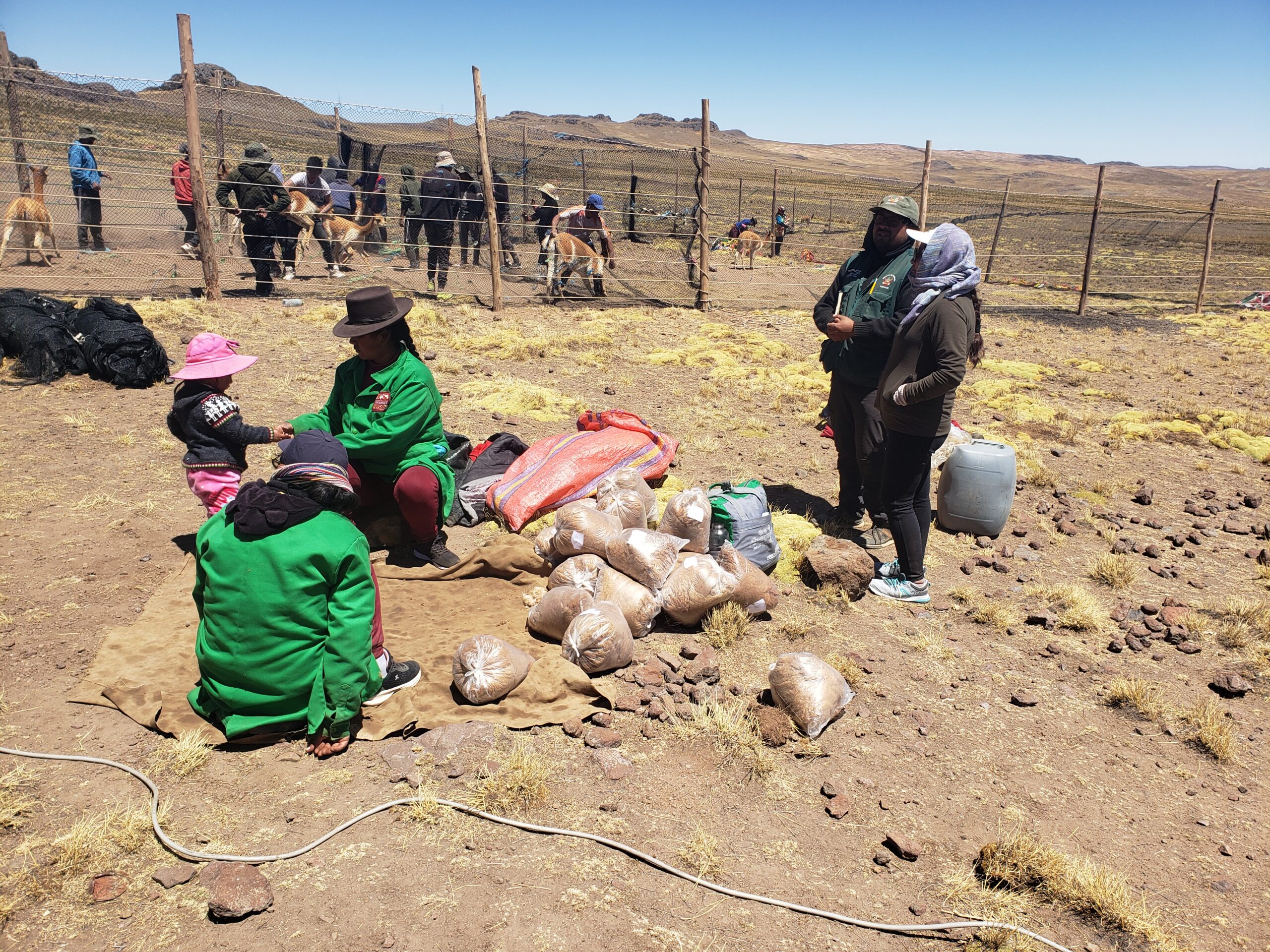
It wasn’t until recent decades that guanaco and vicuña populations began to recover thanks to local conservation measures. The Indigenous community manages the wild camelids, in part, to boost more wool production than they get from the domesticated llamas and alpacas. The super soft wool from wild vicuñas is a lucrative boost for Indigenous Andean communities. A scarf made from vicuña wool can cost $1,000 to $2,000, Carver said—more expensive than silk.
“Populations have had a rising trajectory because Indigenous communities are managing them,” Carver said.
Everything was going well until mange, originally an Old World disease introduced by Europeans, reached the Andes about half a century ago. Now, “mange seems to be widespread across South American countries and camelids where they exist,” said Martin, who was an assistant professor of disease ecology at the Caesar Kleberg Wildlife Research Institute at Texas A&M University-Kingsville at the time of research.
Sarcoptic mange is caused by Sarcoptes scabiei, a microscopic mite that burrows into the
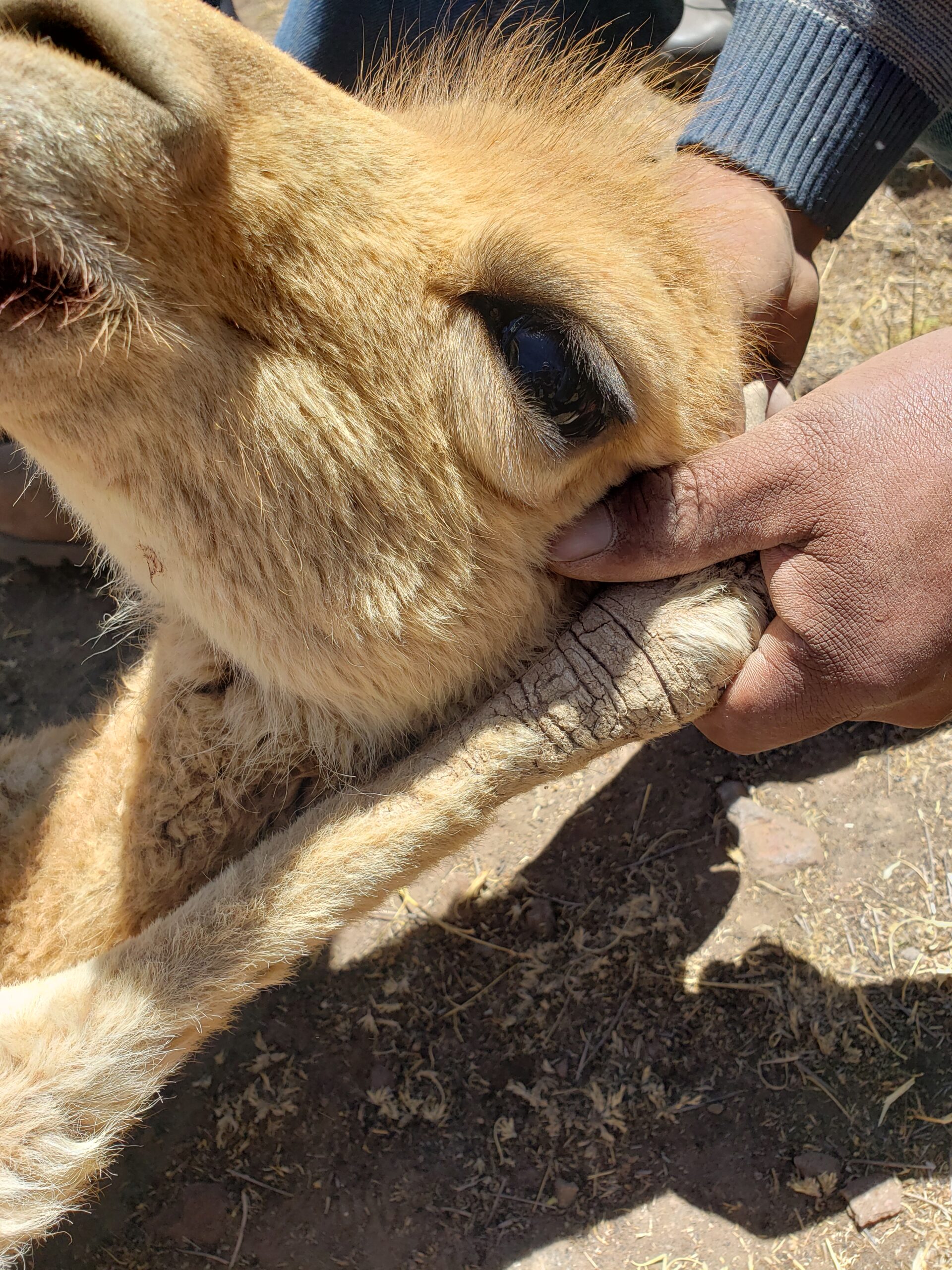
skin of affected animals. Even humans are susceptible—the same mite causes scabies.
South American camelids, whether guanacos, vicuñas or their domestic cousins, don’t deal well with the disease. It damages the skin, which results in the loss of patches of valuable fur, as can be seen in the wrist of the vicuña above. If untreated, mange can eventually kill the animals, leading to a complete collapse of guanaco and vicuña populations.
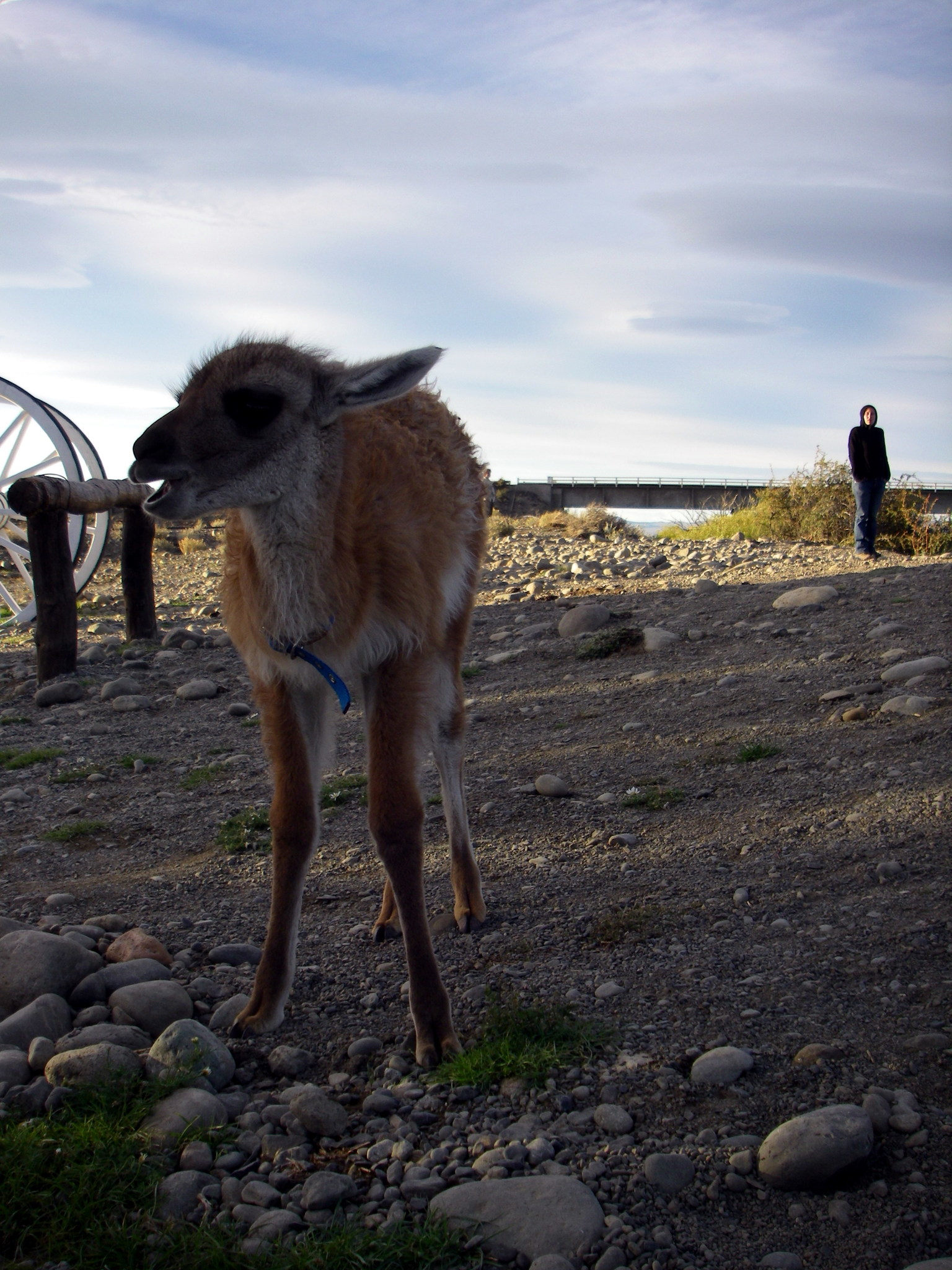
The ecological effects stretch beyond guanacos, pictured at right, and vicuñas. In San Guillermo National Park in northern Argentina, for example, a drop in camelid numbers meant fewer puma kills, and fewer camelid carcasses on the landscape caused scavengers like Andean condors (Vultur gryphus) to disperse out of the area.
Guanaco and vicuña droppings also fertilize native plants. “[Mange] has ecosystem-level impacts beyond just the camelids,” Martin said. “It’s really hard for the community to manage.”
Carver had been researching sarcoptic mange for a while, first with wombats while with the University of Tasmania—he was Martin’s advisor during her PhD work there. Martin went down to Peru as part of a Science for Nature and People Partnership (SNAPP) project in 2022 to examine the growing threat mange was having on native wildlife and the wool economy. SNAPP is an international initiative involving conservation projects funded by public, private and nonprofit organizations.
As part of the SNAPP project, the team conducted a meta-study bringing together research on the impacts of mange on wild camelids from Argentina, Bolivia, Chile and Peru from government and peer-reviewed sources, though there wasn’t a lot of the latter out there. They also visited communities and surveyed the disease in some Andean communities. The study was published recently in The Journal of Wildlife Management.
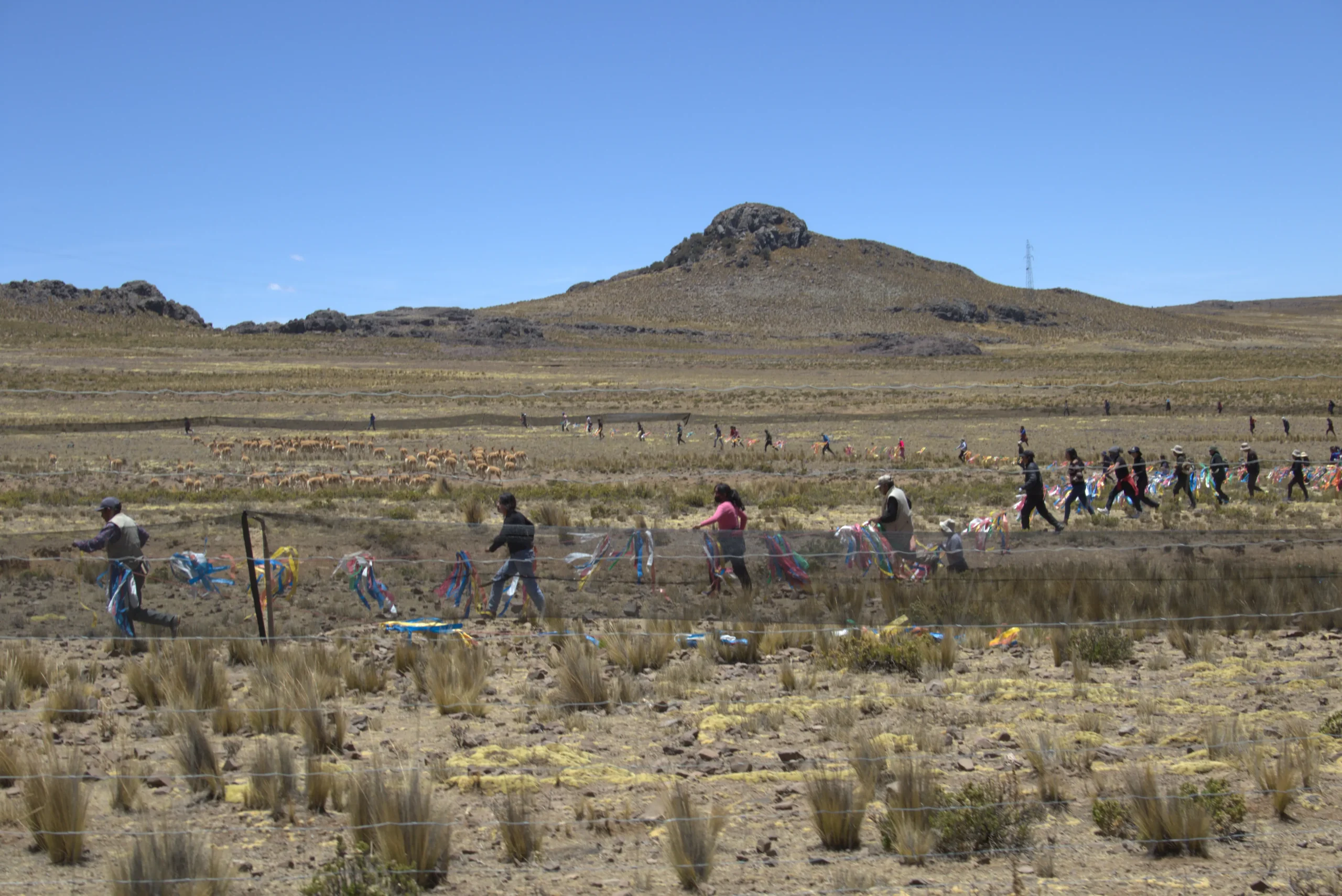
The research team found that community roundups of vicuñas and guanacos, called chaccus, provided the best opportunities to manage mange. When the animals are rounded up for shearing, community members can monitor animals for mange, dosing affected animals with ivermectin by rubbing it into the skin in affected areas. Some communities do this, either dosing all of the gathered animals or those that appear affected.
But the problem is that the antiparasitic drug only kills live mites, not eggs. So to be effective, Carver said community members need to dose infected animals two to three times over the course of a couple weeks, waiting for successive generations of mites to hatch before they are killed.
“It’s not just a one and done,” Martin said.
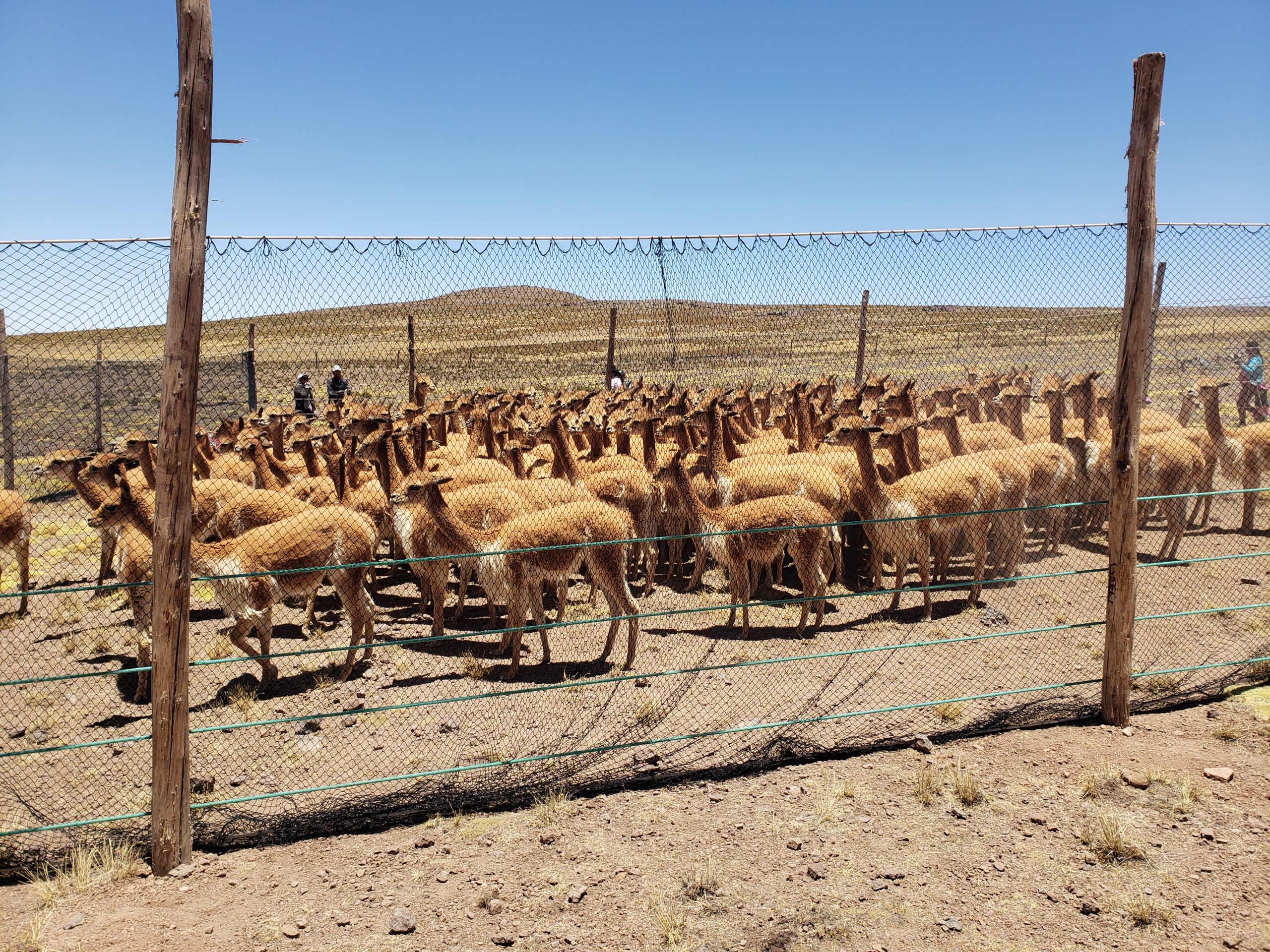
The chaccus present an opportunity, but they also may be part of the problem. Martin, Carver and their colleagues said in their study that these roundups may also play a role in mange transmission since the animals are all brought together. But more research is needed to determine their role in transmission.
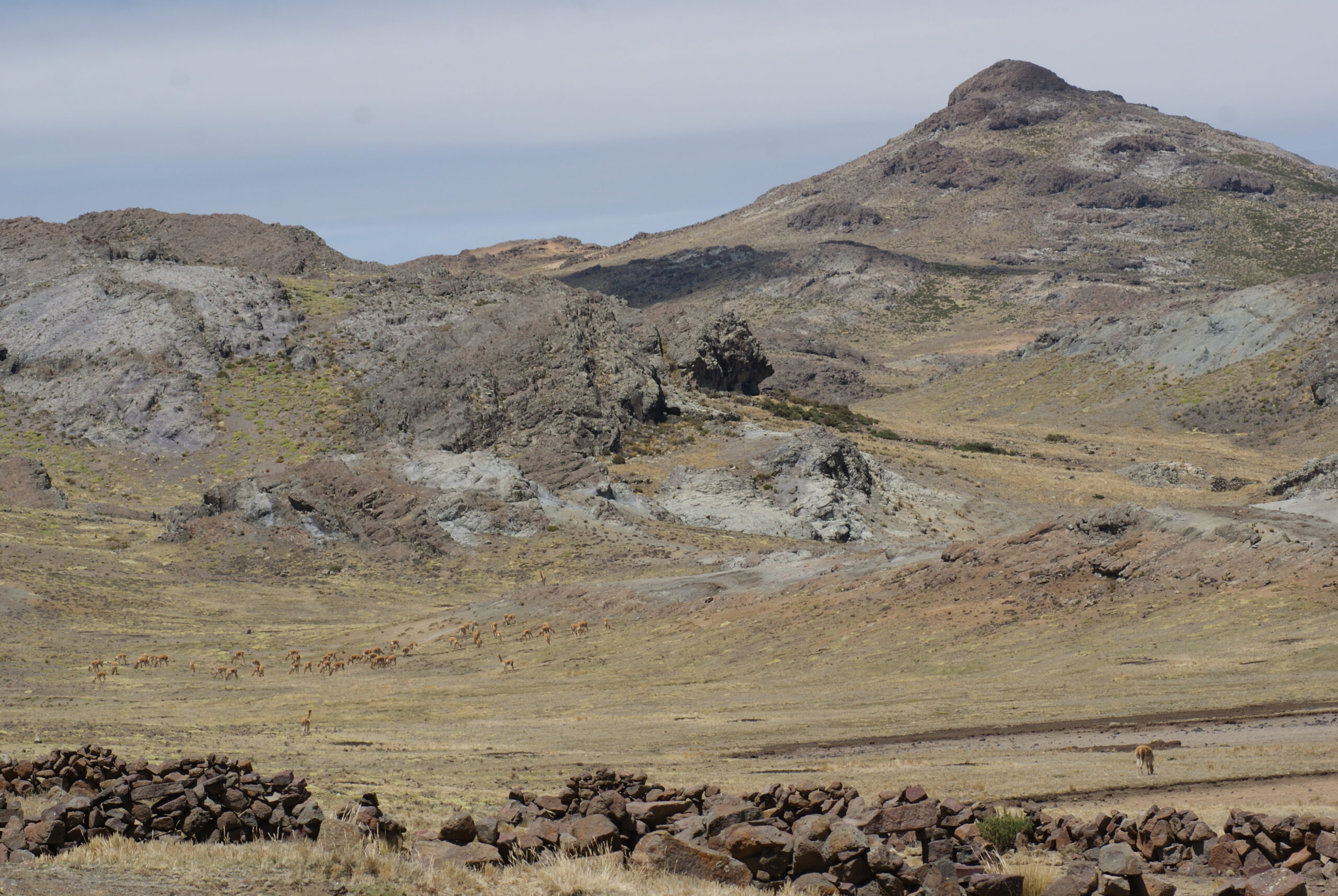
Another obstacle to controlling the mange problem is the terrain itself. Some of these communities are incredibly remote, reached only by cliffside dirt roads on mountain switchbacks. “The environment is amazing in these places, but there are real challenges to working in these environments,” Carver said. The terrain and remoteness can make it hard to reach many communities to advise on treatment, management or even data collection, of which more is needed as well.
Carver visited the area to do follow-up work in 2025, and one of his PhD students, Kylie Green, is currently working with communities to improve management and knowledge of mange.
“There are opportunities with those shearing programs where we can get our hands on some animals and make protocols for how we treat them,” Martin said.
This photo essay is part of an occasional series from The Wildlife Society featuring photos and video images of wildlife taken with camera traps and other equipment. Check out other entries in the series here. If you’re working on an interesting camera trap research project or one that has a series of good photos you’d like to share, email Josh at jl****@******fe.org.
This article features research that was published in a TWS peer-reviewed journal. Individual online access to all TWS journal articles is a benefit of membership. Join TWS now to read the latest in wildlife research.
Article by Joshua Rapp Learn