

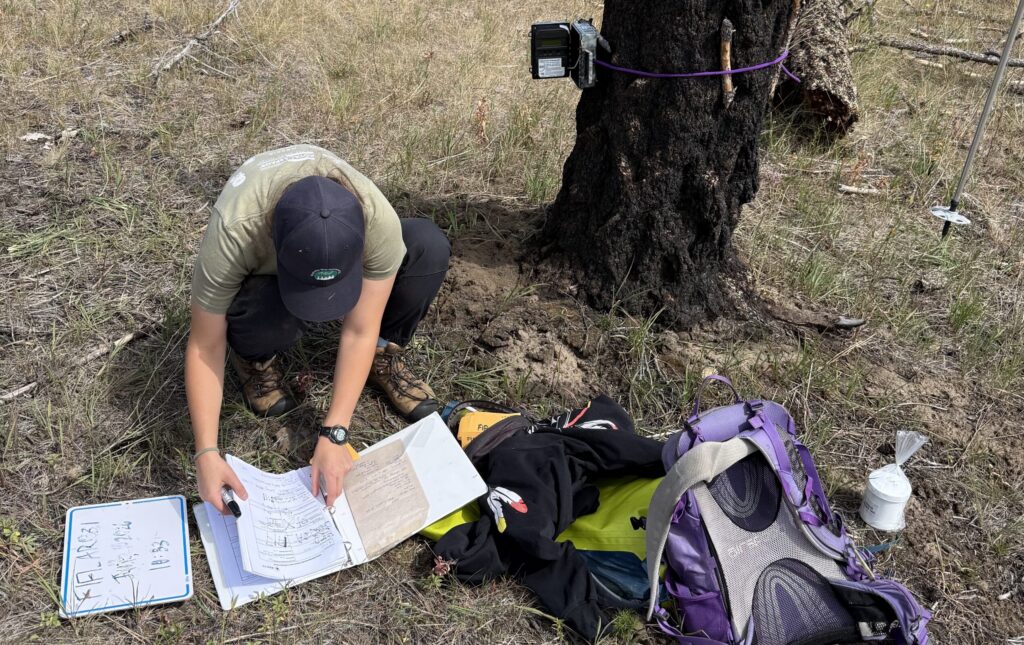
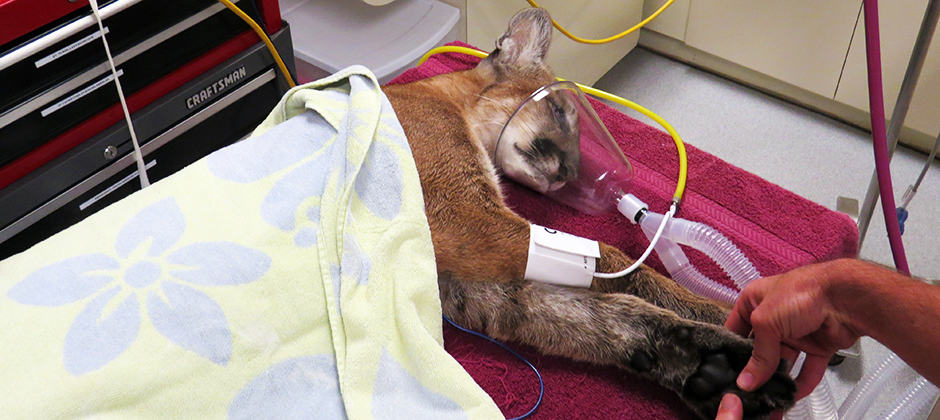
When injured animals are rescued from the wild, making it through rehabilitation is no guarantee. To find out what factors influence the outcome as part of a grant focused on the effects of Australian bushfires, researchers from the University of Sydney conducted a study of literature from around the world.
The study, published in PLOS ONE, found that human activity, such as motor vehicle collisions and domestic animal attack, accounted for 45% of the reported causes of death and injury either pre-rescue or after release.
Researchers identified five categories that can impact survival outcomes for rescued wildlife: events, like oil spills or fires; individual animal factors, such as whether they are nocturnal or diurnal animals, where they reside in the food web; intervention performed; the quality of the release environment; and the human-wildlife interface, such as nearness of cars or domestic animals.
Article by The Wildlife Society