



It’s hard to tell what marine mammals are eating. They forage deep underwater, far from the eyes of curious researchers. But Arctic researchers collaborated with local Inuit hunters to poke around the guts of harvested seals.
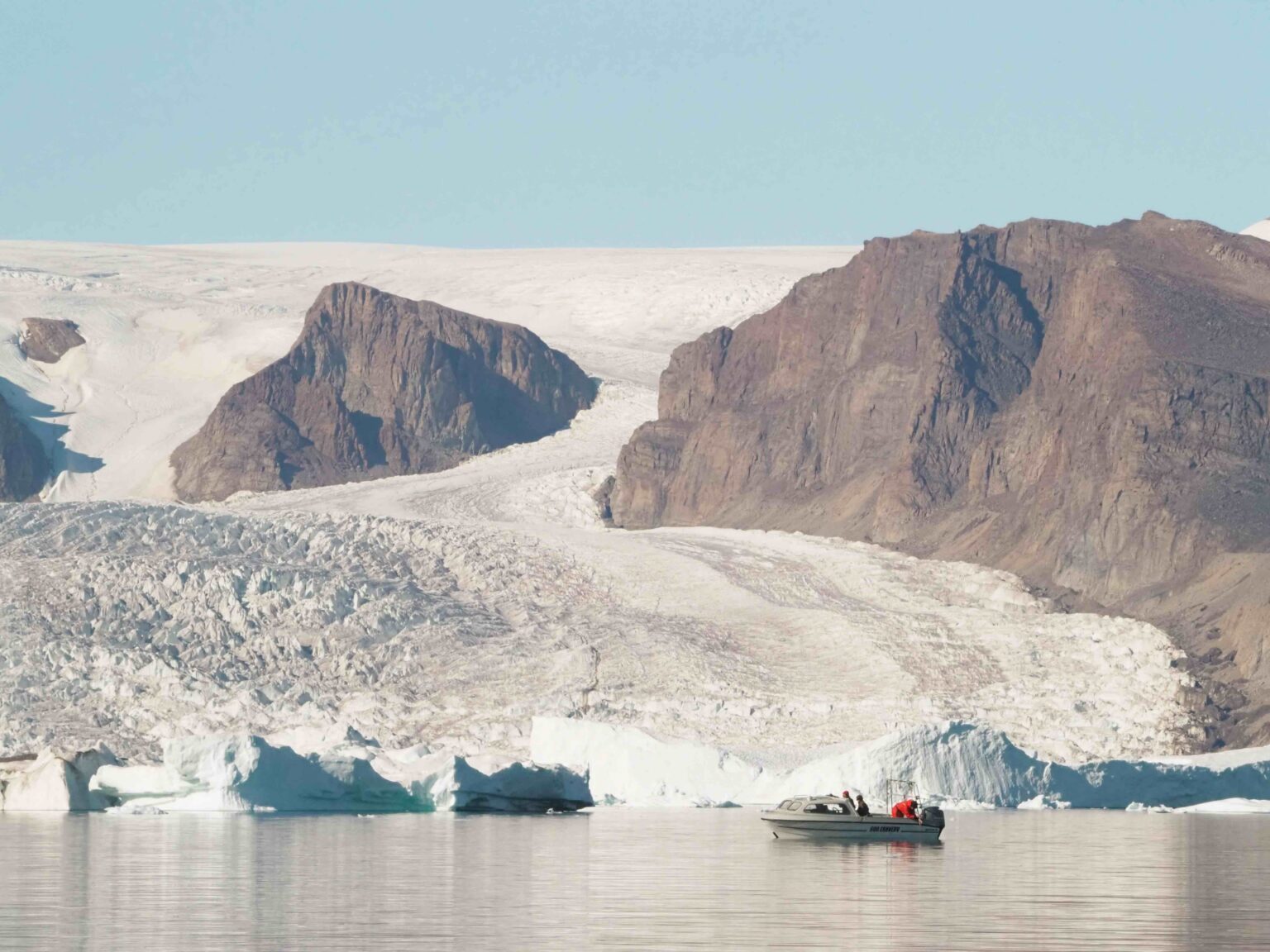
In new research published in Communications Earth & Environment, researchers looked at the stomach contents of 42 ringed seals (Pusa hispida) during the summers of 2022 and 2023. They analyzed the stomach contents to see what the seals ate as well as how far the seal was harvested from a tidewater glacier, a type of glacier that runs from land into the ocean.
They found that seals that Inuit harvested closer to glaciers had eaten more polar cod (Boreogadus saida). On the other hand, seals with traces of zooplankton were harvested significantly farther from glaciers.
“By working together with Inuit communities, we could obtain data—both in quality and quantity—that scientists alone could never achieve,” said lead author Monica Ogawa of the National Institute of Polar Research in Japan in a press release. “And above all, this collaboration made the research truly enjoyable.”
The researchers warn that retreating tidewater glaciers may reduce marine productivity and make it harder for seals to get what they need.