
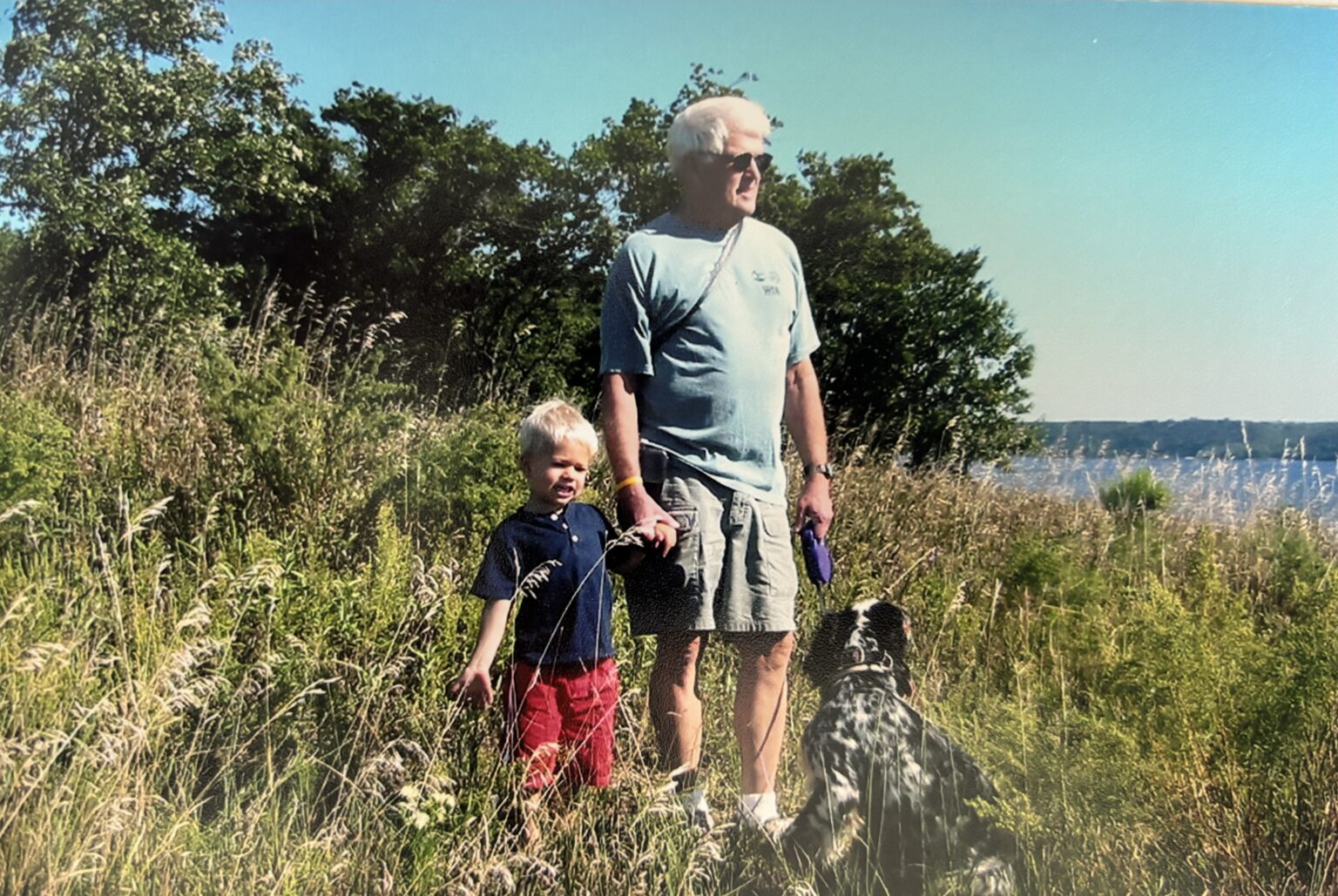
Carl Wolfe practiced what he preached. Working for the Nebraska Game and Parks Commission, he taught students and educators alike that all they needed to experience the state’s biodiversity was to look in their schoolyards—and maybe plant a patch or two of native grasses.
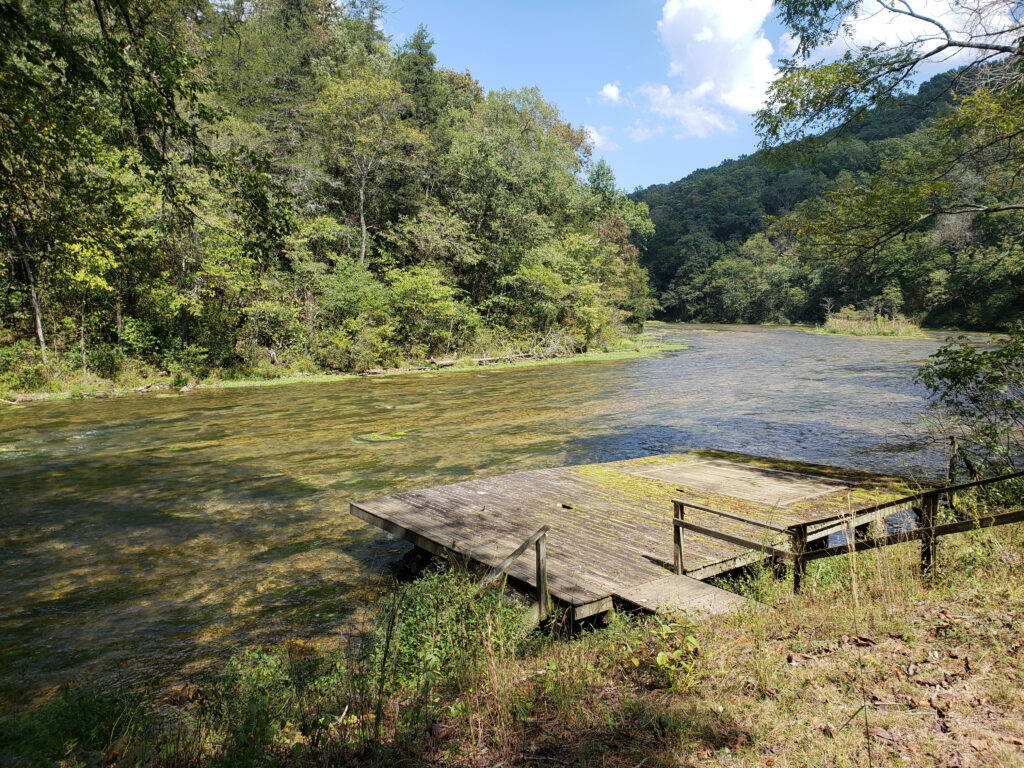
In his own backyard of about 17 acres of overgrazed and weedy cattle pasture, Wolfe created an oasis. “He really transformed that landscape,” said Joey Wolfe, Carl’s eldest of four sons, who grew up helping his father restore the piece of land just south of Lincoln.
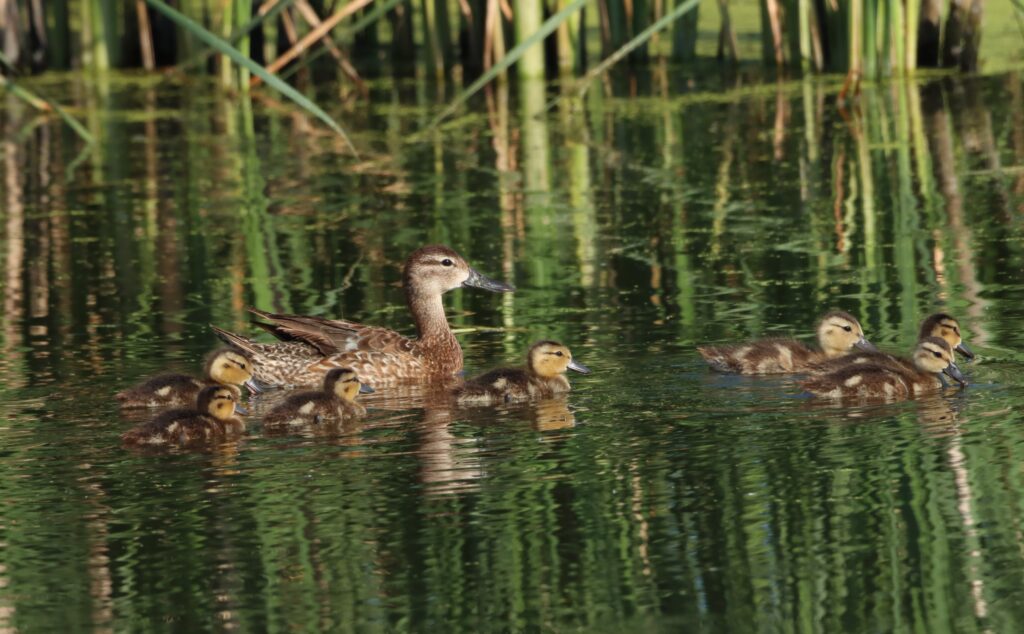
Wolfe planted trees and native grasses and even built a pond that he stocked with fish. He was a maker and a tinkerer—he built his own wood duck nesting boxes and platforms for Canada geese (Branta canadensis). “He was always seeing what he could attract to the area,” Joey said. The property is still in the family and is full of hiking trails, picnic tables and native wildlife.
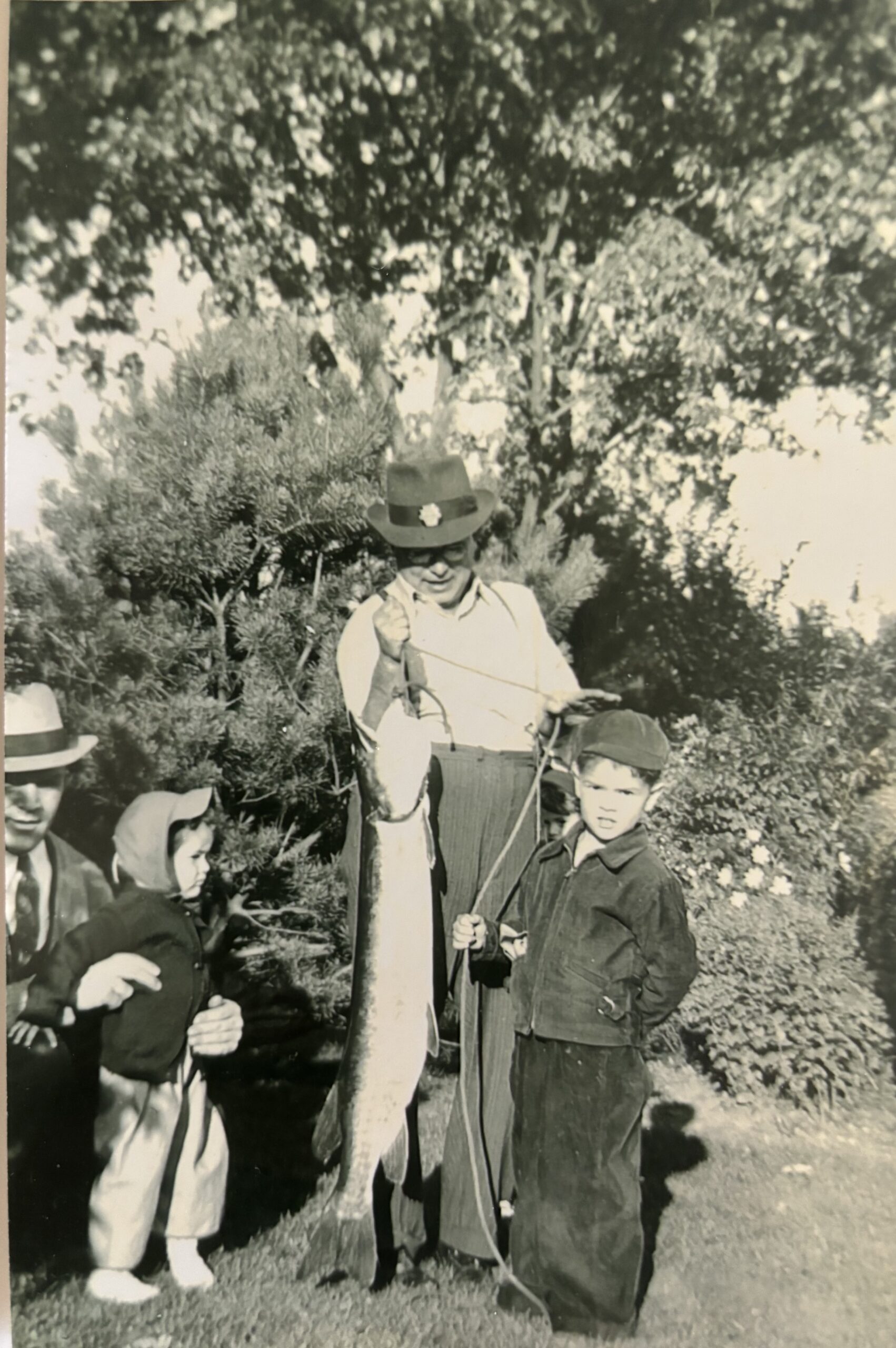
Originally from Pennsylvania, Wolfe attended Pennsylvania State University and received a bachelor’s degree in forest management and a master’s degree in wildlife management. After moving to Nebraska, he worked as a biologist for the state. He then shifted his focus to building educational tools and curriculum to foster wildlife and natural resource stewardship. He also contributed to Nebraskaland Magazine and a children’ magazine, Trail Tales.
After retiring in 2000 after 41 years of service, Wolfe continued to dedicate himself to wildlife conservation and management. He was an avid volunteer and worked in refuges in Florida to help document the interactions between manatees and tourists.
Wolfe had been a member of The Wildlife Society for 65 years. “There were a number of organizations that Wolfe believed in and supported, and The Wildlife Society was always at the top of his list,” Joey said. Wolfe was heavily involved in his state chapter and was famous for bringing wildcard donations for the silent auction, like wildlife artwork, fishing gear, unique muzzleloaders or a homemade powder horn.
When Wolfe passed away in November of 2024, Joey wanted to honor his father’s legacy by donating a portion of his estate to TWS. He donated $20,000 to fund the Student Travel Grant Program for two years. The program provides financial support to students and early-career professionals traveling to TWS’ annual conference.
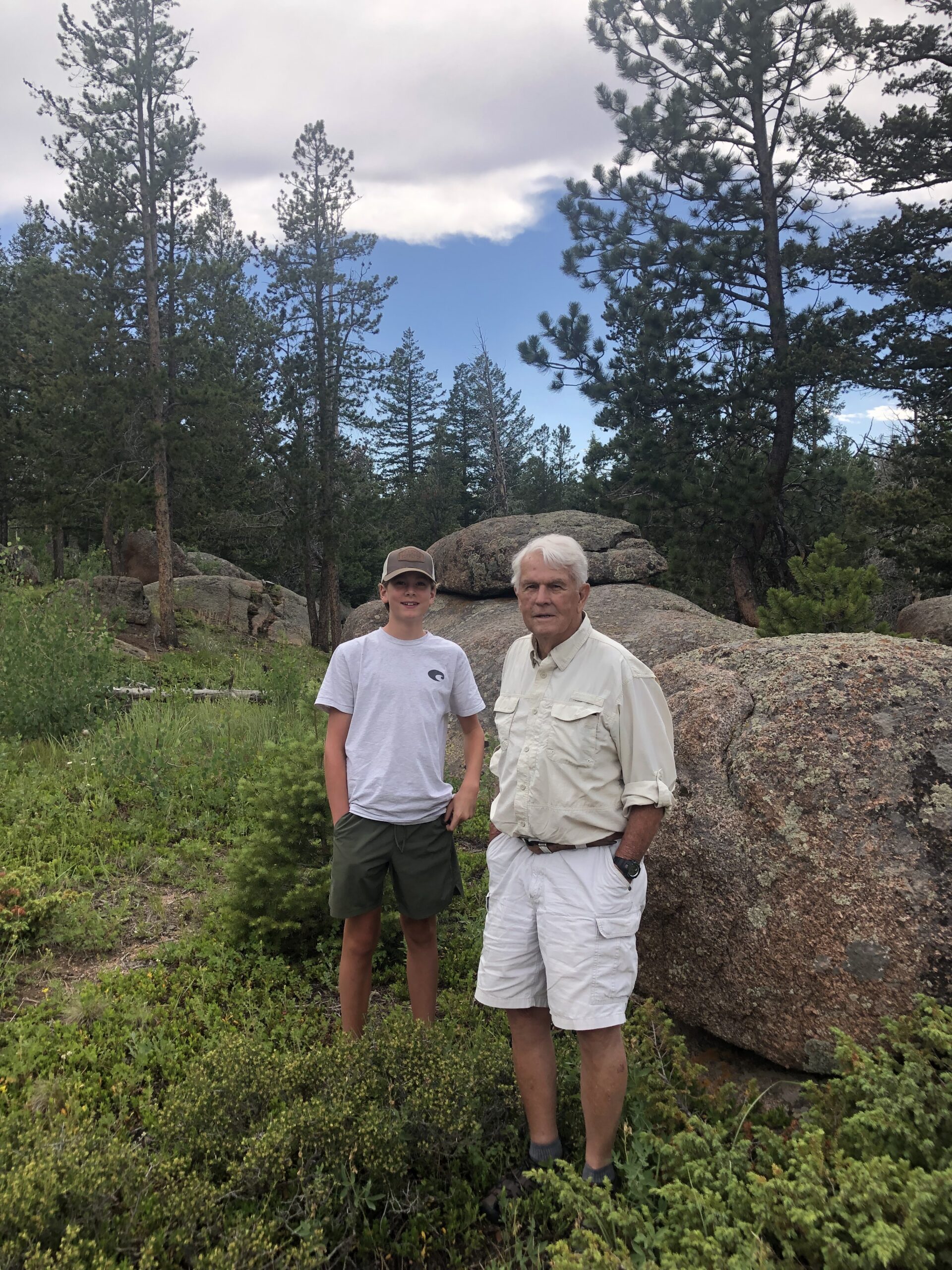
The program reduces financial barriers, supports educational experiences and helps students make crucial networking connections. In Joey’s career in pharmaceutical research, professional conferences have made lasting impacts on him and his career. “I figured that if I can get a handful of students there, maybe that’s something they’ll remember for the rest of their lives,” he said.
For master’s student Cara Yocom-Russell, a travel grant in 2025 was “offered at just the right time,” making it possible for her to go to Edmonton. “Attending the conference was an incredible experience,” she said. “I met new people, networked with professionals and had the opportunity to see the amazing research being conducted across the field of wildlife.”
Twenty-four other students like Yocom-Russell made strides in their career thanks to Wolfe.
This story is the latest installment in a series highlighting TWS legacy donors. If you would like to discuss making a meaningful gift to support an initiative or one of our donor-supported programs, please contact TWS’ director of development, Lauren Ruotolo or learn more here.
Article by Olivia Milloway