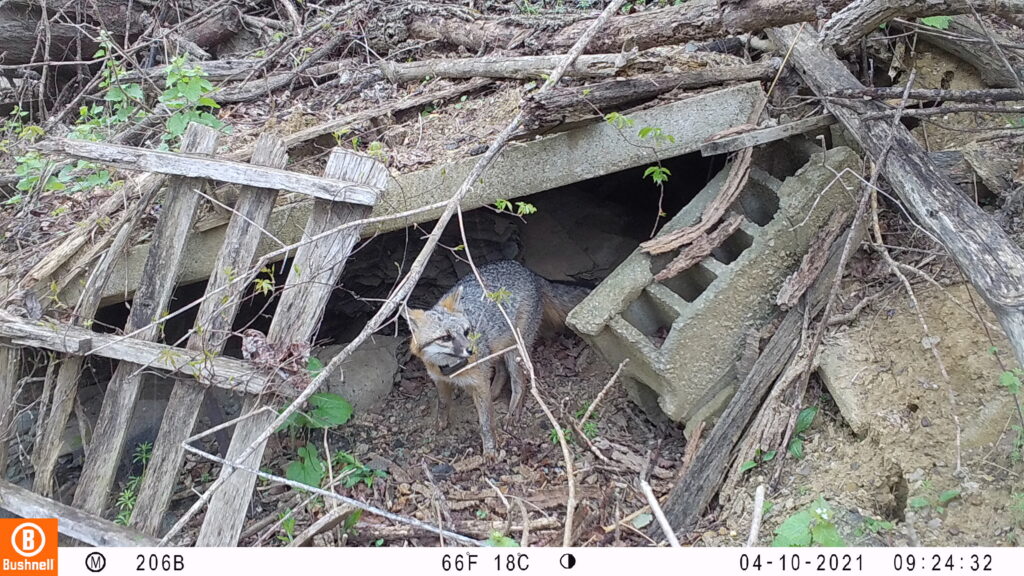








A parasitic tapeworm previously unknown in the Pacific Northwest is infesting Washington state’s coyotes. The parasite, which lives in wild canids, like coyotes (Canis latrans) and foxes, can cause disease if transmitted to humans or domestic dogs. Already common in Europe and Asia, it showed up in Canada and the Midwest about 15 years ago.
In a study documenting the parasites published recently in PLOS Neglected Tropical Diseases, researchers from the University of Washington found Echinococcus multilocularis in 37 of the 100 coyotes they surveyed in Washington’s Puget Sound region.
“The fact that we found it here in one-third of our coyotes was surprising, because it wasn’t found anywhere in the Pacific Northwest until earlier this year,” said Yasmine Hentati, lead author of the study and former doctoral researcher at the University of Washington, in an interview with the university.
The disease is spread through the feces of infected canids, which contain tapeworm eggs. The parasite can also spread to rodents. Hentati said the main way coyotes become infected is by eating infected rodents.
In humans, the parasite can cause a severe, often fatal disease called alveolar echinococcosis. The infection causes tumor-like cysts in the liver that can spread to other organs. According to the World Health Organization, alveolar echinococcosis is the third most important food-borne illness globally and one of the top 20 neglected tropical diseases.
The researchers called for more wildlife disease surveillance to make sure the tapeworm doesn’t make its way into humans or their pets.