
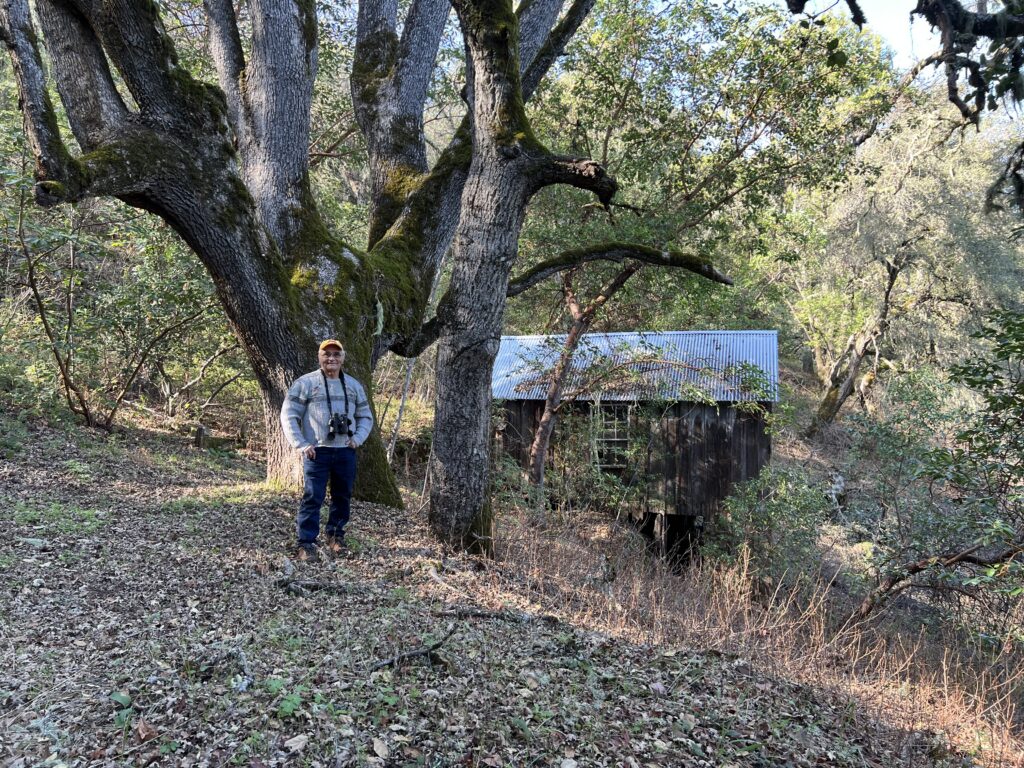

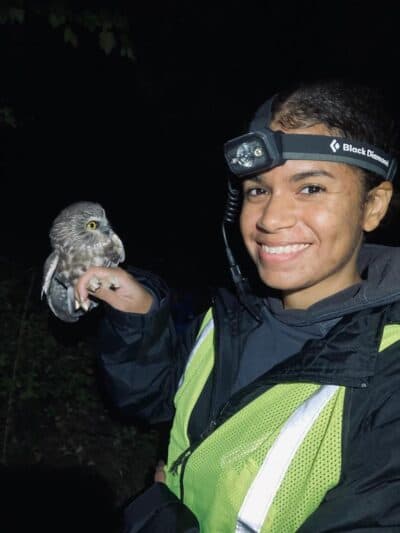
Hi! I’m Stefani Singh, a MSc Biology student at the University of British Columbia Okanagan with a concentration in conservation science. I was born and raised in Jamaica and recently moved to British Columbia, Canada last year to conduct conservation research to obtain my master’s degree. I am extremely enthusiastic about spreading knowledge about the importance of our wonderful wildlife, and am always thinking about new, fun ways to get the public, managers and academics involved.
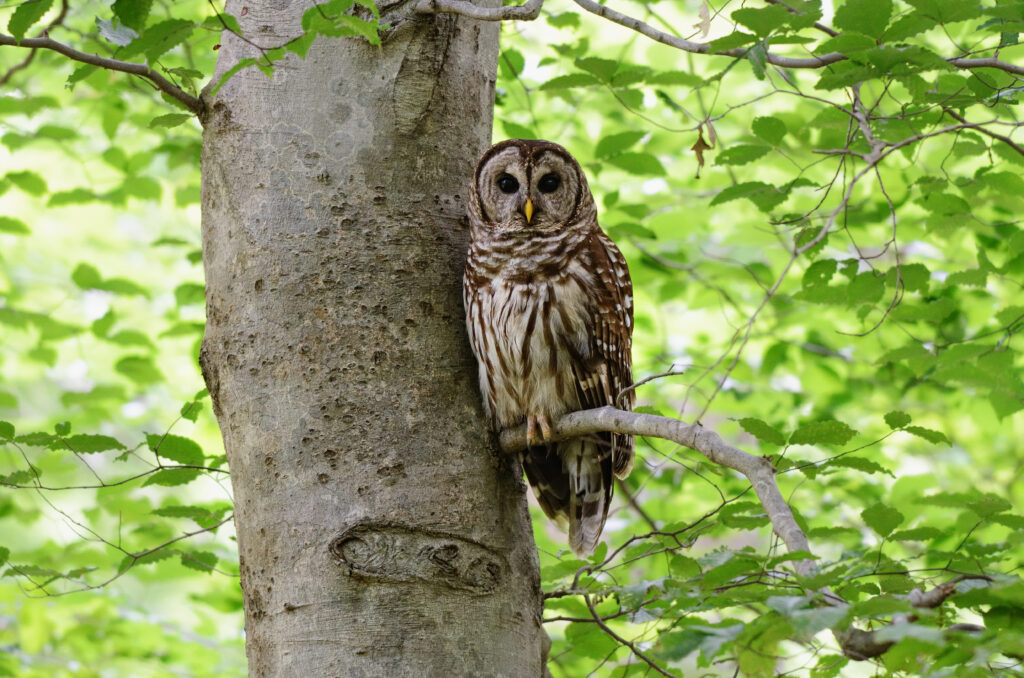
I am an MSc Biology student at the University of British Columbia Okanagan with a concentration in conservation science. For my MSc research, I am studying what habitat types within burned forests are used by at-risk bird species including owls, diurnal raptors, woodpeckers, and corvids, as well as how populations recover as forests regenerate over time post-fire. I am communicating with local researchers and provincial park managers to create records of management practices in post-fire forests to conserve these birds based on the findings of my research. I also currently volunteer as an editor intern for the Caribbean-based CESaRE Impacts magazine, selecting and editing articles about conservation and environmental science in the Caribbean. I am also proficient in verbally communicating about wildlife and conservation, and have presented my conservation research at multiple conferences and events, including the 2024 BC Chapter of The Wildlife Society Conference in Kamloops, Solution Scholars Summit in Vancouver and North American Congress of Conservation Biology Conference in Vancouver. I also have experience writing several grant proposals, including a successful two-year Habitat Conservation Trust Foundation (HCTF) application and renewal.
I received my BSc in Ecology Biodiversity from the University of Malaya, Malaysia, in which I studied topics including zoology, botany, ethology, soil science, parasitology, integrated pest management and biostatistics. During my undergraduate degree, I volunteered with the university’s Museum of Zoology to lead a three-day field workshop on insect sampling for the Invertebrate Biology course, as well as provide a tour of the museum’s display to high school students.
My background allows me to work with and communicate effectively with many different people and groups as would be required as a member of the Working Group committee. I have the technical knowledge required to plan and conduct research and communicate with academics, as well as the ability to tailor wildlife research to management plans for policy, or interesting articles for the public. I am extremely enthusiastic about spreading knowledge about the importance of our wonderful wildlife, and am always thinking about new, fun ways to get the public, managers and academics involved.