


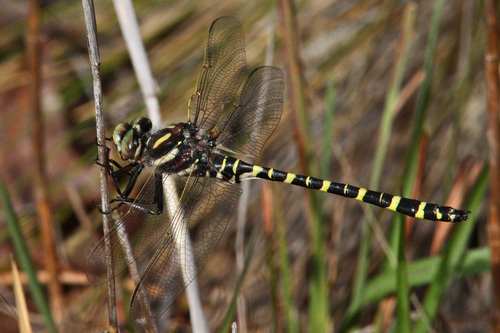
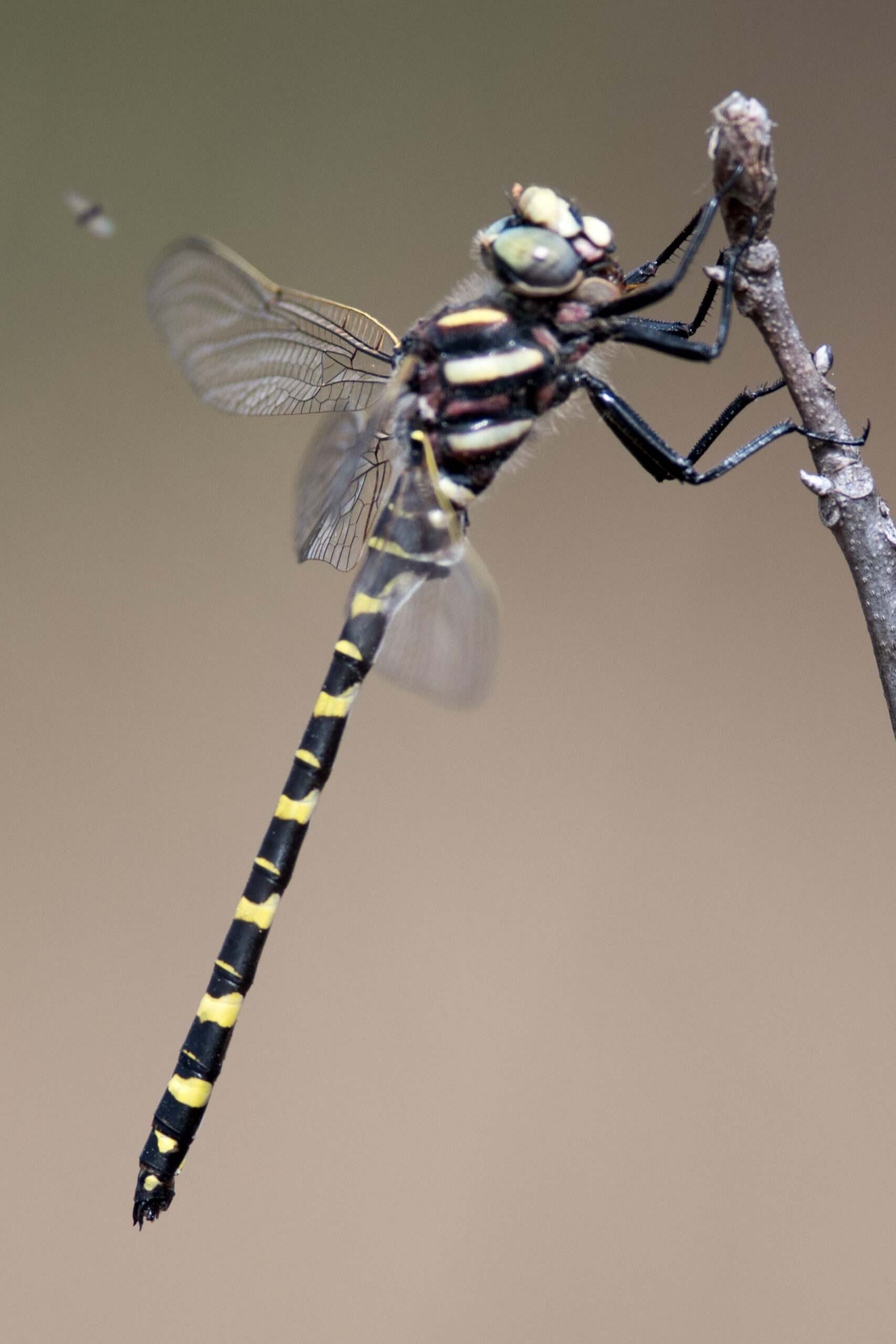
A rare dragonfly found only in Florida and Georgia will likely lose much of its habitat in the coming decades if the pace of development continues.
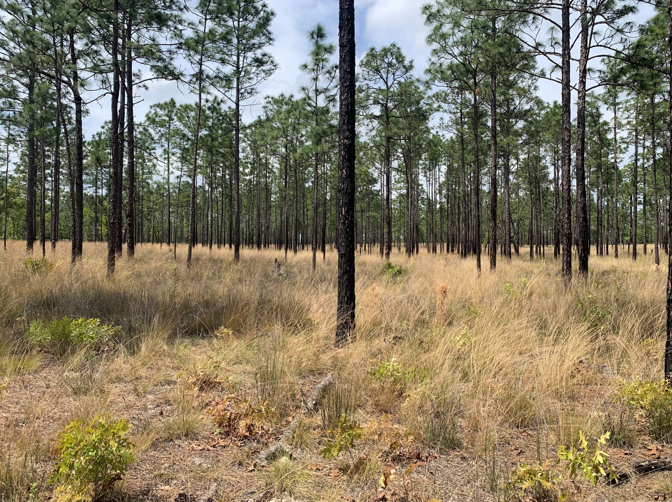
“It’s a good flagship species for the longleaf pine ecosystem,” said Matt Flenniken, an assistant research scientist with the Florida Fish and Wildlife Conservation Commission’s Fish and Wildlife Research Institute.
Say’s spiketail (Zoraena sayi) is only found in northern Florida and southern Georgia. The species relies on seepage streams, small creeks that flow from temporary, seasonal springs. These kinds of streams are typically found in longleaf pine forests, a threatened ecosystem in the U.S. Southeast. The dragonflies breed in these ephemeral streams—like all dragonflies, the nymph stage of Say’s spiketails is aquatic.
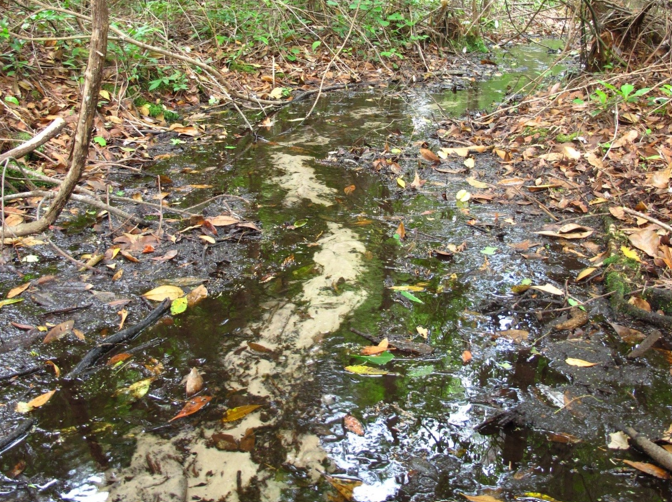
Researchers had been conducting field surveys for these insects beginning in the 1990s in Georgia and Florida to determine their conservation status. Following these surveys, Say’s spiketails were listed as a threatened species in Georgia. At one point, wildlife managers considered listing the species at the federal level as well.
As a result, Flenniken and his colleagues had detailed data about distribution for the species.
In a study published recently in Ecology and Evolution, the team used that distribution data to create suitable habitat models. They combined this data with models that projected the future development in the region until 2070 and mapped protected lands in the area as well.
The researchers found that the highest concentrations of suitable habitat for Say’s spiketails were in the Florida Panhandle, a relatively undeveloped part of the state right now. But models projected development to increase in many parts of Florida, including the Panhandle.
The models revealed that about 30% of suitable habitat for the dragonflies occurred on protected land and more than two-thirds on private land. About half of that, or 35% of all suitable habitat for Say’s spiketails, is projected to be developed in the next 45 years.
Flenniken said the study suggests the species may continue to lose habitat in the future. He hopes that wildlife managers consider this when looking at plots of land to protect for conservation easements.
It’s not just important for these dragonflies, he said. The kind of habitat they rely on is also important for imperiled frogs, plants and salamanders.
Article by Joshua Rapp Learn