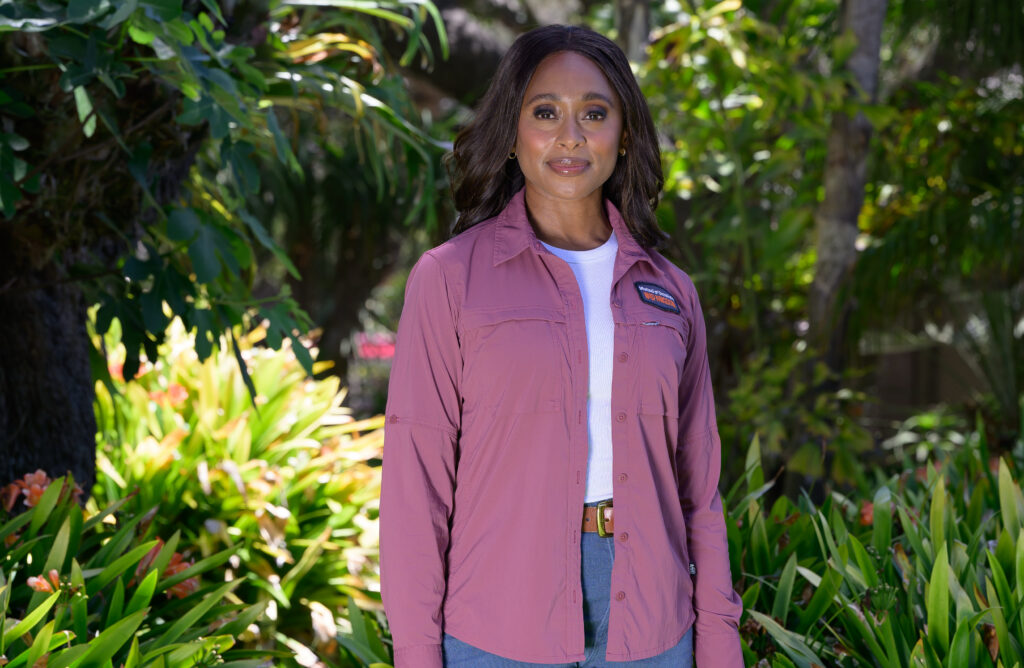
Before Gabe Vasquez was spending his days on Capitol Hill working in hearings and introducing legislation, his childhood resembled that of many wildlifers.
The U.S. representative for New Mexico’s 2nd congressional district spent his time hunting and fishing with his grandfather in the Sierra Madre in Mexico, where he spent part of his childhood.
Like other wildlifers, he also had a fairly nonlinear career path. While he maintained the conservation ethic his grandfather instilled in him, he chose to study computer science for his undergrad and later changed his major to journalism. But inherent wildlife passion turned into advocacy, and he worked as a staff aide for Sen. Martin Heinrich and later as a field organizer for the New Mexico Wildlife Federation. At the latter, he learned about a new wildlife program that piqued his interest.
The Student Wildlife Adventure Program, launched by Certified Wildlife Biologists and TWS members Daryl Ratajczak and Robert Brewer, took 12 to 15 students from underserved communities to an area far from their state of origin to experience different ecosystems and have hands-on conservation experience. Vasquez attended the program as a chaperone twice before going on to work for organizations like the National Wildlife Federation and The Wilderness Society. He eventually became a congressman in 2023.
For our latest Q&A, The Wildlife Society caught up with Vasquez to learn about his experience completing the program, which has since ended due to funding challenges, and how it helped shape the congressman—and person—he is today.
What is your wildlife background?
I think the conservation ethic really came from my grandpa, and it came natural to him because he had a very large family—10 kids to take care of. We weren’t just hunting for fun, we were hunting for sustenance. We were a family with not a lot of means and every ounce of meat we harvested was served on the dinner table to feed my grandpa’s kids and grandkids. That was just really the best way to learn about conservation and about making sure that you’re taking every part of the animal but also leaving something behind for the next generation. It was a unique experience for me growing up in Mexico and watching my grandpa spot and stalk. I developed the skills to track as well, and then later butchered animals at my grandma’s house in the middle of the city. It’s something I carried with me and something that I did for fun.
Honestly, when I grew up, a career in conservation wasn’t something I thought was a viable career. Many kids from New Mexico will tell you that they didn’t know that there are careers working in the outdoors, working with your hands, doing what you love. That there are programs out there like those of The Wildlife Society, and there are places like New Mexico State University where you can get involved early as a student.
Did you choose to study wildlife when it was time to go to college?
When I was at New Mexico State University, I started out as a computer science major, probably the polar opposite of wildlife conservation. But that wasn’t what drove me. I was very interested in writing stories about people, about my community.
I became the news editor at my local campus newspaper, and switched my career to journalism and public relations. Meanwhile, I was out on the weekends fishing. I was out hiking. I was out in places like the Gila National Forest, but again, I never really thought about wildlife as a career.
I did a lot of community work and eventually worked for Sen. Martin Heinrich, our senior senator in New Mexico. That’s really what drove me to conservation policy and brought me to where I am today.
How was your experience in the SWAP program?
I was working for the New Mexico Wildlife Federation at the time, and we were approached by this great guy named Daryl Ratajczak. He was working for the U.S. Forest Service in northern New Mexico, and had this radical idea that we could enlist a group of underserved students studying wildlife sciences in all different aspects, and we could partner with a good friend of his that happened to be in Tennessee—Robert Brewer from Cleveland State College—who runs a top-notch program for The Wildlife Society there. The thought was really to expose New Mexico students to a completely different environment. They took students interested in everything, from range management to wildlife biology to entomology, to Tennessee.
He needed a partnership in New Mexico to help pull this off, so he reached out to the New Mexico Wildlife Federation. I was working as a field organizer at the time, and I jumped at the chance to join some of my fellow students from New Mexico State University, my alma mater, and take a trip out to Ocoee, Tennessee.
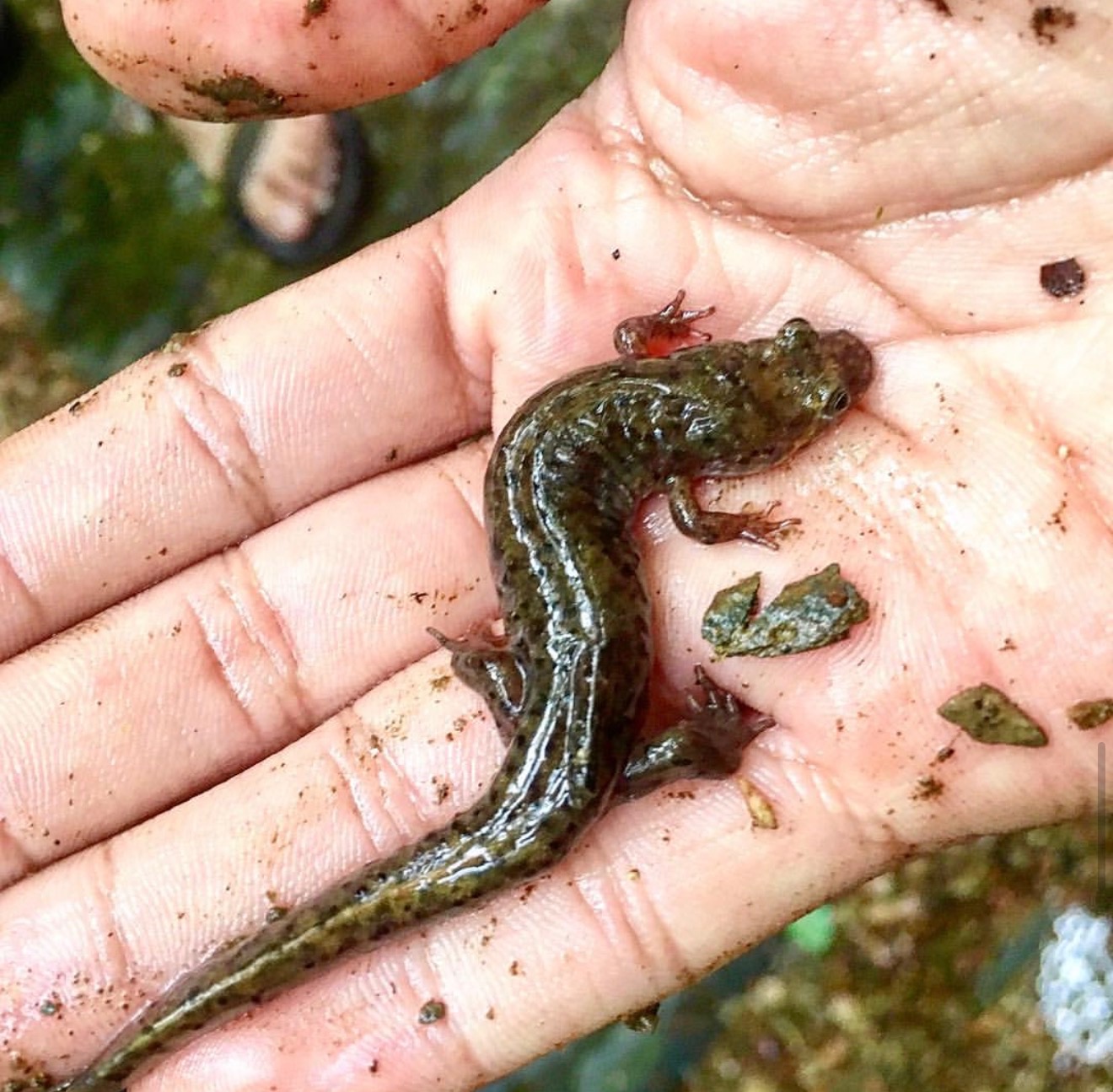
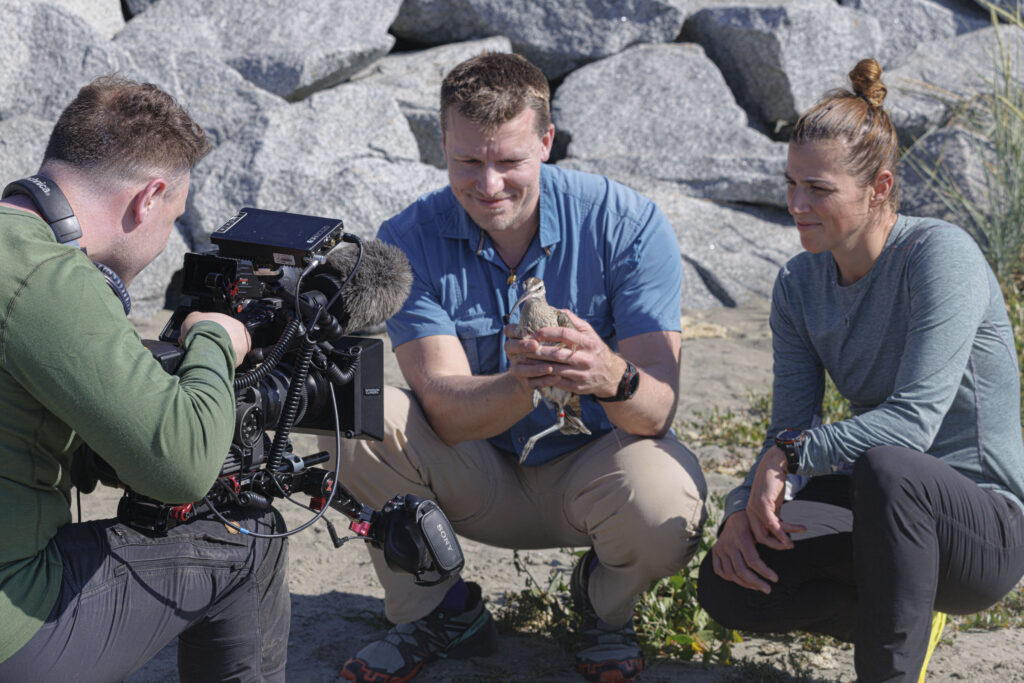
We spent a week learning about everything from feral hog management to salamander and aquatic fish surveys. We learned about the biodiversity of some of the private and public lands in Tennessee. We learned about regional dendrology, and the New Mexico students mixed in with a group of wildlife students from Cleveland State Community College and made some really good friendships.
I got to tag along and learn with them, and at the same time act as a chaperone. It’s an experience I won’t forget, especially doing some of the fun stuff like whitewater rafting down the Ocoee, which was an incredible experience, and going creeking for the first time, which is an activity we don’t have in New Mexico. That’s basically turning over stones in the creeks to see the insects and salamanders underneath.
I signed up again in 2019. This time, a group of students from Tennessee came to New Mexico, and I joined them for their portion of the trip in the Gila National Forest. The theme was to follow Aldo Leopold’s footsteps across the state, and the Gila National Forest contains our nation’s first national wilderness, the Aldo Leopold wilderness. Getting to host those students and show them New Mexico hospitality was a great experience.
How did the SWAP influence your worldviews and your conservation ethic?
It really opened up my eyes to how many careers young people today can pursue in conservation. Many folks looking for careers working outdoors don’t know about these opportunities.
But more than anything, conservation is about friendship. Conservation brings people together from different political and personal backgrounds. SWAP got students really excited about the possibility of returning to work in those states one day.
It’s helped me understand that across the country, folks invested in protecting our wildlife and natural resources have a lot more in common than they have in contrast. I’m excited to see that many of our New Mexico students go on to great careers working across the country, some as far as Alaska. They take that spirit of friendship in their careers, and I think it serves them well. SWAP opened new doors for so many students and I hope that similar programs can thrive in the future.
Article by Dana Kobilinsky