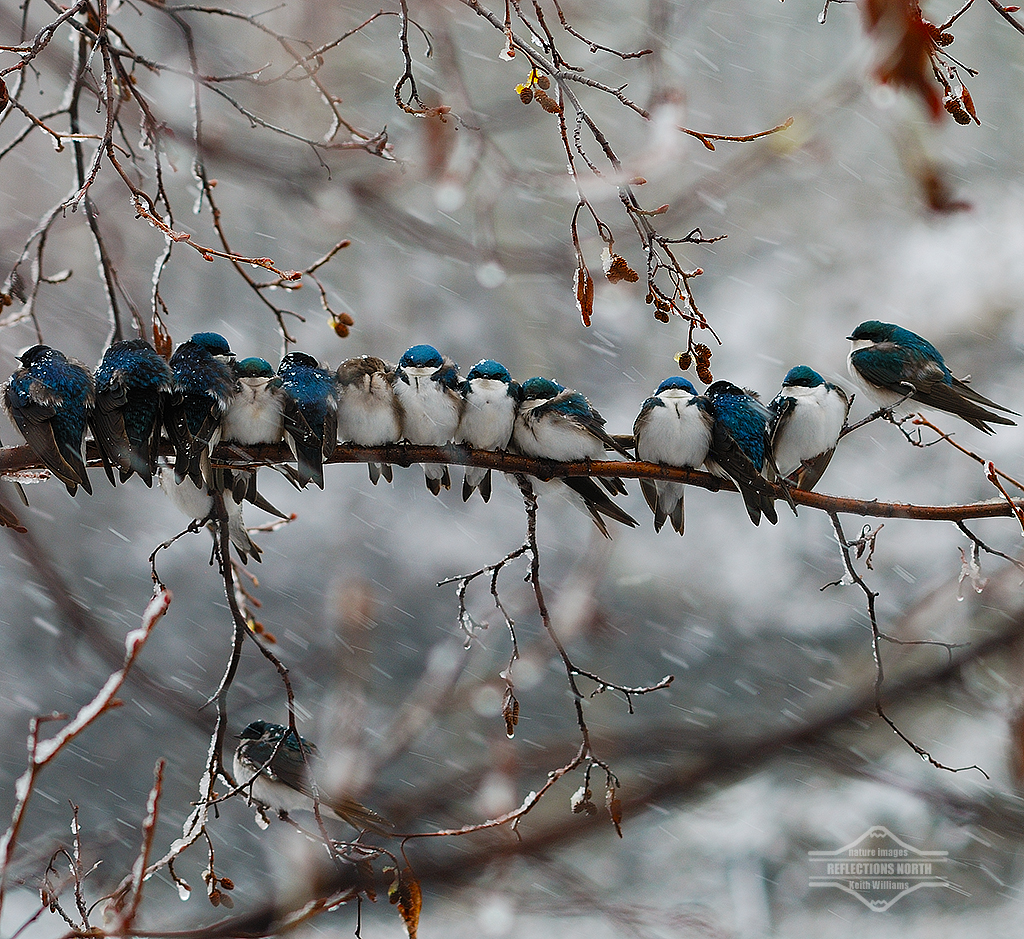



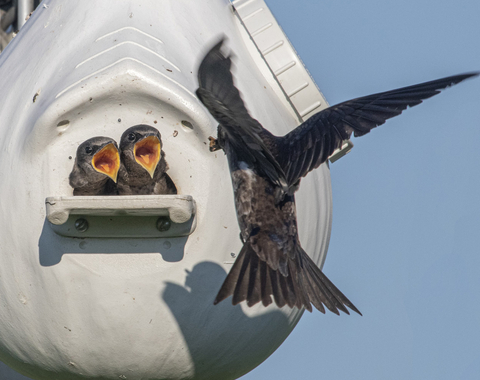
Frozen temperatures killed thousands of purple martins in Texas in 2021, and new research shows it might take the population years to recover. When two consecutive deep freezes hit the Gulf Coast in February 2021, the combination of low temperatures and snow on the ground for nine days caused “The Great Texas Freeze.” The conditions led to the deaths of thousands of purple martins (Progne subis), a species that typically arrives on the Texas Gulf Coast in early February after spending the colder winter months in South America. Researchers examined citizen scientist reports to find that martins died in up to 52% of monitored breeding sites. Those that survived hatched fewer chicks in the spring, and the following year the species arrived at their breeding grounds two weeks later than usual. It wasn’t until 2023 that the migration pattern returned to fairly normal. Researchers said the population could recover in six to seven years if the weather doesn’t turn so cold again, but still, the nesting success problems could cause problems for generations, researchers worried. “If birds are going to have a future, we need to know more about how they survive newly unpredictable conditions, which can include surprisingly cold temperatures,” said Maria Stager, assistant professor of biology at the University of Massachusetts Amherst and the lead author of the paper published recently in Nature Ecology and Evolution.