

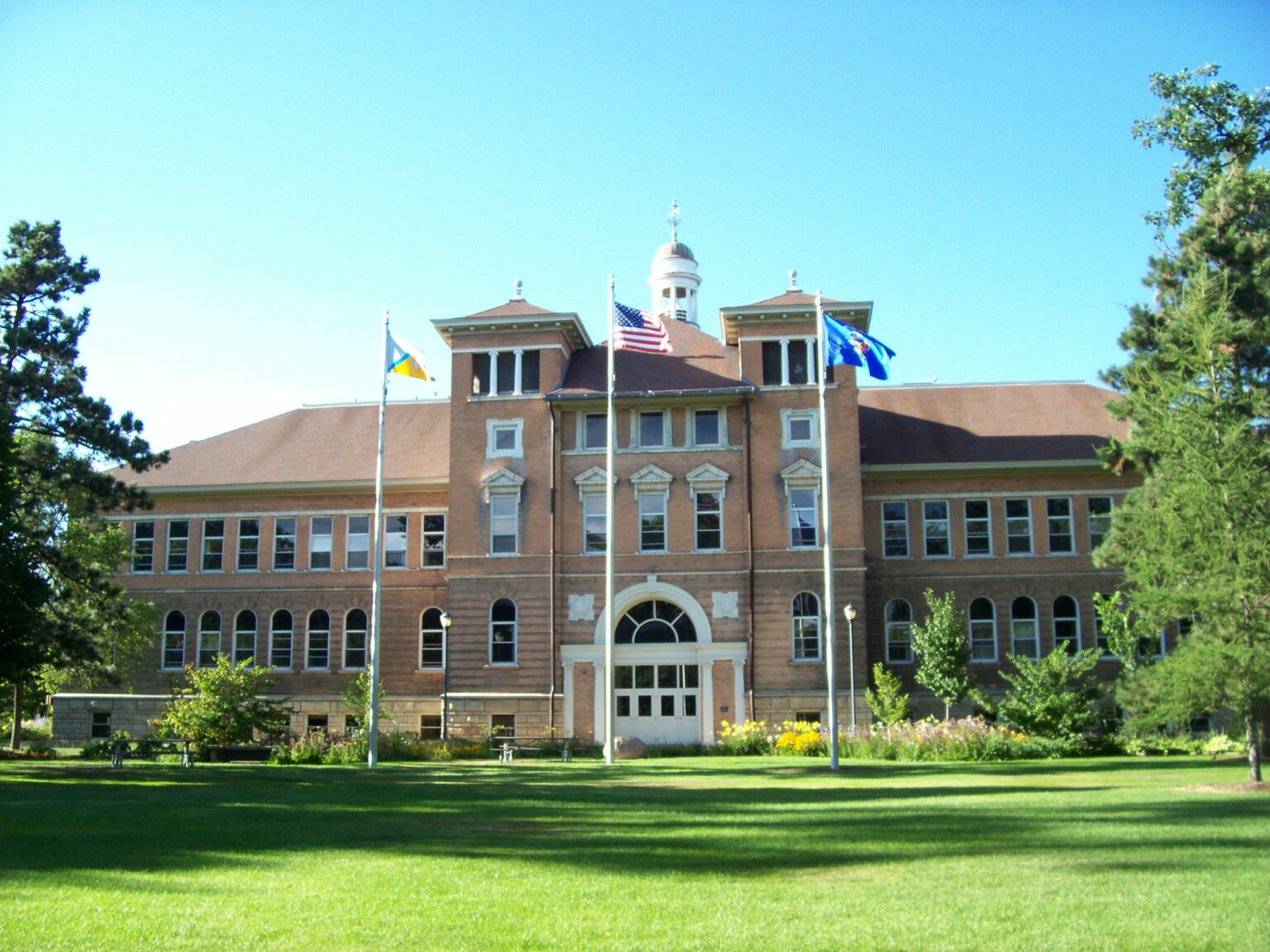
In Wisconsin and beyond, it seems to be common knowledge that the wildlife ecology and management program at the University of Wisconsin-Stevens Point (UWSP, “Point”) is regarded as a highly robust bachelor’s degree available for aspiring wildlife professionals. Proof of this is shown through the highly awarded UWSP Student Chapter and wide dispersal of Point alumni in the wildlife profession. UWSP has just added to its accolades by being the first school in a brand-new pilot program providing a streamlined Associate Wildlife Biologist® (AWB®) certification process for UWSP graduates. Administered by The Wildlife Society, this new Diploma Privilege process allows wildlife ecology and management graduates from any time in 2025 through spring 2029 to automatically qualify for their AWB® certification.
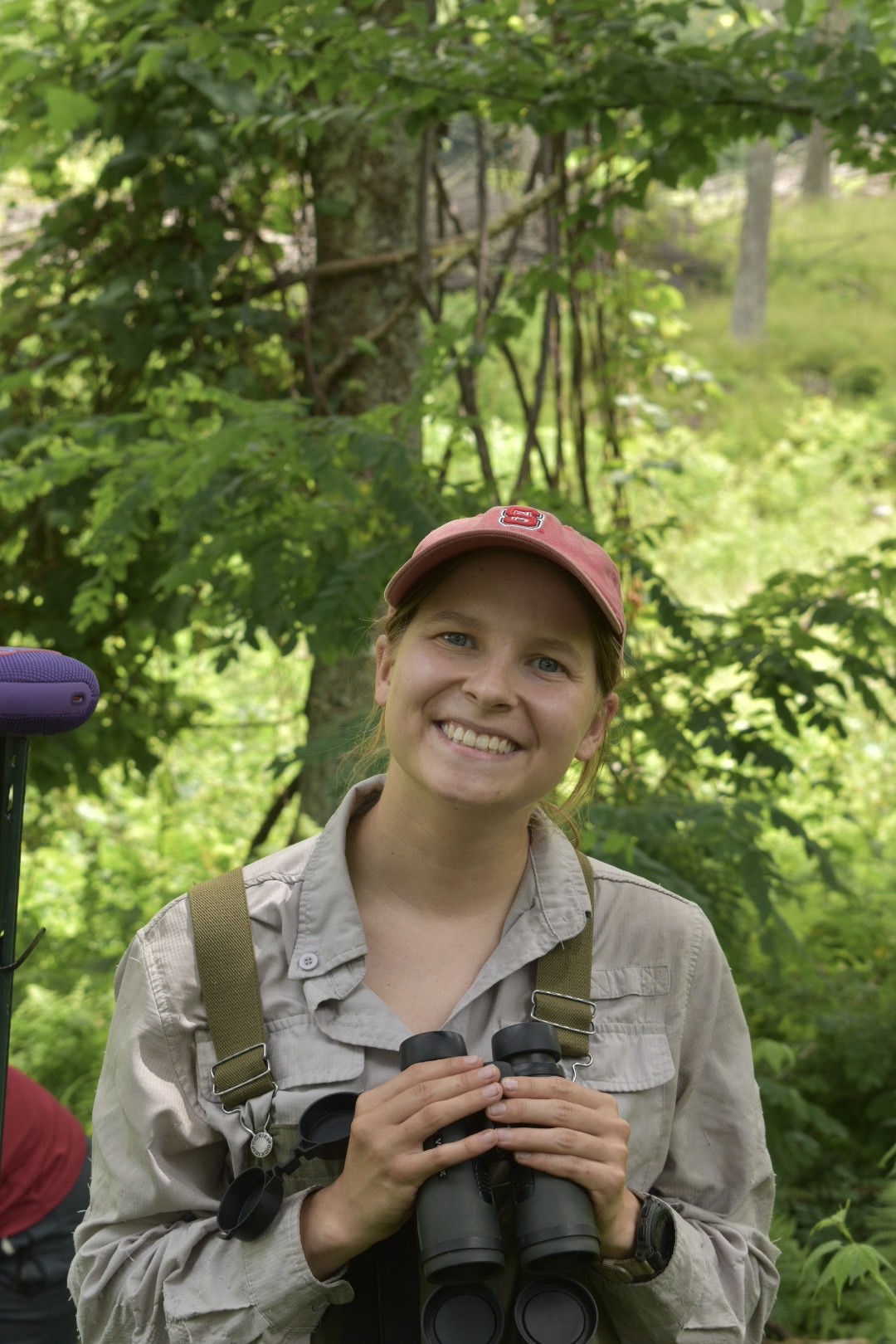
Professional certifications are common in many fields to show commitment and prove qualification—the wildlife field is no different. Anyone who has applied for an AWB® certification without Diploma Privilege knows that a streamlined application is a huge win. On top of a $150 fee, the normal application is a 30-plus-page document requiring detailed course descriptions, credit hours and grade records in 10 categories, with additional opportunities to explain nontraditional learning experiences. It is so comprehensive that there are workshops designed to help applicants prepare their materials at TWS’ Annual Conference. With Diploma Privilege, UWSP professor Jason Riddle said that the normally month-long process is shortened to a few days. “If students with [a UWSP wildlife ecology and management degree] are members of TWS, then they simply provide their transcripts and receive AWB® status,” said Riddle, who is also the TWS North Central Representative to Council and the director of the Wisconsin Center for Wildlife. “They don’t pay the application fee, they don’t have to fill out the certification application, and the wait time to receiving AWB® status is as short as minutes to days,” he said. I can confirm—I received approval of my AWB® status about 24 hours after uploading my transcript to the certification portal. I was also pleasantly surprised by the lack of application fees.
But why UWSP? “Cameron Kovach, Chief Program Officer with TWS, has been floating the Diploma Privilege idea for a while. I was surprised no one had pursued this when he first shared it with me,” Riddle said. “I think we were the first institution to demonstrate interest in the opportunity. And it was a good fit because our wildlife curriculum is designed to meet the AWB® requirements.” For reference, AWB® certification requires proof of college credits in areas such as wildlife management, ecology, zoology, botany, physical sciences, statistics and policy. The UWSP wildlife ecology and management major is designed to cover all of these, creating well-prepared graduates, which Riddle corroborated. “Finally, I think we have a solid history of excellent students coming from our program,” he said.
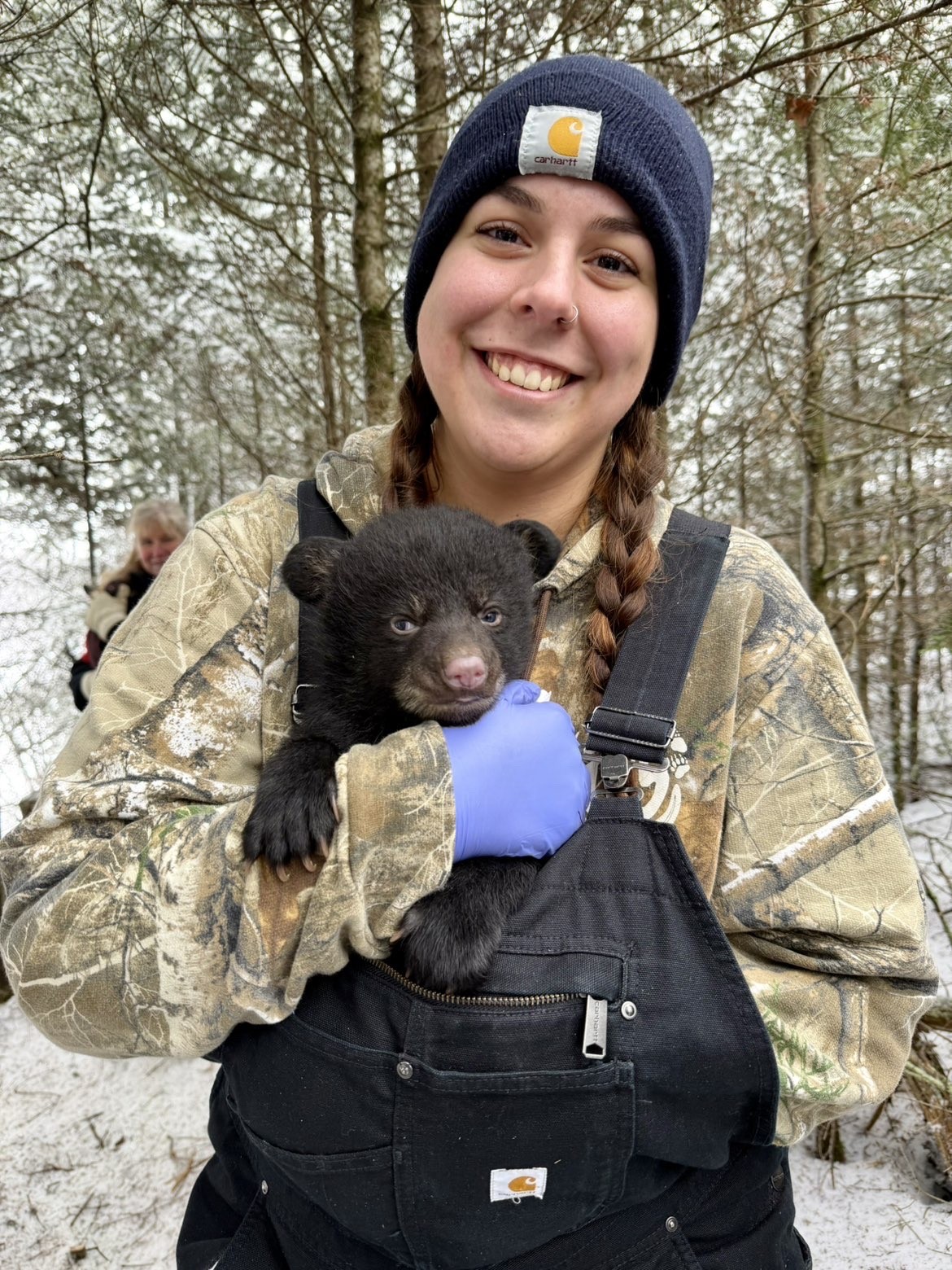
Dana Lotz, who graduated from UWSP in 2025, is one of those students. “As a busy graduate student, the streamlined AWB® certification process helped me save time and boost my professional career,” Lotz said. “With only a few clicks and my undergraduate transcript, I am now able to show other wildlife professionals that I have the experience required to be AWB® certified through my coursework and field experience.”
Katie Carlson graduated in 2026. “I’m very grateful to The Wildlife Society for streamlining this process for recent graduates and making it more accessible for early-career professionals,” she said.
Point may just be the beginning. Riddle foresees more schools being added to the program in the future. “The pilot program is scheduled to expand to some additional universities in the 2027-2028 academic year,” he said.
This article was originally published in the University of Wisconsin-Stevens Point TWS Student Chapter newsletter.
Article by Molly Moder