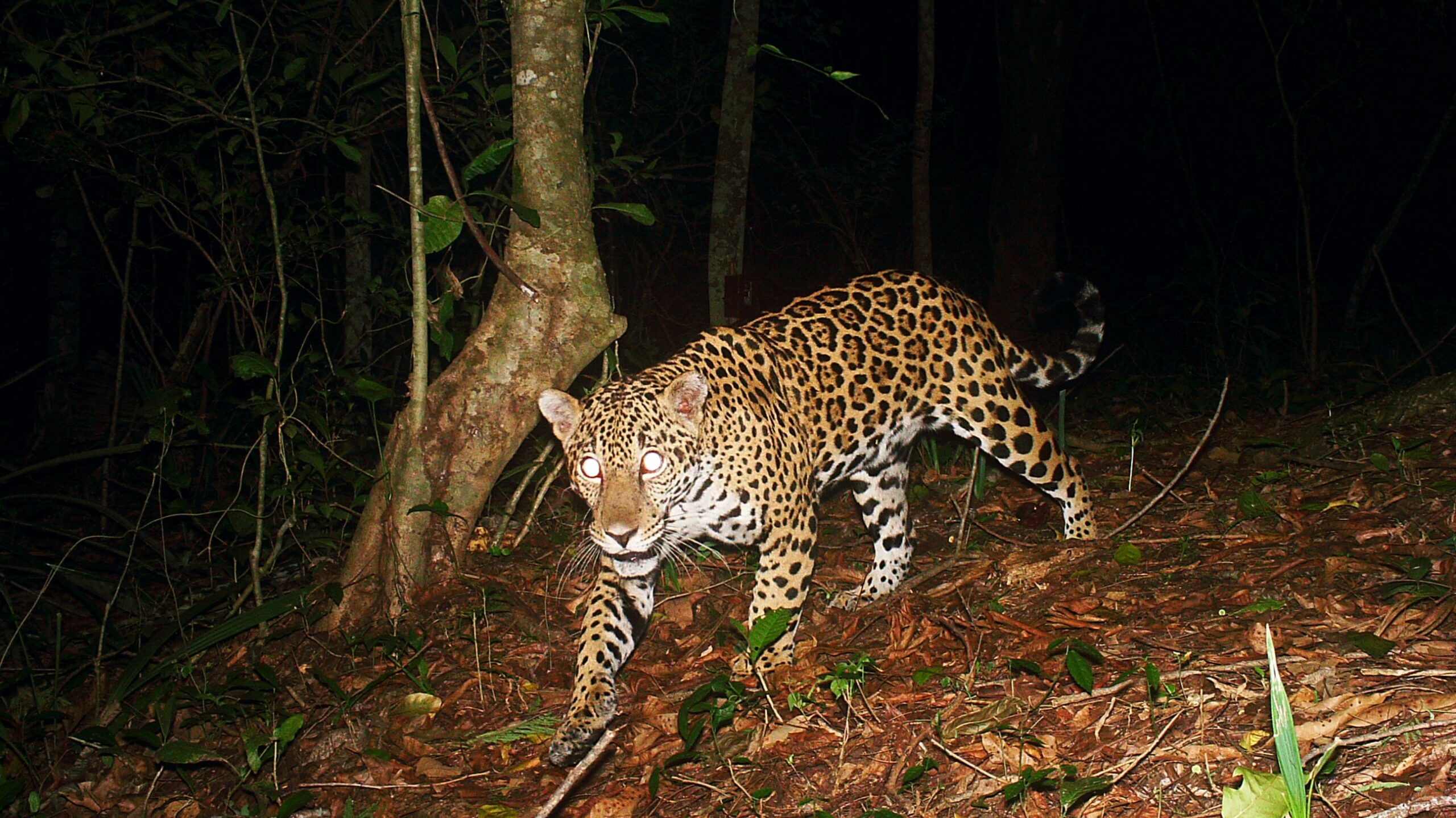



Dozens of trail cameras set up in the jungle-draped hills of Tamaulipas have revealed that jaguar density is rapidly declining in northeastern Mexico.
The problem, researchers believe, involves development and a new highway being built in the Mexican state that borders Texas.
“This is one of the most emblematic species for our culture,” said Zavdiel de la Rosa, a PhD candidate in natural resource management at the Autonomous University of Tamaulipas in Mexico.
But these new findings fall in line with other research that has made similar discoveries about the deteriorating health of jaguar (Panthera onca) populations in other parts of southern Mexico.
“A lot of investigators are ringing alarm bells,” de la Rosa said.
In a study published recently in Ecology and Evolution, de la Rosa and his colleagues first set out in southern Tamaulipas in 2023 in the El Cielo–Sierra de Tamalave biological corridor. The area is important to wildlife movement on the northeastern edge of the jaguar range, connecting several important protected areas and providing a crossroads where tropical and northern species in general coexist.
Tracking elusive jaguars
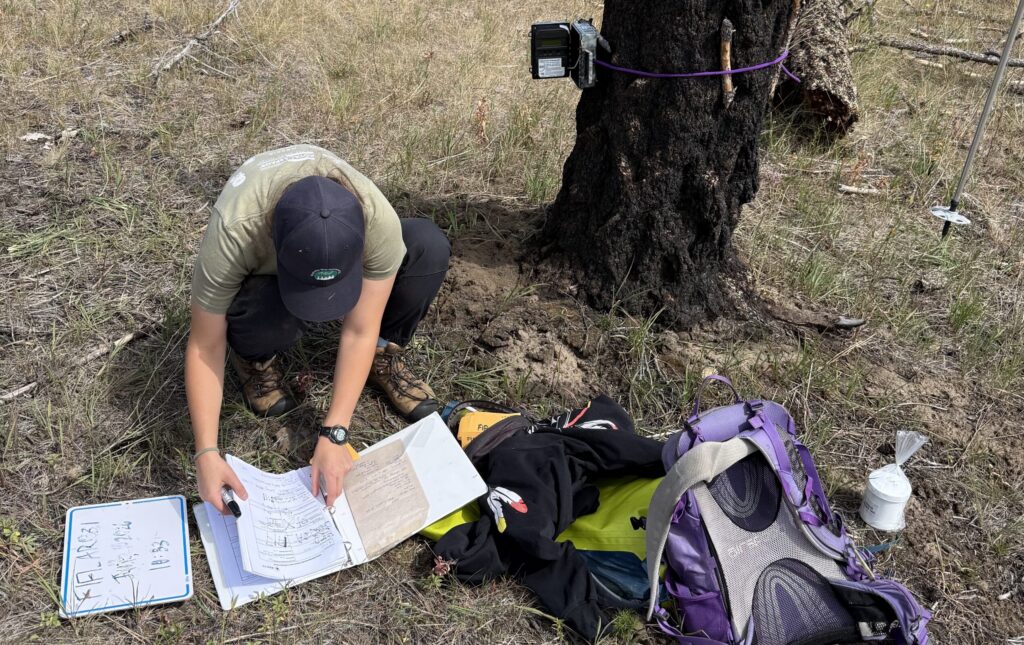
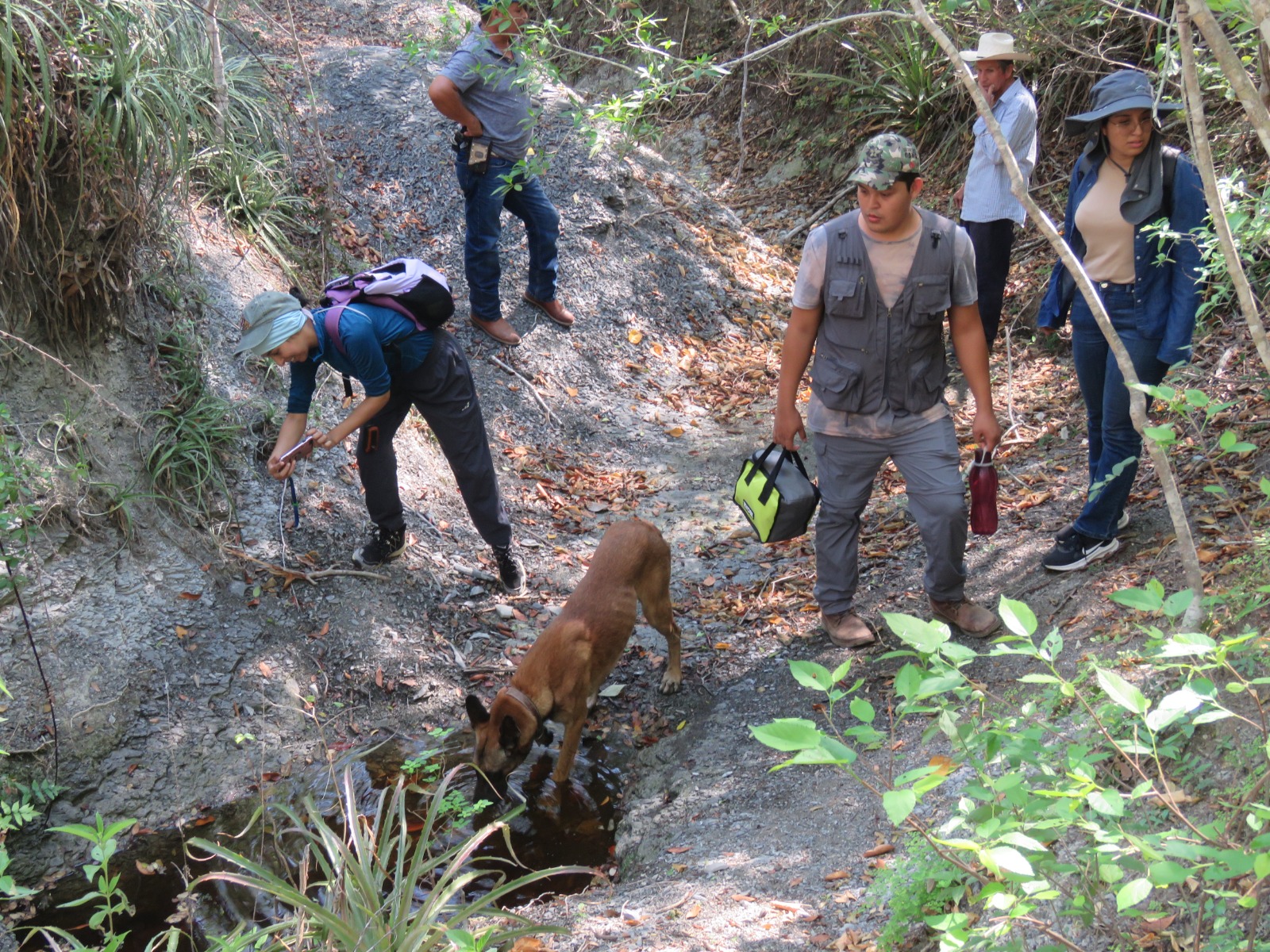
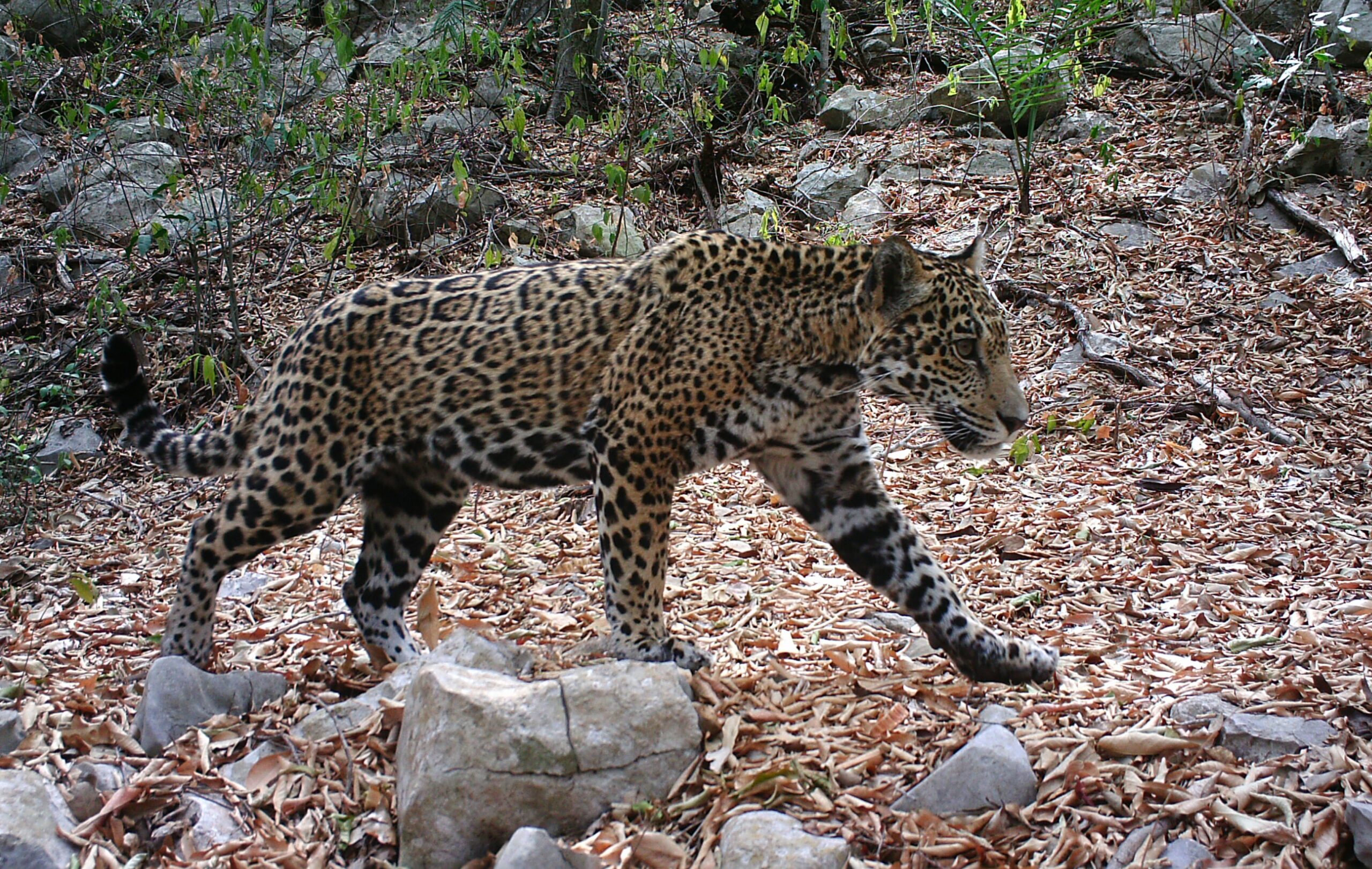
They looked for paw prints and jaguar scrapes on trees to find areas the cats were more likely to pass. Despite trudging through difficult terrain for days, de la Rosa didn’t see a single jaguar in the flesh. “The only thing I’ve seen from these cryptic animals is their paw prints,” he lamented. Based on their findings of jaguar evidence, the team then set up pairs of trail cameras in 52 stations—a total of 104 cameras in total.
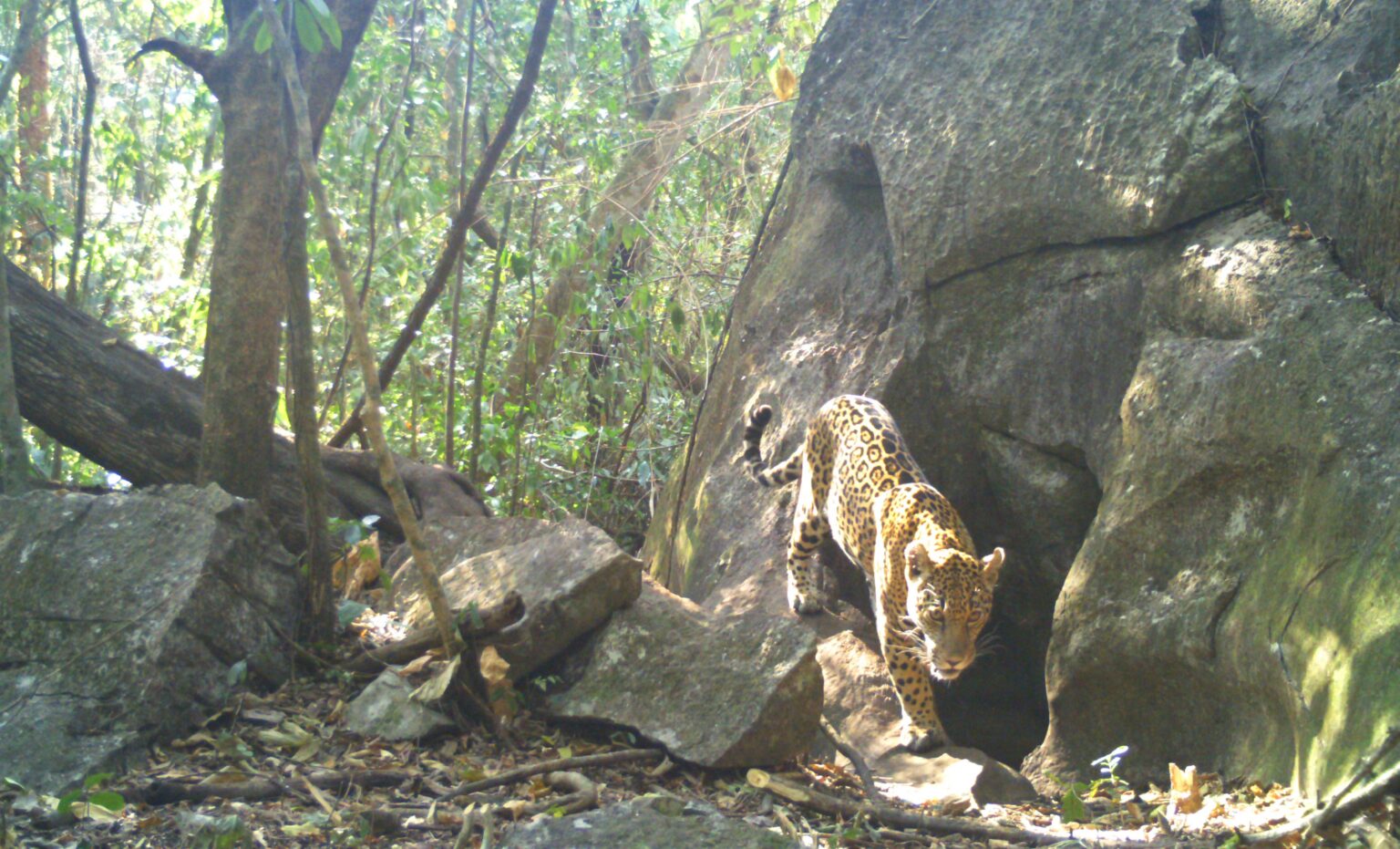
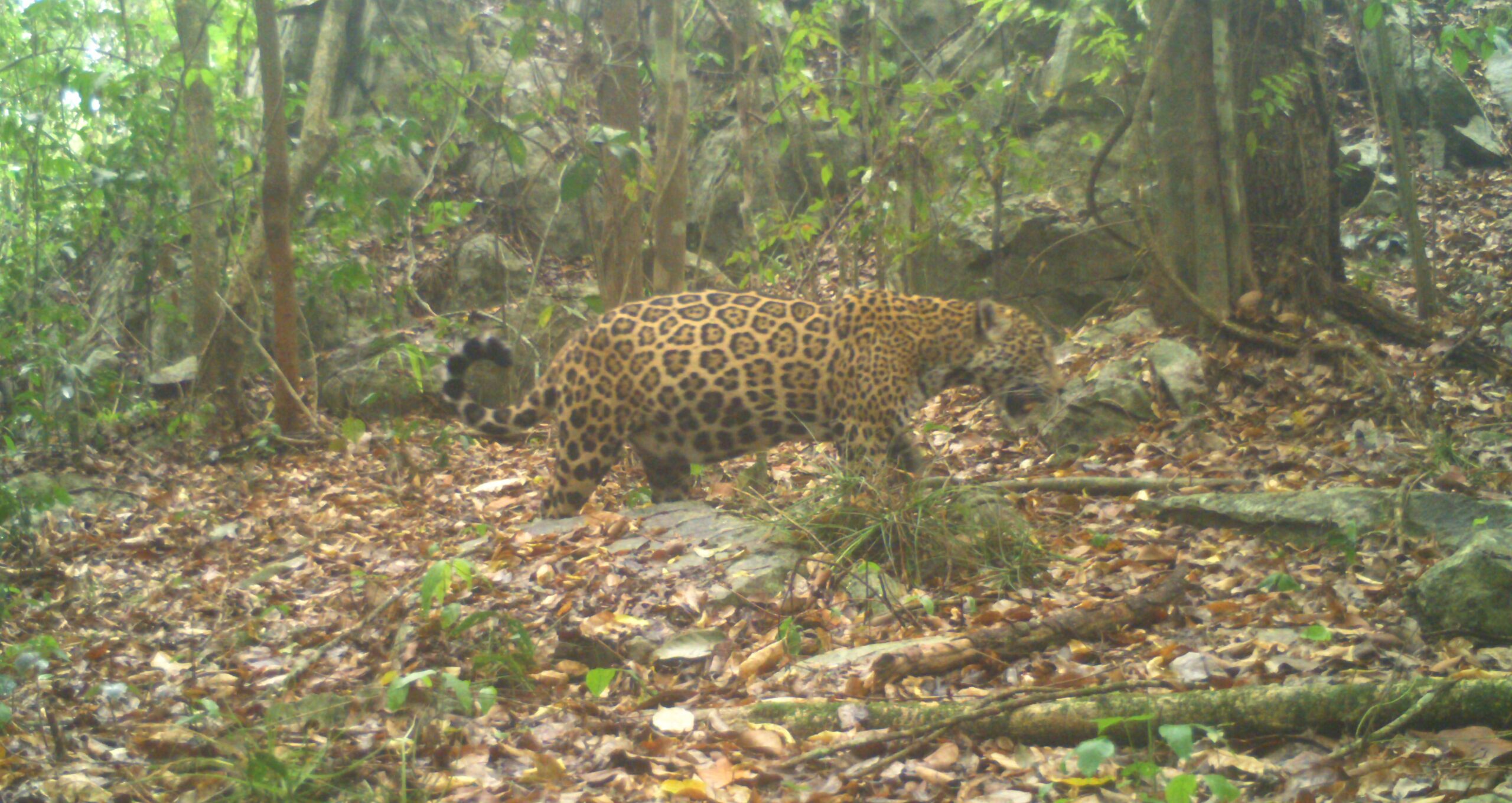
The team had 92 jaguar detections in total during their study period. They analyzed the images they captured, identifying individual jaguars based on their unique roseate spot patterns. Jaguar spot patterns are typically hollow, unlike those of cheetahs, and occasionally have dark, solid dots in the middle of the roseate pattern. In total, the team identified 17 individuals, including nine females, three males and five individuals whose sex they couldn’t determine. Of the 92 photos, they managed to identify an individual in 81 shots—the other 11 were too blurry, or the jaguars’ positions didn’t allow the researchers to see identifying spot patterns.
They ran population models based on their data to account for uncertainty and estimated roughly 1.29 jaguars per 100 square kilometers in their study area.
This number is a huge drop from an earlier study in 2016 in the area, which estimates about five individuals per 100 square kilometers.
Are jaguars declining elsewhere in Mexico?
The new discovery resembles findings in other parts of the jaguar range. Overall, researchers estimate that jaguar range has decreased by 50% across the Americas compared to their historic distribution. Some recent research has indicated more recent increases in jaguar numbers in Mexico, but these gains haven’t made up for the overall loss in numbers. Zavdiel said the low numbers in Tamaulipas resemble those found in the Greater Calakmul region in southern Mexico in another recent study.
Given this low density in the northeastern end of its range, de la Rosa said it’s unlikely that any of the big cats will cross into the U.S., even though Tamaulipas shares a border with Texas.
While more research is needed to determine the reason for these declines, de la Rosa said that a new highway being built in the area is likely one of the main problems, as it ruins connectivity. In the photos the team analyzed, they didn’t see any of the individual jaguars that appeared in front of cameras in the north of their study area also appear in the south, and vice versa. This means that while jaguars have large home ranges, they don’t appear to be crossing the highway—at least based on these trail camera images.
The positive news, de la Rosa said, is that many locals in this community demonstrated appreciation for the cats. Jaguar-human conflict is a reality in some parts of Mexico, but de la Rosa said that interviews with the local community in this part of Tamaulipas revealed that some locals have positive feelings about jaguars, since they help attract nature tourists in the area. “People in these areas don’t see jaguars as a threat anymore, but as a source of things people can get to know,” de la Rosa said.