

Climate change may be making things worse for boreal toads that are facing many other challenges in the Southern Rocky Mountains.
Warmer winters may cause a mismatch between food resources and hibernation times, while decreasing snowpack could lead to problems in their breeding ponds.
“Boreal toads in the Southern Rocky Mountains have been declining for decades, primarily attributed to the amphibian chytrid fungus,” said Amanda Kissel, a research ecology at the U.S. Geological Survey’s (USGS) Fort Collins Science Center.
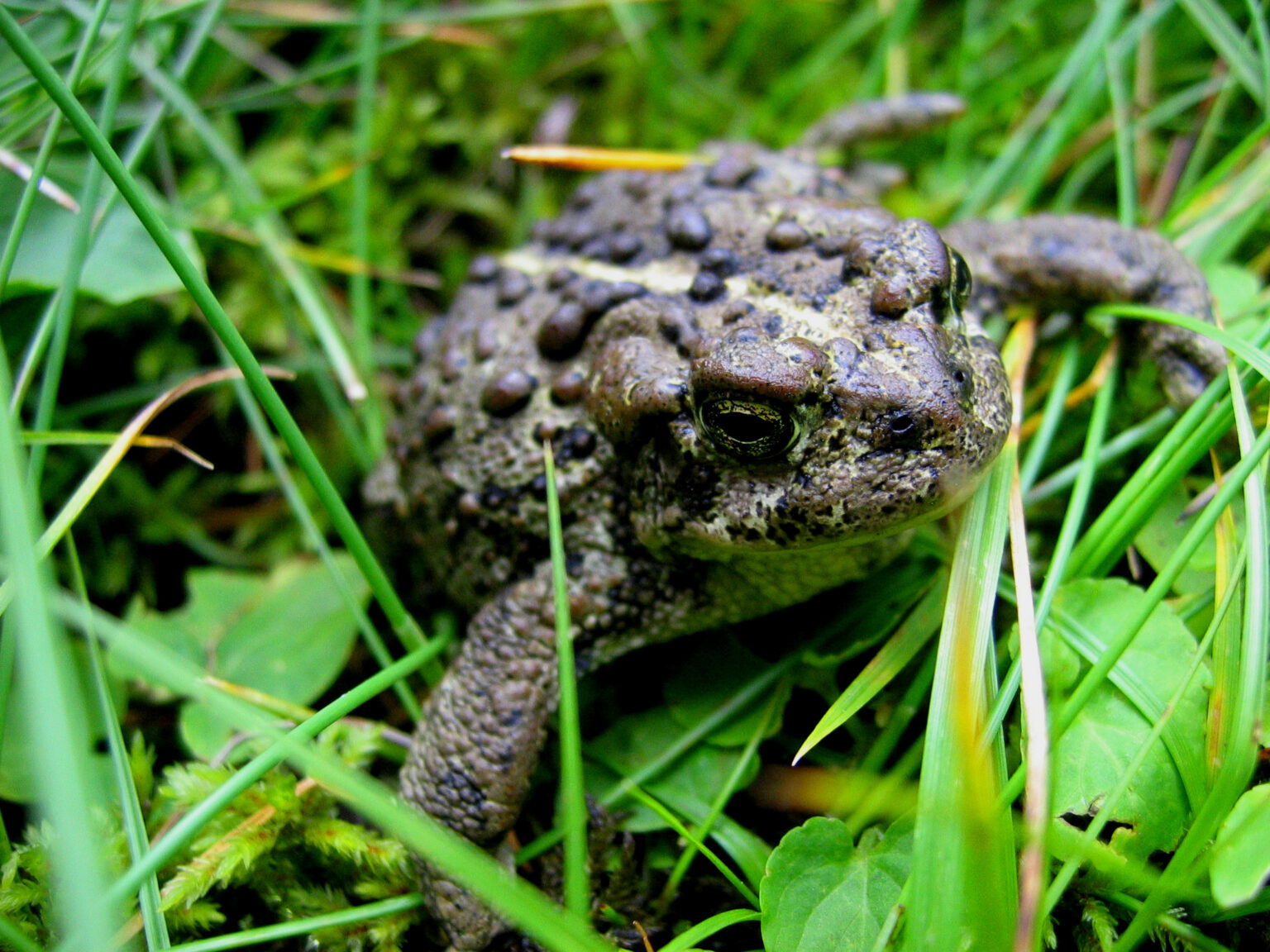
Boreal toads (Anaxyrus boreas boreas) are a subspecies of western toads (A. boreas) found in a variety of western states and Canada. In the Southern Rocky Mountains, they are exclusively found in elevations of more than 7,000 meters. Around two decades ago, populations in Colorado, Wyoming and New Mexico had declined so much that they were petitioned for federal listing under the U.S. Endangered Species Act. The Southern Rocky Mountain populations are separated from other populations of boreal toads, and many populations are now extirpated.
A previous study led by Brian Gerber had analyzed a decade’s worth of survey data on boreal toads from 2000 to 2010 in the Southern Rocky Mountains.
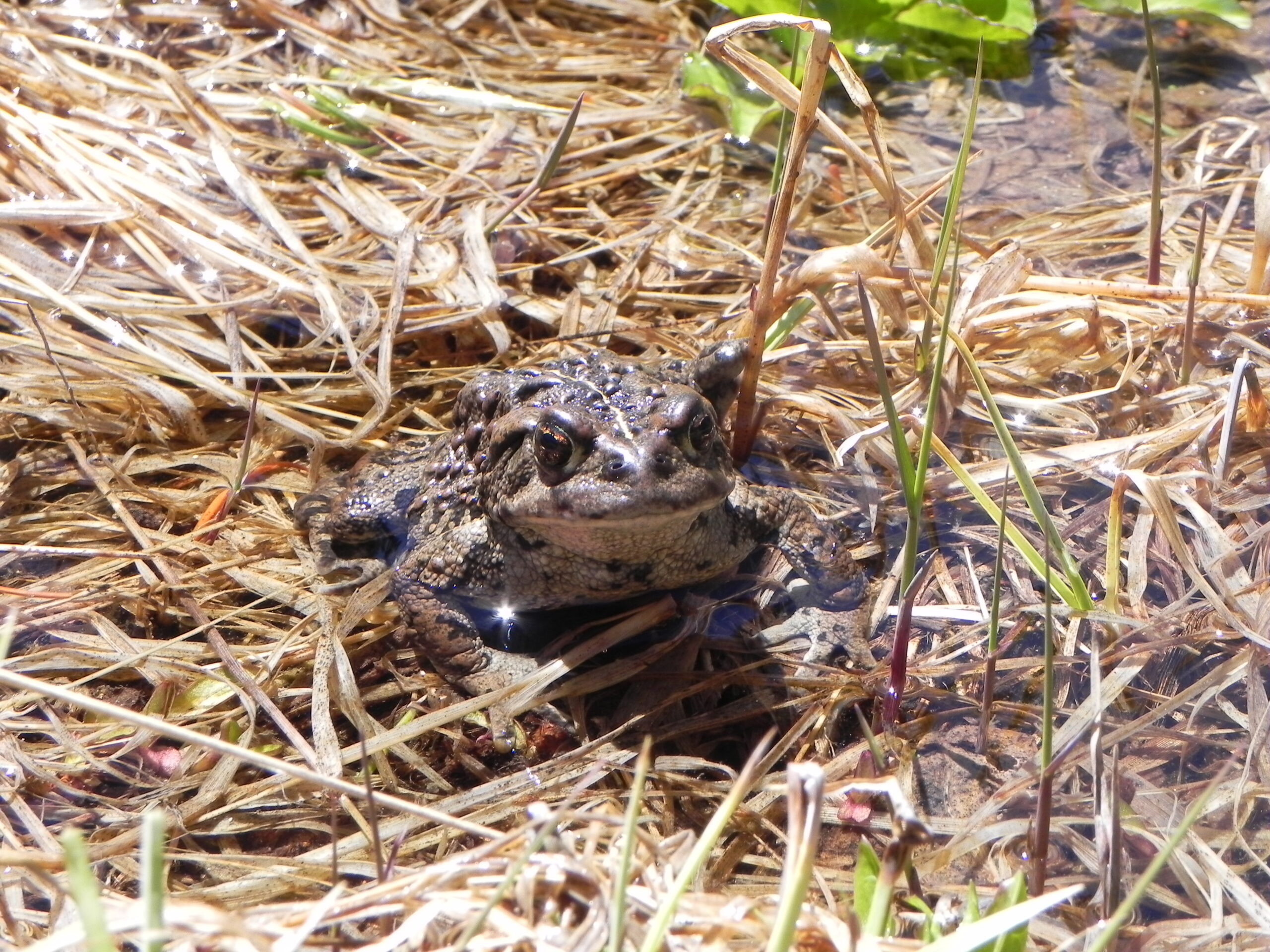
In a study published recently in Ecology and Evolution, Kissel led a team that analyzed another decade of toad survey data building on an original. They modeled the water levels of 152 historical boreal toad breeding sites from 1985 to 2020 to see how water availability changed over time for toads using satellite data. They also gathered information on temperatures and snowpack over in breeding ponds in the region and identified which sites had breeding frogs each year.
The team found that the occurrence of toad reproduction in ponds decreased by more than 40% between 2001 and 2019. “This aligns fairly well with what people have seen on the ground in this period,” Kissel said.
Most boreal toads breed in semi-permanent wetlands that could dry out in some years. As the temperature patterns began to shift, the researchers found that some of these ponds dried before tadpoles could metamorphose in some years. Other times, they dried early, leaving stranded eggs to die.
Kissel said that climate projections show this issue may get worse in coming years. Mae Lacey, a data scientist at Conservation Science Partners and a coauthor on the study, built a web application that managers can use to see how toad breeding sites have changed over time and how they are predicted to react to changing climate and water levels in ponds. It also incorporates wildfire risk to breeding sites.
Longer hibernation may be better for boreal toads
The team also found what initially seemed a paradox. As winters get warmer due to climate change, toads may spend less time in hibernation. While they thought this might result in the amphibians gaining more resources before going to sleep for the cold months, the data showed the opposite. While they aren’t sure why exactly, Kissel speculated that longer active seasons likely resulted in a mismatch between toads and the food resources available to them. “In late fall, if there are no insects available for the toads to eat, they may be in worse condition when they go into hibernation,” she said.
A longer active season may mean boreal toads are exposed to predators and the amphibian chytrid fungus Batrachochytrium dendrobatidis longer. “When they’re hibernating, they’re really not vulnerable to any sort of threat. They don’t usually die over winter,” said Larissa Bailey, a professor of quantitative ecologist at Colorado State University and a coauthor of the study.
Overall, the team found that climate complicated a situation already made difficult by chytrid fungus. The two are related and difficult to tease apart. “In this system, chytrid is a big driver, and it’s correlated with climate change,” Bailey said.
Article by Joshua Rapp Learn