


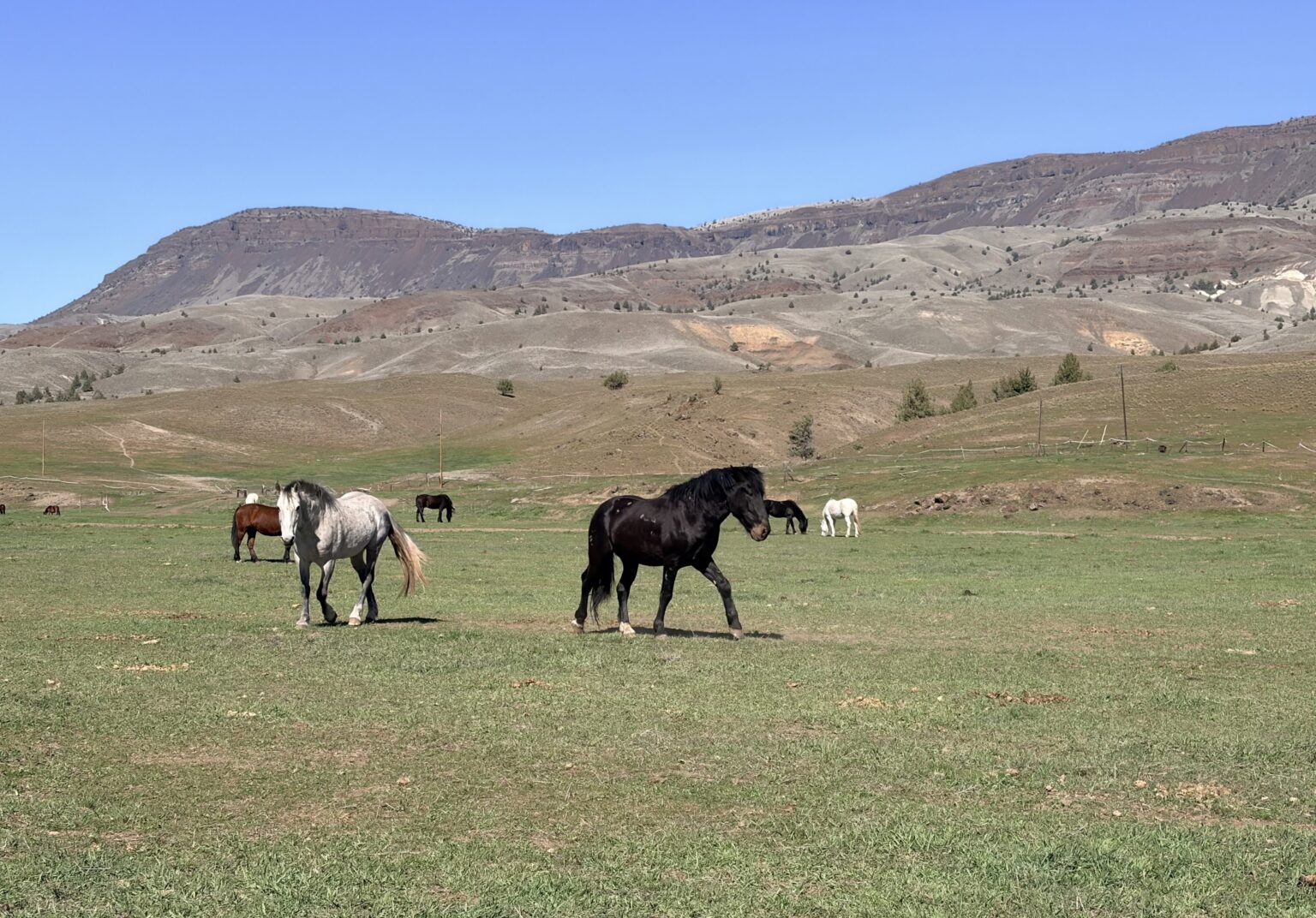
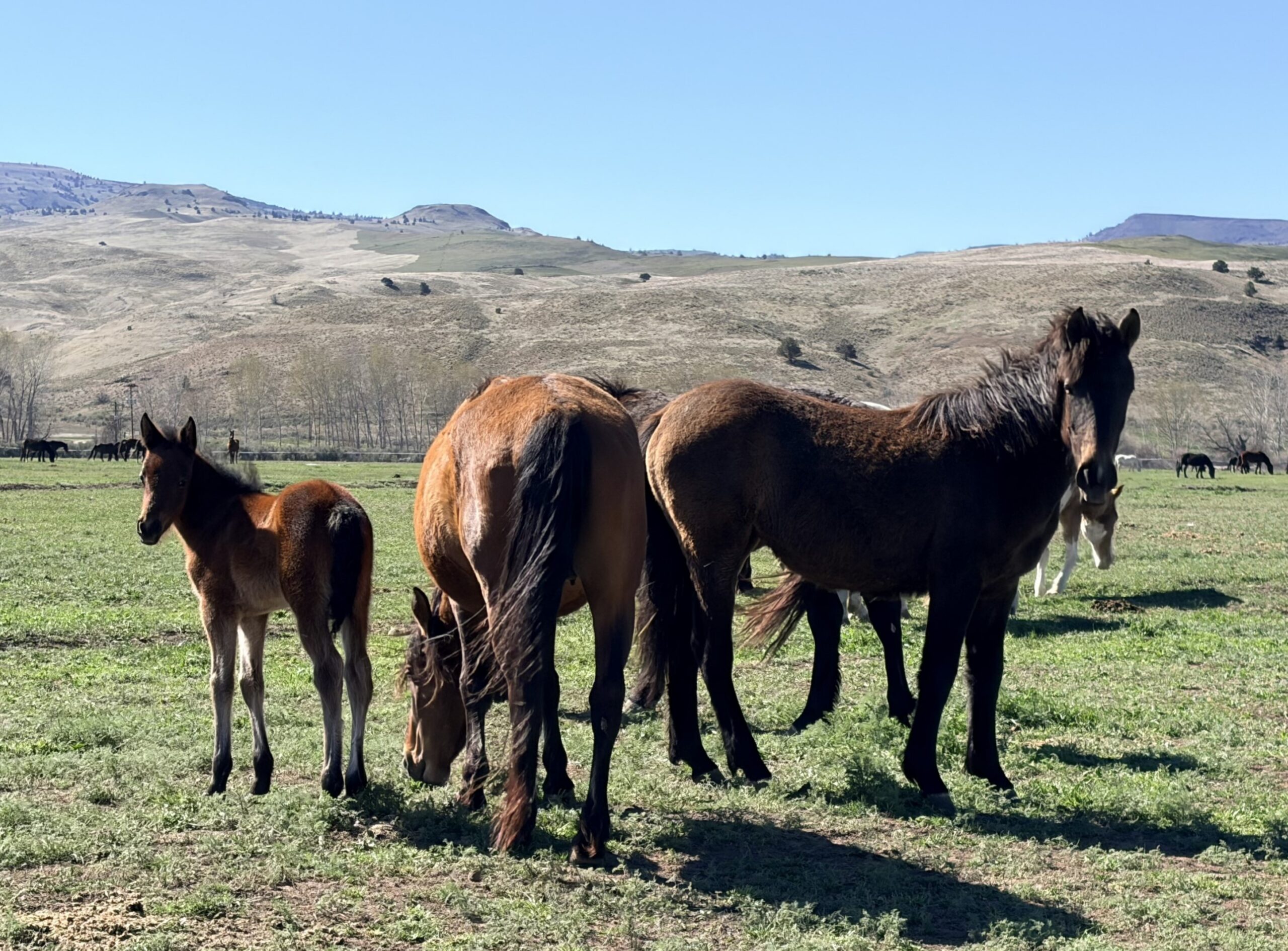
Across the West, wild horse herds grow unchecked, and as the populations strain the resources of the landscapes and harm native species, managers are left to make difficult choices. But what if there was a way to turn the horses against each other?
Wildlife management agencies balance ecosystems, budgets and public expectations around invasive species, which can be difficult when culling and traditional contraceptives do not work. Scientists are developing a new vaccine in the war on invasive species, like feral horses (Equus caballus), turning on an immune system’s attack mode to fire off antibodies that prevent sperm from meeting the egg. The vaccine works by targeting that single point of contact, prompting the immune system to reduce fertility and effectively stopping fertilization and population growth. This new tool gives wildlife managers a powerful, nonlethal tool to control invasive species.
Researchers at Purdue have discovered a protein found on sperm that they could potentially target called IZUMO1. The protein fits like a key in a lock with a receptor on the egg called JUNO. Without the meeting of sperm and egg, conception does not happen.
“It’s an elegant approach,” said Harm HogenEsch, a professor at the Purdue University College of Veterinary Medicine. “Rather than disrupting hormones or altering behavior, it simply blocks the moment sperm meets egg.”
While the new technique has only been tested in mice—with positive results—researchers now plan to try the birth-control vaccine on feral horses. If it works with them, it’s possible it might work with a whole host of invasive species.
Preventing pregnancy to prevent the growth of invasive species populations is not new. Still, in the past, vaccines have come with side effects at the injection site, like swelling.
New research published in Vaccine by HogenEsch and collaborators tested a vaccine in female mice constructed from a fragment of the IZUMO1 protein. By vaccinating females with a male-specific protein, the scientists hypothesized that it should be easier to induce an immune response against it because the female immune system should recognize it as foreign.
The researchers also combined the vaccine with various immune-boosting additives, including one composed of sugar particles from sweet corn. They vaccinated female mice and measured both their immune responses and reproductive outcomes.
All vaccinated female mice using the new cocktail produced antibodies against IZUMO1 and had no injuries at the injection site. Vaccines with the corn sugar particles decreased the number of mouse pregnancies, and those that did get pregnant had smaller litter sizes. But not all mixtures worked, revealing that researchers working on this kind of strategy would do best to try several mixtures, since one wrong mixture may limit the vaccine’s success.
Due to the promising results, future work is moving from the lab and mice to the range with feral horses to test whether the vaccine might work as an alternative strategy in areas where feral horses negatively impact the environment. HogenEsch and his collaborators at the Wild Love Reserve in Idaho are working to scale up the vaccine and test whether foaling rates decrease.
“We still have to see how effective the vaccine actually is in terms of reducing fertility,” HogenEsch said. “We’re focused on horses now, but there are many other species wildlife managers could be using this for, like feral pigs in the southeast. The hope is to create an oral vaccine they can eat and, within five years, have it in use.”
By blocking life at its very first step, the approach could mark a turning point in how we manage invasive wildlife by stopping population growth before it starts.
Article by Kaylyn Zipp