
My journey into wildlife conservation began long before I professionally entered the field. Growing up in Cameroon and Indonesia, I was surrounded by nature, and my father, who worked as a wildlife manager, influenced me. From an early age, I developed a deep respect for wildlife and for the close connection between humans and animals. Later, during an internship in Indonesia, primates especially began to fascinate me. Their intelligence, emotions and vulnerability left a lasting impression on me and ultimately shaped the direction of my career.
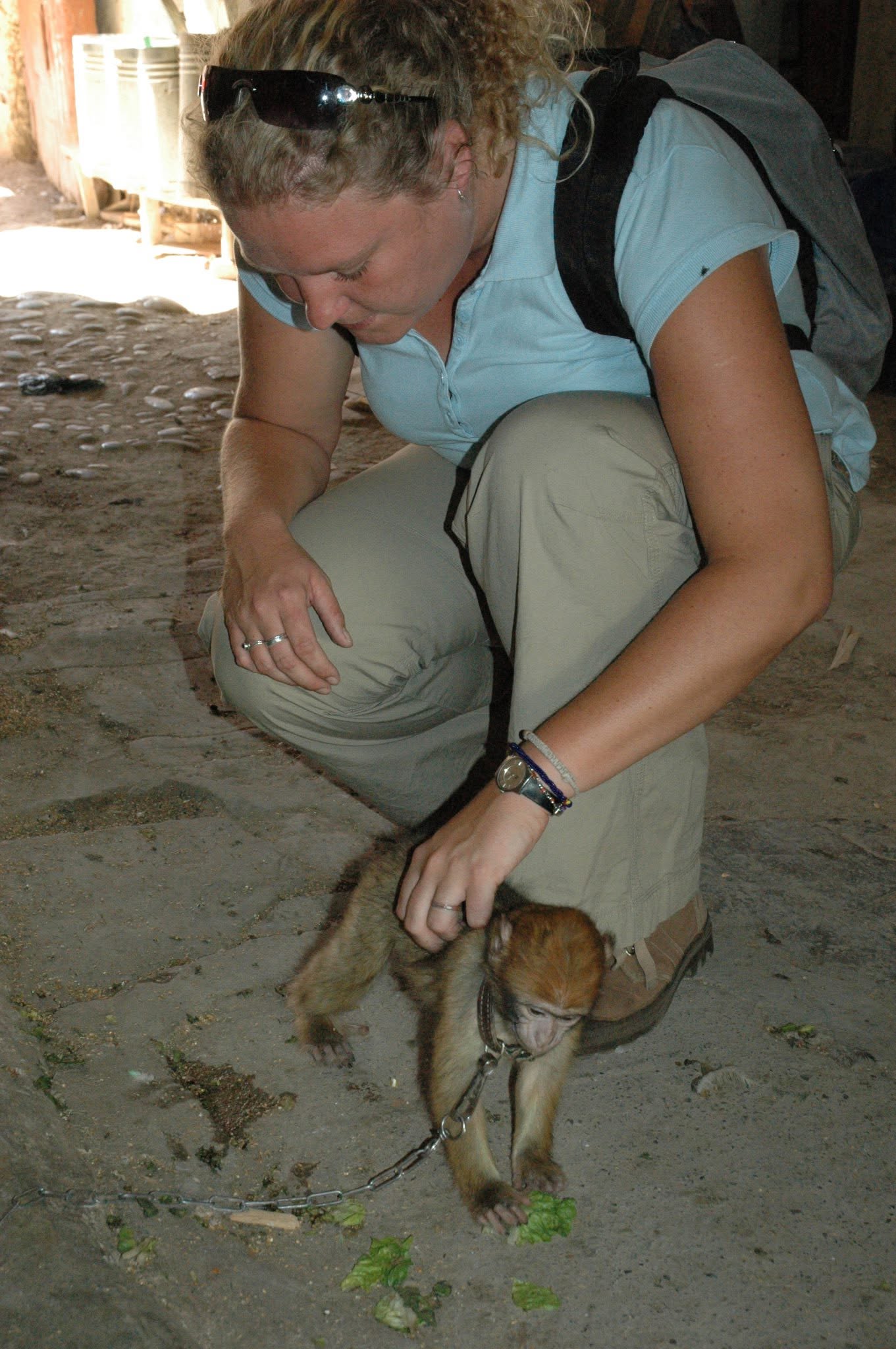
A pivotal moment came when I discovered the illegal trade of infant Barbary macaques (Macaca sylvanus) from Morocco into Europe. Seeing young monkeys taken from the wild, sold as pets and later abandoned deeply affected me. Instead of remaining in the Netherlands, I decided to move to Morocco and work directly on conservation efforts to address the problem at its source. I sold my house, left behind stability and committed myself fully to protecting Barbary macaques and supporting long-term conservation solutions.
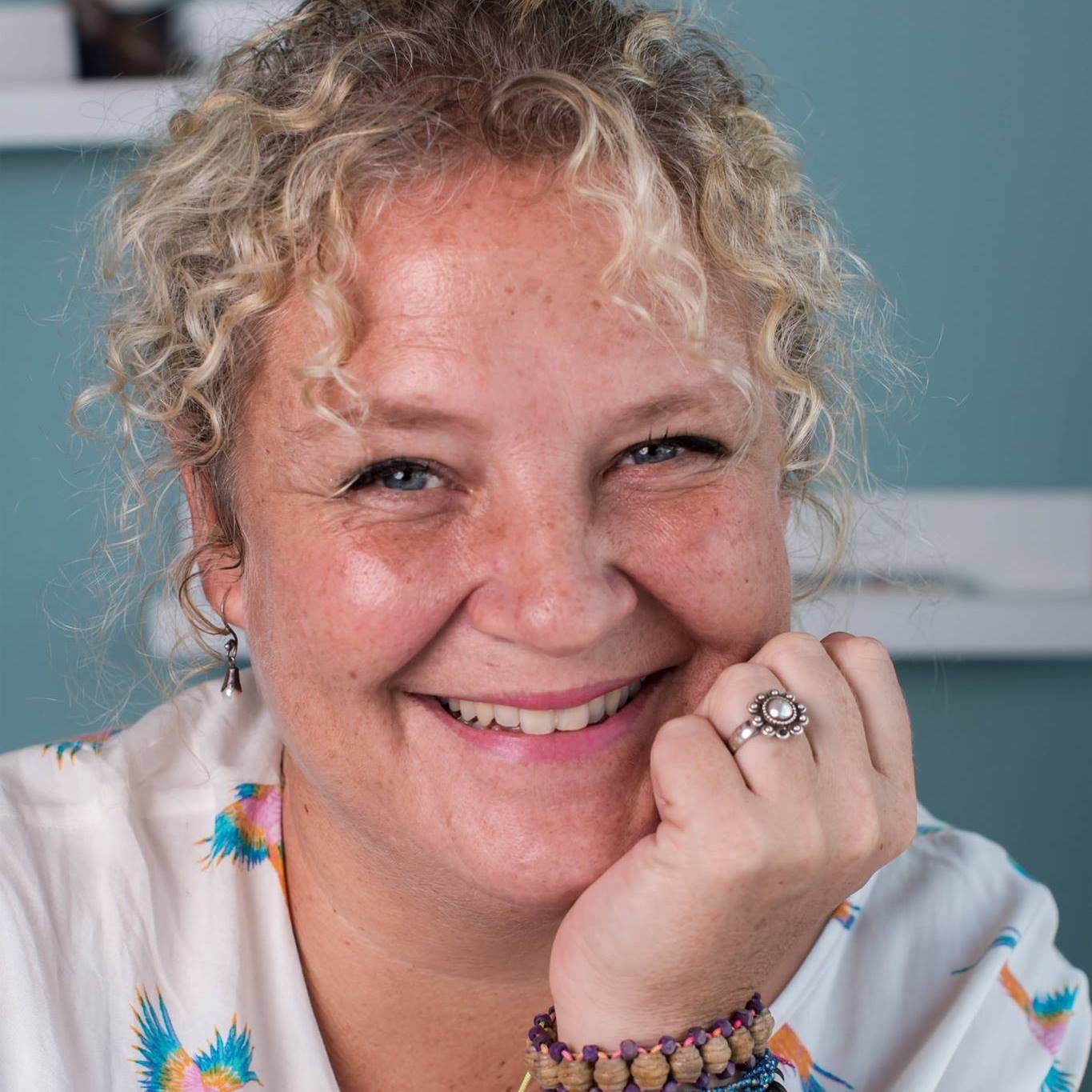
Working in Morocco brought challenges that extended far beyond science. As a solo woman working in remote field settings within a predominantly Muslim country, I had to learn how to navigate unfamiliar cultural and social realities. At first, I struggled with feelings of isolation and loneliness, but I soon realized that conservation is fundamentally about relationships. Building trust with local communities required cultural understanding, patience and respect. I invested time in learning local customs, communication styles and social expectations. Over time, these experiences helped me become more adaptable, culturally aware and resilient.
These lessons shaped the foundation of my conservation philosophy. While building the Moroccan Primate Conservation Foundation, I learned that effective wildlife conservation requires more than research alone. It involves working alongside communities, governments, local stakeholders and law enforcement to create meaningful and lasting change. Early in my career, a mentor advised me that conservation organizations must decide whether they will follow an activism-driven approach or focus on science, community engagement and evidence-based advocacy. That advice stayed with me and continues to guide my work today.
From Morocco to Suriname
My current research focuses on the conservation of the Guiana black spider monkey (Ateles paniscus) in Suriname. Through this work, I have become increasingly aware of the importance of integrating conservation science with Indigenous knowledge and local realities. In southern Suriname, I encountered situations where formal conservation approaches emphasizing strict protection did not fully align with the lived experiences of Indigenous communities and where subsistence hunting has long been part of cultural traditions and food security. Rather than approaching conservation through restriction alone, I shifted toward a more collaborative and community-centered approach. By listening to local perspectives and recognizing Indigenous ecological knowledge as complementary to scientific data, we were able to create dialogue and explore co-management strategies that support both conservation and local livelihoods.
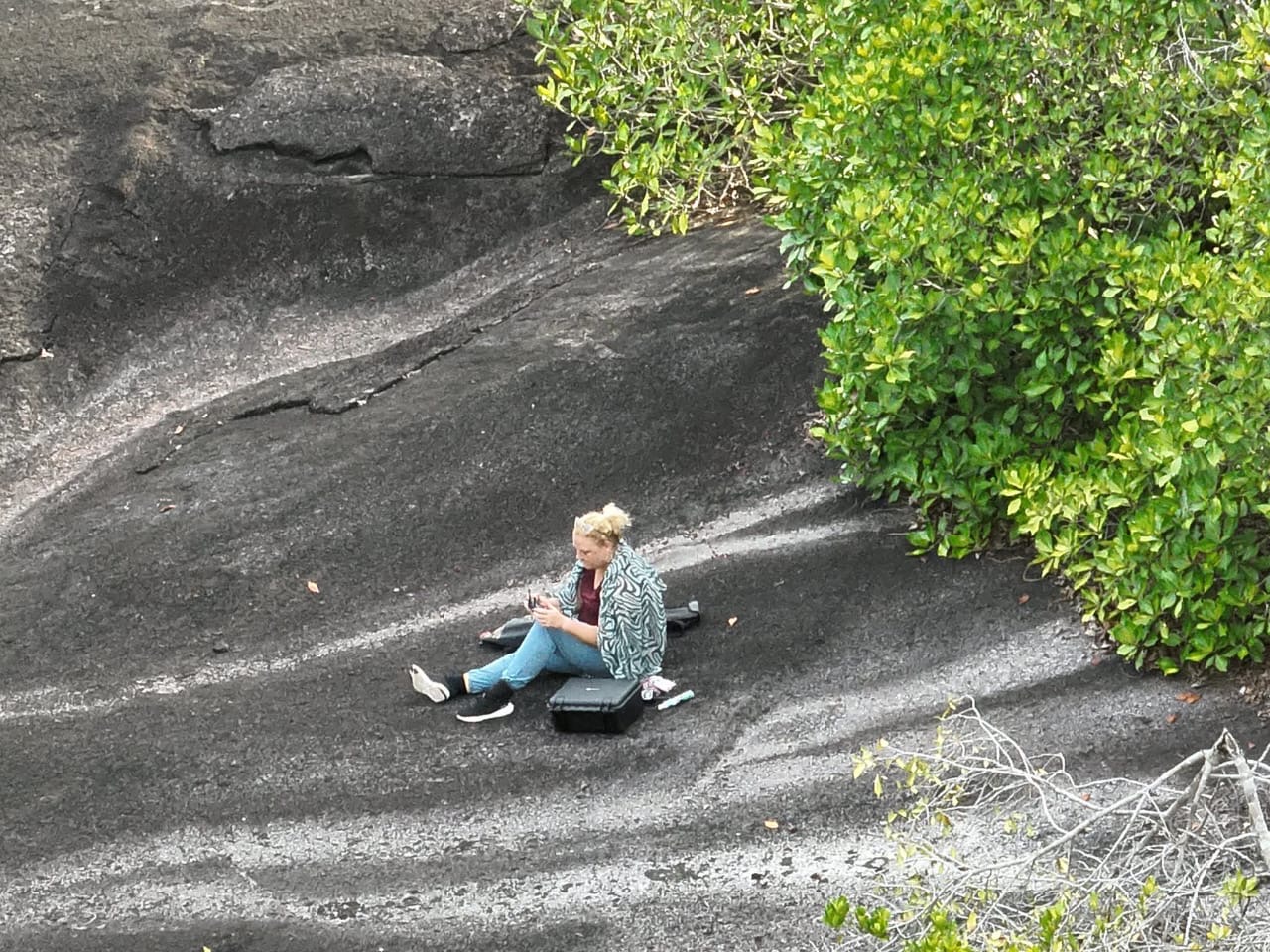
One of the most meaningful places connected to my current work is Voltzberg, a granite dome rising above the rainforest canopy within the Central Suriname Nature Reserve. Reaching the site requires hours of travel by road, boat and hiking through the jungle, but it remains one of the most extraordinary places I have ever worked. Hunting pressure there is extremely low, allowing wildlife, including spider monkeys, to behave naturally and remain relatively undisturbed by people. Conducting thermal drone surveys and observing spider monkeys in such an intact ecosystem has been an incredible experience. Standing atop Voltzberg and overlooking the endless rainforest canopy is both grounding and energizing, reminding me why I chose this path in the first place.
Throughout my career, I have learned that successful conservation depends not only on science, but also on empathy, collaboration and cultural understanding. Whether working in Morocco or Suriname, my goal has always been to protect wildlife while building relationships that empower communities to become long-term stewards of the landscapes they call home.
Wildlife Vocalizations is a collection of short personal perspectives from people in the field of wildlife sciences. Learn more about Wildlife Vocalizations, and read other contributions.
Submit your story for Wildlife Vocalizations or nominate your peers and colleagues to encourage them to share their story.
For questions, please contact tw*@******fe.org.
Article by Els van Lavieren