

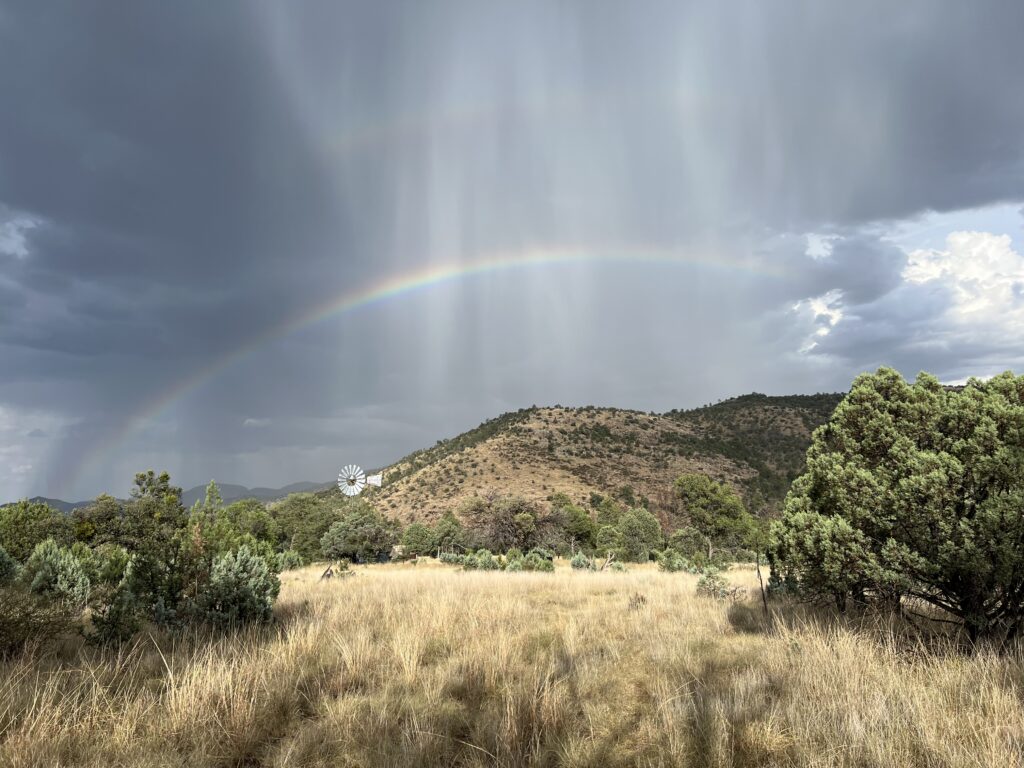
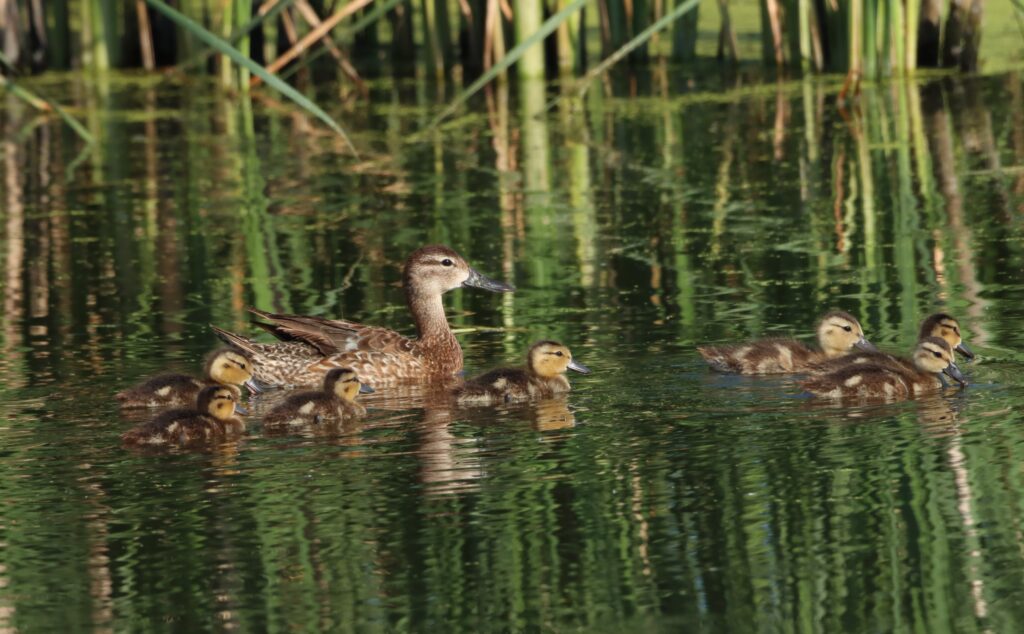
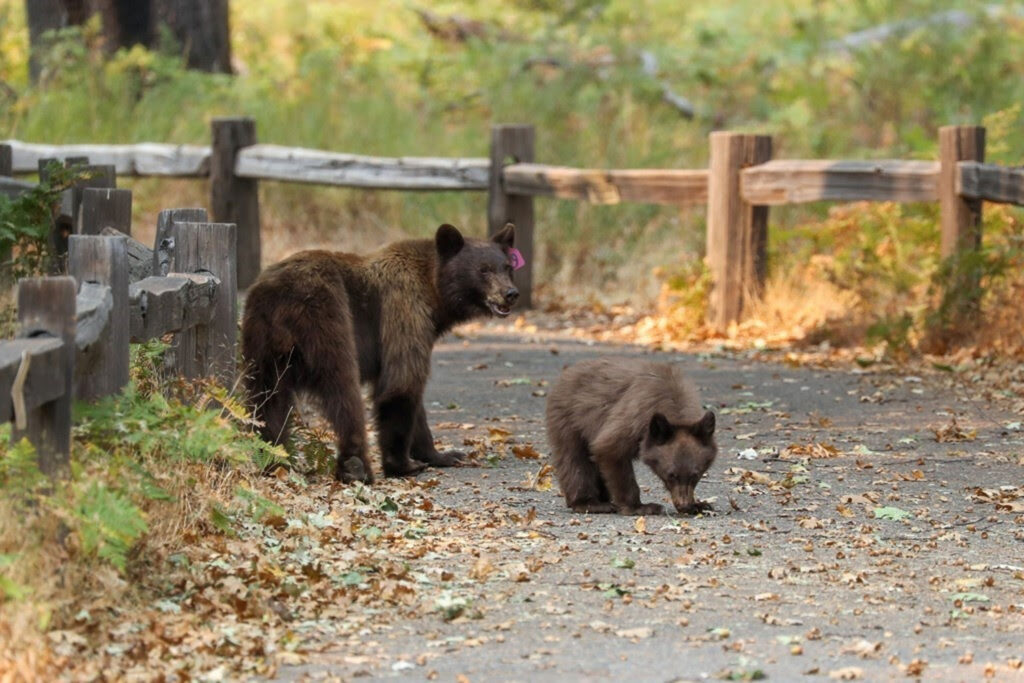
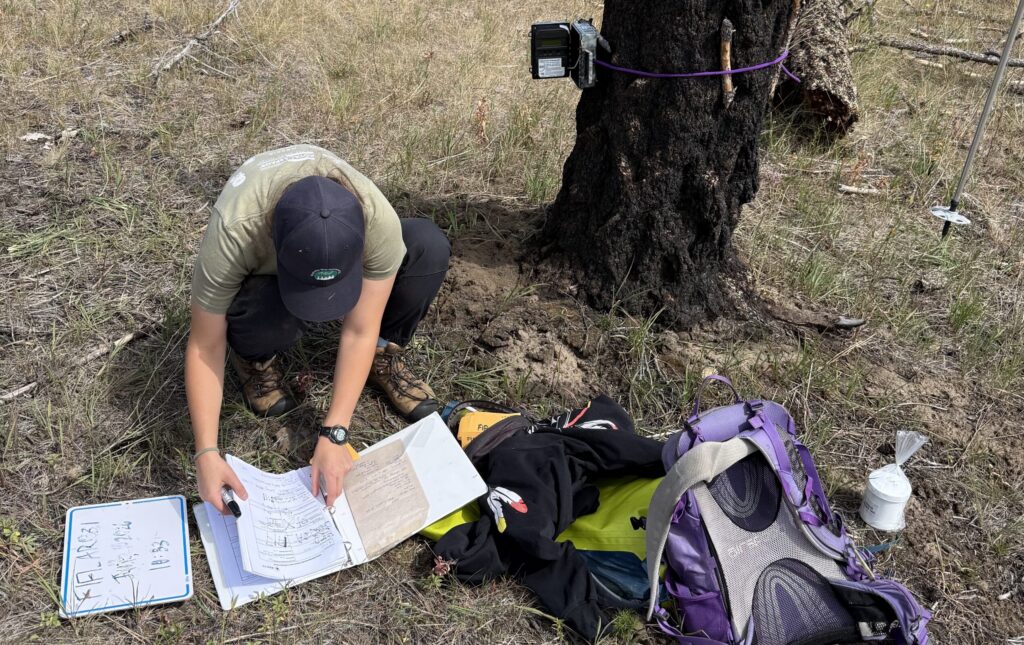
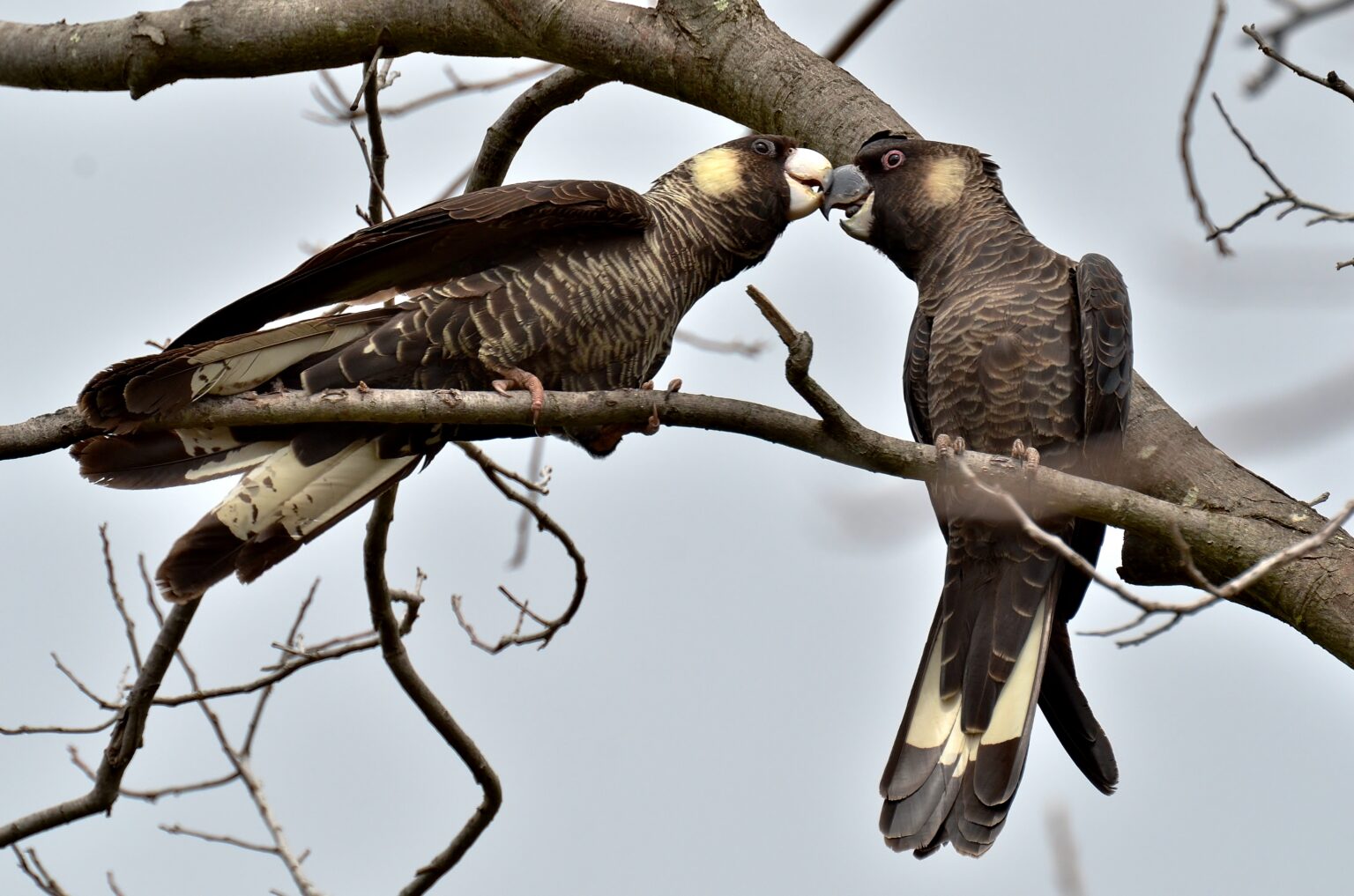
Extreme weather events can cause abrupt and widespread impacts to many species of plants and animals simultaneously. In a future with high emissions and limited global climate cooperation between countries, wildlife are expected to be impacted by more heatwaves, wildfires, droughts and floods. Researchers predicted changes in exposure to droughts, heatwaves, floods and wildfires for more than 30,000 terrestrial vertebrate species across the globe in a medium-high emissions scenario. Under this climate scenario, researchers found that in the midlatitude regions, 50% of habitats will be exposed to multiple extreme events like floods or wildfire by 2050. Although extreme events can be negative for some species, others find refuge in the aftermath. For example, species like the ornate chorus frog (Pseudacris ornate) are consumed less by predators during droughts, while Carnaby’s black cockatoo (Calyptorhynchus latirostris) experienced a 60% decline in Australia after an extreme heatwave. This study represents an important step in understanding how multiple extreme events may impact biodiversity in the future.