


High up in Hawaii’s canopies, honeycreepers are quietly stealing twigs from other birds’ nests. Researchers say that this behavior, known as kleptoparasitism, might hurt birds that are already struggling to survive.
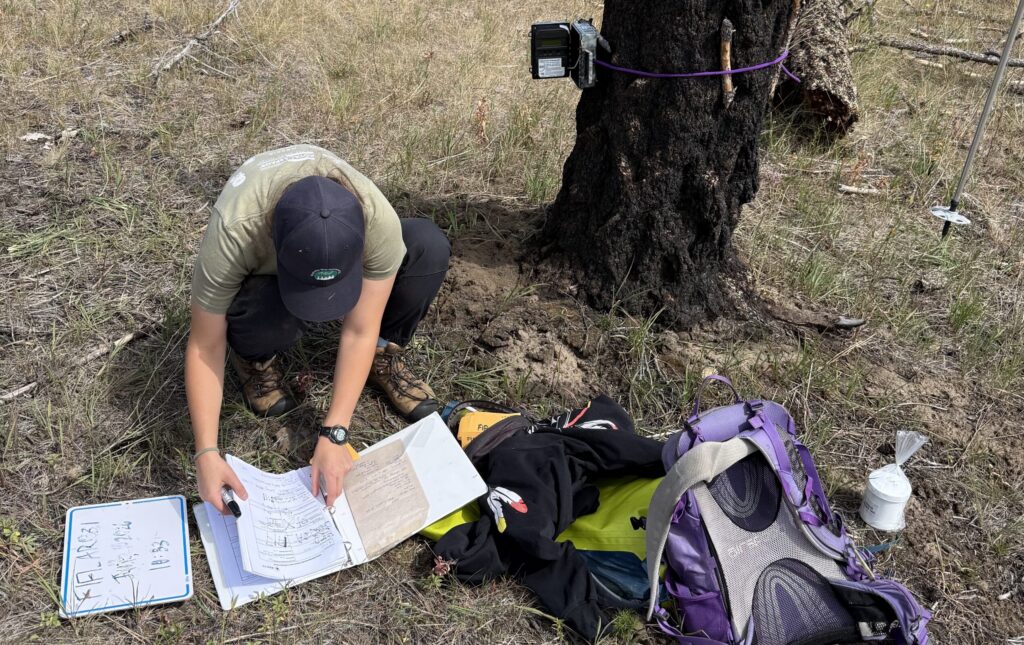
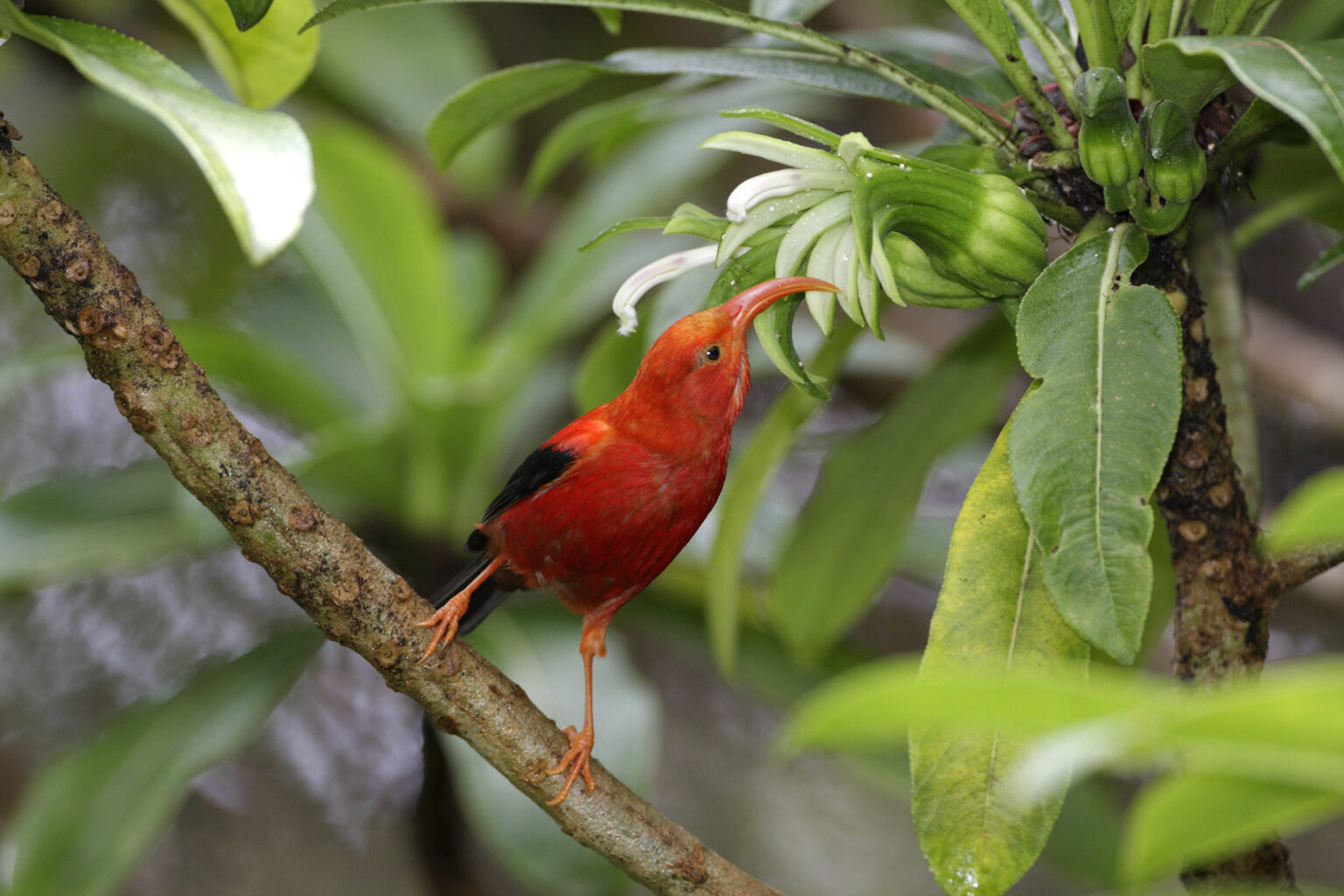
“People working in the field have seen this behavior for years, but it’s never been documented at this level,” said Erin Rankin, an entomologist at the University of California, Riverside. In a new study published in The American Naturalist, Rankin and her collaborators monitored more than 200 nests belonging to native canopy-nesting birds like the scarlet ‘i‘iwi (Vestiaria coccinea), the yellow-green Hawaii amakihi (Chlorodrepanis virens) and the crimson apapane (Himatione sanguinea).
They observed the crimson apapane as the species most likely to steal from their neighbors—as well as the species most likely to be stolen from—reflecting their abundance in the forest. The researchers also documented birds stealing from nests in their general elevation in the forest, which the researchers have called the “height overlap hypothesis.”
The majority of the nests had already been abandoned by the time they were plundered. But some, around 10%, were still active. In two out of the 39 cases of nesting material theft, about 5%, the nests ended up failing. “We saw instances where nests failed, either because the nest structure was compromised or because the parents were disturbed and left,” Rankin said.
While 5% doesn’t seem significant, Rankin said that these species are already under stress due to emerging threats like climate change and avian malaria.