
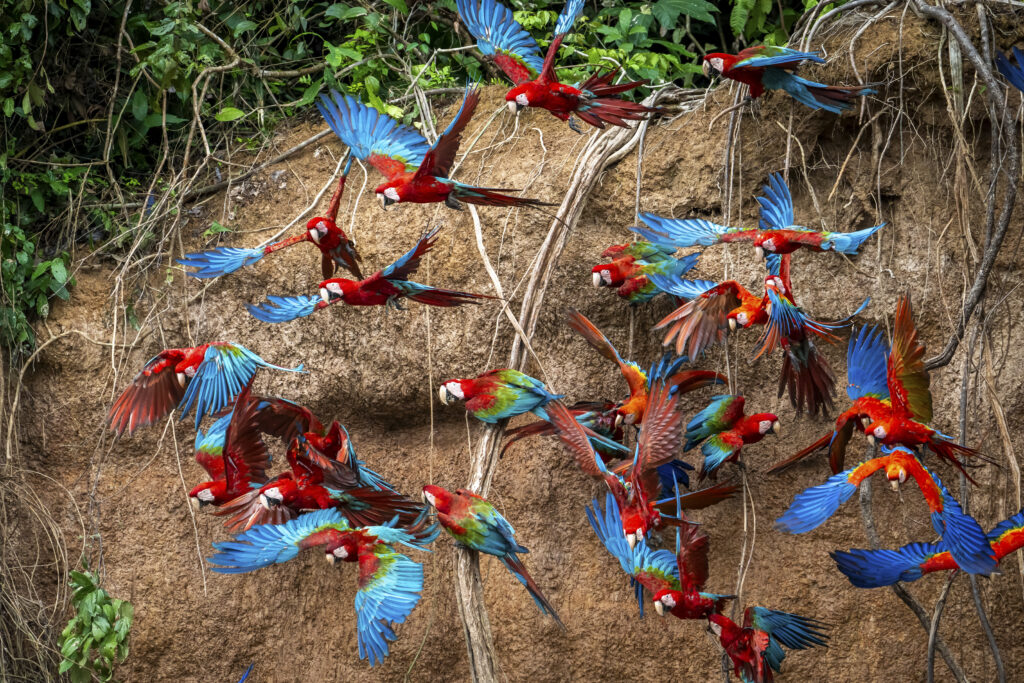

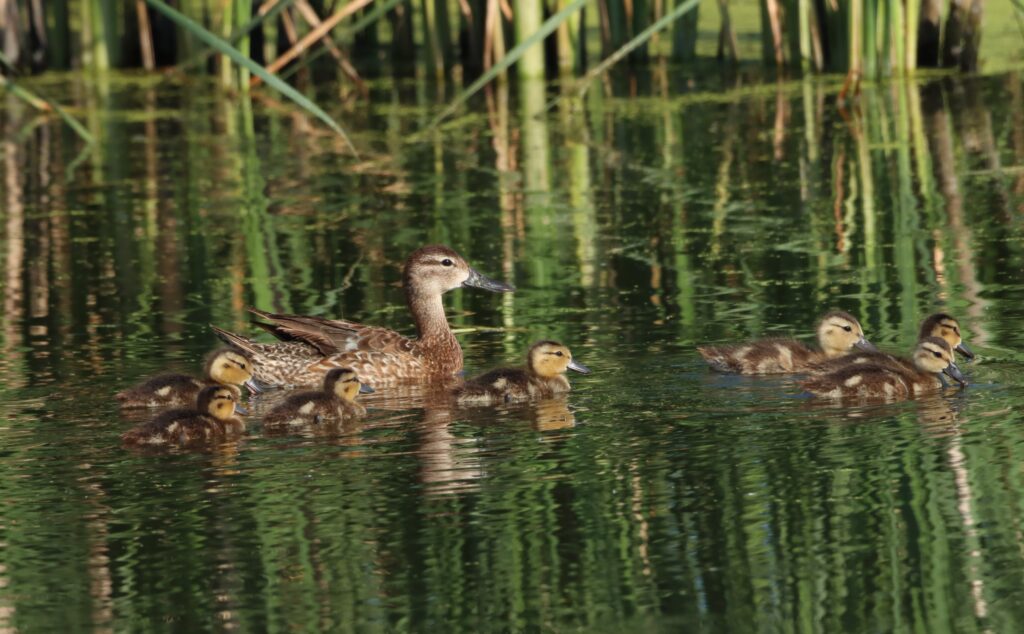
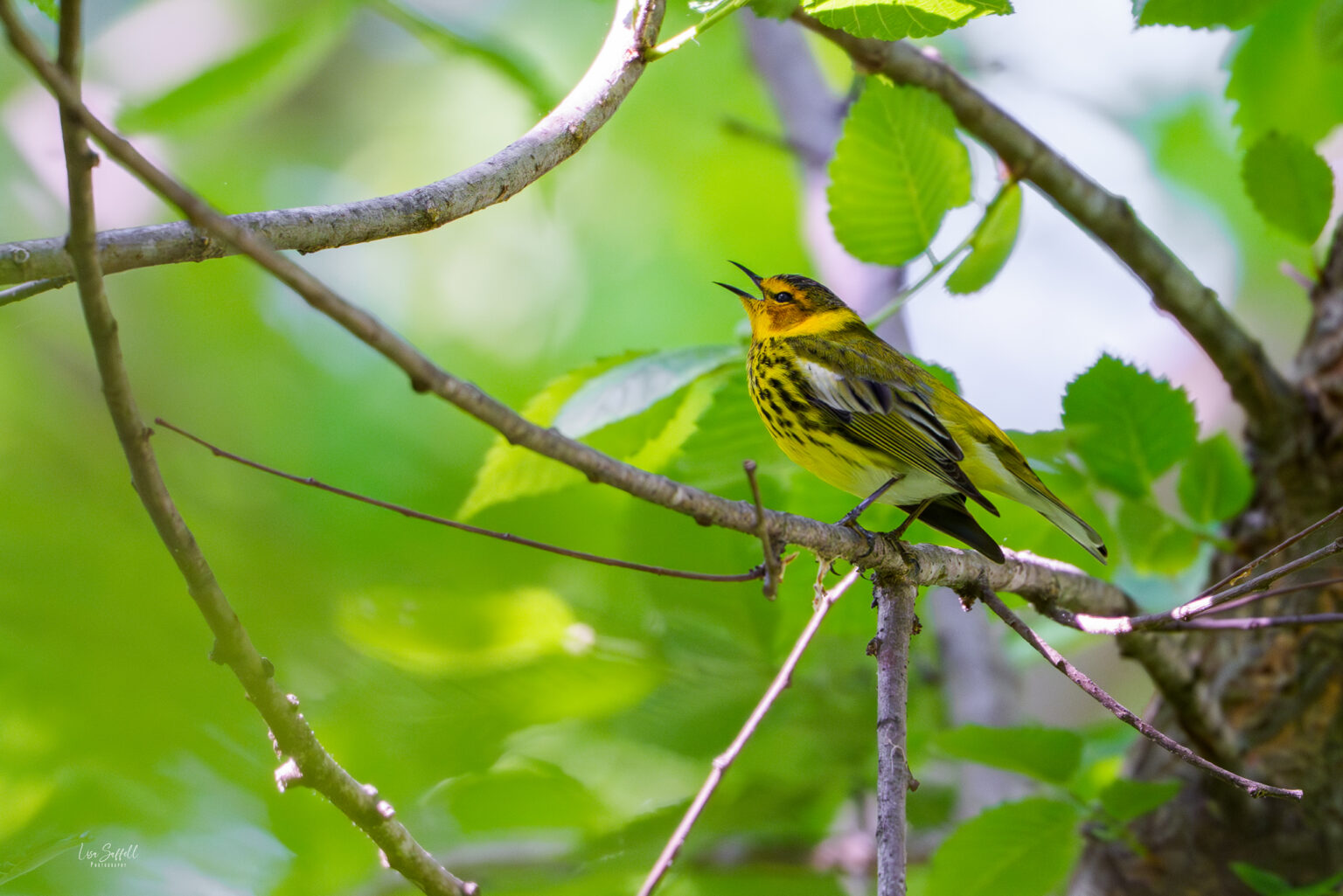
After decades of restoration, birds are once again thriving in a large urban park in St. Louis. Located in the city’s west and stretching more than 1,300 acres, the park is home to songbirds, raptors and waterfowl.
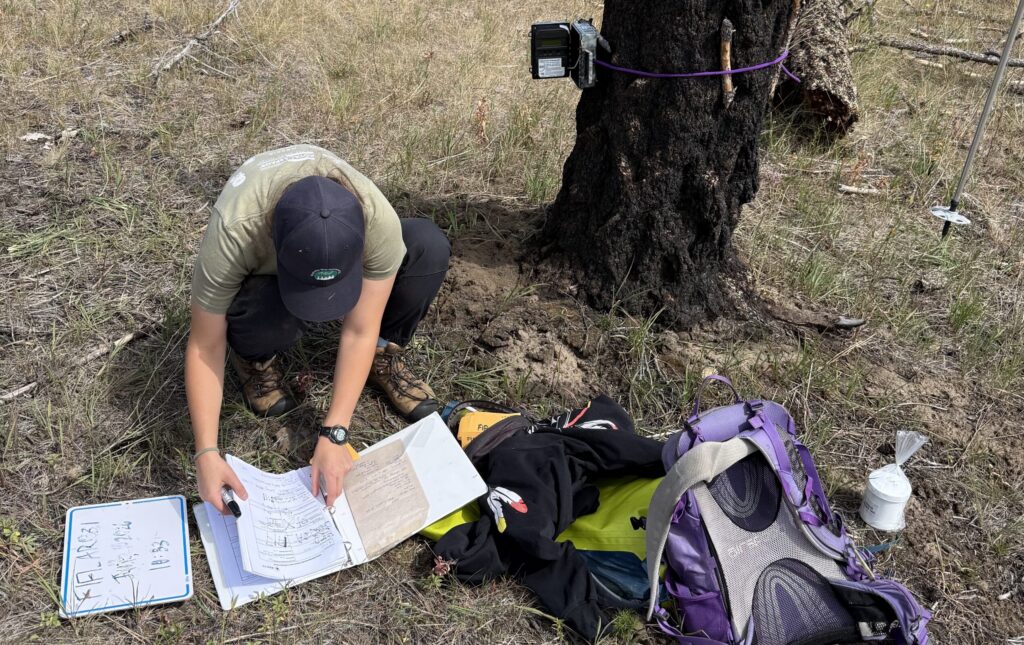
Land managers have used prescribed burns to keep invasive species in check and promote the growth of native plant species like goldenrod and asters that benefit native birds. To test the effectiveness of the restoration efforts, researchers conducted bird surveys in the late 1990s, mid-2000s, early 2010s and then again in 2023 and 2024. The authors of a study published in Ecological Applications compared the results across the decades and found that bird biodiversity is on the rise.
Lead author Stella Uiterwall, now a researcher at the Smithsonian Conservation Biology Institute, worked on the study during her time as a postdoctoral scholar at Washington University in St. Louis. She said that when considering bird biodiversity in urban areas, more isn’t always better. “In urban settings, we have a lot of non-native species that are coming from elsewhere in the world, and so when we see high biodiversity in urban areas, it might not necessarily be the biodiversity of species that we’re interested in protecting or conserving in that area,” she told St. Louis Public Radio.
However, she saw a merlin (Falco columbarius), a species of falcon she had never yet seen in St. Louis. “It was very exciting for me to see this bird in Forest Park in an area that had received restoration efforts,” she said.