


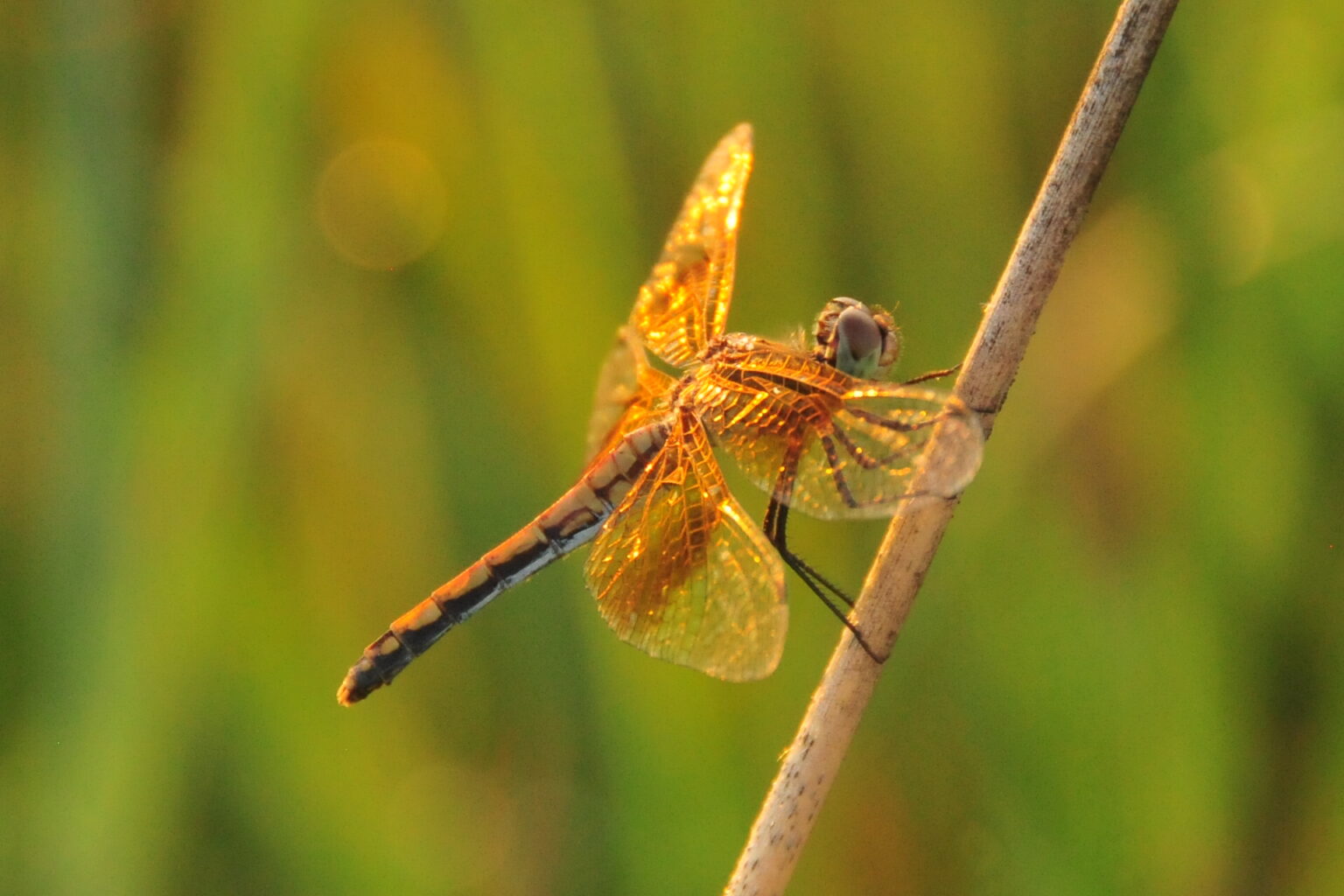
New research using dragonfly larvae has revealed that the great majority of national wildlife refuges in the U.S. have enough mercury to pose at least a moderate risk of impairment to wildlife, fish and humans.
Mercury exposure can cause devastating effects to animals, even in places visitors often think of as pristine and untouched. New research published in The Journal of Wildlife Management shows that 80% of the 30 refuges sampled across the contiguous U.S. for the study had at least one site with a moderate impairment risk.
“It gives you an idea of how pervasive this issue is across the refuge system,” said Jennifer Wilkening, a research ecologist for the National Wildlife Refuge System (NWRS) and coauthor on the study.
The metamorphosis of the Dragonfly Mercury Project
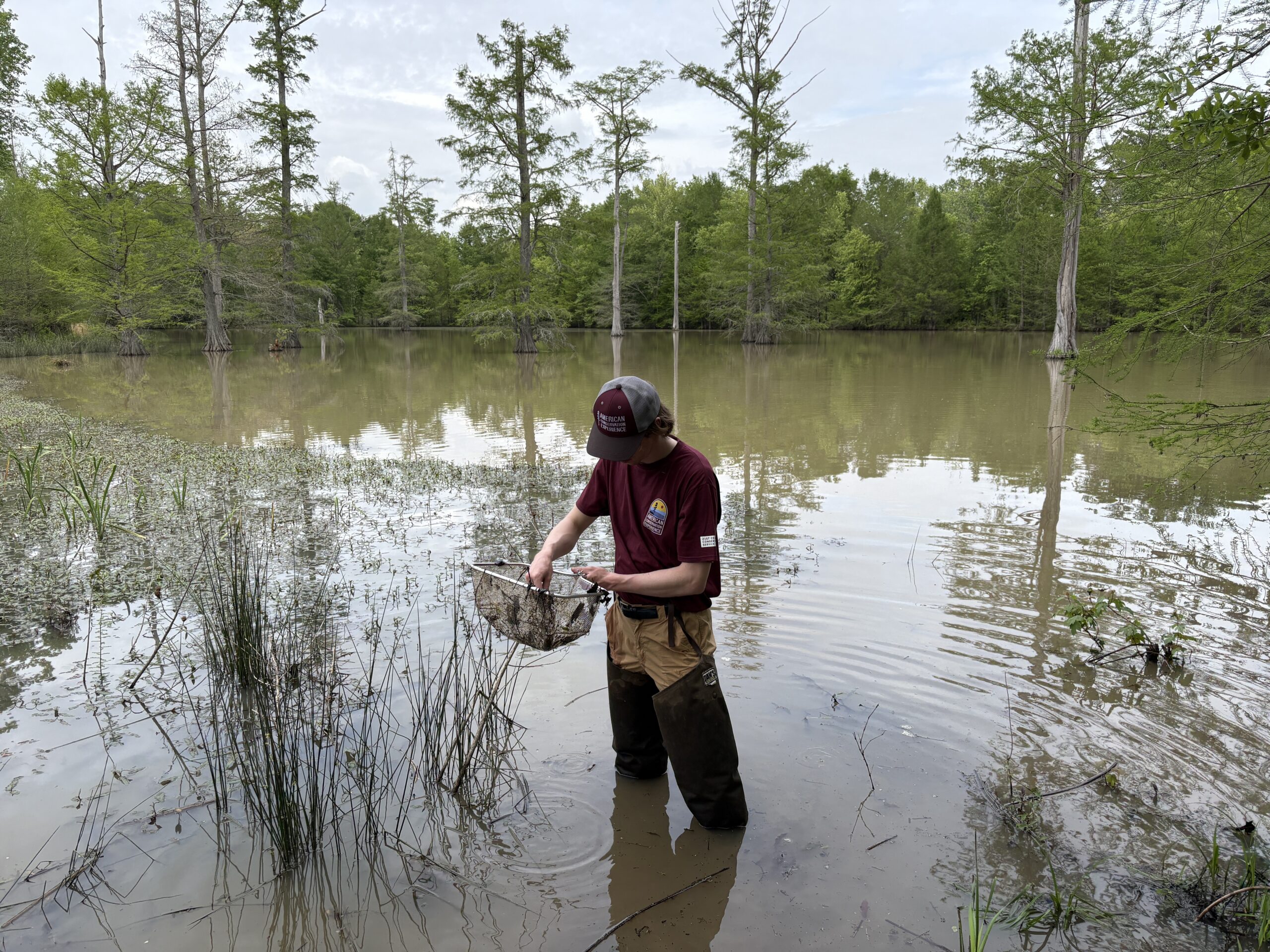
In 2013, the Dragonfly Mercury Project (DMP) started collecting the largest unified database of mercury in freshwater animals in the world, according to Sarah Nelson, the DMP’s founder, director of research at the Appalachian Mountain Club, and coauthor on the study.
Mercury has natural sources, like forest fires, which are on the rise as climate change brings hotter, drier conditions. Fossil fuel-burning smokestacks and small-scale gold mining also release the contaminant into the atmosphere. And the chemistry of what happens next is complicated. After mercury comes back down to the ground in rain, snow or even in dust particles, it makes its way into waterways. Through various processes, including microbial activity, mercury is converted into methylmercury, its more toxic cousin. Methylmercury can easily make its way into the cells of living things, climbing the food chain and getting more and more concentrated each time a predator eats contaminated prey.
In the early 2010s during her graduate work, Nelson was investigating why some water bodies had relatively higher mercury concentrations than others. She wanted to better understand how different watershed factors, like soil chemistry, fire history and leaf litter, influenced how much mercury entered the food web. “That’s been the big puzzle that mercury scientists have been working on for a long time,” she said. Her team sampled precipitation, stream water and soils, and compared their mercury levels to amphibians and fish. But Nelson said what she found in the water didn’t always reflect the levels of mercury moving throughout the food web and potentially affecting animals and humans.
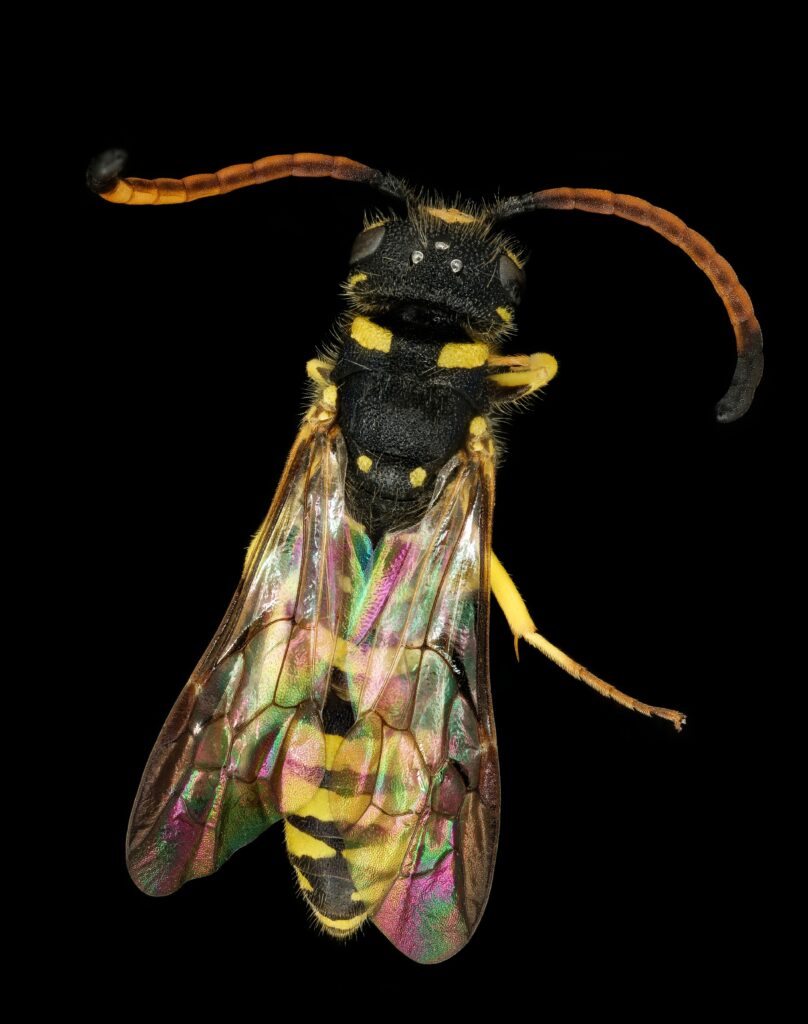
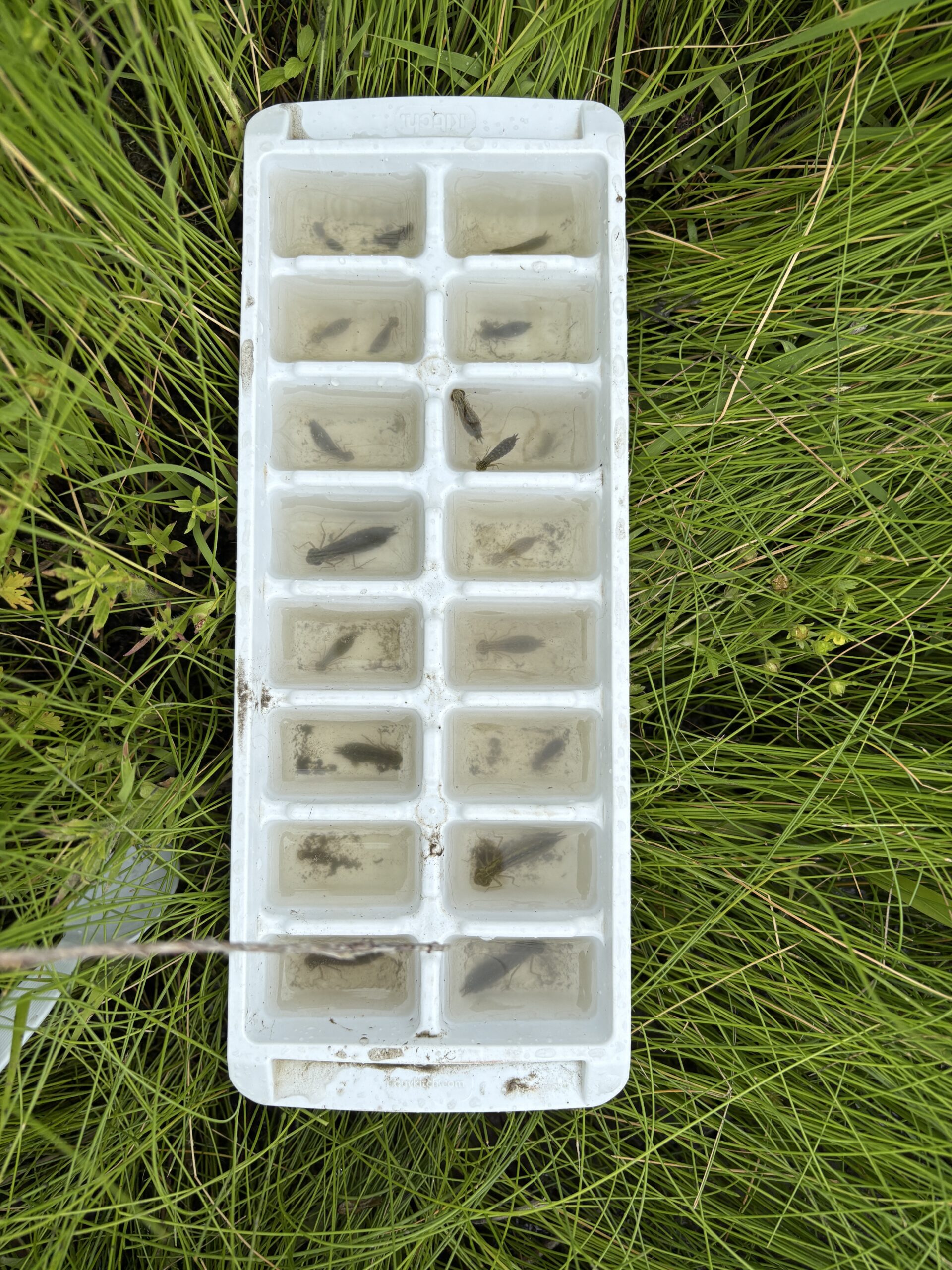
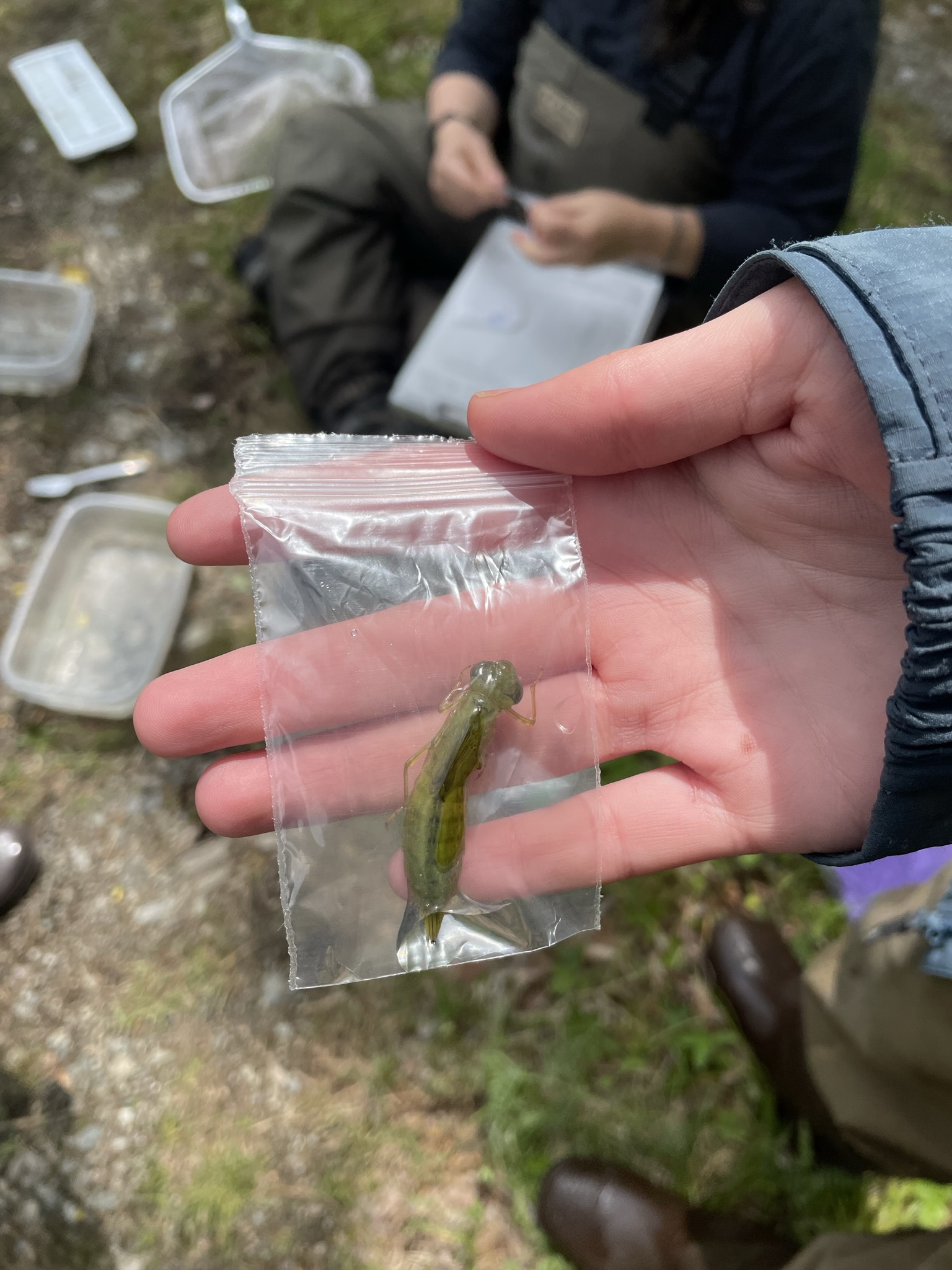
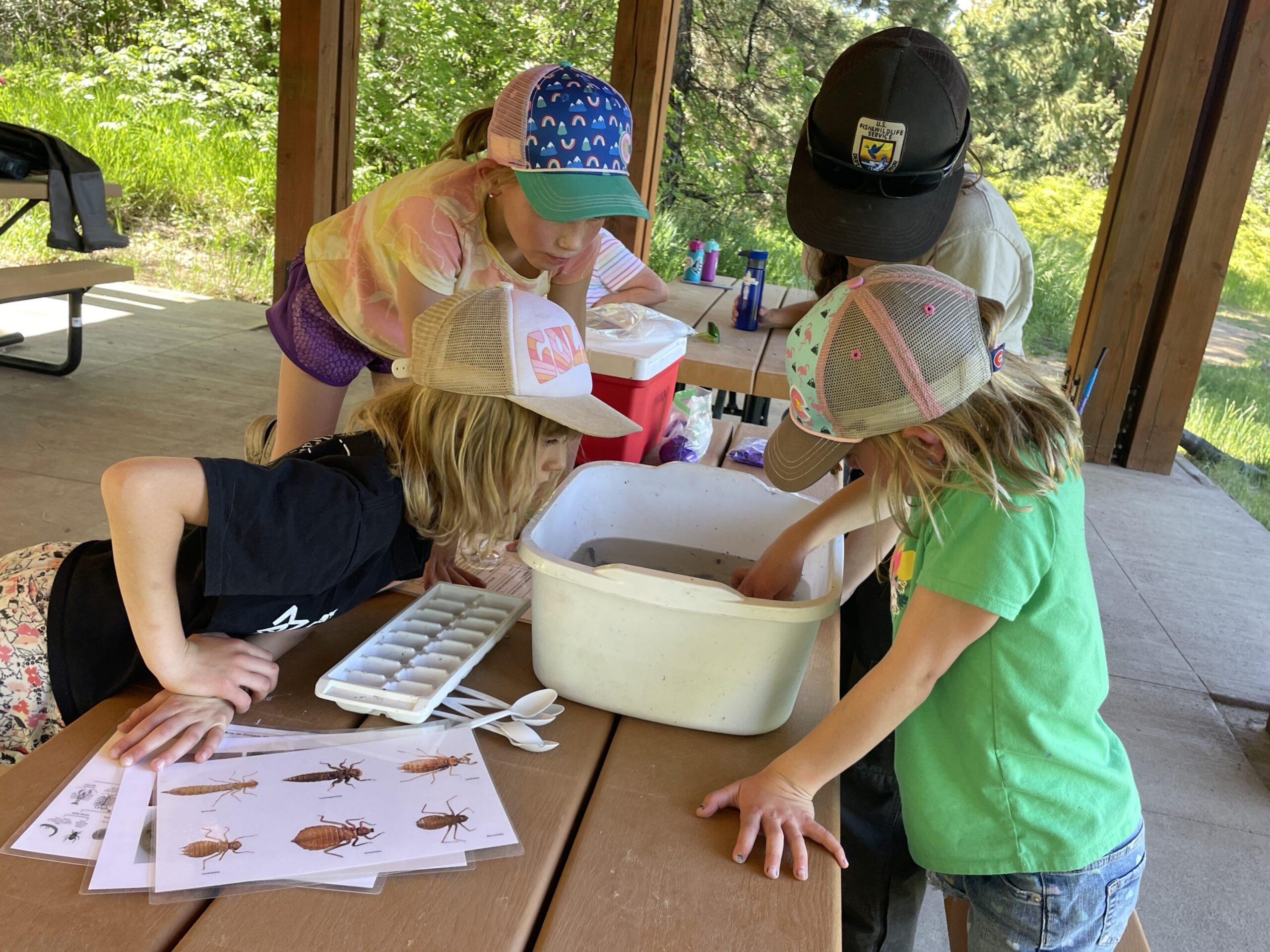
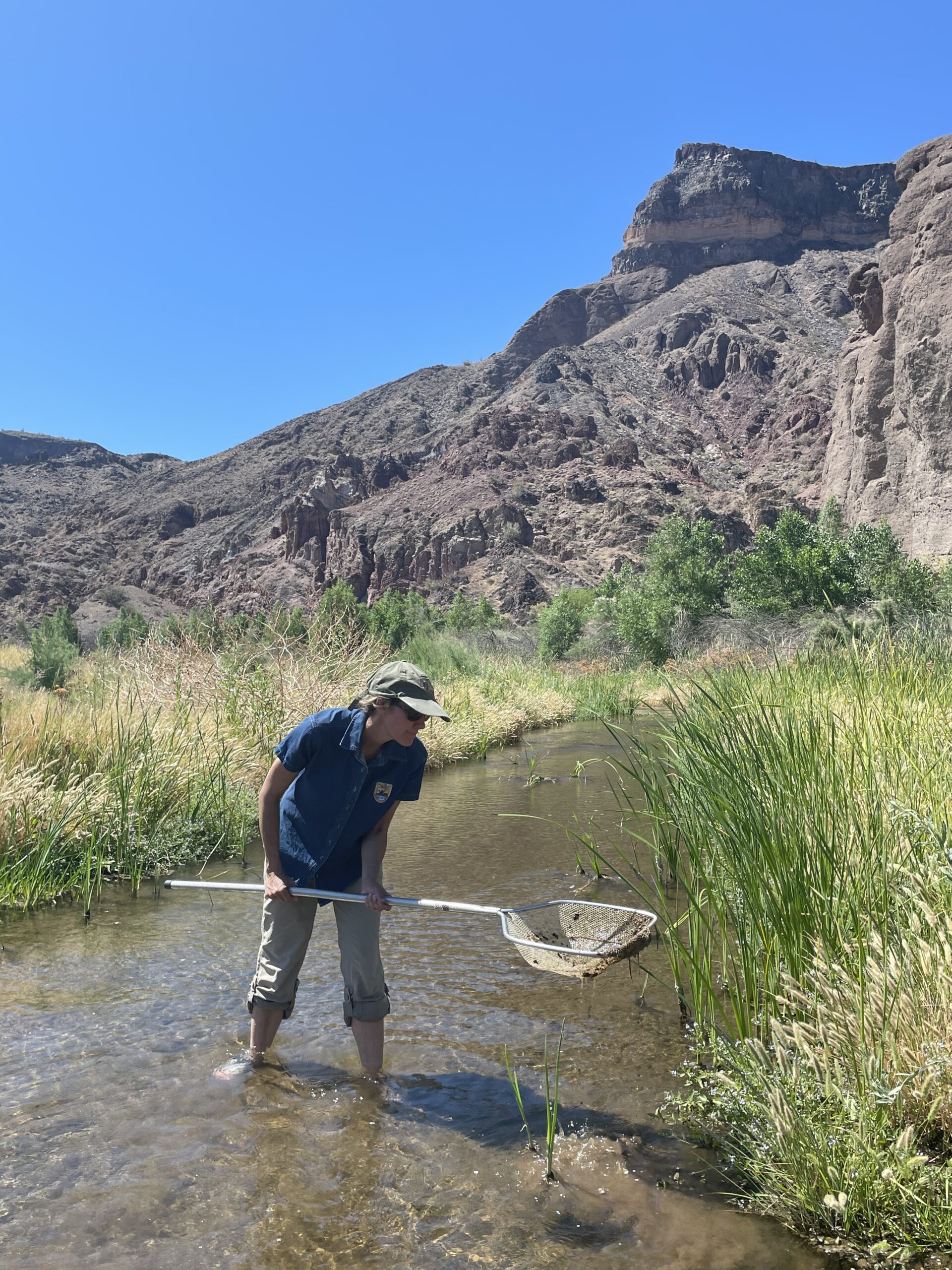
Dragonfly larvae, it turned out, were a better biosentinel—creatures whose bodies could help scientists trace how the chemical moved through the biosphere. Dragonfly larvae are easy to catch, and citizen scientists can quickly sample an area. Nelson found that the mercury levels in the dragonflies closely matched up with what they expected to find. “That was sort of the eureka moment,” she said.
Refuges for Mercury
The DMP picked up steam, enlisting the help of thousands of citizen scientists through partnerships with the National Park Service and U.S. Geological Survey (USGS). The most recent expansion of the project started in 2020 with the NWRS.
They found that 24 of the 30 refuges in the study had at least one site with a moderate risk of mercury impairment. Four refuges had at least one high-risk site and two had sites with severe impairment risk. There was also a drastic difference between the lowest and highest sites. The highest levels of mercury contamination were 1,000 times greater than the lowest samples. And this pattern almost exactly mirrored the contamination levels in national parks, which get way more visitors than refuges.
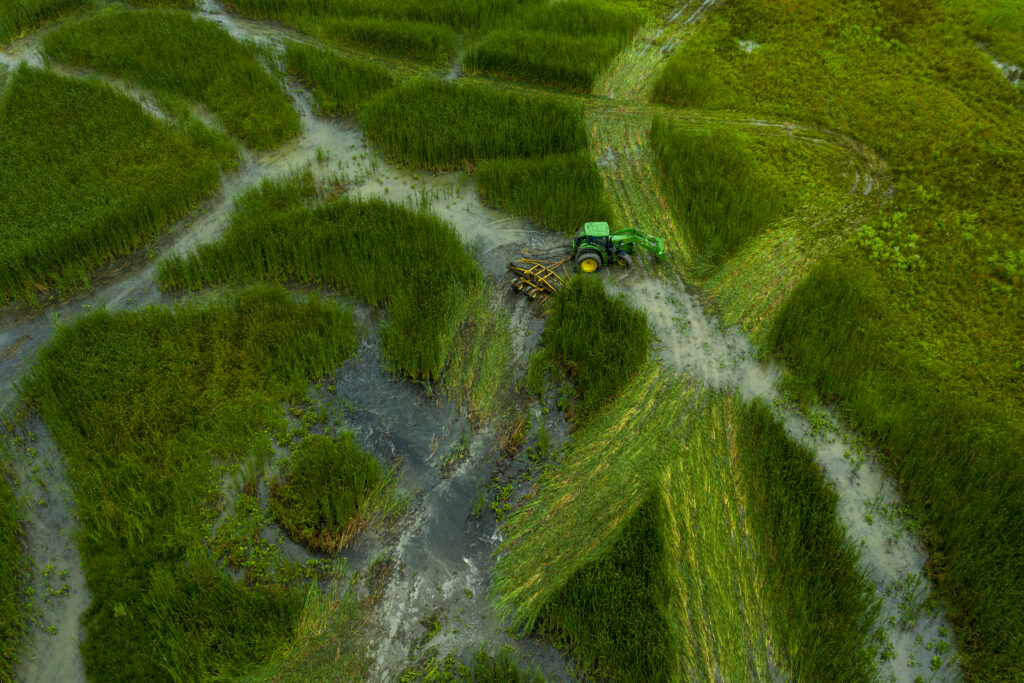
Wildlife refuges are unique in that managers are frequently flooding certain areas of refuges and drying out others, mainly to create nesting or feeding areas for waterfowl. But mercury also moves with all this water, and refuge biologists are paying attention. “Even though we’re providing food and habitat for these waterfowl species, if we’re inadvertently exposing them to high levels of mercury at the same time, that’s a situation you would want to avoid,” Wilkening said.
To Nelson, one of the major takeaways from the study is it reiterated, “just how variable the mercury concentrations can be from one water body to another,” she said. “That’s the same puzzle we’ve been working on for decades.”
The researchers also found that the mercury concentration across these sites can vary from year to year. For example, there were high levels of mercury at a refuge in New Mexico that earned the “severe” rating. But in the following years, the dragonfly larvae didn’t yield another severe rating.
Atmospheric mercury levels have declined in recent decades due to global agreements, such as the Minamata Convention on Mercury, which is a legally binding global treaty limiting mercury pollution that went into effect in 2017. Even though the global community has taken some recent steps to control mercury pollution, the contaminant can stay in the environment for a long time.
But Wilkening said her study is useful for thinking about what management strategies might help mitigate the higher mercury levels across the system. If managers have the right infrastructure and amount of water, they could adjust water levels and flow, for example.
In the future, she wants to investigate the impact mercury concentration is having on wildlife population performance on the refuges and how different water management tactics might influence mercury methylation.
Article by Olivia Milloway