




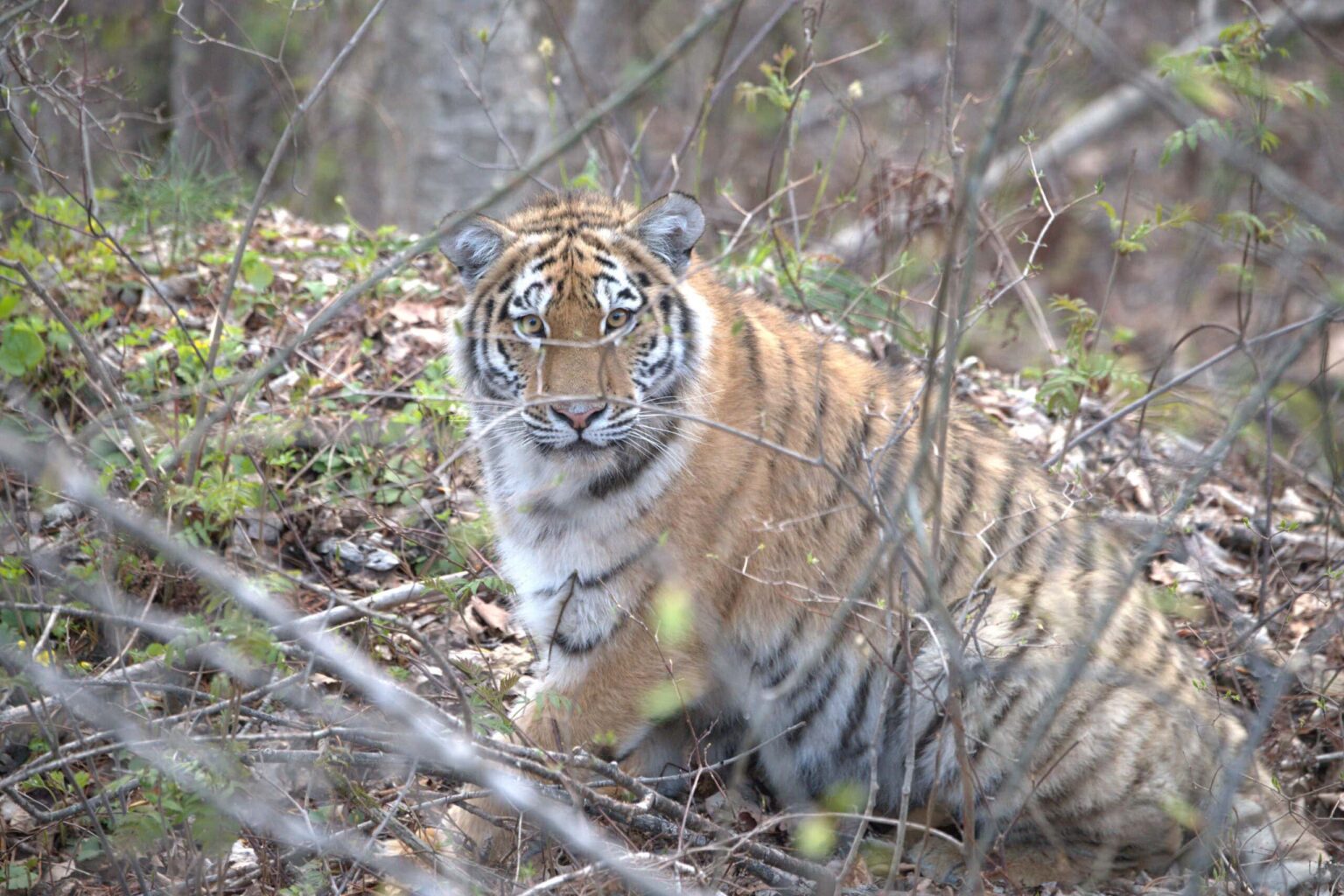
An epidemic of deadly African swine fever is driving an increase in conflict between Siberian tigers and humans as the predators become desperate for alternative food sources in Russia’s Far East.
“The main problem was the lack of prey,” said Aleksey Oleynikov, a researcher at the Institute of Zoology in Kazakhstan.
Historically, Siberian tigers (Panthera tigris altaica)—also known as Amur tigers after a river in the region—occurred all the way into the Korean Peninsula. But today their distribution is limited to a fraction of their former distribution in Northeast Asia. Siberian tigers typically prey on wild boars (Sus scrofa), roe deer (Capreolus Pygargus) and red deer (Cervus canadensis).
But in 2019, African swine fever, a virus infecting both wild and domestic pigs, hit the southern Russian Far East. The disease had devastating effects there, knocking the wild boar population down by 90-95%.
In a study published recently in the Journal of Wildlife Management, Oleynikov and his colleagues tracked the impact that the drop in prey has had on tiger populations and the humans who live in the area.
Lack of independent research on tigers
Beginning the research was not easy due to a lack of funds for independent research. Russian president Vladimir Putin called a world conference to conserve tigers in 2010, and Oleynikov said the government now supports anti-poaching programs and publishes advertising supporting tiger conservation. But he also said that funding for wildlife research and conservation for the big cats hasn’t been forthcoming.
“In Russia, it’s pretty difficult to work with tigers—we don’t have enough national support,” Oleynikov said. “Our work is built on enthusiasm, unfortunately.”
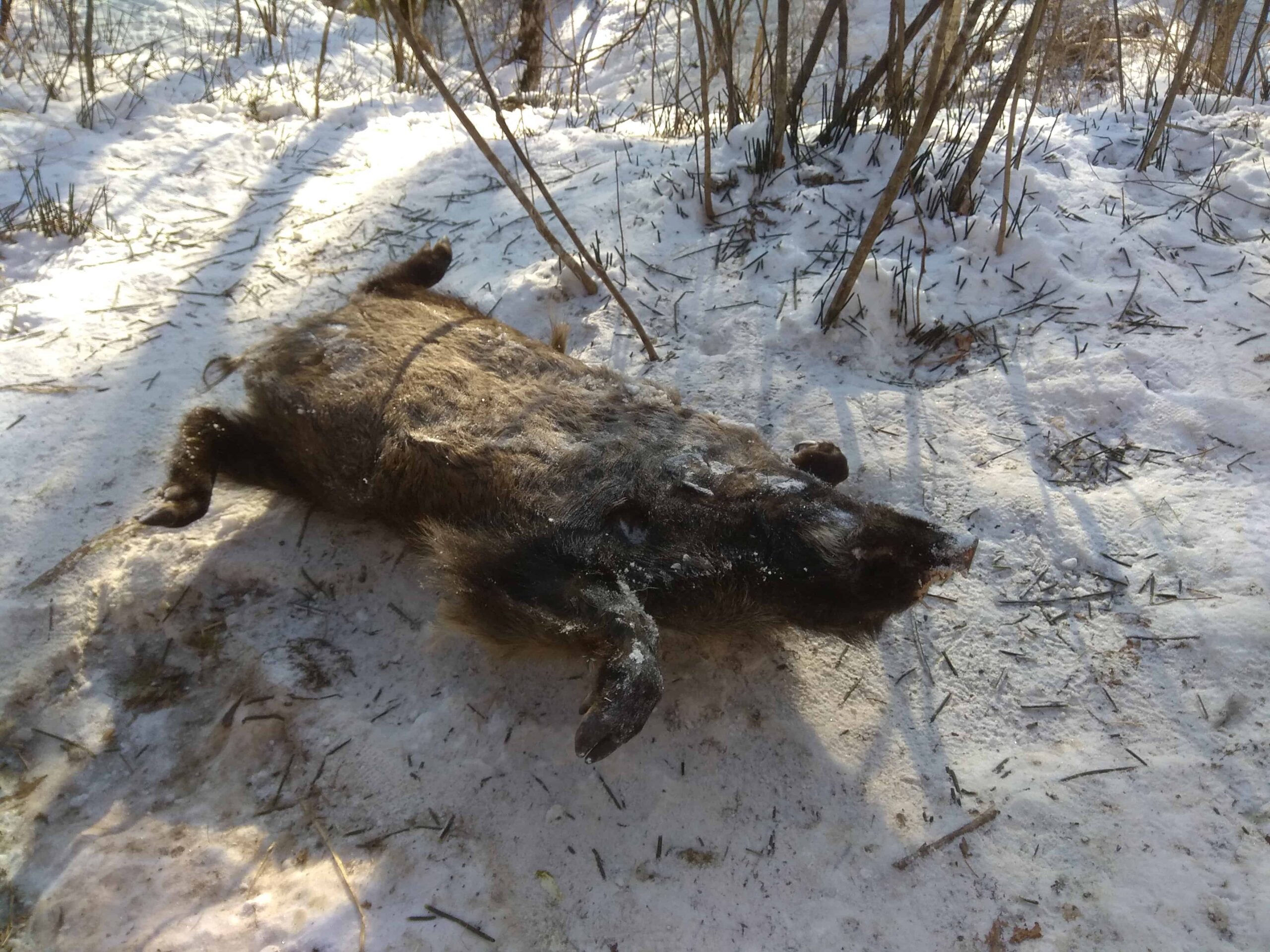
This means that tracking tiger numbers is difficult—any indication about a decline in the species may be controversial as it would contradict the official public messaging. But wild boar have dropped substantially since 2019—Russian government estimates report a 70% decline in the Russian Far East. Oleynikov and the work of other researchers suggest that this decline may be even higher, in the 90-95% range.
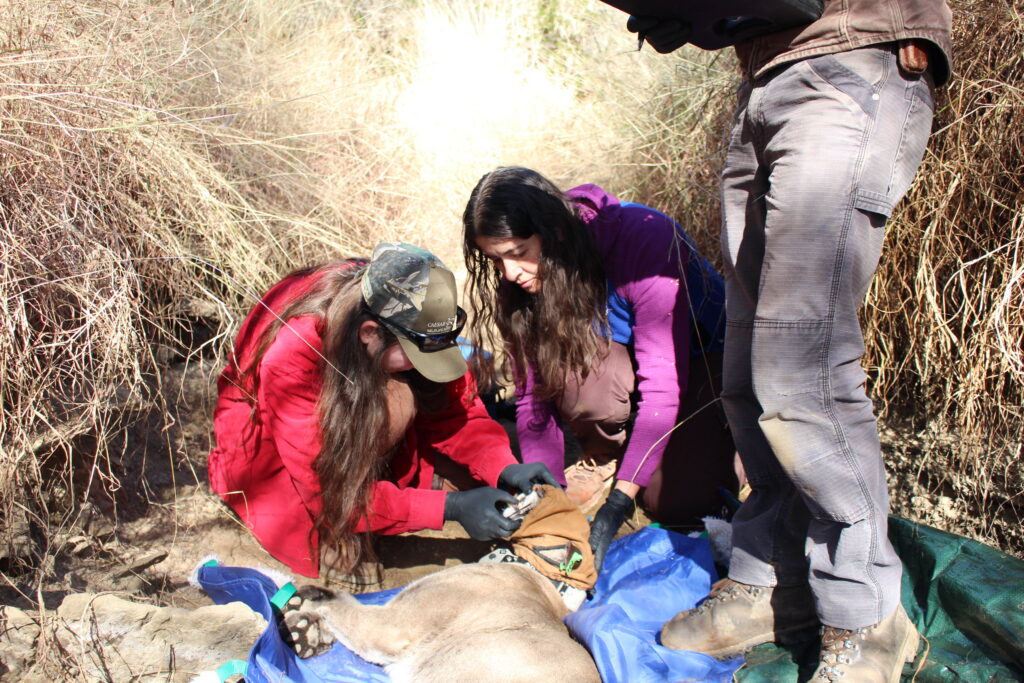
Oleynikov and his team tracked tiger activity at two sites in Khabarovsk Krai, as well as surveyed tiger tracks in the region. Using the cameras, they analyzed the body condition of animals.
Their work showed it’s likely that tigers have felt the pinch on a major food source. “According to official estimates, tiger numbers have increased despite all challenges; however, our expert assessment indicates that following the [African swine fever] outbreak, the population has declined,” Oleynikov said.
Body analysis also revealed a number of emaciated tigers or tigers in otherwise bad condition after the arrival of African swine fever. This is particularly detrimental for female tigers, Oleynikov said, as those in poor body condition are less likely to have cubs or to successfully raise the cubs they do have.
“They can’t breed like before,” he said. “We find that many cubs died because females couldn’t give them enough milk or enough food.”
An increase in tiger conflict
Oleynikov and his colleagues also compiled a dataset of conflicts between Siberian tigers and humans before and after the swine fever struck the area. This analysis revealed that conflict increased more than 11-fold after African swine fever hit the area.
For the 10 years before 2019, for example, there were only about 20 incidences of conflict per year—usually tiger attacks on dogs or other domestic animals, as well as some incursions into settlements or attacks on humans or people. But in the past three years, Oleynikov said, there have been 100 to 250 incidents per year just in the Russian Far East.
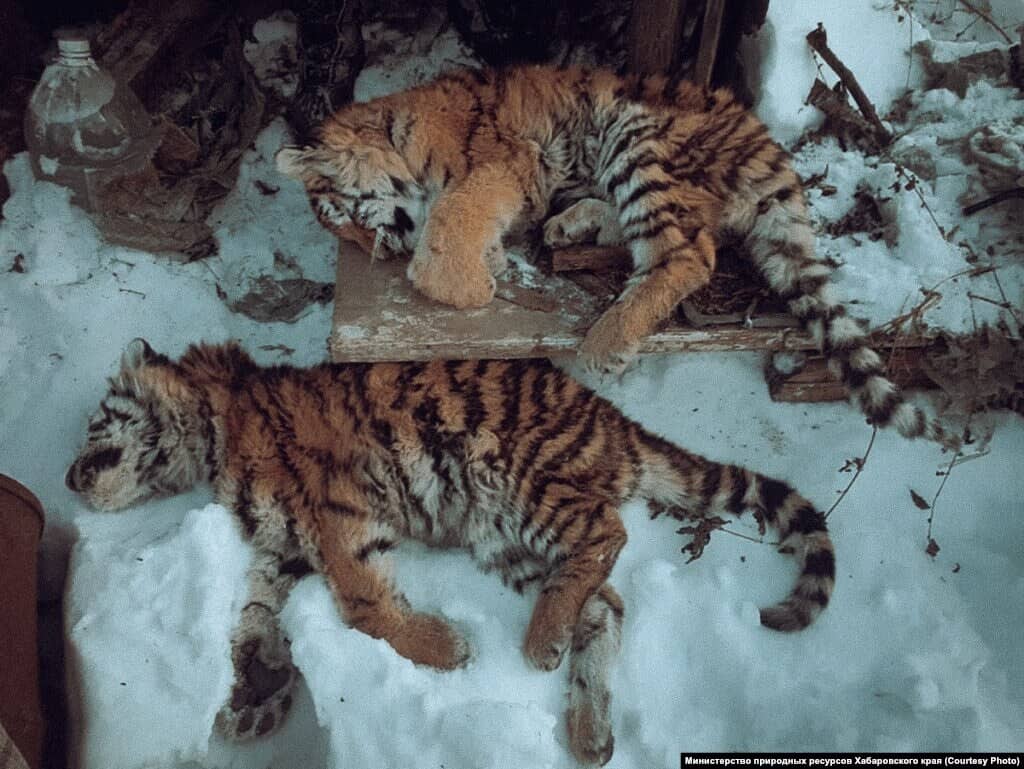
The tigers didn’t fare well in many of these cases—the researchers found that tiger deaths due to conflict, or tiger removal due to conflict, increased 3.3-fold after the arrival of African swine fever in the region.
Oleynikov believes a couple of factors caused this increase in conflict.
Tiger poaching was a problem in the area during the 1990s, but Oleynikov said this has died down a lot in recent years. However, poachers still hunt deer, decreasing the prey available for tigers and forcing the big cats to feed more heavily on boars.
Since boars don’t hibernate in the winter like some of their other prey, such as badgers (Meles leucurus), raccoon dogs (Nyctereutes procyonoides) and bears (Ursus spp.), tigers usually relied more heavily on boars for food during the colder months. But since the disease has decimated boar populations, tigers don’t have as much to eat in the winter.
Between the deer poaching and the swine fever killing boars, “this situation is worse and worse” for tigers, Oleynikov said.

Hungry tigers with limited wild prey translates to problems for people. Oleynikov said that researchers are finding the predators more often along roads or near settlements, likely as they search for food unavailable in the wild.
Tigers are also preying more often on free-ranging dogs, which are found close to the settlements and are either feral or fed and “owned” to some degree by humans in the area. They then sometimes prey on guard dogs, which are kept in household yards but aren’t very easy for tigers to distinguish from non-pets. This, in turn, creates conflict with villagers.
But some of these causes are just speculation. Oleynikov said that further research is necessary to learn more about the problems affecting Siberian tigers in the Russian Far East.
This article features research that was published in a TWS peer-reviewed journal. Individual online access to all TWS journal articles is a benefit of membership. Join TWS now to read the latest in wildlife research.
Article by Joshua Rapp Learn