

The Wildlife Society has entered into a new collaborative three-year pilot program with the University of Wisconsin-Stevens Point to streamline TWS certification and strengthen the community of wildlife professionals working to advance conservation.
As The Wildlife Society’s Wildlife Biologist Certification Program enters its 50th year, we are aiming to enhance the value that it provides our members while building a stronger community of qualified wildlife professionals. While TWS has occasionally modified guidelines for certification over the years, the program has remained largely unchanged in decades.
TWS’ certification program was launched in 1977 as a result of member demand for a unique set of standards that would elevate professionalism in the wildlife field. The 1975 Wildlife Society Bulletin article that proposed the program states, “A specific concern has been the need to better define and publicize a level of training and experience necessary for professional stewardship of the wildlife resource.” In recognition of this need, TWS established the certification program, which is the program we still have today.
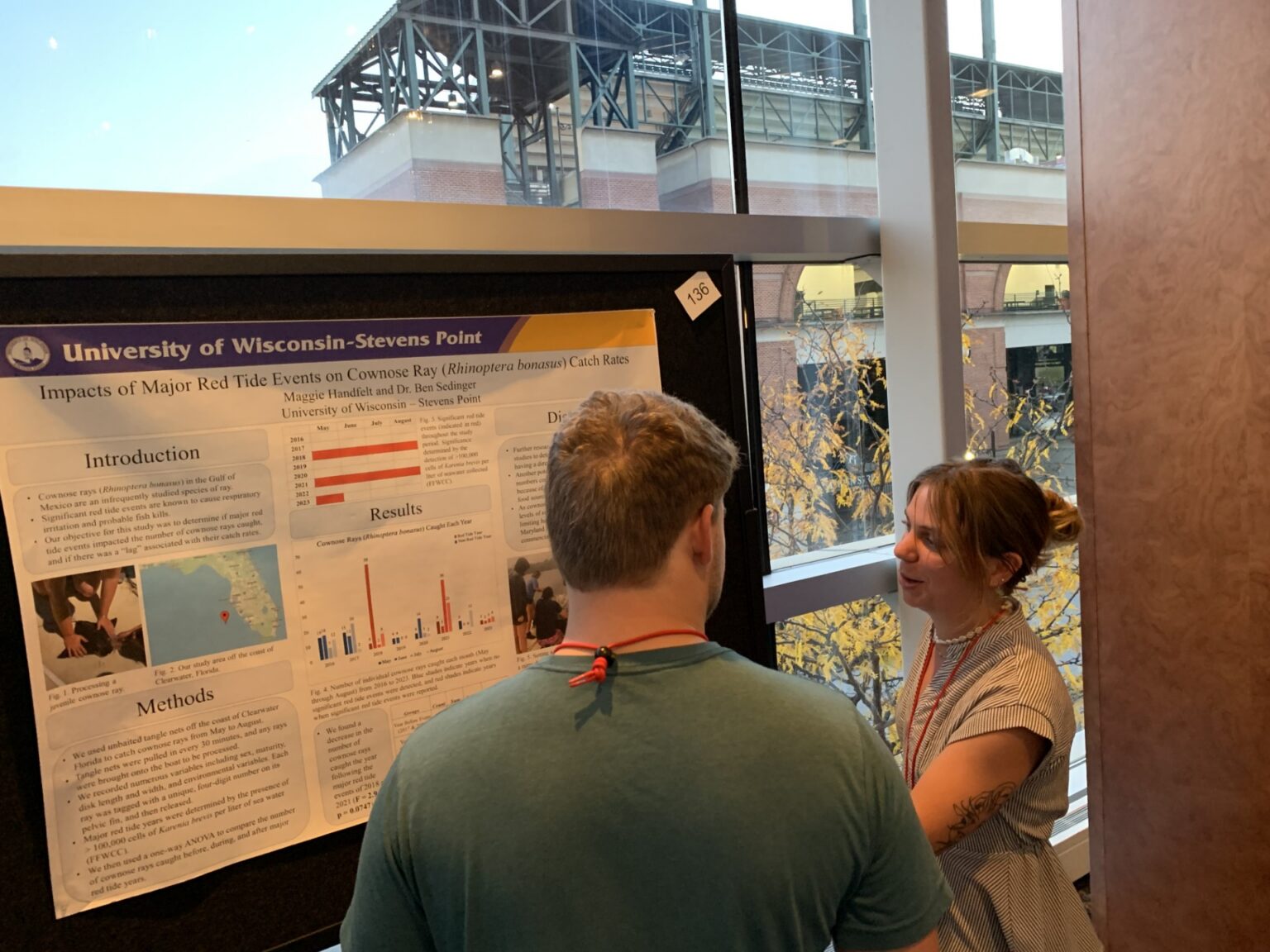
Now, TWS has entered into the “Diploma Privilege Program” with the University of Wisconsin-Stevens Point (UWSP). Among other objectives, our goal is to recognize the quality of UWSP’s wildlife ecology and management curriculum, which is aligned with TWS’ current certification standards. Students graduating from UWSP’s degree program in wildlife ecology and management, which includes the completion of at least one field-based internship or practical training program, will automatically be awarded the Associate Wildlife Biologist® certification.
TWS Council member Jason Riddle hopes the pilot program will increase student interest in TWS’ certification program. “I hope that increased engagement, collaboration and partnerships between TWS and universities will result in higher retention of students and early-career professionals in our TWS community,” he said.
The wildlife ecology and management degree program at UWSP, which was established in the 1970s, is known for its academic rigor as well as the practical hands-on training that students receive. The longstanding program at UWSP produces well-rounded graduates, making the school the ideal candidate to test the pilot Diploma Privilege Program. Another important goal of the program is to help reduce administrative and financial barriers for graduates seeking AWB® certification and a career in the wildlife profession.
The benefits of the Diploma Privilege Program will be extended to UWSP students who have a degree conferral date of May 2025 or later, and the core assessment period of this three-year pilot program will run through the 2028-2029 academic year. Upon completion of this initial term, TWS and UWSP will evaluate program outcomes and decide upon continuation, modification or termination of the program. Based on this initial collaboration, TWS hopes to produce a model that other academic institutions can replicate.
“We’re excited to be expanding the certification program in new and innovative ways,” said TWS Certification Manager Jennifer Murphy. “We feel that the Diploma Privilege Program will help to evolve and advance professional standards in the wildlife field while supporting recent graduates in their careers.” Riddle, who also serves as the faculty advisor to the TWS student chapter at UWSP, added, “We are thrilled to be partnering with TWS on the Diploma Privilege Pilot Program. We have consistently used TWS certification criteria as one of the benchmarks for our curriculum. It is an honor to be selected for this endeavor.”