


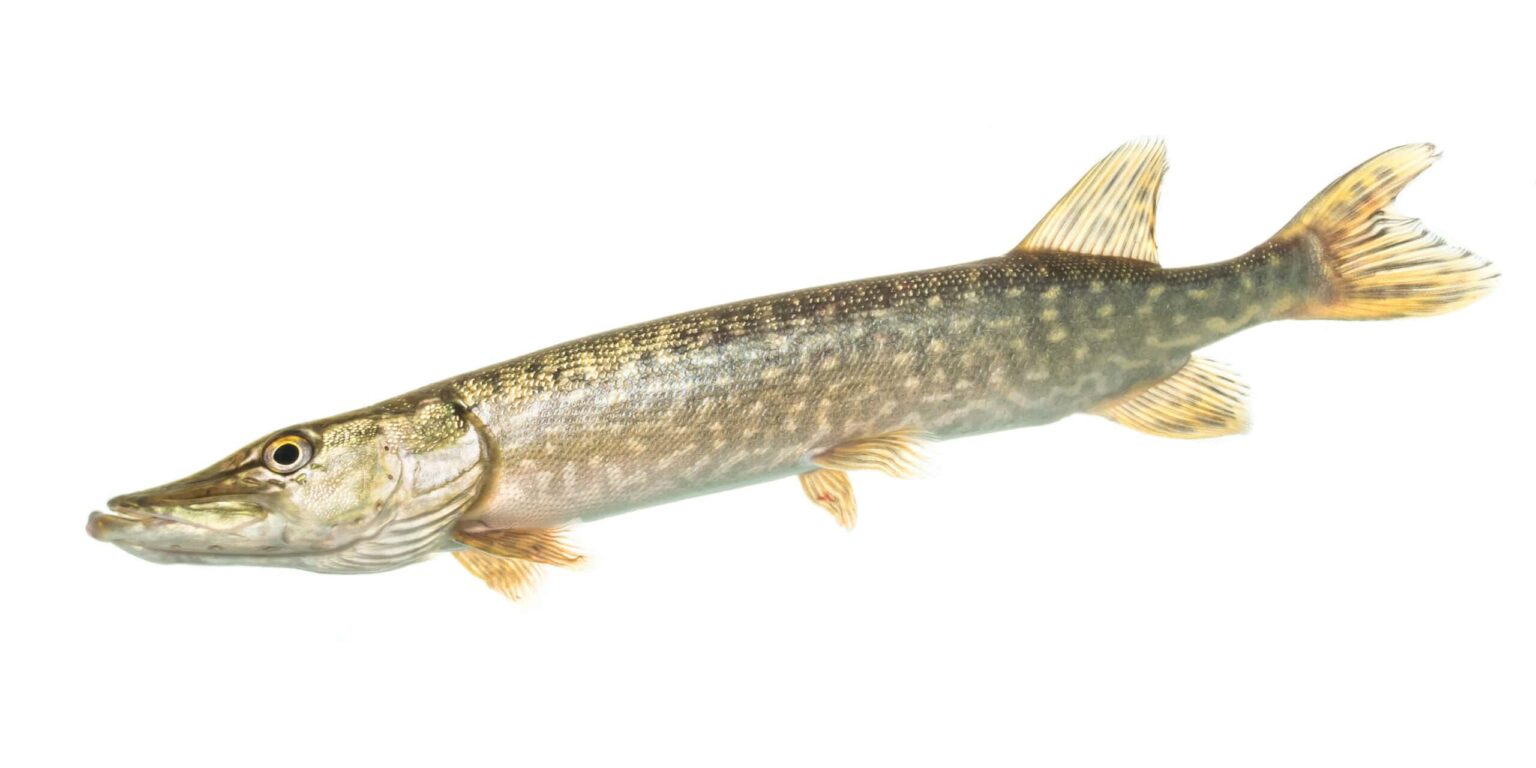
The research practice of stunning northern pike in the water with electricity is shockingly effective—and the fish seem resilient as they swim in the lake currents in the months that follow.
“Northern pike are quite resilient to electrofishing in terms of growth and survival,” said James Reynolds, a professor emeritus in fisheries science at the University of Alaska Fairbanks.
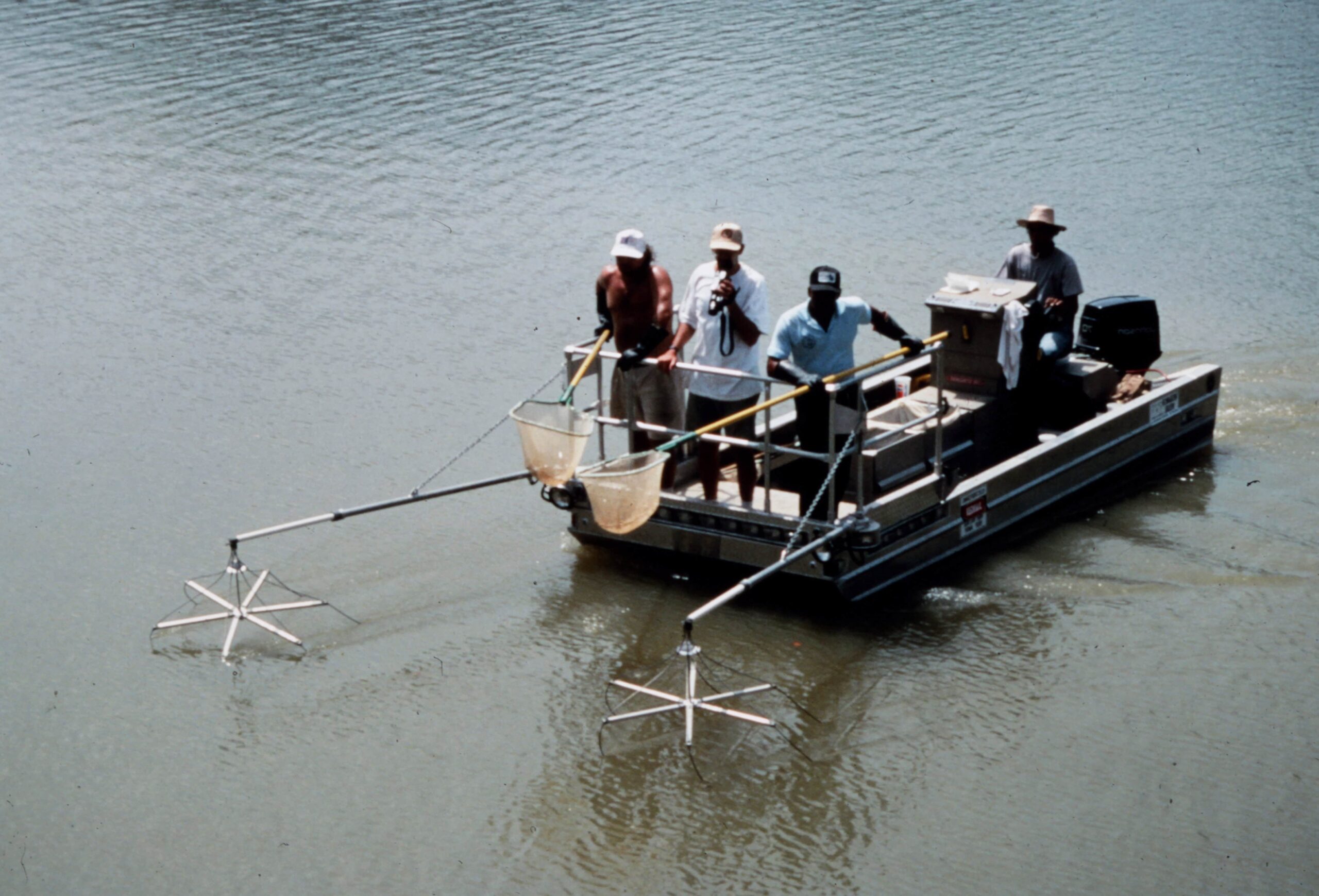
Northern pike are found widely across temperate parts of the world. In many parts of the U.S., researchers monitor factors like disease, average fish size and population using electroshock techniques. The procedure involves using a battery or generator and a control unit that allows researchers to modify the voltage. Researchers place metal electrodes into the water, then generate voltage that can kill or stun fish, depending on the voltage intensity and the pulses per second, or the hertz. The goal of electrofishing is to stun fish and capture them with dipnets. The fish are examined, allowed to recover, and then released alive. Electrofishing is used only by professional biologists—it’s illegal for anglers.
Researchers have measured the impact of different hertz and voltage levels on other species, but nobody had looked at the impact on northern pike (Esox lucius). This species is important in Alaska, where Reynolds had worked for decades, where it’s either invasive or native depending on which part of the state they are found in. North and west of the Alaska Range, for example, they are native. But in south-central Alaska around Anchorage, anglers illegally introduced northern pike in the 1950s for sport. The fish has since become invasive there.
Shocking tests
In a study published recently online in the Journal of Wildlife Management, Reynolds and his colleagues tested whether electroshocking negatively affected northern pike using facilities at Colorado State University.
They put 140 adult fish they caught from the wild in lakes in Colorado and South Dakota into tanks and shocked each one for five seconds. Then, they released the fish into experimental ponds alongside 70 northern pike that weren’t shocked as a control. They marked all fish using dart tags implanted through the fish’s dorsal muscle, which look like plastic spaghetti noodles with arrowheads. Dart tags are used to identify individuals in much the same way as leg bands on birds.
The researchers held the fish there for a little over a month to monitor short-term effects on survival. They then drained these ponds to examine the survivors before the next phase of the experiment.
The shocked fish had significant injuries. For this experiment, the team had administered a shock treatment of 120 hertz—double the amount usually used for northern pike. This higher amount, they found, resulted in compressed or fractured vertebrae—some 28% of shocked fish had these injuries. “The spinal column takes a beating—it gets damaged,” Reynolds said.
But these injuries didn’t seem too serious—90% of all northern pike survived. “We found no difference between the survival of the control and the shocked fish,” Reynolds said.

The team then placed the fish in a 25-hectare lake on campus for almost a year. They sampled the pike in this lake with gillnets and again found no difference in survival between the shocked fish and the control group.
Reynolds said the study shows that northern pike are quite resilient to shock treatment. But while it doesn’t seem to affect survival, the authors recommended only 60 Hertz shocks be used in the future to reduce spinal injuries. The recommendation is partly to avoid unnecessary injuries in native northern pike populations, but also because shock treatment often stuns any species near the electrodes placed in the water. Reynolds said that some salmon and trout species may be less resilient to the higher 120-hertz treatment, so it’s best to be safe—even when monitoring invasive populations of northern pike in parts of south-central Alaska.
This article features peer-reviewed research originally slated for publication in the U.S. Fish and Wildlife Service’s now defunded Journal of Fish and Wildlife Management. The Wildlife Society has picked up these “orphaned” studies, publishing them in a special section of the Journal of Wildlife Management’s November Issue. Individual online access to all TWS journal articles is a benefit of membership. Join TWS now to read the latest in wildlife research.
Article by Joshua Rapp Learn