Welcome to the TWS Native Peoples’ Wildlife Management Working Group
The Native Peoples’ Wildlife Management Working Group (NPWMWG) serves as a forum and resource for members of The Wildlife Society to share ideas and information on relevant issues and topics impacting Native American wildlife management.
Our working group facilitates communication, develops opportunities, educates others and encourages future native wildlife professionals to promote a more inclusive, informed and indigenous future for wildlife management.

Goals:
- Enhance cooperation among native, state, provincial and federal government agencies related to wildlife management issues.
- Facilitate communication and exchange of information among members of TWS interested in wildlife management issues facing native people.
- Enhance knowledge and technical capabilities of wildlife professionals in natural resource issues that affect native people.
- Promote projects and programs that benefit wildlife resources and enhance wildlife management opportunities for native people.
- Encourage native students to pursue careers in wildlife professions.
- Increase public awareness and appreciation of traditional native knowledge regarding wildlife and wildlife management.
- Educate people on the cultural, spiritual, and subsistence values of wildlife to native people.
- Enhance awareness of Federal Trust responsibilities of Federal agencies to native people.
- Assist TWS in preparing position statements and policies related to issues that affect native people.
- Maintain a cooperative relationship with the Native American Fish and Wildlife Society
Announcements
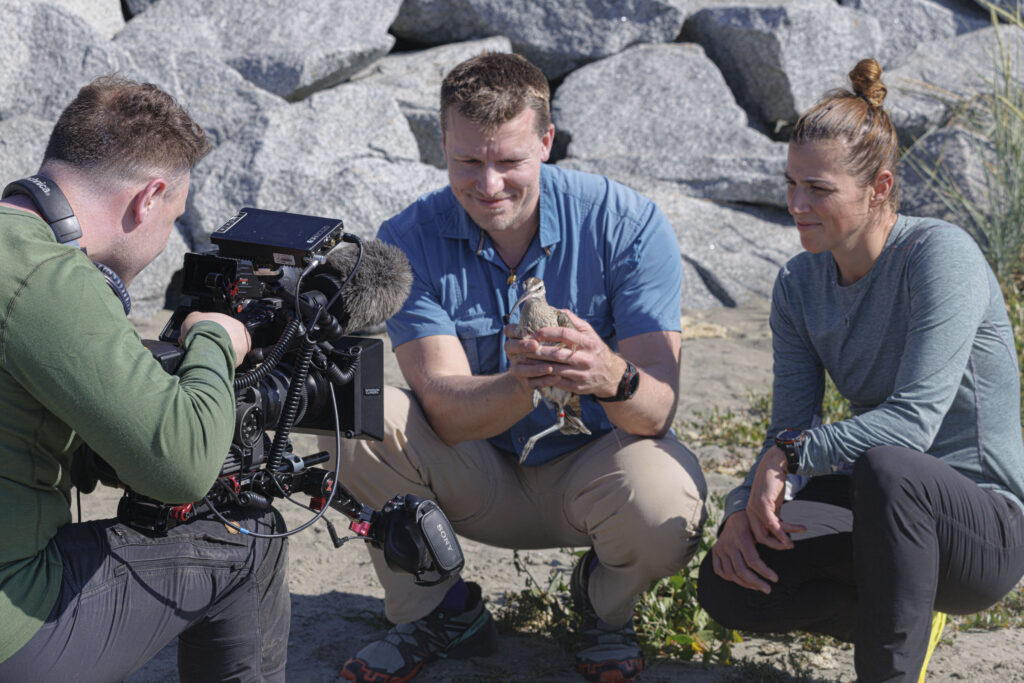
Credit: Grace Soechting
2026 Native Student Professional Development Program
Applications are now open for the 2026 NSPD Program. Learn more here & apply by the end of the day on August 15, 2026.
Become a member
Membership is available to all current TWS members. You may join our working group by logging in to your TWS account.
Indigenous Peoples' Excellence in Wildlife Stewardship Award
In Celebration: Announcing the 2026 Indigenous Peoples’ Excellence in Wildlife Stewardship Award Recipients
Submitted by the TWS Native Peoples’ Wildlife Management Working Group Awards Committee:
Seafha Ramos
Paige Schmidt
Michel Kohl
The Native Peoples’ Wildlife Management Working Group (NPWMWG) Awards Committee is pleased to announce the recipients of the inaugural Indigenous Peoples’ Excellence in Wildlife Stewardship Award. Congratulations to both awardees, whose work exemplifies excellence in advancing the goals of the NPWMWG!
Please, join us in recognizing some of their contributions below.
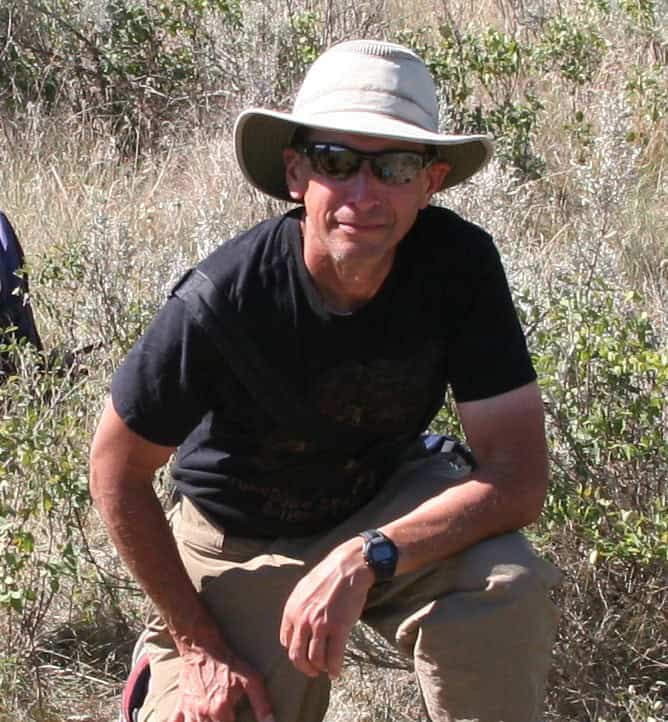
Dr. Michael Gutzmer, Senior Scientist/Principal Ecologist for New Century Environmental
Dr. Gutzmer has been active in The Wildlife Society for over 13 years (and involved longer than that) and is a practicing Certified Wildlife Biologist. He has been active in Native American natural resource science for over 30 years and does extensive natural resource consulting work on millions of acres of Native American Reservation land in Nebraska, Iowa, Montana, Minnesota, Kansas and the Dakotas. In 2015, Gutzmer received the Central Plains Region Biologist of the Year award from the Native American Fish and Wildlife Society.
Dr. Gutzmer has worked with Native American Tribes since 1995 and continues to be a voice for science, supporting natural resource management on 3.5 million acres of Tribal lands. He has written over $4.5 million in funded grants for Native American Tribes. His work has supported the development of natural resource research and training through the Bureau of Indian Affairs for several Tribes. Dr. Gutzmer has also produced scientific reports for Tribes in support of federal legislation related to pipeline impacts and USACOE permitting. Gutzmer documented the black-footed ferret on the Standing Rock Indian Reservation in 2013 and continues his research on black-footed ferret existence and colonies of genetic isolation . He also conducted medicinal flora species surveys summarized in Medicinal and Culturally Endangered Flora Species within the Santee Sioux Reservation and the recently published book Flora of Santee. In addition to applied natural resources work with Tribes, Dr. Gutzmer has secured funding to support educational and professional development opportunities for Indigenous youth in the unique natural resources of their ancestral lands.
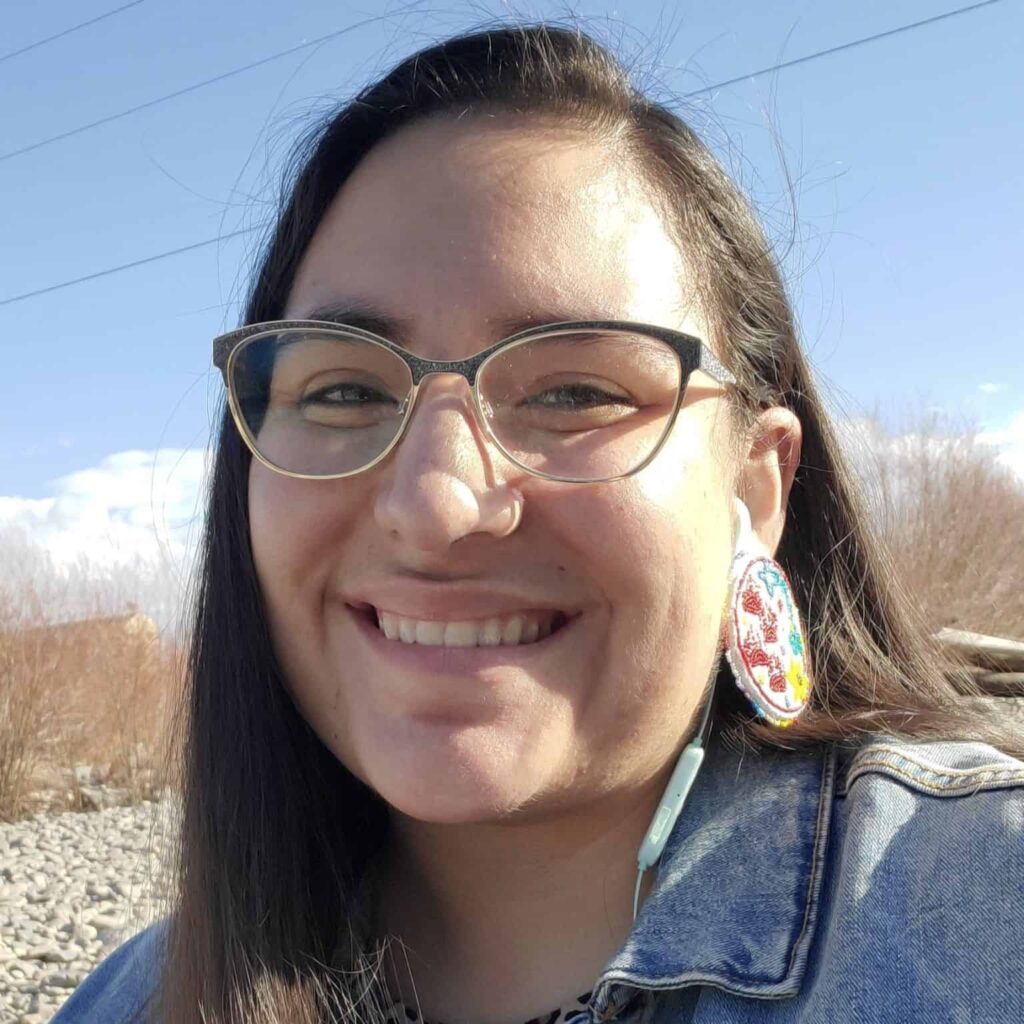
Catrina Alberts (Diné), PhD Student, Northern Arizona University
Catrina Alberts is an outstanding example of a student navigating “two worlds”. Catrina is a PhD student, interested in understanding and remedying the decline of the endangered Northern Leopard frogs. As handling frogs goes against her cultural protocols, she has designed her study to utilize eDNA, in collaboration with the Navajo Nation. She has been awarded an NSF Graduate Student Fellowship Program grant and Northern Arizona University (NAU) Presidential Fellowship, demonstrating her outstanding potential. She led the efforts to get research approvals through Navajo Nation IRB, including presenting to ten Chapter Houses and 3 Agencies to conduct her research, which is already an impressive feat. To stay true to her cultural values in this work, she has leaned into non-invasive methods using eDNA, camera and sound traps, and partnerships with Navajo Nation agencies to access waters on the Navajo Nation. Her work includes finding signs that this species is actually present in sites where it was thought to be extirpated. She is also doing an exceptional job of sharing her science through her cultural lens, using traditional stories and her knowledge of Navajo Traditional Ecological Knowledge to conduct her research and tell the story at conferences and in events meant to outreach to the community and new students. She recently published a first-authored paper about this work in Frontiers in Reptile and Amphibian Science, an international journal, that will set an example for others to follow. She is also the acting President for NAU’s SACNAS chapter, which supports students from diverse backgrounds to build their science identities in STEM. The model she provides is helping other Indigenous students find their path in science rooted in their cultural values. In short, Catrina Alberts has demonstrated excellence in Indigenous Stewardship through her science, leadership, creative research approaches and mentorship.
Officers
Officers
Meetings
The NPWMWG holds its annual business meeting during The Wildlife Society’s Annual Conference.
Native Student Professional Development Program
Are you an Indigenous student enrolled in a wildlife program? Check out our 2026 Native Student Professional Development Program! Applications are now open and due by the end of the day on August 15th.
Participants travel to TWS’ Annual Conference, which includes:
- Complimentary registration
- Travel grants
- Mentorship at the conference
- One-year memberships in TWS & the Native Peoples’ Wildlife Management Working Group (NPWMWG)
- Exclusive educational sessions for program participants
- A scholarship to Global Wildlife Resource’s online course, The Foundations of Wildlife Chemical Capture
- Access to all conference networking events and more
Eligibility
Applicants must meet the following eligibility standards:
- Currently enrolled (or be a graduating senior) in an undergraduate or graduate program from an accredited institution of higher education in the United States
- Identify as a member of a Native American, First Nations, Métis, Inuit, Alaska Native, Native Hawaiian or Pacific Islander tribe or community, and provide proof of tribal affiliation or descendancy from a tribally enrolled parent or grandparent
- Demonstrate an interest and commitment to conserving natural resources, working with Native communities, and elevating ITEK in federal scientific and policy processes.
- Have a cumulative GPA of 2.5 or higher on a 4.0 scale. Preference will be given to students with a GPA of 3.0 or higher
- Be fluent in English and have excellent communication and interpersonal skills. Knowledge of a Native language or culture is an asset, but not required
- Uphold and conduct their activities in accordance with the Code of Ethics and Standards for Professional Conduct as prescribed by The Wildlife Society
- Students within six months of graduation are eligible. Qualified applicants will be evaluated by a panel consisting of the Chair of the NPWMWG, two other NPWMWG members, a TWS staff member and representatives from other program partners
Please contact [email protected] to discuss how you can support this program now and into the future.
See More
See LESS