


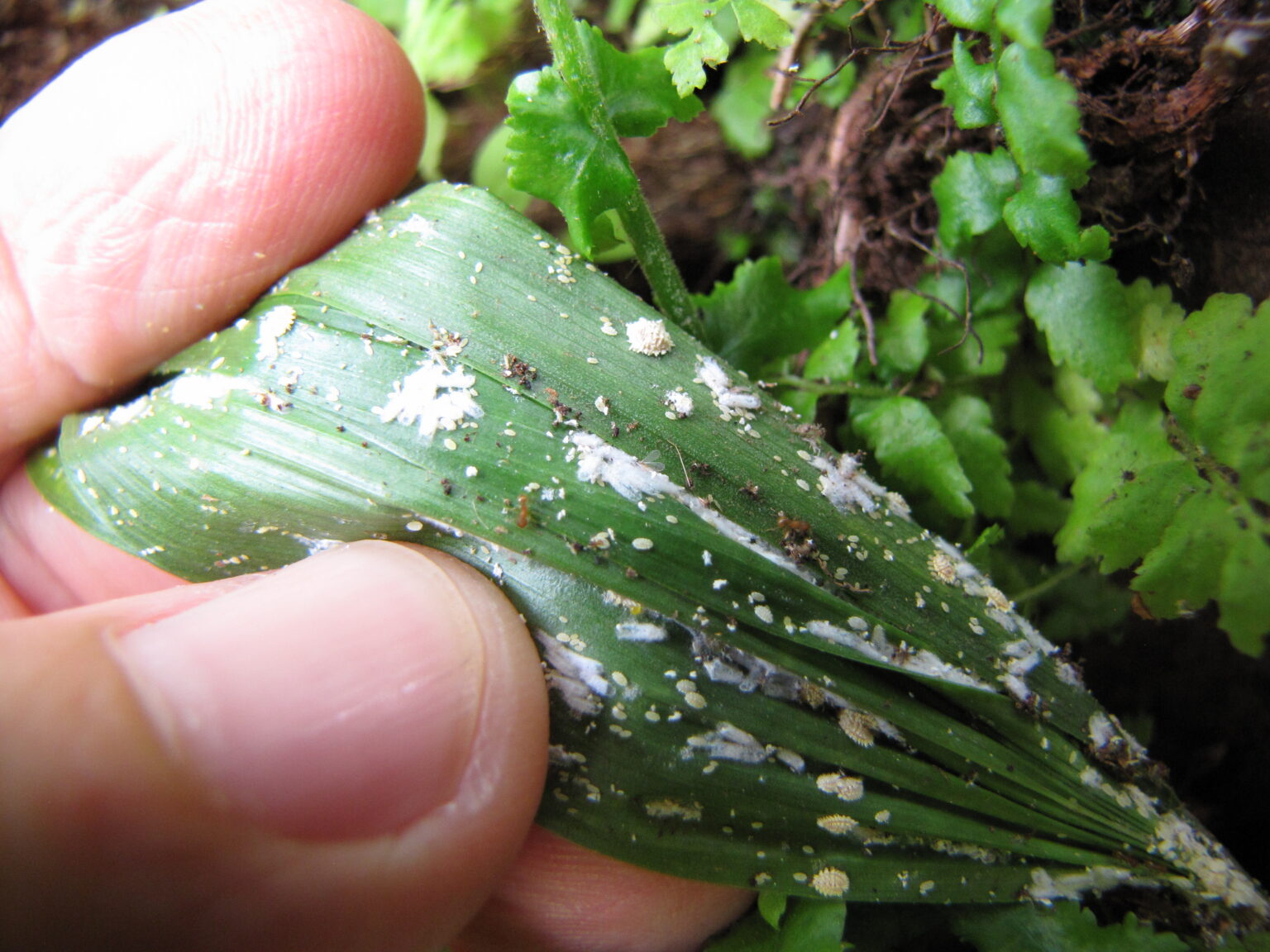
It’s no secret for biologists that invasive organisms push out native species from their habitats. But new research reveals that in some cases, humans may also be the victims—invasive species can cause human displacement. New research published in Frontiers in Conservation Science has shown that introduced species like the little fire ant (Wasmannia auropunctata) has led farmers to abandon their land in New Caledonia, the Galapagos and French Polynesia, while water hyacinth has upended the livelihoods of fishing communities in many parts of Africa. In these and other cases, invasive species change the natural resources people used for eons, forcing communities to abandon their land and move in some cases. Arne Witt, an author of the study and a researcher with the Center for Agriculture and Bioscience International, a nonprofit organization focusing on scientific solutions to global problems in agriculture and the environment, said in a press release that invasive species can be similar to global pandemics or natural disasters in this sense. “In the case of invasive alien species, too little attention has been given to the link between their spread and forced migration,” he said.