


Fire begets more fire, setting off a chain reaction that influences which plants and animals live in a place and how the ecosystem changes over time. By favoring some species and excluding others, frequent burns create conditions that increase the likelihood of future fire. Although this is well known, there is much to be learned about the mechanisms that drive these cyclical processes.
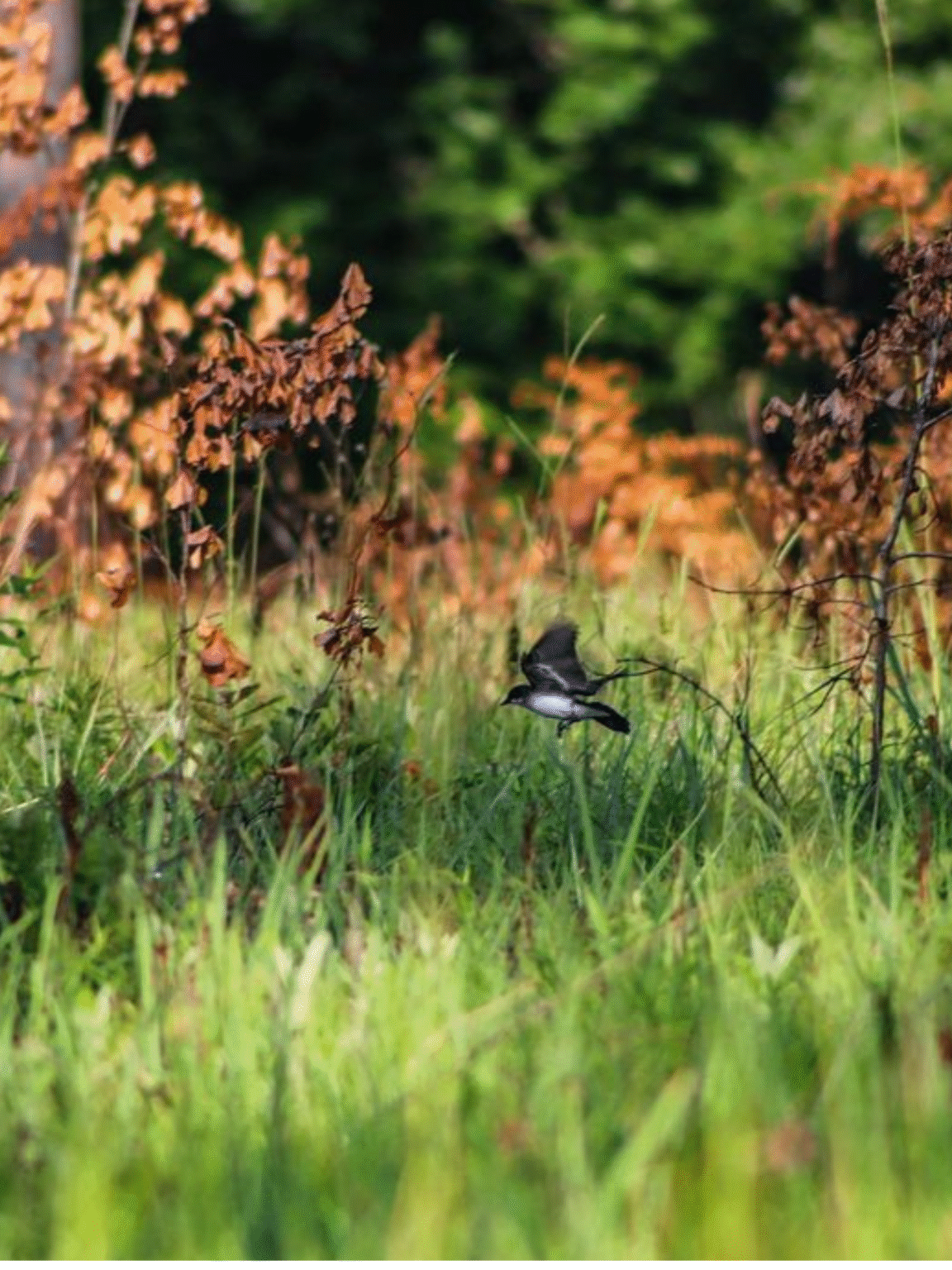
Now, new research published in Current Biology, led by David Mason, an assistant scientist at The Jones Center at Ichauway, Georgia, suggests that fire attracts an unexpected ally: birds that carry seeds into freshly burned ground, potentially influencing what grows back next.
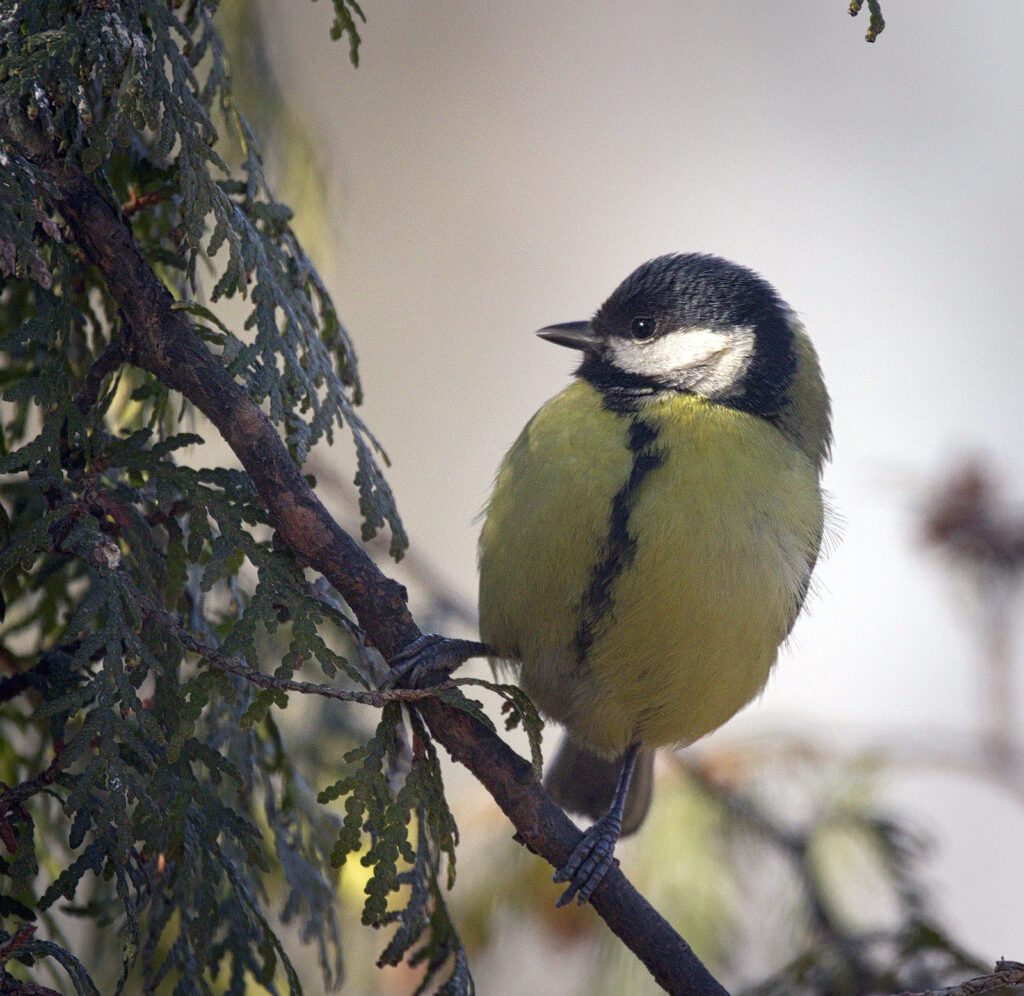
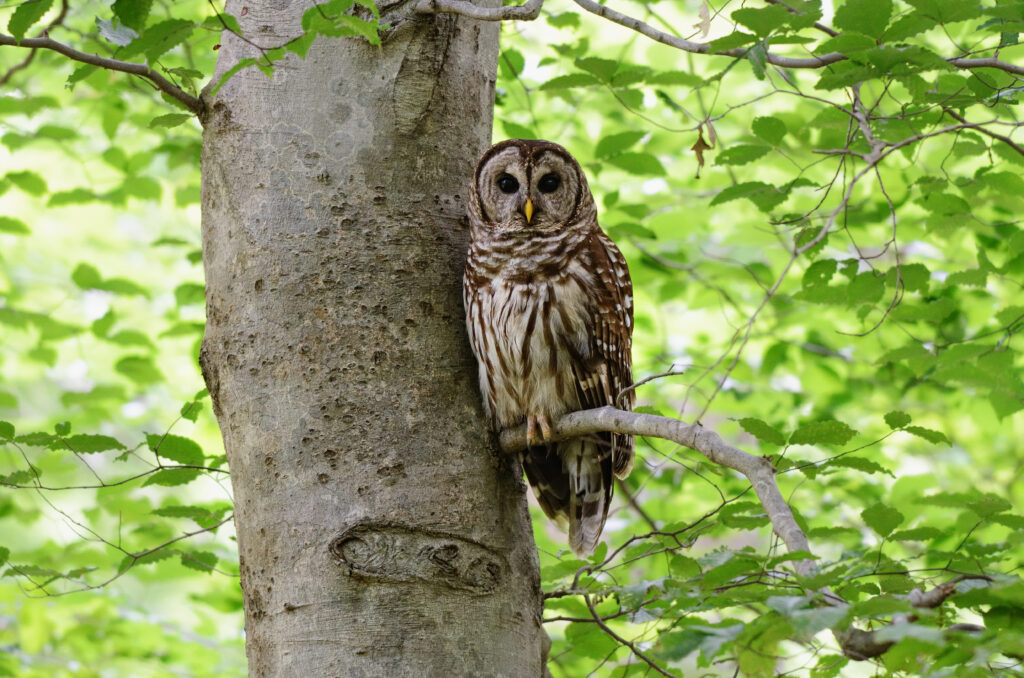
Food resources or changes in vegetation structure may attract birds to recent burns. While visiting, these birds defecate seeds from previous meals in adjacent areas into burn patches.
To assess the role these phoenix-like birds play on regenerating the ecosystem and, potentially, shaping future fire, Mason conducted research at the Tall Timbers Research Station and Land Conservancy in Florida. Tall Timbers is a fire-dependent landscape divided into a mosaic of different-sized burn units, similar to a checkerboard.
To evaluate whether seed dispersal after fire benefits dispersed plants, the researchers first documented the effect of recurring fire on plants in the first place. Mason and his collaborators catalogued the species present in different plots and recorded fruit production. Mason and his collaborators found that some common bird-dispersed plants produced more fruit in the presence of recurring fire.
Pre- and post-burn seed dispersal
Over two years, Mason and his collaborators examined bird-aided seed dispersal and bird activity in paired burned and unburned units. To do this, Mason designed and built 36 artificial perches resembling little antennas made from wooden sticks with smaller crossbars mounted on PVC pipes. Underneath each perch was a one-meter-square screen that caught seed-laden bird feces, which researchers later collected and identified. A trail camera sat nearby to record birds visiting each perch.
In this experiment, Mason and his collaborators demonstrated that recently burned areas attract more birds and more bird-dispersed seeds from focal plant species than areas that burned one or two years earlier. This shows that fire has a magnet effect, drawing birds into the freshly burned areas that then deposit seeds where the plants are more likely to thrive. While the magnet effect was initially described for the response of herbivores to vegetation after recent fire, Mason’s work indicates that the concept may have broader value.
“Fire is the thing that keeps this ecosystem the way it is,” said Mason. “Without fire, it would be something else.”
The findings reinforce that effective conservation, restoration and management requires a holistic approach. For example, interactions among birds, fruit and fire can help managers understand how plant recovery after fire can be influenced by not only the timing and scale of burns but also by wildlife and the plants in the surrounding landscape.
Article by Kaylyn Zipp