



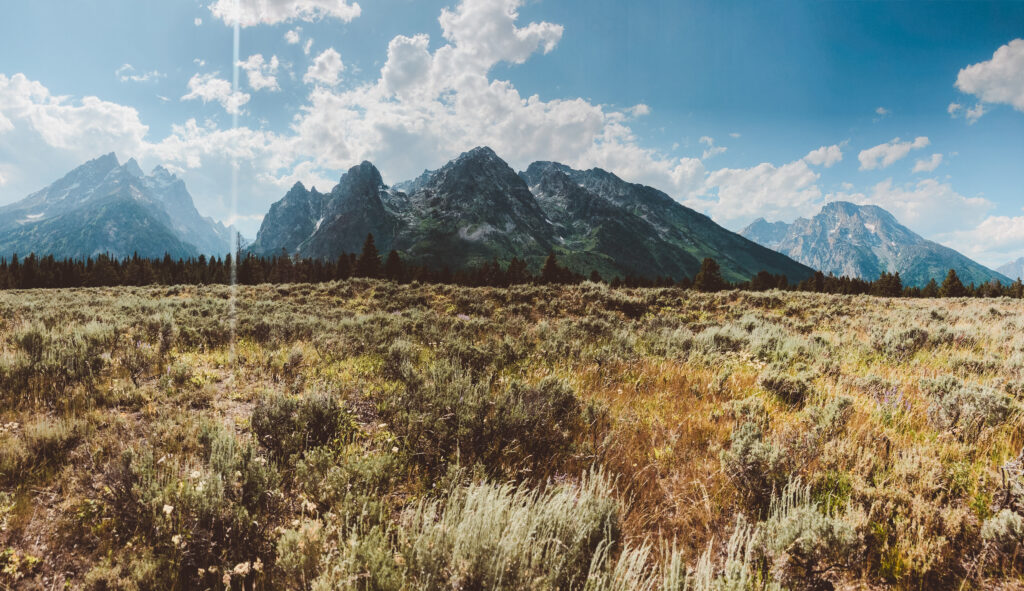
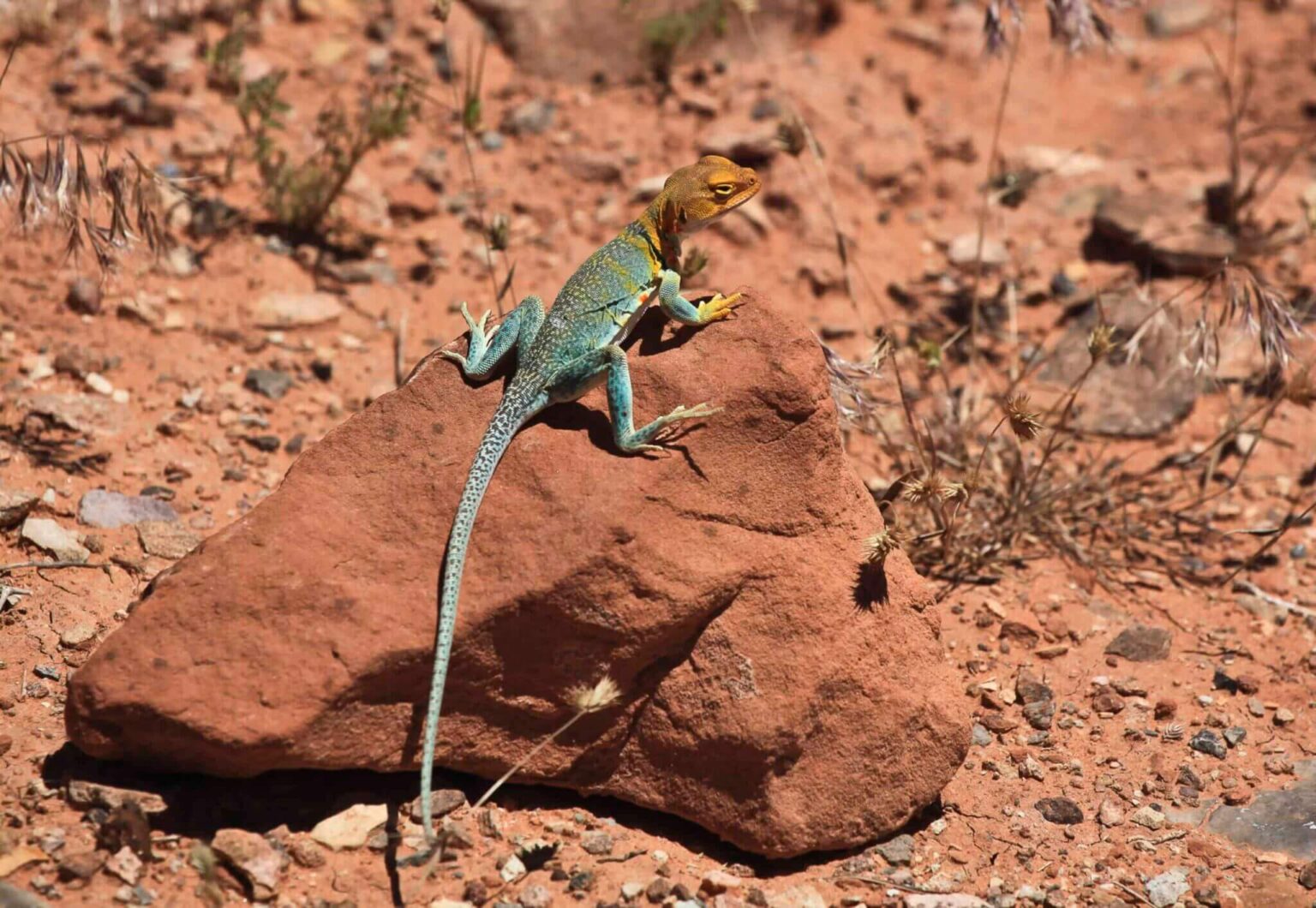
The rule aimed to give conservation equal importance to other land uses across millions of acres of public lands
The Trump administration is seeking to rescind a rule that dictates public land use, removing an emphasis on conservation to support “responsible energy development,” ranching, grazing, timber production and recreation.
“The previous administration’s Public Lands Rule had the potential to block access to hundreds of thousands of acres of multiple-use land—preventing energy and mineral production, timber management, grazing and recreation across the West,” said Secretary of the Interior Doug Burgum in a recent press release on the proposed rescission. “The most effective caretakers of our federal lands are those whose livelihoods rely on its well-being. Overturning this rule protects our American way of life and gives our communities a voice in the land that they depend on.”
The Public Lands Rule aimed to put conservation on equal footing with other types of land use, like livestock grazing, oil and gas drilling, mining on U.S. Bureau of Land Management (BLM) lands and recreation. “As pressure on our public lands continues to grow, the proposed Public Lands Rule provides a path for the BLM to better focus on the health of the landscape, ensuring that our decisions leave our public lands as good or better off than we found them,” said Biden administration-era BLM Director Tracy Stone-Manning in 2023 when the Public Lands Rule was first proposed. The rule was intended to protect the most intact and functional landscapes and restore degraded habitat.
The Wildlife Society has played a key role in shaping and supporting the Public Lands Rule. TWS CEO Ed Arnett was nominated for, and selected to serve on, an advisory committee that would have guided decisions on implementing the rule. But that advisory committee was disbanded by the current administration earlier this year. TWS submitted formal comments during the development of the rule guided by the expertise of the Rangeland Wildlife and Habitat Restoration Working Groups. Those comments supported the use of conservation leases to restore and enhance public lands and emphasized that conservation is compatible with other land uses. Additionally, The Wildlife Society signed on to comments led by the Theodore Roosevelt Conservation Partnership alongside several hunting, fishing, and habitat conservation organizations and professional societies, expressing broad support for the rulemaking and offering recommendations for the effective implementation of conservation leases.
The Trump administration’s proposed changes to this rule state that the BLM exceeded its statutory authority by “placing an outsized priority on conservation or no-use at the expense of multiple-use access.” The press release states that the new proposal will restore the BLM to fulfilling its legal mandate.
The administration is accepting public comments on the proposed rescission until Nov. 10, 2025.
TWS members interested in providing feedback to inform TWS’ engagement with this rulemaking are encouraged to do so via po****@******fe.org. Section and chapter members can also reach out to their unit’s Conservation Affairs Committee to support local engagement with this issue.