




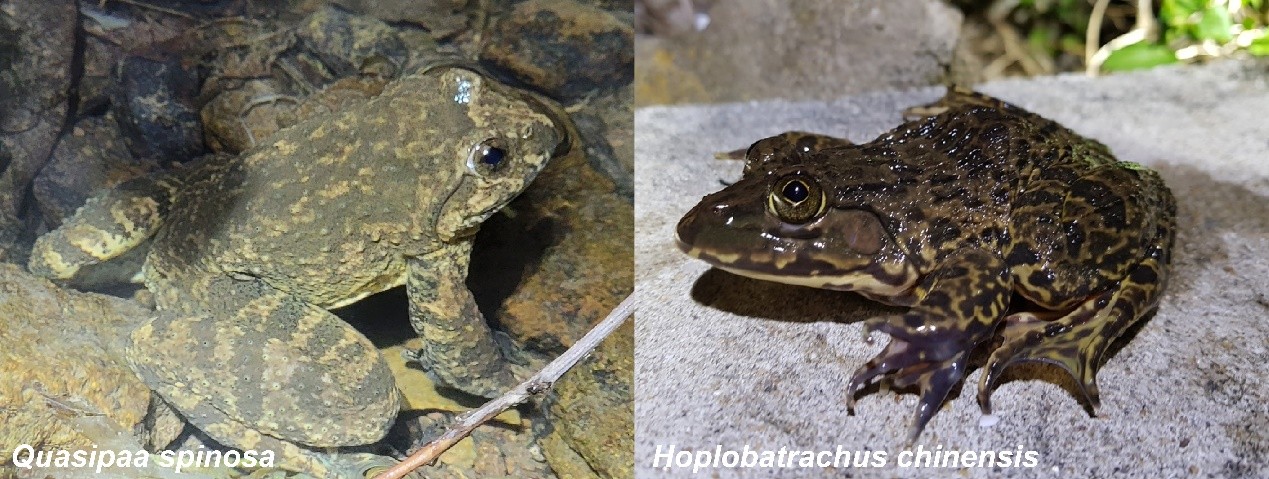
The value that imperiled species offer to ecosystems may be priceless, but genetic research reveals online vendors are selling vulnerable amphibians as common edible frogs. A team of researchers bought four frogs listed as Chinese edible frogs (Hoplobatrachus chinensis) from a popular online marketplace with the intention of studying that species’ evolutionary history. But when the supposed snacks were delivered, they noticed some morphological differences. Using genetic barcoding, the team found that all four specimens were Chinese spiny frogs (Quasipaa spinosa), which appear similar to edible frogs at a glance. Chinese spiny frogs are considered vulnerable by the International Union for Conservation of Nature. “If traded individuals are incorrectly identified, trade data may not accurately reflect which species are being exploited,” the researchers of the study, published recently in Nature Conservation, said in a press release. They believe the problem is more widespread among amphibians often consumed as food. They advocated for more routine DNA-based monitoring of wildlife trade and customs inspections to reduce these mistaken identities.