


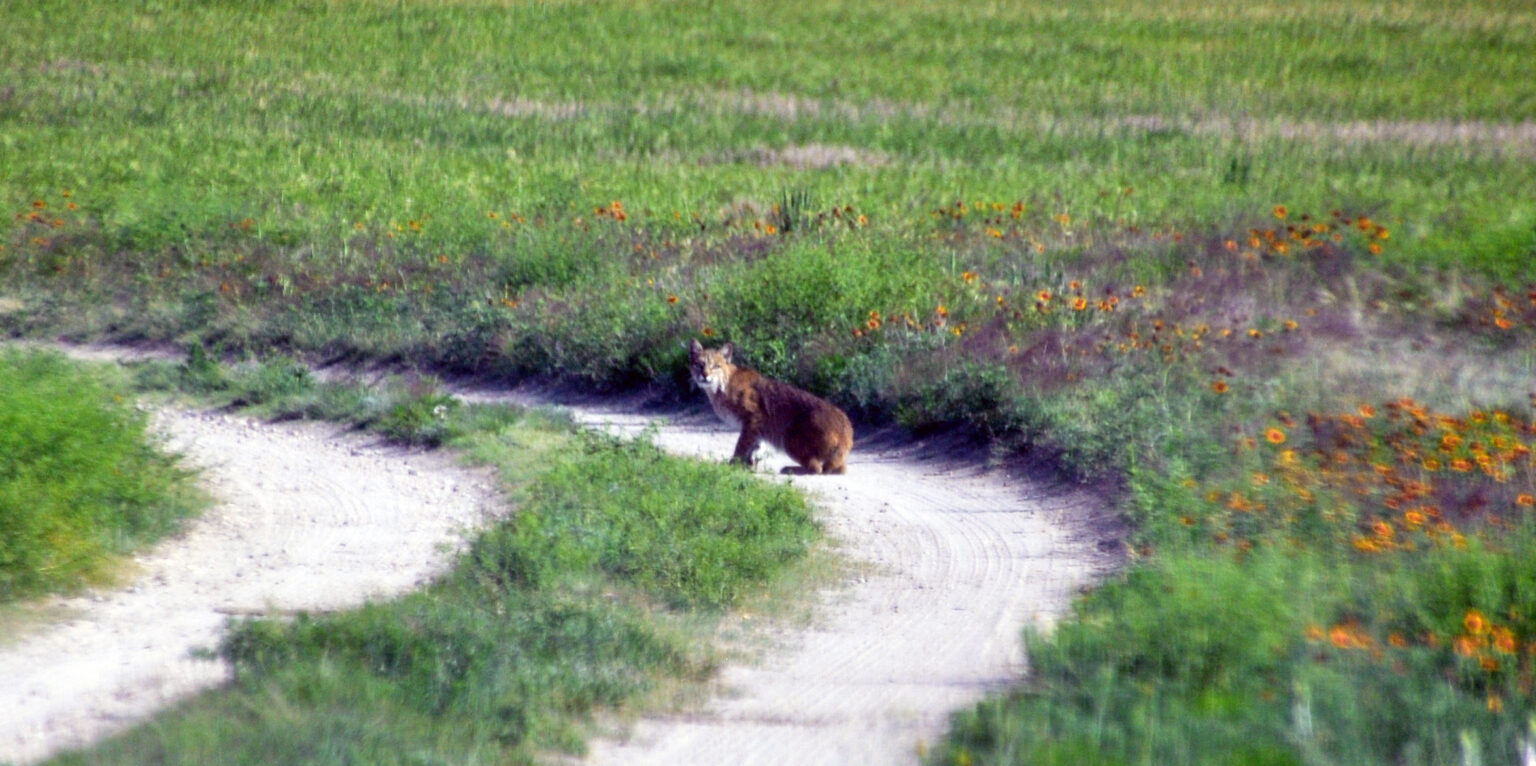
Most people carry a miniature device in their pocket capable of pinpointing their location anywhere in the world. By pairing mobile location data with GPS location data of animals, researchers learned how human presence and land use impacts the way animals use space. Leveraging mobile location data made available during the COVID-19 pandemic, the researchers examined 37 mammal and bird species, approximately 11.8 million location points from more than 4,500 animals, across the United States. They found that more than 65% of species changed their behaviors based on human presence. In less developed and more natural areas, the presence of humans affected animal behavior more. Researchers hypothesize that animals like wild turkeys (Meleagris gallopavo) decreased the amount of space they used in response to more humans because the animals were trying to avoid humans. Wild turkeys in more disturbed landscapes were impacted less by human presence. Gray wolves (Canis lupus) used more space around humans. Bobcats (Lynx rufus) also changed the amount of land that they occupied due to the presence of humans. Researchers were unable to say how the specific activities of humans, such as hiking versus snowshoeing, impacted animal behavior. However, the study conveys that the presence of humans should be considered when trying to lessen impacts on wildlife.