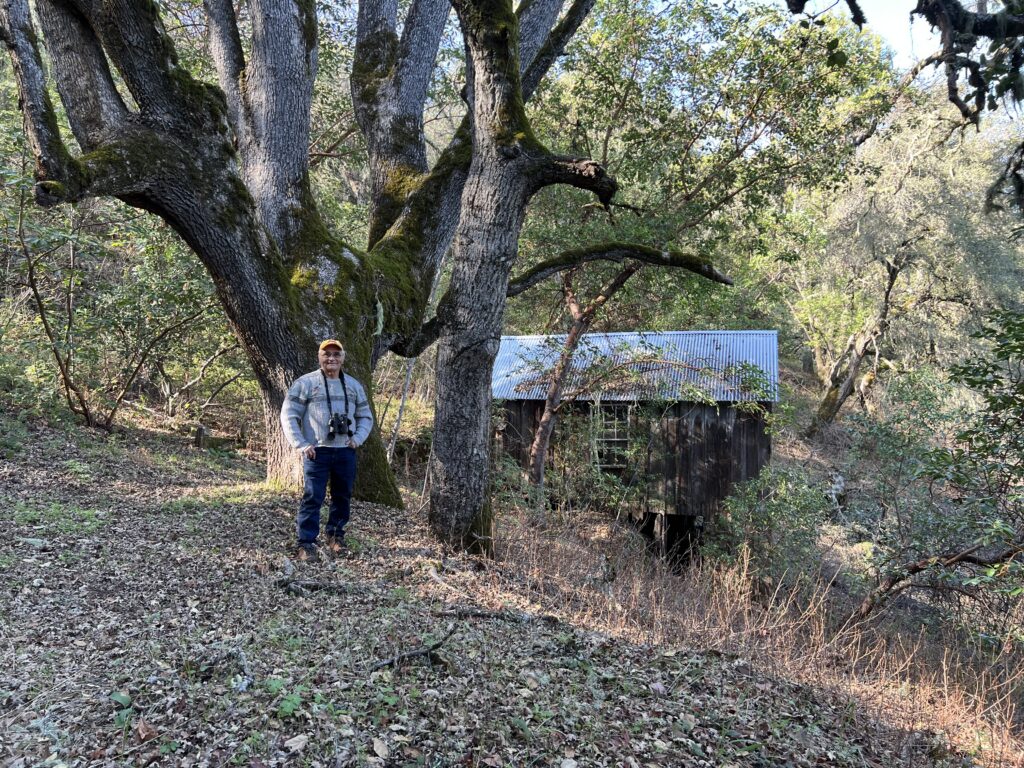
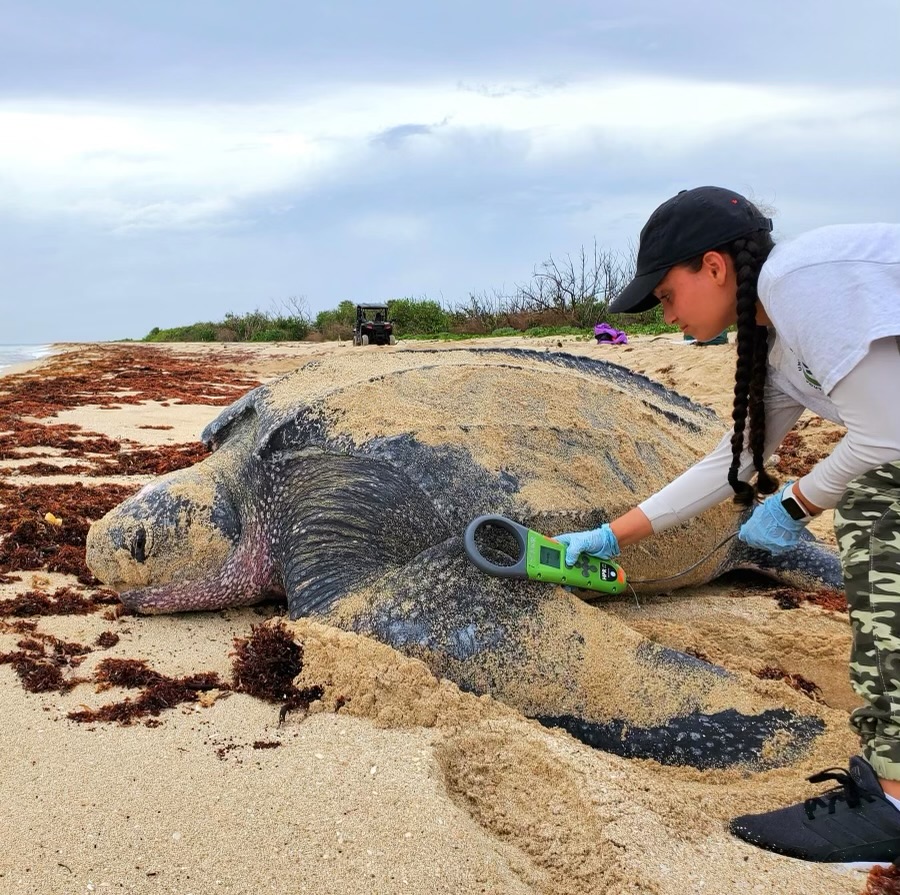
The Wildlife Society is excited to introduce you to the Class of 2026 of the Leadership Institute, TWS’ flagship leadership development program. Members of this year’s class were selected from a competitive pool of nearly 50 applicants. Throughout the six-month program, participants will engage in a variety of distance learning and hands-on projects and develop a greater understanding of how to apply leadership skills in their professional careers. The Leadership Institute will culminate at TWS’ 33rd Annual Conference in Des Moines, Iowa, this fall.
Leadership Institute participants are selected by a committee of TWS members based on factors such as demonstrated leadership capability or potential, commitment to and involvement in TWS and the wildlife profession, and potential to contribute to the growth and development of the group as a whole.
Meet the Leadership Institute Class of 2026:
Keilani Fang, Utah’s Hogle Zoo – Fang works closely with Utah’s state and federal wildlife agencies to prioritize and execute sensitive species monitoring and recovery actions. Fang is most fulfilled when she is in the field taking direct conservation action while also engaging volunteers, students and her colleagues in these efforts.
Kristina Gunderson, Montana Fish, Wildlife and Parks – Gunderson has been working on the Western Montana Sharp-tailed Grouse Reintroduction Project for the last three years, surveying leks, trapping and translocating hundreds of grouse and tracking the breeding success of the reintroduced population. In her free time, she enjoys hunting, fishing, amateur wildlife photography and spending outdoor time with her daughter and dogs.
Terra Haines, APHIS Wildlife Services – Haines works as a rabies technician with the U.S. Department of Agriculture. In addition to her professional role, she is a permitted educator of timber rattlesnakes, delivering hands-on presentations to diverse audiences across Pennsylvania to foster appreciation for this often misunderstood species. She is also currently competing her master’s degree through Clemson University’s award-winning remote program.
Dan Herrera, North Carolina Museum of Natural Sciences – Herrera uses camera traps to study how humans directly and indirectly alter wildlife behavior and predation dynamics. He also serves as a commissioner on the Maryland Wildlife Advisory Commission and as the president of the Maryland-Delaware chapter of TWS. When not working, Herrera enjoys traveling to national parks, gardening, cooking and reading.
Hannah Leeper, Minnesota Department of Natural Resources – Leeper has been a wildlife research biologist for bears for three and a half years. She especially enjoys bear den visits and trapping bears in the summer. She uses that data to inform management decisions. Outside of work, she enjoys hunting, fishing, hiking and spending time with her nieces.
Katie Schroeder, Texas Tech University and Tall Timbers Research Station and Land Conservancy – Schroeder is a postdoctoral research scientist working remotely from Morgantown, West Virginia, studying northern bobwhite management in the southeastern US. She is passionate about research that helps guide wildlife management and conservation decisions.
Hailey Shanovich, U.S. Geological Survey – Shanovich is an early-career biologist with the Southeast Climate Adaptation Science Center, where she supports climate-informed research and partnerships that help guide land and wildlife management and adaptation across the Southeast. She is a big fan of hiking, camping, looking for little critters (especially cool bugs), and capturing the outdoors through art.
Emily Thoroski, The Environmental Musician – Thoroski is a singer, songwriter, guitarist and wildlife biologist from Winnipeg, Manitoba. Thoroski’s unique songwriting combines her love for music and nature to help inspire people to get involved in environmental conservation. With an education in environmental science, Thoroski brings activism, honesty, storytelling and imagination to her artistic style.
Amanda Van Buskirk, West Virginia University – Van Buskirk is a postdoctoral research associate in the Davis College of Agriculture and Natural Resources. She works collaboratively with the National Park Service to develop monitoring protocols and decision-support tools for the management of white-tailed deer in the northeastern U.S. When she is not writing code or talking deer, you can find her at a hot yoga class, at the thrift store, planting native plants in her yard, or hanging out with her 20-year-old cat, Tigger.
Melinda Vickers, Washington Department of Fish and Wildlife – Vickers is a conservation biologist and assistant species lead for invertebrates. In this role, she focuses on assessing and recovering rare invertebrates around the state. She first discovered her passion for invertebrates during her time as a Peace Corps volunteer in Zambia. In her free time, you can find Vickers pursuing one of her many outdoor hobbies.
Over the course of their Leadership Institute experience, these participants will have the opportunity to learn from TWS Council and staff, take part in discussions on a variety of leadership topics and engage in mentorship activities with Leadership Institute alumni.
Congratulations again to the Leadership Institute Class of 2026!
Learn more about The Wildlife Society’s Leadership Institute.
The Wildlife Society is grateful for the Camp Fire Conservation Fund, the French Family Foundation and the Dallas Safari Club Foundation‘s ongoing support for the Leadership Institute program. Their dedication to ensuring the conservation of wildlife through public engagement, education and advocacy is evident through their dedication to helping the Leadership Institute thrive. If you are interested in supporting this program or other initiatives hosted by The Wildlife Society, connect with our staff to learn more about becoming a partner.
Article by Laura Bies