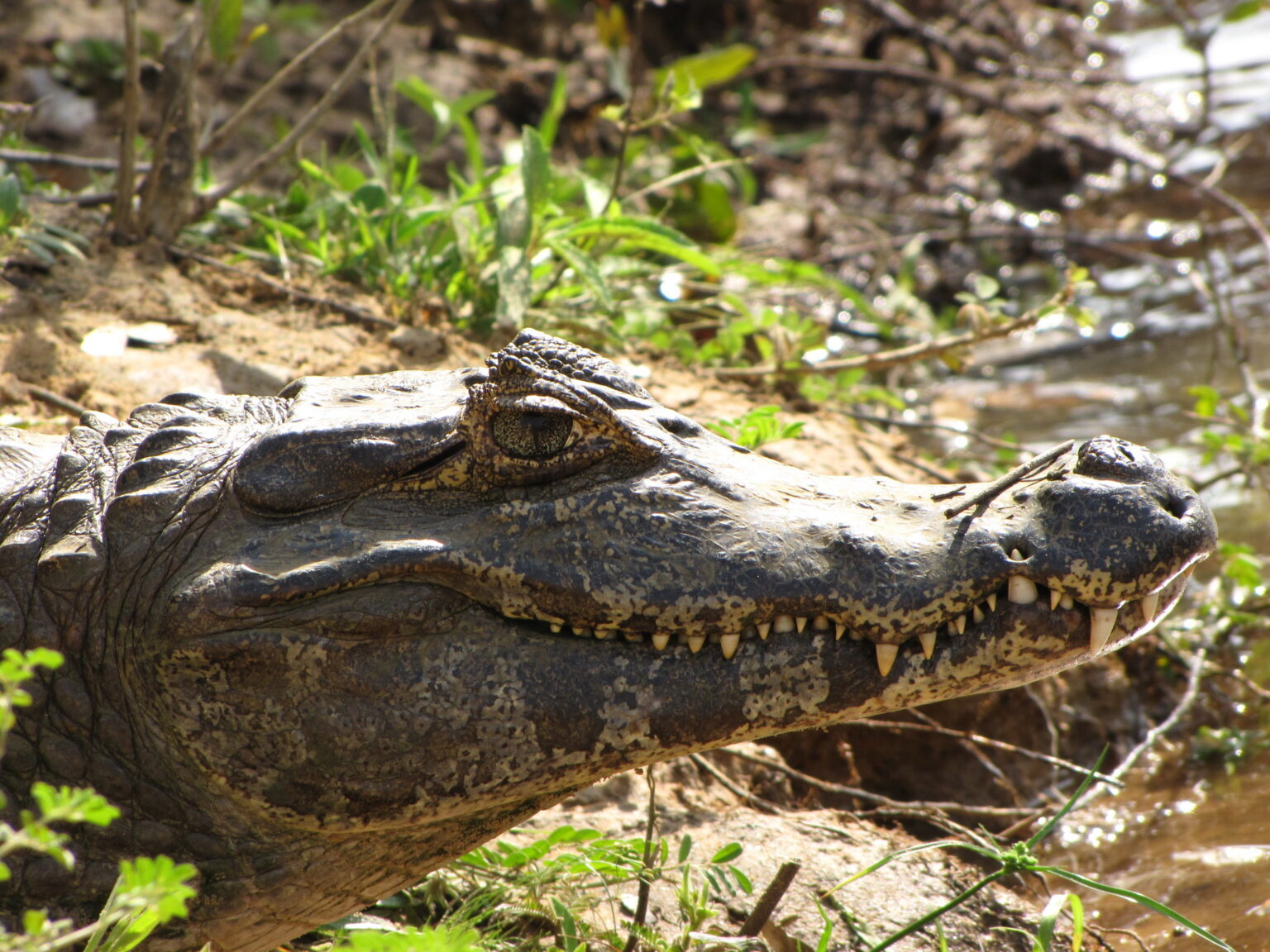
Climate change, livestock density and other factors related to the human footprint significantly increase the extinction risk for crocodilians, turtles and tortoises around the world. Meanwhile, large freshwater habitats, Indigenous land and protected areas indicated places around the world where these kinds of reptiles persisted. Researchers in a recent study published in the Journal of Biogeography analyzed the spatial distribution of crocodilians and chelonians around the world and compared them to maps of human pressures like aridity, development and livestock density. They found that species richness was lower when these anthropogenic factors were higher. They also discovered that large wetlands, protected areas and Indigenous lands were declining. “This trend, coupled with escalating anthropogenic pressures, poses a dire threat to conservation lands and the species that depend on them,” the authors of the study wrote.