
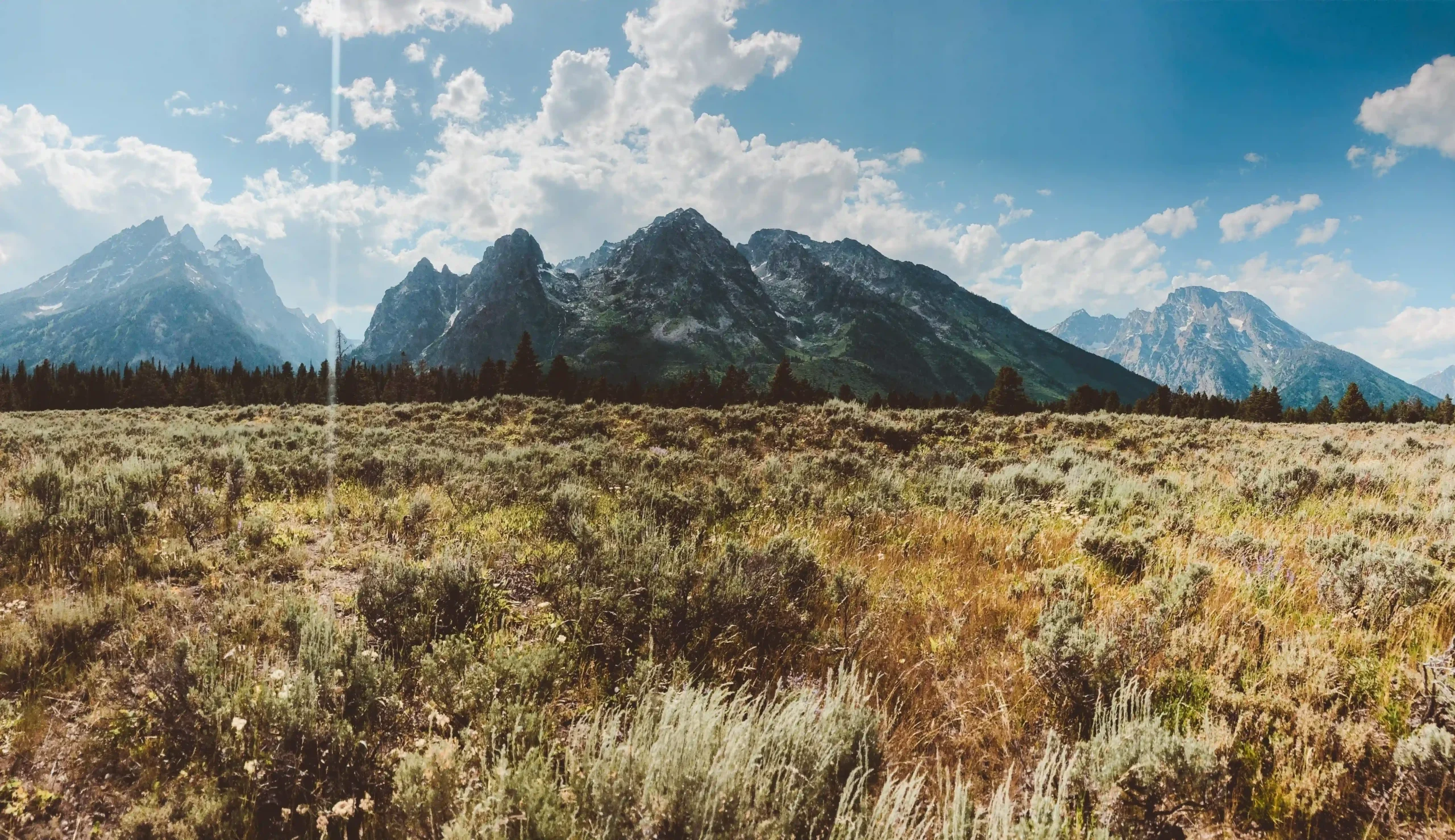
Welcome to the TWS Habitat Restoration Working Group
The Habitat Restoration Working Group (HRWG) provides a forum for TWS members to share experiences, techniques and information relative to restoring wildlife populations and degraded habitats.
We explore methods for implementing ecosystem management principles that enable whole communities to recover, and seek to identify effective monitoring and evaluation programs to determine successes and failures of restoration techniques.
If you are interested in learning more about the working group, please reach out.
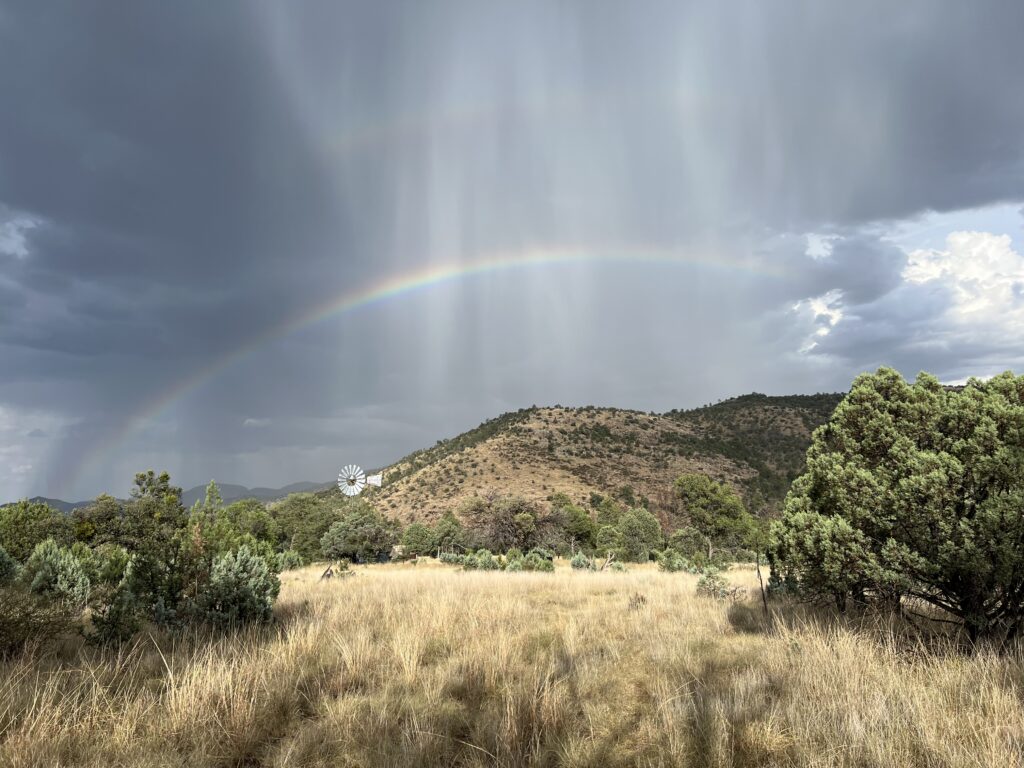
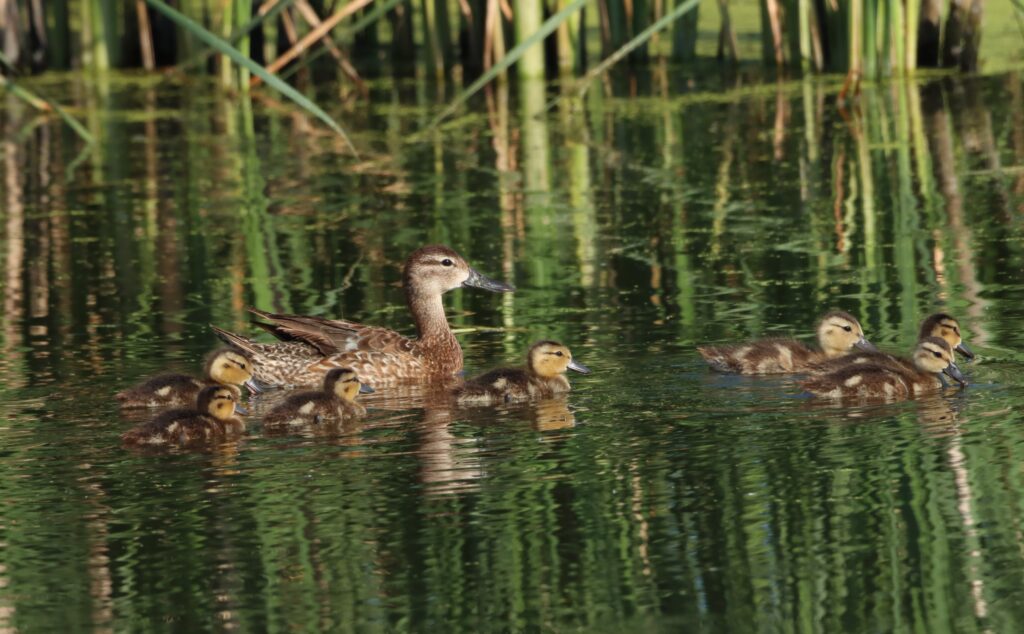
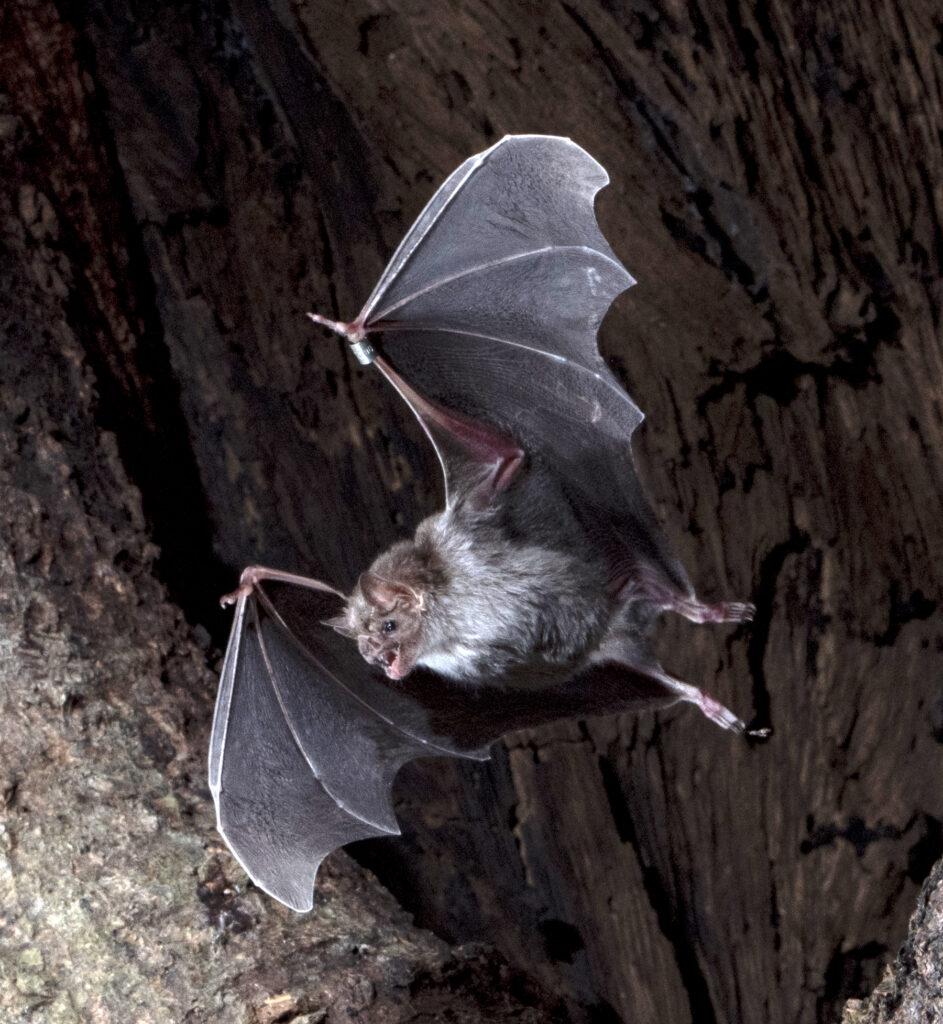
(Photo Credit: Mackenzie Taylor)
Goals
- Facilitate communication and the collegial exchange of information among members of the Society interested in the restoration, management and conservation of wildlife habitat.
- Identify and publicize innovative approaches to research, management and teaching that advance effective wildlife habitat conservation.
- Enhance the knowledge, understanding and technical capabilities of natural resource professionals and land managers working to restore the structure and function of disturbed landscapes for the benefit of native wildlife species.
- Increase public awareness and appreciation of the benefits and potential for restoring and conserving habitat to promote wildlife conservation.
- Promote interdisciplinary collaboration among the many natural resources professions involved in habitat restoration.
- In cooperation with the Council, influence policy makers whose decisions may have far-reaching implications for the sustainability of wildlife populations and their habitats.
- Embrace, foster and promote a commitment to diversity, equity and inclusivity among members of the Working Group and the Society broadly.
See More
See LESS
Actions:
To aid in the achievement of these goals, the Working Group proposes to:
- Provide regular communication and professional development opportunities to members of the Society interested in ecological restoration through meetings, webinars, symposia, workshops, technical sessions, position statements, newsletters, publications and other means.
- Promote membership in the Society and Working Group to natural resource professionals interested in the restoration, management and conservation of wildlife habitat.
- Provide journalists, government officials, other conservation organizations, policy makers and members of the general public with clear, concise information about the importance of restoring and conserving habitat for the benefit of native wildlife species.
- Identify ways and means to cooperate with other Society Working Groups concerned with conservation and restoration science (e.g., Biological Diversity, Climate Change and Wildlife, Forestry and Wildlife, Rangeland Wildlife and Conservation Affairs).
- Be a Supporting Partner of the UN Decade on Ecosystem Restoration
- Collaborate in programming with other natural resources and environmental groups working in the areas of conservation and restoration science (e.g., Society for Ecological Restoration, Society for Conservation Biology, IUCN Commission on Ecosystem Management, and IUCN SSC Conservation Planning Specialist Group).
- Make recommendations to the Society Council for specific actions to be taken by the Society in the area of wildlife habitat restoration and conservation.
- Prepare draft technical reviews, position statements and other materials in the area of restoration for consideration by the Council.
- Provide financial support in the form of scholarships and travel assistance to support the participation of students in Working Group-sponsored professional development opportunities.
- Provide professional mentoring opportunities for students interested in wildlife habitat restoration and conservation.
- Provide a welcoming environment for members of under-represented groups interested in habitat restoration and conservation.
See More
See LESS
Announcements
The Wildlife Society 2026 Annual Conference Scholarship Announcement
The Habitat Restoration Working Group will award up to four (4) scholarships to attend TWS’ 2026 Annual Conference in Des Moines, Iowa. These awards will aid new professionals, graduate students and/or presenters focusing on the UN Decade on Ecosystem Restoration or Ecological Restoration broadly, who wish to attend the conference. Scholarship value will be up to $500.
Application deadline: Monday, Oct. 12, 2026 (11:59 p.m. PST).
Click here for further details.
The Habitat Restoration Working Group is seeking volunteers to fill two board member positions for the upcoming elections this fall.
1) Chair-Elect
2) Board Member At-Large
This is a great opportunity to be more involved with the working group and TWS! For more information on board member responsibilities, or to nominate yourself or somebody else, please reach out to Angela Burrow, HRWG’s Chair, at [email protected].
Hot off the press!
Read our Summer 2026 newsletter here: HRWG Newsletter Summer 2026
Become a member
Membership is available to all current TWS members. You may join our working group by logging in to your TWS account.
Donate to support our continued mission of habitat restoration and providing resources to students and professionals.
Officers
Chair: Angela Burrow
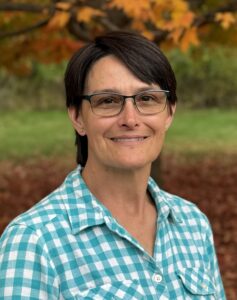
Angela is an assistant professor at Michigan State University in the Department of Fisheries and Wildlife. Her research focuses broadly on the interactions between natural dynamic processes (e.g., fire, flooding, succession), human-driven disturbance and natural resource conservation & management (e.g., herpetofauna) within wetlands and the terrestrial environments in which they function. As a wildlife ecologist, she uses a multiple stressor lens to investigate the impact of environmental change and other stressors on wetlands and wetland associated wildlife. A critical part of her work is evaluating the effectiveness of restoration and management actions to support the resilience of herpetofauna and their wetland habitats. Working closely with stakeholders including state and federal agencies, non-profit organizations and local communities to develop, produce and share research findings is important to her.
Chair-elect: Derrick Lindsay
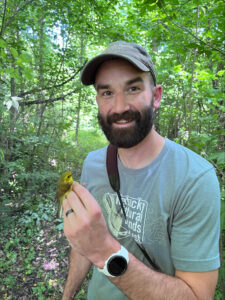
Derrick is the Stewardship Manager with Kentucky Natural Lands Trust (KNLT) providing land management and stewardship coordination for KNLT preserves on Pine and Cumberland Mountain by protecting, connecting, and restoring wildlands in eastern Kentucky. He oversees and conducts biological research and inventory of fauna and flora on KNLT preserves with local colleges, universities, federal, state, and other non-profit agencies to identify and protect local ecosystems. Derrick is also a certified Pollinator Steward, Wildland Firefighter, and Associate Wildlife Biologist with over 12 years of habitat restoration experience in Kentucky. Derrick joined KNLT in the fall of 2016 and previously worked for the Kentucky Department of Fish and Wildlife Resources and Cumberland Gap National Historical Park Service. He holds an M.S. in Environmental Policy and Management (concentration in Fish and Wildlife Management) from American Public University and B.S. in Biology from Lincoln Memorial University.
Derrick has been active with the HRWG since 2023 and has been a Member-At-Large, Treasurer – Secretary and is currently the Chair-elect.
Past Chair: Amber Dabbs Pippin, AWB®
HI! My name is Amber Pippin! I am an Associate Wildlife Biologist®, certified through TWS since 2020. Since graduating from Texas State University in April 2020, I have been working for Wildlife Rescue and Rehabilitation, holding many titles. I have a passion for birds, bird surveying and banding in particular, but also have a deep passion for Habitat Restoration. My interests have led me to the HRWG, and I now hold the Chair-Elect position for the WG. I am excited to hold this position and hope to impact current habitat conservation and restoration efforts.
Secretary-Treasurer: Rob Magill
Robert is a semi-retired Wildlife Conservation biologist with a professional and educational focus in avian ecology. He has been an active member of The Wildlife Society (TWS) since 1999 having served in many different roles including holding positions as an executive board member for the Colorado Chapter, the Conservation Affairs Committee (CAC) representative for the Idaho Chapter, the Northwest Region’s CAC, and most recently as the Chair/Immediate past chair for the Habitat Restoration Working Group. He has maintained his Wildlife Biologist certification through TWS since 2007, has an MS in Wildlife Management (Texas Tech University) and a masters-level professional certification in Non-profit Administration (Boise State University).
Robert is also a Certified Restoration Practitioner in Training from the Society for Ecological Restoration (SER) and has been a member since 2007. He serves as the Secretary for the SER Northwest Chapter. He also served as an active member of the Program Committee for the 2024 SER North American Conference. Robert’s recent activities include serving as a co-lead for the UN Decade on Ecosystem Restoration, Coalition of Working Groups, representing TWS in its role as a Supporting Partner of the UN Decade on Ecosystem Restoration. He is passionate about large scale restoration and bridging the gap between wildlife and restoration science and practice.
Board Members:
Alex Hoxie
Alex received his B.S. in Environmental Science from the University of Texas at San Antonio with a concentration in conservation and restoration ecology in 2022. While there, he served as the president of the student TWS chapter for 2 years. Currently, he is a master’s student at Tarleton State University in Stephenville, Texas, with his thesis research focusing on the abundance of microplastics in nestling house sparrows. After his master’s, he plans on pursuing his PhD, continuing to research avian ecology, where he hopes to incorporate his passions for bird conservation and restoration. Alex believes that effective communication is central to the mission of the HRWG and TWS as a whole. He is looking forward to his role in engaging with the members of the HRWG and developing our community.
Mason Thomas
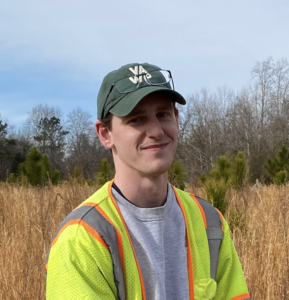
Mason is an ecologist based out of Richmond, VA. He specializes in riparian habitat restoration. He enjoys reading books about folklore and history, as well as fantasy novels. He likes to write, do crafts, and hike.
Drew White
Drew White-Jacobson is a Desert Tortoise Biologist with the Center for Environmental Management of Military Lands – Las Vegas under Colorado State University. As a child of the Intermountain West Drew’s love of the outdoors manifested into a career with professional experience that has taken her across the US as well as to Costa Rica, Canada, and Africa. Drew earned a B.S. in Conservation and Restoration Ecology at Utah State University, and M.S. at Tarleton State University. Her career has focused on sensitive species conservation and preservation from an ecological management perspective. Drew has been an active member of her national and local TWS chapters for many years and has proudly served as chair of the Scholarship and Awards Committee, and a Board member at large since 2022.
Communications Chair:
Lauren Gingerella
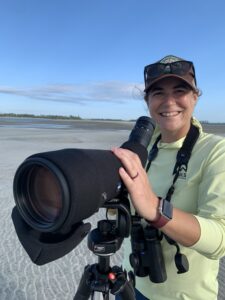
Lauren Gingerella is a Certified Wildlife Biologist and PhD Candidate in the Warnell School of Forestry and Natural Resources at the University of Georgia. Her research focuses on how habitat restoration, through longleaf pine ecosystem management and the rewilding of a former golf course, shapes bird and bat communities in the Southeastern U.S. Her work aims to inform how restoration can be leveraged to support biodiversity on both natural and previously developed lands. In 2024, Lauren founded Chickadee Conservation Consulting, where she provides private landowners and conservation organizations with technical support and professional guidance for managing, restoring, and protecting their natural resources. She is passionate about applying science to real-world conservation efforts and engaging with land managers to promote biodiversity.
Meetings
We encourage all HRWG members to attend the annual business and monthly meetings to stay in touch with the progress of the Working Group as well as to provide feedback to the board on actions that have been or will be conducted. Monthly meetings are held virtually on the first Thursday of every month at 5:30 p.m. MT.