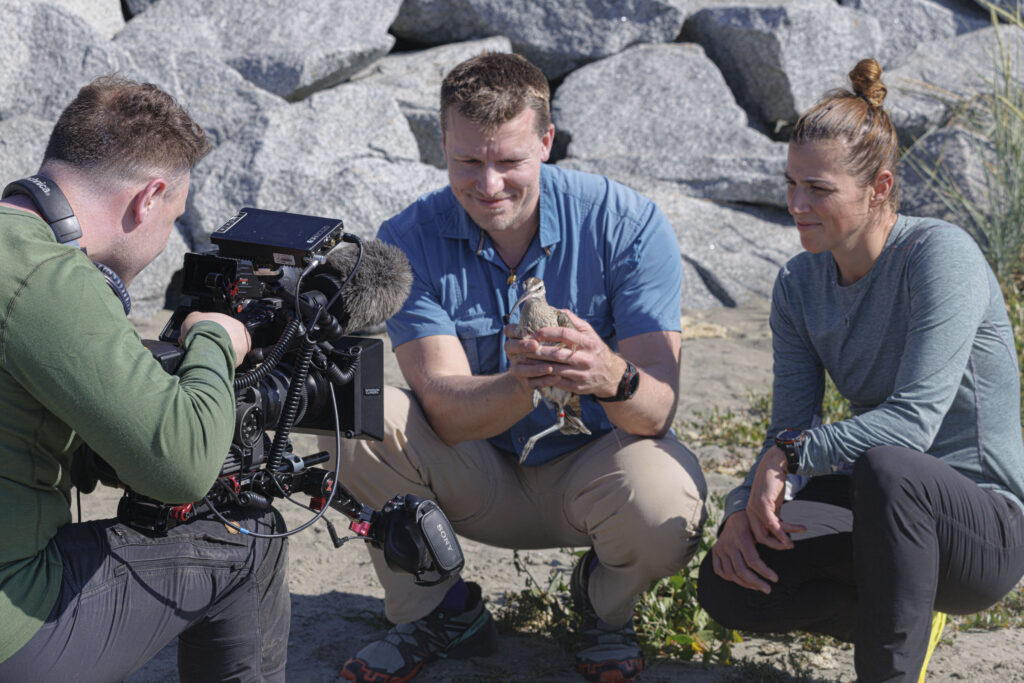
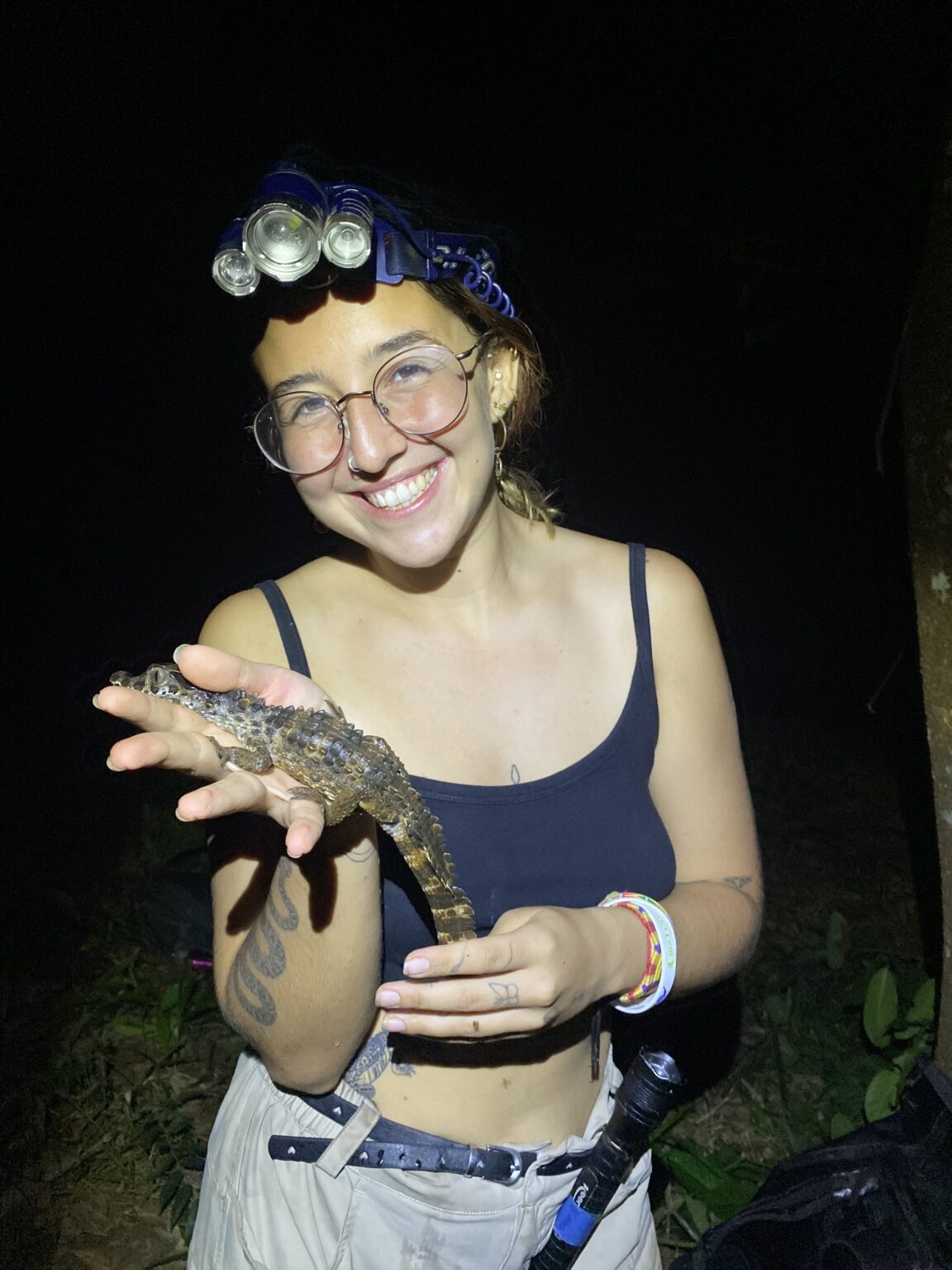
Hallie Cowan is a biologist, photographer and science communicator focused on herpetology and international conservation collaboration. Her partnerships with organizations such as BBC Earth and Photography Life Magazine have allowed her to challenge misconceptions about the deceptively “dangerous” animals she studies.
Hallie specializes in crocodilian ecology and has conducted fieldwork across Latin America including Peru, Dominican Republic and Belize. Her experience spans a broad range of taxa including birds, bats, mammals, marine invertebrates, amphibians and reptiles. She is currently pursuing a master’s in wildlife and fisheries biology at Clemson University, investigating mercury contamination in caimans. This project looks to crocodilians as bioindicators for assessing ecosystem health with a primary focus in Suriname. A goal for this project is to implement long-term monitoring in this understudied region.
Beyond her academic work, Hallie holds positions as a writer for Fstoppers, ambassador for Girls Who Click, and social media contributor for the Crocodile Research Coalition and Global Women in Herpetology. Through these roles, she uses photography and social media to make conservation more accessible and engage broader audiences. Her photography has won first place in the Florida Society of News Editor’s award for photography and third place in the Pinnacle College Media Awards as part of the Feature Magazine of the Year award.
Hallie also has extensive experience in mentoring and teaching students through her roles as a research coordinator in Peru with Fauna Forever and teaching assistantship at Clemson University. Her skills in cross-cultural collaboration, student mentorship, field research and science communication make her a valuable asset to the Latin American and Caribbean Working Group. Hallie’s ability to connect diverse teams and foster inclusive spaces makes her a strong advocate for regional collaboration and membership growth within the group. As a Latina in science, Hallie is passionate about creating inclusive spaces that uplift historically undervalued voices. She is committed to using her role to strengthen international partnerships, promote bilingual outreach and support the next generation of diverse conservation leaders.