Slideshow: Tackling Dog Fever in Serengeti Lions

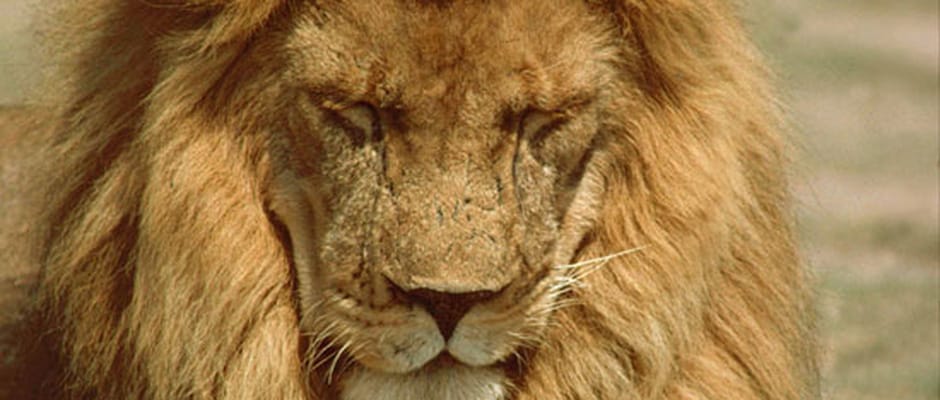
Serengeti Lions

No dog news is good news, at least as far as a cat is concerned.

A strategy currently used to control the spread of the infectious canine distemper virus (CDV) by vaccinating domestic dogs that likely first transmitted it to Serengeti lions (Panthera leo) may not be very effective for the big cats.

A new study released yesterday in the Proceedings of the National Academy of Sciences shows that while vaccination may control the disease in domestic dogs themselves, it may be necessary to take other measures including vaccination of lions (Panthera leo) to prevent further spread of this devastating disease among the cats and other vulnerable wildlife.

“[CDV] often kills the animals, so much that in 1994 approximately 1,000 lions in the Serengeti were killed,” said Mafalda Viana, a mathematical biologist at the University of Glasgow and the lead author of the study.

In 1996, wildlife managers and others began implementing programs to vaccinate domestic dogs in villages surrounding the Serengeti National Park in Tanzania, hoping that would stop further transmission of the disease to the park’s lion population.

“Until now no one had looked at whether this vaccination program was actually working on the dogs or the lions,” said Viana. Her study found that while domestic dog vaccination helped dogs, it wasn’t enough to prevent lion infection as other species including jackals, hyenas, mongooses, and endangered African wild dogs (Lycaon pictus), also infected with the disease, could be transmitting it to lions. In fact, African wild dogs have been badly hit by CDV with a pack of dogs near the Serengeti recently suffering more than a 90 percent mortality rate.

“We could start thinking about vaccinating endangered species directly,” Viana said about potential management strategies to stop the spread of CDV. However, since the vaccines currently used were developed with dogs in mind, their effectiveness with lions or other species is unknown. And even if the vaccinations used for domestic dogs may be safely translated to African wild dogs, “it’s not easy to go and catch a wild dog, and there are certain ethical aspects that should be considered.”

Some would also argue that it’s best not to interfere at all in cases involving wild animals. But Viana feels the discussion needs to happen, regardless of what is decided. Siberian tigers (Panthera tigris altaica) have been hit hard in the past few years due to CDV-related causes and scientists are discussing intervention with that species as well.

“Manipulating wildlife is never an easy decision,” Viana said.

2015 The Wildlife Society Award Nominations

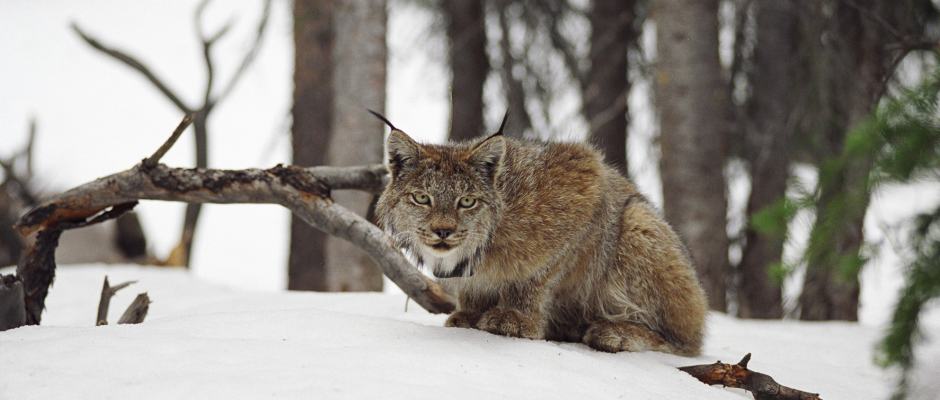
Canada Lynx

The Wildlife Society’s Awards Program honors individuals and groups who have made notable contributions to TWS and wildlife management and/or conservation. Please help us recognize deserving recipients by submitting your nominations for these awards. Please refer to each award description for deadlines and instructions on preparing your nominations.

Sandhill Cranes Workshop in Elk Grove California

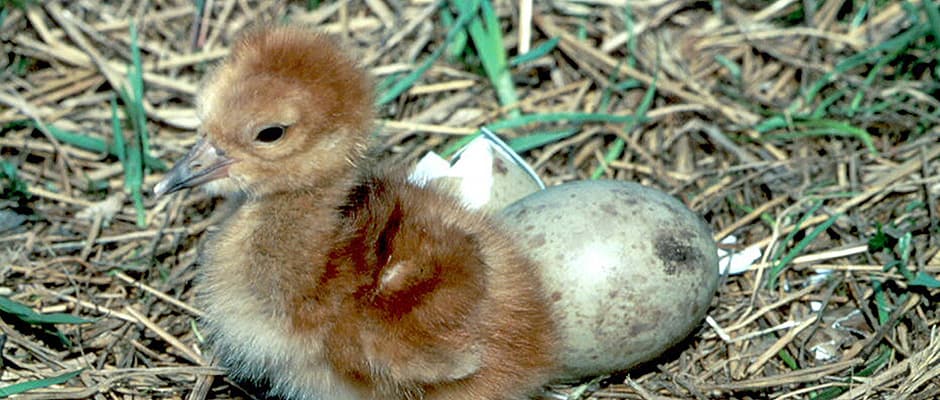
Sandhill Crane Chick

The Sacramento-Shasta Chapter of TWS will be hosting a workshop about sandhill cranes in Elk Grove California with an add-on field option February 17-18th, 2015. The workshop will be taught by species researchers, California State agency personnel, and Federal agency personnel. Topics include life history, regulatory requirements and protections, research and management, and survey protocols and techniques.

The Sacramento-Shasta Chapter of TWS was first organized in July 1966. They serve members in 23 counties of California and encompass a large range of ecosystems. To learn more about this chapter of TWS visit their website and Facebook page.

Early registration rates ($175 Members, $195 Non-members, $95 Students with additional costs for the field session) are available until February 2, 2015. Afterwards, rates will increase for members and non-members. For more information and to register click here. If you have questions please contact sac.shasta@gmail.com or Melinda Dorin Bradbury at melindabradbury@sbcglobal.net.

Diamondback Rattlers Choose their Own Poison

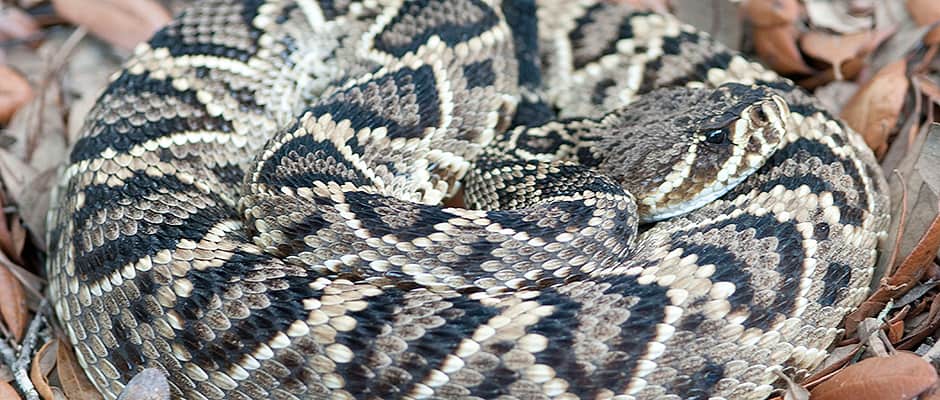
Eastern diamondback rattlesnake

Wildlife managers looking to categorize distinct population segments of some snakes could do well to start by naming their poison.

A new study released last week in the journal GENETICS shows that reptiles like the eastern diamondback rattlesnake (Crotalus adamanteus) may have adapted their particular brand of venom to match the local fauna that lives in their particular neck of the woods.

Eastern diamondback rattlesnake

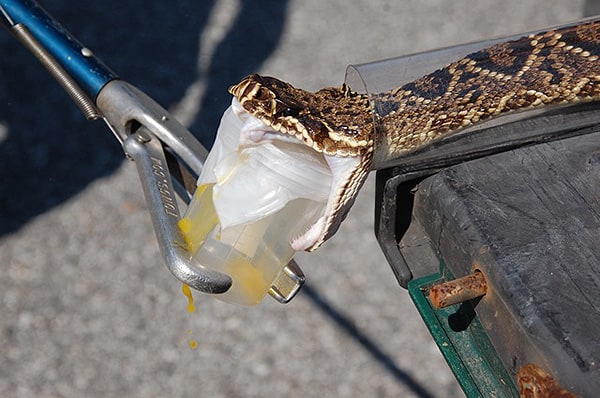
An eastern diamondback rattlesnake from Sapelo Island, GA is delivering venom for proteomic analysis.
Image Credit: Joseph Pfaller

“For one species, the eastern diamondback, we found tons of variation,” said Darin Rokyta, an associate professor of biology at the Florida State University and the coauthor of the study.

He sampled over a hundred snakes in seven different populations of eastern diamondbacks from the Everglades to the Florida Panhandle. Five of these populations showed venoms that were distinct from each other in terms of the chemical make-up of their poison.

“We were shocked,” Rokyta said. “This is the first time anyone has looked at venom variation at this scale, and everybody has assumed that the co-evolutionary arms race would cause local populations to diverge quickly.”

The thinking goes that as the snakes continue to go after the same prey over the centuries, some of those animals will start to develop resistance to the snake venom. In response, the snake venom has to go through its own adaptive changes to keep on top of the game.

These findings are important because the eastern diamondback could be a threatened or endangered species in all or parts of its range.

“The obvious thing here is that the diamondback is currently being considered for protection under the Endangered Species Act right now,” Rokyta said.

The fact that different populations have different venoms could be enough to differentiate them as distinct population segments that receive individual protection even if the whole species doesn’t.

The surprising thing is that Rokyta said testing venom is relatively easy to work with compared to DNA tests: “You can go out, milk a snake, and let it go right there.” It could also be a cheaper way to determine distinct populations. But conserving snakes for venom type is important as each snake may occupy its own particular ecosystem niche.

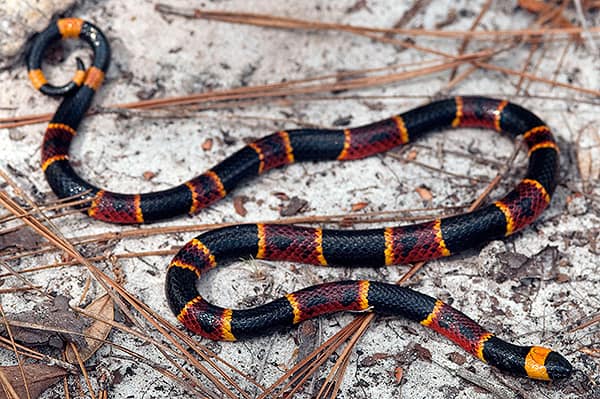
Here is an adult eastern coralsnake from the central panhandle of Florida. Kenny Wray

An adult eastern coralsnake from the central panhandle of Florida.
Image Credit: Kenny Wray

“It’s a long tube with a hole at either side. Without venom, they can’t survive,” Rokyta said. “If those populations go, you lose that entire type of venom.” He added that you couldn’t just replace those extinct populations with snakes from elsewhere as they may not do very well against a modified prey base.

Rokyta said that knowing genetic differences is important but that he would like to see more emphasis on functional differences such as those used by snakes with different venoms when conservation decisions are made about which populations should be saved.

But perhaps more surprising is that Rokyta’s study found another poisonous snake, the eastern corral snake (Micrurus fulvius), has the same brand of venom across its range, according to the study.

This could be due to a number of factors, he said. Possibly, the corral snakes could have a less diverse diet than the rattlers, making their venom more species specific and potent. Or they could be relatively newer in an evolutionary sense and haven’t had as much time to diverge as the diamondbacks.

“It could have nothing to do with the function of the venom; it could be a historical thing,” he said.

These findings are also important for developing anti-venoms — currently none exists for coral snake poison, and knowing the difference between diamondback venoms could allow for more effective treatment for bites from those snakes.

Tree-killing Invasive Bugs Make Jump to New Tree Species

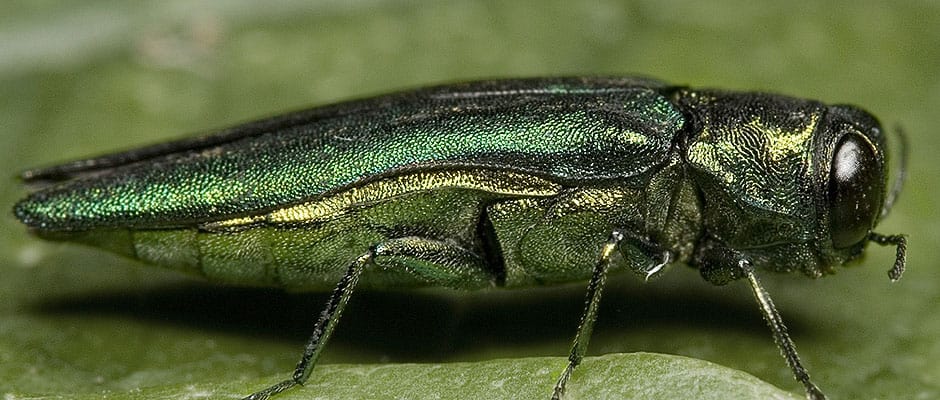
Ash borer

A tiny invasive insect from Asia that has laid waste to North American ash trees is expanding its attack to white fringetrees, according to new research.

Don Cipollini, Professor of biological sciences at Wright State University and an author of a paper that came out today in the Journal of Economic Entomology, was looking at trees in Yellow Springs, Ohio this past summer when he noticed signs of emerald ash borer (Agrilus planipennis) infestation in a white fringetree (Chionanthus virginicus). “Their damage was thought to be restricted to ash trees so far,” Cipollini said.

But Cipollini was looking at trees in Yellow Springs, Ohio this past summer when he noticed signs of ash borer infestation in a white fringetree (Chionanthus virginicus).“Lo and behold on the fourth tree I walked up to, there was an exit hole staring me in the face,” he said of the holes the bugs make after their larvae have matured. He took a closer look, peeling bark from the tree and found actively feeding larvae. “I thought immediately that I had a tiger by the tail,” Cipollini said.

He expanded his research on white fringetrees and found that four of the 20 he examined had ash borer infestations. While the case was closed for him, his findings weren’t confirmed until he sent a sample of an adult male he found dead in a sample section he took from a tree back to an independent lab researcher.

Emerald ash borer

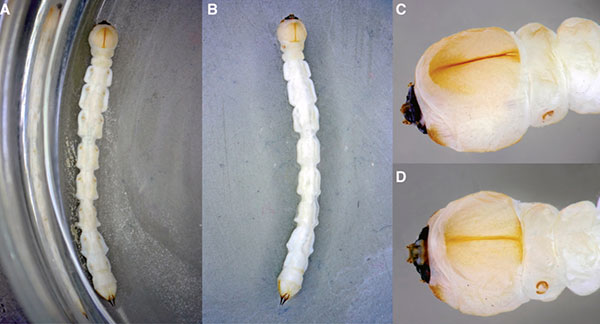
This image shows emerald ash borer larva recovered from white fringetree. (A) Dorsal habitus. (B) Ventral habitus. (C) Dorsal view of head. (D) Ventral view of head.
Image Credit: Entomological Society of America

The finding is significant because white fringetrees are threatened or endangered in parts of its range, which includes tktktk. “The white fringe tree is a regulated tree. In a state like Ohio it’s considered as threatened or potentially threatened because of its rarity.”

He said that while they make up less of the forest biomass than ash trees, white fringetrees produce flowers with nectar important for pollinators. Other wildlife also depends on the olive-like fruits they produce.

If the emerald ash borer continues to expand its North American range, Cipollini also worries that it may eventually reach parts of central Florida that play host to the pygmy fringe-tree (Chionanthus pygmaeus) — a similar species that’s listed as federally endangered under the Endangered Species Act.

Cipollini said it isn’t clear why the ash borer was able to make this jump to the fringetrees, but that related Chinese fringetrees are more resistant to attacks from the insect. “It presumably has a history with the emerald ash borer,” he said.

Crafty Pitcher Plants Prove No Brains Are Better than One

Pitcher plants

It could be called the art of war — there’s no good reason to kill a simple scout when you can lure an entire army into an ambush.

Pitcher plants

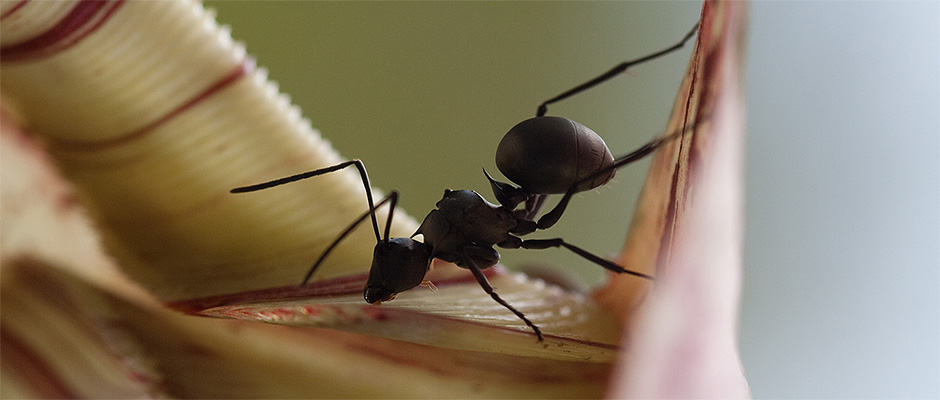
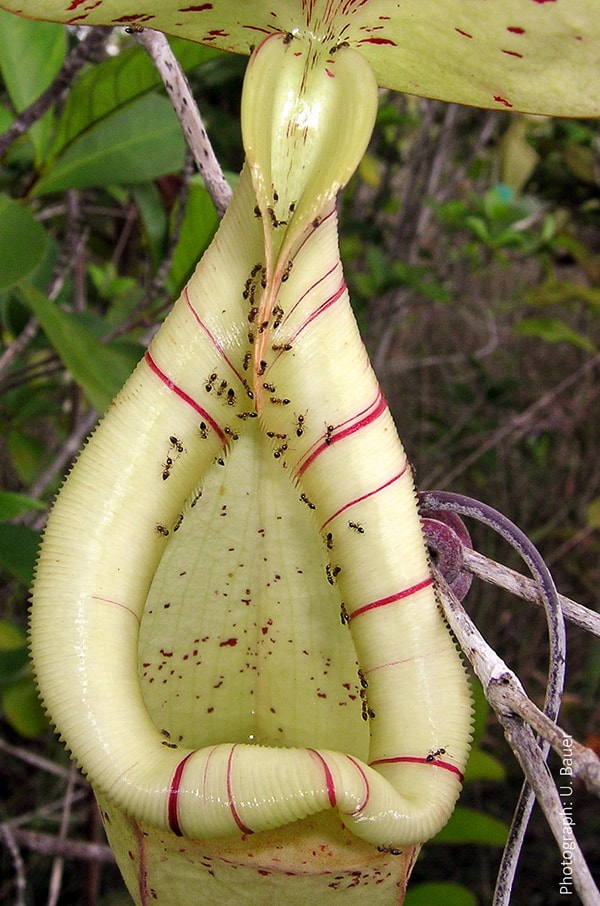
The trap of an insect-eating Nepenthes pitcher plant, swarming with nectar-collecting ants. Research from the University of Bristol, UK, has found that, by ‘switching off’ its traps for part of the day, the plant ensures ‘scout’ ants survive and are able to lead large numbers of followers to the trap. When the trap gets wet, it suddenly becomes super-slippery and captures all visitors in one sweep.
Image Credit: Dr Ulrike Bauer, University of Bristol, UK

New research shows that carnivorous pitcher plants in Borneo have a mechanism that allows them to switch off the slippery texture of the lips when individual ants are sent out to scout the areas for potential food. “The plant’s key trapping surface is extremely slippery when wet but not when dry,” said Ulrike Bauer from Bristol’s School of Biological Sciences and the lead author of a paper released today in Proceedings of the Royal Society B.

Bauer said the findings were strange because the traps act as if they are “switched off” during dry days for up to eight hours at a time. “At first sight, this is puzzling because natural selection should favor traps that catch as many insects as possible,” Bauer said. But when the researchers manipulated the pitcher plants to keep them wet all day, they found that the pitcher plants caught individual ants, but never larger batches of ants that had been observed in some plants in natural conditions.

The reason could be that the pitcher plants are outsmarting the ants’ intelligence and reconnaissance system.

“Ants are social insects,” he said. “Individual ‘scout’ ants search the surroundings of the nest for profitable food sources. When they find a pitcher trap full of sweet nectar, they go back to the colony and recruit many more ant workers.”

But the traps that were slippery all the time killed the messenger before it had a chance to bring in all its buddies.

“By ‘switching off’ their traps for part of the day, pitcher plants ensure that scout ants can return safely to the colony and recruit nest-mates to the trap,” Bauer said. “Later, when the pitcher becomes wet, these followers get caught in one sweep. What looks like a disadvantage at first sight, turns out to be a clever strategy to exploit the recruitment behavior of social insects.”

Delaware Valley Visits Elk Country

Del Val Students

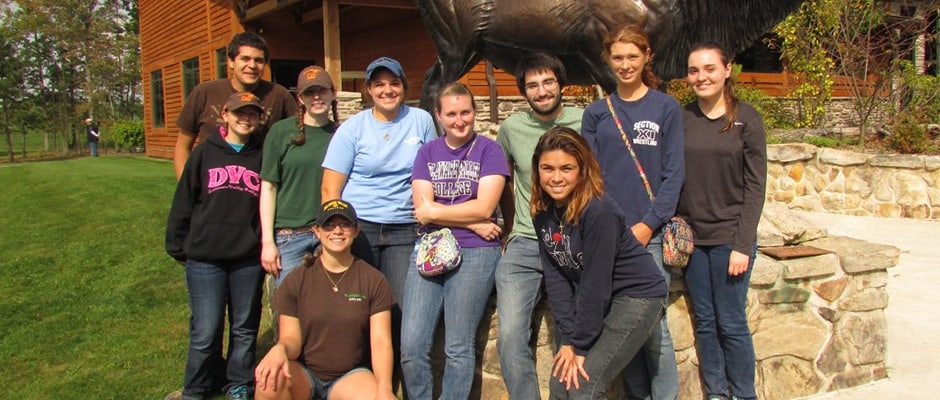
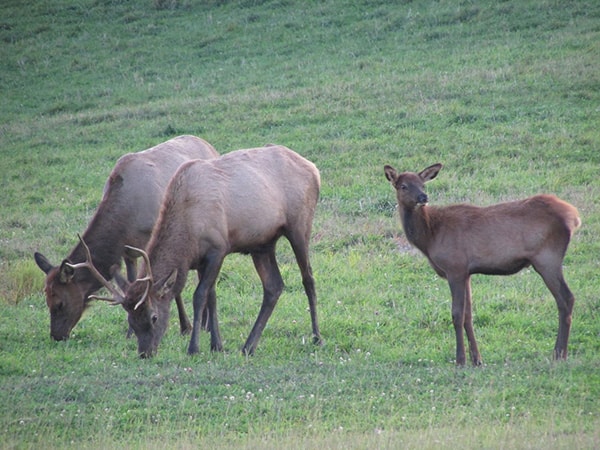
Delaware Valley College’s Student Chapter of TWS never tires of our annual trip to Elk Country centralized in Benezette, PA. In September, ten of our members set off on a road trip in search of elk during the peak rut. The reintroduced population is highly celebrated in Pennsylvania – and for good reason! The eerily beautiful bugles that are ubiquitous throughout the valleys have a way of captivating you and it’s what brings us back year after year. The odd weather in the months prior to our visit had us a little concerned that we would miss the rut, but thankfully we were wrong.

Del Val Elk

Image Credit: Sarah Kass

The activity from this year was quite possibly the best we experienced as a chapter. We frequented a very popular spot called Winslow Hill and hunkered down to wait for the elk to arrive (either early in the morning or in the evening). While we were never able to predict where to find them, Winslow Hill was always a good bet and never let us down. Many times the herds numbered over 25 individuals with a few large bulls dominating the groups. The sparring we witnessed was so incredible that we lost count the total number of duels.

When we weren’t at Winslow Hill we took advantage of the incredible hiking terrain and even found a few elk hiding away in the thick brush. The trip was one to remember and certainly validated our passions for working in the wildlife field.

Another major event of the semester was our Passenger Pigeon exhibit. In order to commemorate the 100th anniversary of the extinction of the passenger pigeon, the chapter spearheaded a project to fabricate an exhibit, with the aid of Project Passenger Pigeon, to be on display for the campus. With the help of the campus community, origami passenger pigeons from The Lost Bird Project were constructed to adorn the exhibit and placed around campus. Our adviser also organized a public showing of the documentary “From Billions to None” to be shown on the campus.

The event was a great success and included an open discussion session which allowed the audience to weigh-in with the current issues we face with proper population management. T-shirts designed by the chapter were also sold for profit to be given to an outside organization. The event memorialized an amazing species in the minds of all those in attendance.

These events, among other smaller-scale programs and trips, were successful in increasing our student chapter’s camaraderie and education.

Delaware Valley’s Student Chapter was organized in June 2008. For information on the chapter’s upcoming events visit their Facebook.

Wildlife Policy: Highlights of 2014 and Impacts for 2015

Sage grouse

The year 2014 saw several major federal activities affecting wildlife policy within the United States. It brought changes to Duck Stamps and the Farm Bill, while there was a noticeable lack of progress in areas of feral horse and burro management and establishing consistent funding for wildfire suppression. Here, we explore the major wildlife policy topics of 2014 and how they will continue into 2015.

Farm Bill

The new Farm Bill was finally approved in early 2014 and introduced changes to existing conservation incentive programs, consolidating 23 programs into 13. The Wetland Reserve Program, Farm and Ranchland Protection Program, and Grassland Reserve Program were consolidated into Agricultural Conservation Easement Program, which provides financial assistance to private or non-federal entities to develop conservation easements. The Wildlife Habitat Incentive Program was consolidated into the Environmental Quality Incentive Program (EQIP). At least five percent of all payments administered by EQIP must now be directed towards wildlife-focused conservation practices. The Conservation Reserve Program (CRP) continued, although with some changes including allowance of up to 2 million acres of grasslands to be eligible for enrollment in CRP, but with an overall reduction in maximum enrollment. The coming year will see continued efforts in implementing the 2014 Farm Bill programs.

Duck Stamps

A bill increasing the price of Migratory Bird Hunting and Conservation Stamps — more commonly known as Duck Stamps — from $15 to $25 was signed into law by President Barack Obama in December. Duck Stamps are used to fund migratory bird habitat acquisition by the U.S. Fish and Wildlife Service. The last price increase to Duck Stamps was in 1991. The new duck stamps will go on sale July 1.

Conservation Funding

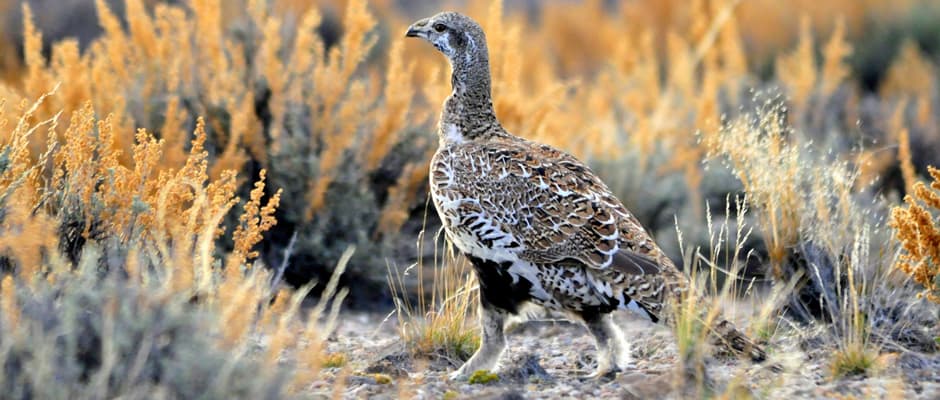
The Fiscal Year (FY) 2015 “CROmnibus” Appropriations Bill was approved by Congress to avoid a government shutdown after lengthy negotiations and two months after the end of FY2014. The spending bill, which contains 11 of the 12 regular annual Appropriations bills and one Continuing Resolution, will keep the government running through the end of FY2015 in October. The U.S. Geological Survey and National Wildlife Refuge System both received increases in funding from FY2014, while the State and Tribal Wildlife Grants Programs received level funding. However, several “conservation riders” were attached to the appropriations bill, resulting in legislation that prevents the Greater Sage-grouse (Centrocercus urophasianus), Columbia basin Sage-Grouse (Centrocercus urophasianus), and Gunnison Sage-Grouse (Centrocercus minimus) from being listed under the Endangered Species Act (ESA). It also prohibited the Environmental Protection Agency (EPA) from expanding any funding for the regulation of lead ammunition and fishing tackle under the Toxic Control and Substances Act. TWS’ Fact Sheet and Technical Review describe the impact of lead on wildlife. While these riders are only in effect for FY2015, they may be carried over into future fiscal years, as previous bills are often used as the basis to draft new appropriation bills.

Proposed ESA Listings

The previous year was eventful for ESA listings and related issues. Several high-profile species received protection under the act. Discussion regarding the possible listing of Greater Sage-Grouse, which is blocked from receiving further listing under the ESA by a policy rider in the FY2015 appropriations bill, and northern long-eared bats has continued into the new year. The House Natural Resources Committee released a report in December questioning the consistency and accountability of peer review of ESA listings, which may lead to the introduction of legislation aimed at revising the ESA in 2015.

Feral Horse and Burro Populations

Feral horses and burros remain a critical conservation issue on western lands, especially those managed by the Bureau of Land Management (BLM). Early this year, the BLM sought proposals to help manage feral horse and burro populations in western states during the first half of 2014. The BLM removed fewer feral horses during FY2014 due to lack of funding and decreased demand for adopted horses and burros. This prompted Wyoming to sue the federal government for failing to manage feral horse populations at appropriate levels. The state claimed large feral horse populations were causing land degradation and harming wildlife habitat. The impact of feral horse and burro populations on wildlife and their habitat is described in TWS’ Feral Horses and Burros: Impacts of Invasive Species Fact Sheet.

Clean Water Act

In April, the EPA proposed a rule to clarify which water bodies fall under the jurisdiction of the Clean Water Act after confusion created by several Supreme Court rulings. According to a panel of scientific advisors, the proposed rule is supported by science and should be even more extensive. However, the House passed a bill to block implementation of the rule. TWS submitted comments to the rule, suggesting changes to specific language in order to reflect current scientific knowledge. Comments were accepted through November 14, 2014, and a final rule will be proposed by the EPA and Army Corps of Engineers in April 2015.

Wildfire Funding

2014 concluded without action on a bill introduced in December 2013 and a request for funding by President Obama in July 2014, both of which would address the issue of the U.S. Forest Service needing to funnel funds from other sources to cover the costs of fighting wildfires. Both included language to establish an account for disaster funds to fight wildfires, instead of utilizing funds originally allocated to other uses, like restoration efforts and forest research. Despite bipartisan support for the issue, appropriations for wildfire fighting were left out of spending packages for FY2014 and 2015. Representatives recently reintroduced the bill in early 2015 and are supported by private forest owners, sportsmen, conservationists, and the logging industry.

As 2015 continues, TWS Government Affairs Team will continue to follow and address these major federal wildlife activities and how their development impacts wildlife policy within the US.

Sources: Energy & Environment Daily (September 10, 2014), Energy & Environment Daily (December 11, 2014), Energy & Environment Daily (January 9, 2015), Energy & Environment News PM (December 8, 2014), Greenwire (September 30, 2014), Greenwire (December 12, 2014)

Swamp sparrows hear bird songs in a similar tune to humans

Swamp sparrow

Researchers looking to decode sparrow songs have discovered that birds respond in a similar way humans do to sound patterns.

“It has been known for a while in the swamp sparrow, that the birds will categorically perceive the smallest pieces of their songs,” said Steve Nowicki, a biology professor at Duke University and the senior author in a new study released last week in the Proceedings of the National Academy of Sciences.

But Nowicki said that the researchers made an unexpected discovery that the birds could perceive and respond to artificial alterations in the songs.

To conduct the research, Nowicki and others recorded the songs of 206 swamp sparrows in Pymatuning Lake, Pa. and analyzed the sounds.

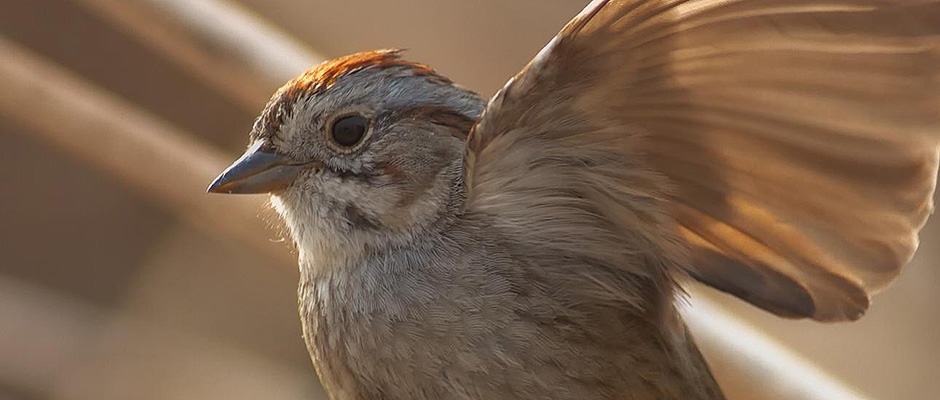
They then replaced small snippets at the beginning or end of the recordings with different notes and played the songs back to male sparrows. Since male swamp sparrows are territorial, they responded aggressively — flipping their wings up into the air when they heard the modified sounds.

“If birds are literally flipping the bird they are very likely to attack,” Nowicki said.

But after a while of hearing the same song, the males calmed down and began to ignore the songs. But when Nowicki and the others subtly modified the tune once more, the birds perked up and responded aggressively once more.

The birds would also respond more aggressively, more weakly, or not at all depending on where certain notes were placed in the song.

“It’s surprising because the birds don’t have the complicated syntax and sound that humans have,” Nowicki said. He said that the study was partially to see whether birds could adapt to partial phonemic overlapping. The latter is a phenomenon that exists in human speech that allows us to separate often similarly pronounced sounds such as the “t” in “city” and the “d” in “ready.”

“This is showing that the brain mechanisms that birds bring to the table to perceive their songs are as complicated as the mechanisms we use in speech,” he said.

The research was undertaken as part of a larger project on finding the ways that humans developed language by studying forms of animal communication.

“Bird song has long been a model for understanding human speech processes.”

2014 TWS Fellows Appointed, 2015 Nominations Now Open

TWS Fellows Awards 2014

The nomination period for TWS Fellows has officially opened, with nominations due by February 15, 2015. This is your opportunity to encourage recognition of members who have distinguished themselves through exceptional service to wildlife resources and our profession.

TWS Fellows are appointed for life and serve as ambassadors for The Wildlife Society. They are encouraged to engage in outreach and other activities that will benefit and promote TWS and the wildlife profession.

To nominate a deserving individual, review the criteria and nomination process here, and then download and submit the Fellows Program Nomination Form.

At the Society’s 2014 Annual Conference in Pittsburgh, 10 deserving individuals were appointed as TWS Fellows. The Wildlife Society congratulates them for their achievement and thanks them for their contributions.

You can view the complete list of Fellows appointed since 2003 here.

Information on other TWS Awards deadlines and nominations processes will be announced on the homepage and in the Awards section here at wildlife.org, and through our members-only weekly eWildlifer newsletters.


2014 TWS Fellows

Jane E. AustinJane E. Austin
Jane’s research has focused on the ecology of wetland birds and their habitat, habitat management practices, and information transfer through publications, synthesis products, and workshops. Her work includes 49 peer-reviewed publications, more than 30 reports and other products, and three workshops that were designed to provide useful information to land managers and policy makers in the U.S. Fish and Wildlife Service and other natural resource agencies. These studies often involved work across broad geographic areas of the United States that dealt with the interrelation between populations and habitats across a regional scale and the similarity of habitats, animal ecology, and problems across the northern Great Plains and Intermountain West.

Mike ConnerMike Conner
Mike has a distinguished record of serving TWS in a variety of capacities since 1988. A charter member of the student chapter at the University of Tennessee at Martin, he also was a member of the Mississippi Chapter from 1989 to 1993 and the Arkansas Chapter from 1993 to 1997. He is a member of the Georgia Chapter, the Southeastern Section, and the Wildlife Damage Management Working Group. Recently, Mike served as the interim secretary-treasurer for the newly formed Hunting, Trapping, and Conservation Working Group. His other TWS activities include servind as secretary-treasurer of the Southeastern Section, co-editor of a TWS technical review on prescribed fire, and member of the Editorial Advisory Board for The Wildlife Professional.

Brian L. CypherBrian L. Cypher
Brian has been very active in TWS throughout his career. A member since 1980, he has participated in several subunits including the Western Section, the North Central Section, the Illinois State Chapter, and the San Joaquin Valley Chapter. He also has chaired seven sessions at Western Section annual conferences. A Certified Wildlife Biologist since 1993, Brian has held a wide range of positions including associate editor for the Journal of Wildlife Management from 2003 to 2004 and associate editor/editor for the Transactions of the Western Section from 1999 to 2004 and in 2007. For the San Joaquin Valley Chapter, he served as president, secretary, representative to the Western Section, and newsletter editor.

Jaqueline L. FrairJaqueline L. Frair
Jacqui has been a TWS member for nearly a decade and has demonstrated a clear and deep commitment to the profession and the Society. She consistently publishes in TWS journals and reviews papers for the journals. Jacqui also has hosted workshops at TWS annual conferences and encourages both undergraduate and graduate students to present at local and national TWS meetings. She has been active in the New York Chapter, most recently as vice president and in a variety of working groups over the past decade. Her biggest contribution to the profession is mentoring students as the SUNY-ESF Student Chapter advisor, for which she received the Student Chapter Advisor of the Year Award in 2011. She also brings an ESF team to the Student Quiz Bowl each year at the TWS annual conference.

Ralph J. GutierrezRalph J. Gutierrez
Ralph has been a TWS member since 1968, serving as the Humboldt Chapter Representative to the Western Section in 1981, as an appointed TWS representative to The Nature Conservancy from 1990 to 1998, as a member of the Donald Rusch Memorial Scholarship Committee from 2004 to 2006, and as a member of the Caesar Kleberg Memorial Award Committee from 2007 to 2008. He also has served as an associate editor for the Journal of Wildlife Management since 2011. Ralph was recognized as an honorary member of TWS in 2007. He also received TWS’ Publications Award in 2001 for an ecological monograph publication he co-authored on spotted owl population ecology and in 1997 for a studies in avian biology volume on spotted owl demography. The North Coast Chapter honored Ralph in 2000 with their Career Achievement Award.

John L. KoprowskiJohn L. Koprowski
John has demonstrated leadership and commitment as a TWS member since 1986. He has been a member of the Arizona Chapter and the Southwest Section since 2001. Now residing in Arizona, John has become has been an active member of the state’s chapter. He has served as president-elect and president of the chapter from 2003 to 2005 and on the executive board from 2005 to 2007. In addition, John has supported the chapter as chairperson of the Awards, Plenary Program and Nomination Committees from 2003 to 2006. In 2006, he initiated a funding program for student chapter attendance at the Joint Annual Meeting (JAM) of the TWS Arizona and New Mexico Chapters and the Arizona and New Mexico Chapter of the American Fisheries Society, which still continues today. He also initiated funding for the Student-Mentor Lunch program, served as the convener and host of JAM in 2006, JAM Advisory Board from 2002 to 2009, and session moderator in 2002 and 2011.

Joshua J. MillspaughJoshua J. Millspaugh
An active member of TWS since 1993, Joshua is a Certified Wildlife Biologist. He has demonstrated outstanding leadership and service in promoting TWS activities and its mission. In particular, he has been actively involved in organizing TWS conference activities. He also has been an associate editor for the Wildlife Society Bulletin and the Journal of Wildlife Management, and he has served TWS through various educational activities and working groups. Joshua has published many papers in TWS journals and other TWS publications. In 2003, he was the Midwest Fish and Wildlife Conference Wildlife Program Chair and a member of the conference executive committee.
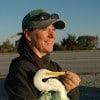
Sara H. SchweitzerSara H. Schweitzer
Sara has made outstanding contributions to our profession and to wildlife conservation within state agencies and academia since the early 1990s. She is an outstanding biologist at the field and laboratory level, a talented educator, and productive researcher and management specialist. The diversity of Sara’s talents is impressive and definitely noteworthy. Her research and conservation interests focus on ecology, management, and conservation of waterfowl, wading birds, seabirds, and shorebirds, especially relative to human activities and responses of avian communities to enhancement and restoration of coastal wetland habitats. Her contributions to conservation efforts in research, management, and education also have benefitted the entire species assemblages of the ecosystems in which she works.

James S. SedingerJames S. Sedinger
Jim joined TWS as a graduate student while attending the University of California Davis in 1977 and has remained a member for 37 years. During that time, he has been active in chapter, section, and international levels. At the state level, he served as the Northern Alaska representative to the Alaska Chapter from 1996 to 1997 and as the president-elect from 2010 to 2011 and president from 2011 to 2012 of the Nevada Chapter. As president-elect, he organized the 2011 Nevada Chapter Annual Meeting and Symposium. In 2014, the TWS Western Section recognized Jim with the Barret A. Garrison Award for outstanding mentorship.

Thomas L. SerfassThomas L. Serfass
Tom is an active and dedicated TWS member who supports the overall mission and vision of the Society. He promotes a high standard of professional ethics and is committed to the development of conservation and management initiatives based on sound scientific principles. Tom has dedicated his professional life to wildlife conservation and has distinguished himself as a leader in our profession. He began his affiliation with TWS as a student at East Stroudsburg University and a student chapter member at Penn State University. He regularly attended chapter meetings and became a contributor at chapter functions and events.