Women of Wildlife
Gender bias in conservation is real. And we’re making great strides together.
Women Are Strong. Capable. Resilient.
We don’t believe that women need special treatment—just unbiased treatment.
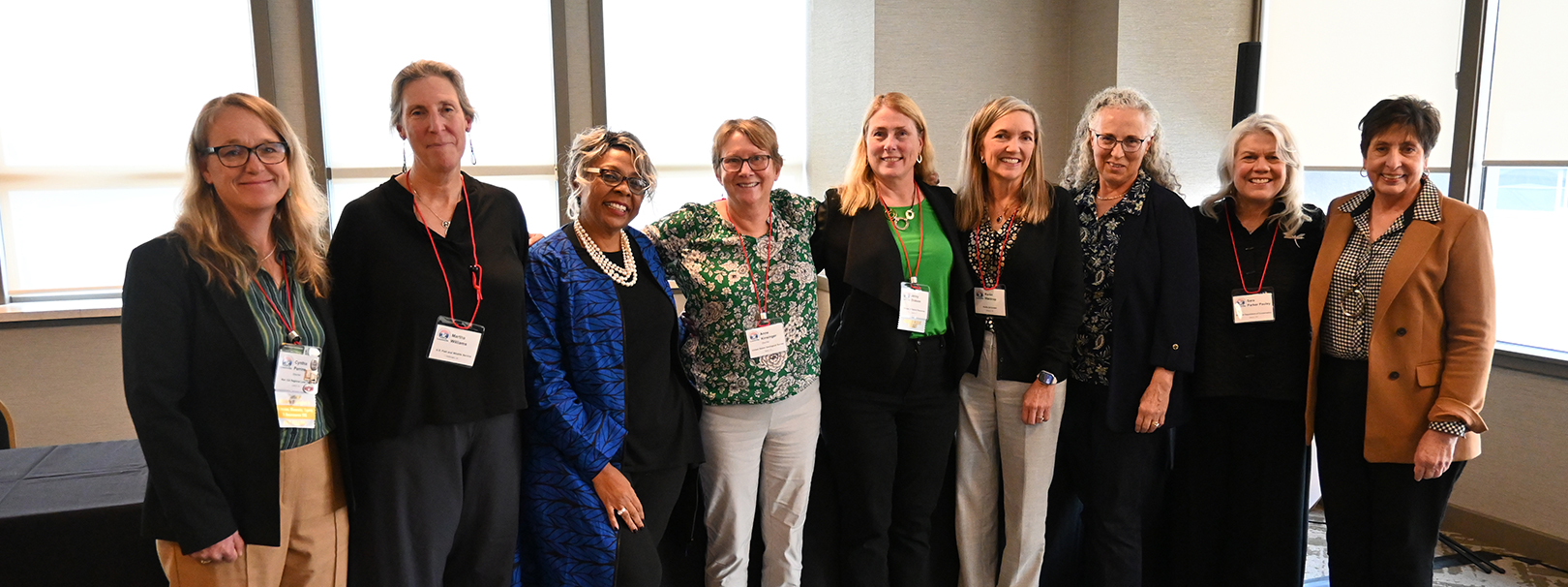
We’re here to empower, promote and support women in wildlife conservation. Our efforts focus on:
- Providing mentoring opportunities and advice
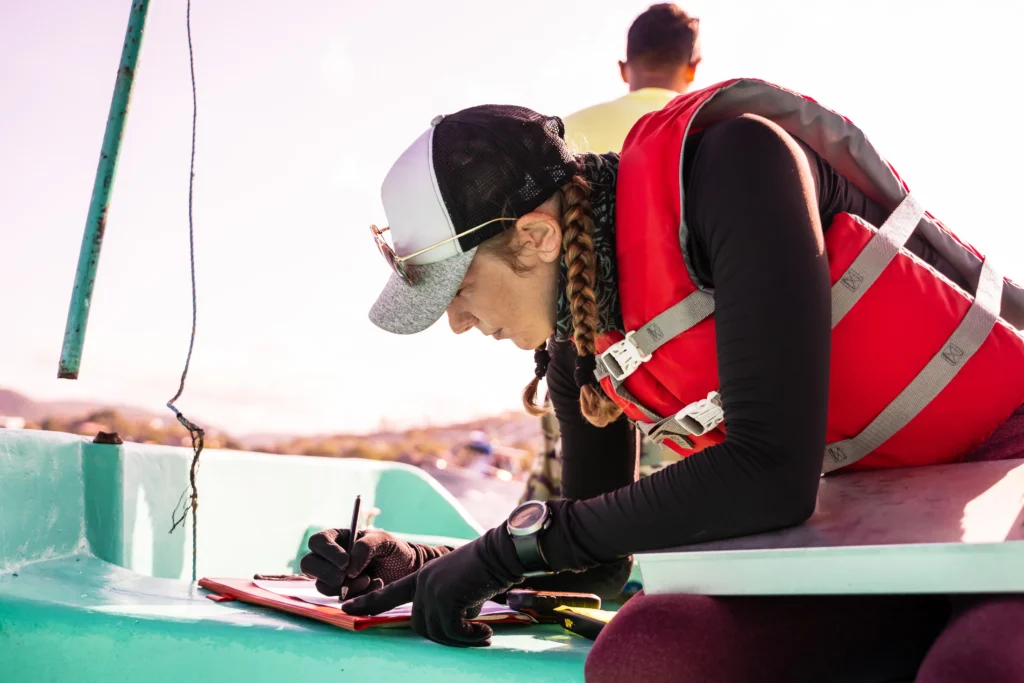
- Advocating for the safety of women in the field
- Developing symposia, programming and networking events for national and international meetings
No membership is required to join Women of Wildlife (WoW), nor do you have to be a woman. We welcome all allies who want to help us close the gender gap in wildlife conservation.
See the Numbers in Wildlife Conservation
19%
Percentage of women university faculty in natural resources (Read article)
54%
Percentage of women (vs. 38% men) who feel expected to provide admin support to other staff—essentially unpaid labor outside of the job duties they were hired to do* (Source study)
85%
Percentage of women estimated by U.S. Equal Employment Opportunity Commission to be sexually harassed during their careers (Source article)
30%
Percentage of women of scientific publication authors reported by The Nature Conservancy (Source study)
90%
Percentage of women field scientists harassed by superiors vs peers (Source study)
See TWS Data
TWS Membership 2011-2024
- 2011
29.85% women and 70.15% men - 2024
48.15% women and 49.73% men
TWS Women First Authors 1999-2024
- 1999
Women: 12.3% Men: 87.7% first authors in JWM (Source article) - 2024
Women: 37.5% Men: 62.5% first authors in JWM (Source article)

1999-2009
Our History
Dr. Jane Packard and Misty Sumner helped found what would come to be known as Women of Wildlife in 1999 as they met up at TWS’ Annual Conference in Austin, Texas. Like other women across professional roles, they had both struggled with the discrimination, exclusion and isolation of working within a male-dominated field, and voicing some concerns around those experiences had not been welcomed in their workplaces. Their response was to organize an informal meeting. Although it was held at the last minute at a restaurant and organized only by word of mouth, the room filled from wall to wall with women who all shared similar experiences.
From this beginning, Dr. Packard collected names and began a listserv that continued to add members. Over the next decade, this group worked to promote diversity, increase recruitment of women into job roles, and advocate for women across wildlife professions.
2010-2011
In 2010, TWS past president and Aldo Leopold Award winner Carol Chambers heard a group of Leadership Institute (LI) participants at the annual conference report to the TWS Council that they wanted to continue networking together after LI ended. So she asked then TWS CEO Michael Hutchins and then Director of Membership Marketing & Conferences Darryl Walter if TWS could develop a formal networking event for women and those supporting women in the wildlife field for the 2011 conference in Hawai’i. They agreed.
Over the following months, a group of women, including Selma Glasscock, Aldo Leopold Award winner Wini Kessler, Misty Sumner, Kathy Granillo and Carol Chambers, met to determine what the event should look like, and then Director of Publishing Lisa Moore set to developing a logo for how we would now formally be known: Women of Wildlife.
Since then, WoW has hosted many workshops, symposia and other events under the leadership of Kathy Granillo with a team of remarkable women who we are deeply proud of.
While progress has been made to increase female representation within TWS and across the broader profession, plenty of work remains.
Join us. All are welcome!
Building Inclusion, Diversity & Equity
A diverse ecosystem is a healthy ecosystem. This is why TWS is committed to identifying and removing barriers to working in the wildlife field. Through our ongoing diversity initiatives, our members and staff have developed a variety of resources and publications to promote diversity efforts throughout TWS and the wildlife profession.
Resources
The IDEA Working Group developed these guidelines for use at The Wildlife Society’s Annual Conference and for organization units to adopt for their local and regional meetings.
One of the ways we pursue our mission is through hosting events that promote and educate TWS members and other wildlife professionals about diversity, inclusion, and equity. We offer this guide to help and encourage others to host their own events throughout the various organizational units of TWS.
IDEA Working Group members created this annotated bibliography describing current literature on women and diversity in wildlife and other natural sciences.