
Join The 1,000!

The 1000

As a TWS member, you now have the opportunity to participate in a pivotal effort that will have a significant impact on the future of TWS.

All members are invited to join an elite group of individuals who will be publicly known and recognized as The 1,000—a group that leads by example and is committed to ensuring that TWS will be universally recognized as the leaders in wildlife science, management and conservation.

The 1,000 was recently created by TWS Past President Bruce Leopold and new TWS Chief Operating Officer Ed Thompson with the goal of creating an additional annual revenue stream of at least $200,000 that will rapidly propel the Society’s strategic plan initiatives that are key to stimulating increased member satisfaction, membership growth and the ability to create new revenue streams from businesses and stakeholders that support wildlife science, management and conservation. Both Bruce and Ed launched the campaign with a donation of $1,000 each to show their commitment to leading by example.

Another 157 generous and committed TWS members from across North America have already answered their call, donating more than $70,000 towards this important effort. Click here to see the current list of charter members who are leading by example as members of The 1,000.

TWS members are already seeing the early signs that this type of support is providing through the significant improvements in The Wildlife Society’s website, e-newsletter communications and our Annual Conference. Over the next few weeks and months, you’ll see more improvements in the member portal, member directory, member benefits and support for sections, chapters, student chapters and working groups.

Members of The 1,000 will be publicly recognized by tier on the TWS website and in The Wildlife Professional. They’ll also be receiving an invitation for a very special event at the 2015 Annual Conference exclusively for The 1,000 and a ribbon for their conference badges recognizing their leadership. Additionally, they’ll receive quarterly updates from Ed Thompson through The 1,000 e-Newsletter that shares how their generosity is making a difference for TWS, our members, and the next generation of wildlife professionals.

You can become a member of this group today with a tax-deductible gift of $100 or more. You can even designate that the funds be used to support TWS initiatives in an area that is most important to you.

With at least 25 leaders in the top giving tier, another 75 in the second tier, 200 in the third tier, 300 in the fourth tier and 500 in the fifth tier, The 1,000 will reach the $200,000 goal.

Learn more about the giving tiers and how to join The 1,000 by clicking this link. You can join online or download a form that you can send by mail.
World’s Giraffe Populations in Peril

Giraffe

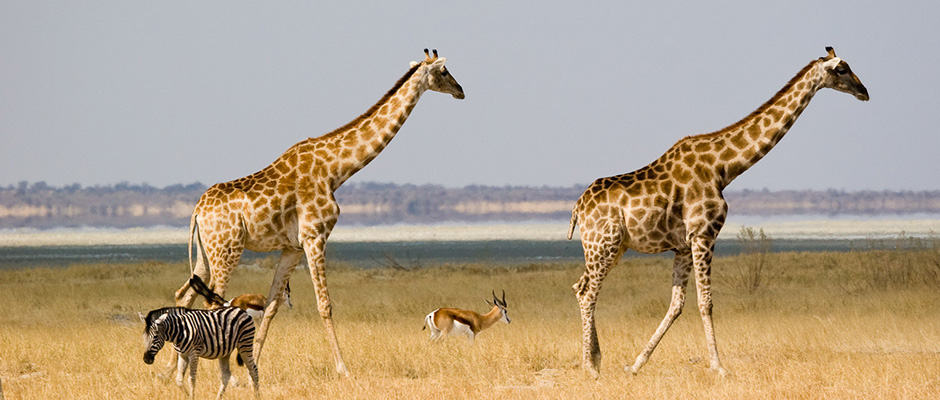
Africa’s iconic giraffe may be in trouble — its population numbers have plummeted by more than 40 percent in the last 15 years, according to estimates from the International Union for Conservation of Nature (IUCN) and the Giraffe Conservation Foundation (GCF).

For the past five years, a team of GCF researchers has been looking at historic and current giraffe ranges and assessing giraffe genetics to get a better picture of what giraffe populations look like from country to country and across the continent. “It’s a who’s who of the Big African Blue,” said Julian Fenessy, executive director of the GCF and co-chair of the IUCN Giraffe and Okapi Specialist Group. To date, researchers recognize nine subspecies of giraffe, of which only two are listed endangered on the IUCN red list.

Still, the world’s tallest mammals face many challenges; habitat loss, habitat fragmentation, poaching, and hunting threaten the remaining 80,000 giraffes roaming Africa’s woodlands, deserts, and savannas. Urbanization and the conversion of natural landscapes to agricultural lands not only reduces the amount of habitat available, it can also cut larger areas into smaller fragmented habitats. This can be particularly problematic for giraffes that need large areas to forage and find mates, explained Fenessy.

Giraffes, which can weigh more than 2,000 pounds, are also hunted for their meat. On illegal hunts, poachers will sometimes eat giraffe and other bush meat. And poachers aren’t the only people at the table. Localized tribes and communities have been hunting giraffes for years, according to Fennesy. “For countries in civil unrest, giraffe are large animals and they provide a hell of a lot of food,” he said. Fennesy also noted communities sometimes use giraffe tails for whips and the tough leather for sandals, clothes, and water carriers.

Growing threats have reduced population sizes and pushed some subspecies to near extinction. Fewer than 250 West African giraffe (Giraffa camelopardalis peralta) live in the wild, and new census data from the Rothschild Giraffe Project have Rothschild’s giraffe (G. c. rothschildi) populations hovering around 1,100 individuals. In war-torn Democratic Republic of the Congo, conflict has decimated giraffe populations and giraffes are locally extinct in at least seven African countries, according to GCF.

“I can’t image the world without them,” said Zoe Muller, a research associate of the GCF studying the endangered Rothschild’s giraffe subspecies. “When a kid learns his ABC’s he learns G is for Giraffe. If they were to disappear, it would be a travesty, really.”

Historically, Rothschild’s giraffes roamed throughout the Rift Valley in Africa from western Kenya north to Sudan; now, they live on protected reserves or parks in Kenya with one wild population in Uganda. Surrounding cities, towns, farms, and agricultural lands isolate these populations from one another, making it impossible for the populations to interbreed without human interference. “Some of the parks are within five to 50 kilometers of each other, but they are fenced in. Even if the giraffe wanted to migrate, they can’t,” said Muller.

But the future isn’t so grim for all subspecies. In South Africa and Namibia, giraffe populations are on the rise, and in Tanzania “the numbers are strong,” said Fenessy. He credits conservation and management efforts. “We need to place good conservation practices and good monitoring practices so we can make a difference straight away before it’s too late,” said Fenessy.

Western Section Annual Meeting: Dec. 19 Savings Deadline

Western Section

The Western Section of The Wildlife Society will hold their annual meeting on January 26-30, 2015 in Santa Rosa, CA at the Vineyard Creek Hyatt. Registrants will have the opportunity to attend several symposiums and technical sessions as well as participate in a variety of workshops and associated meetings.

The Western Section encompasses California, Nevada, Hawaii, and Guam. The conference usually averages 500 attendees, both from within the Section and in surrounding western states. There will be ample opportunities to learn as well as to network, particularly for students and early career professionals.

Many exciting events are planned for the conference, including a symposium entitled “Owl versus Owl: The Conundrum of Managing Barred and Spotted Owls in the Pacific Northwest.” There will also be a keynote address delivered by Ellie Cohen, President and CEO of Point Blue Conservation Science, as well as a plenary session on “Advancing Wildlife Conservation through Integration and Alignment in Planning.”

Early registration rates ($230 regular member/$100 student) end this Friday, December 19th. Afterwards rates will increase. To register or to learn more about the meeting click here. For more information on the Western Section visit their website or Facebook.

Trash Talk

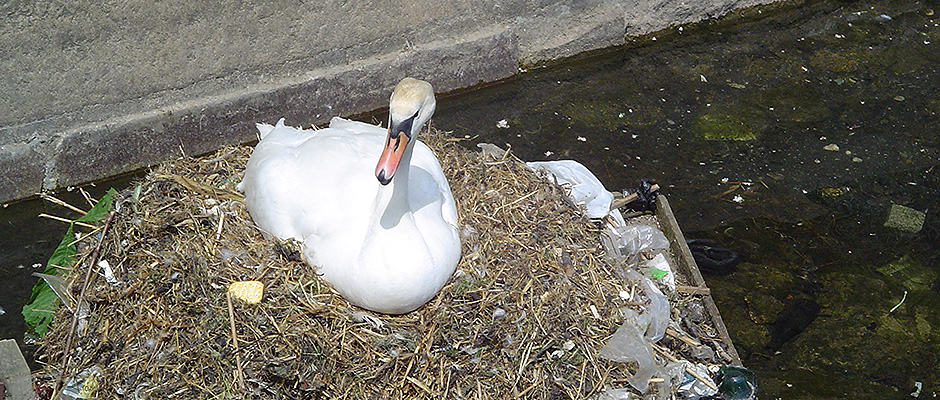
Plastic Pollution

In a recent study, researchers estimate 5.25 trillion pieces of plastic are polluting the world’s oceans. Read about their findings in the National Geographic News.

Red Knot Listed Due To Climate Change

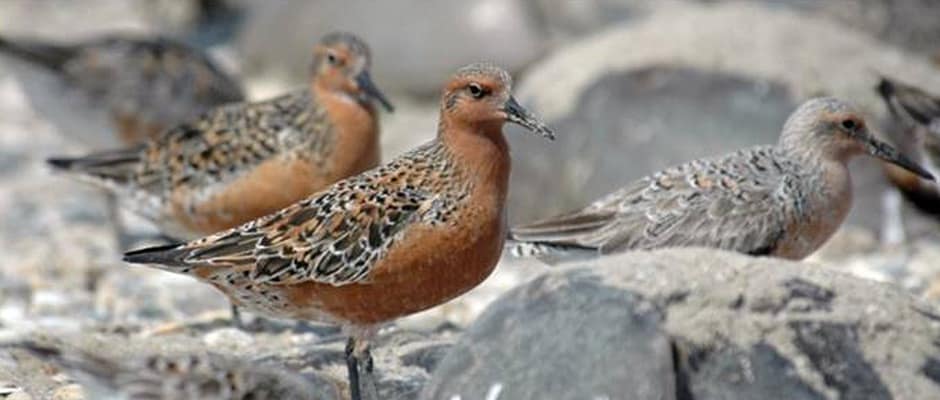
Red Knot

The U.S. Fish and Wildlife Service (FWS) announced last week that it has listed the rufa red knot (Calidris canutus rufa) as threatened under the Endangered Species Act. The announcement marks the first time that a species has been officially listed primarily due to threats induced by climate change.

The population of red knots has dropped by about 75 percent since the 1980s, but different groups disagree whether the main cause is the loss of an important food source or changes in the timing of migratory pit stops.

The migratory shorebird travels 9000 miles every year from breeding grounds in the Canadian Arctic to wintering habitats in the U.S., Caribbean, and South America. The red knot stops en masse on several spots along the U.S. Atlantic coast, most notably on Delaware Bay, to feed on horseshoe crab eggs. It is estimated that 90 percent of the red knot population can be present on the Bay in one day.

The population of horseshoe crabs along the shores of Delaware and New Jersey, an essential food source for the shorebirds, is harvested for use as bait and biomedical research purposes. Some groups contend that horseshoe crab harvest should be more restricted to protect one of the bird’s essential food sources. FWS disagreed and determined that the fishery is well managed and that there are plenty of eggs for the red knots to feed on, but federal protection is needed because climate change is disrupting the synchronous timing of when the birds arrive and when the crabs lay their eggs.

FWS is set to propose a critical habitat designation for the species by the end of 2015.

Sources: Environment and Energy News (December 9, 2014), Federal Register (December 11, 2014)

Forecasting Rabies: What if there was no ORV?

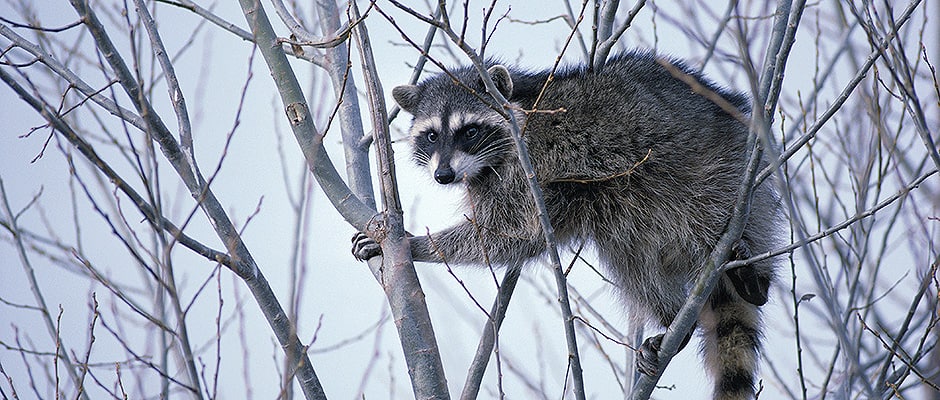
Raccoon

Many wildlife managers and health officials are familiar with the success of the U.S. Department of Agriculture’s (USDA) Wildlife Services National Rabies Management Program (NRMP) and understand the important role it plays in preventing the spread of rabies in North America through a wildlife oral rabies vaccination (ORV) program. But others may not be as knowledgeable or don’t believe wildlife rabies is a concern. How do we help them understand the value of such a program? One way is to show them how our lives might be different if there were no ORV efforts in the United States.

In the United States, wildlife accounts for 92 percent of all reported rabies cases. The raccoon rabies virus variant, in particular, is responsible for significant spillover infection into dogs and cats, as well as other wildlife. In an effort to reduce rabies in wildlife and prevent possible transmission to humans, domestic pets and livestock, NRMP experts and their partners annually distribute more than 6 million ORV baits in 16 states along the Appalachian Mountains and in Texas for raccoons, skunks, gray fox, and coyotes. The benefits of maintaining the ORV zone in the eastern United States are significant for several public health, agricultural, and wildlife management reasons. Specific benefits include reductions in human post-exposure prophylaxis, reductions in livestock and pet losses, and the protection of wildlife resources.

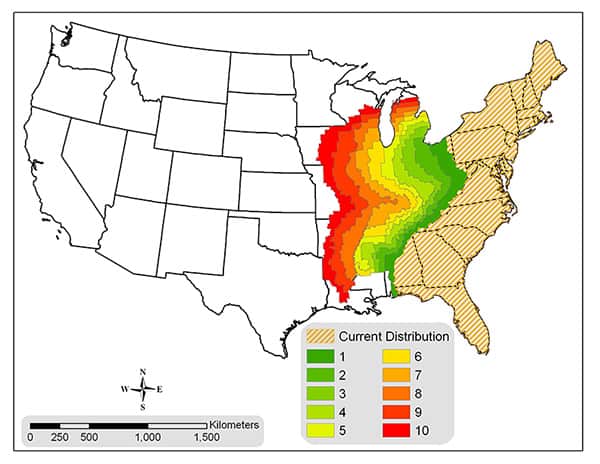
To better quantify the benefits of the NRMP, researchers at Wildlife Services’ National Wildlife Research Center (NWRC) and partners modeled the spread of raccoon rabies over 20 years in the absence of current ORV activities in the East. The forecast included 10 raccoon rabies spread-expansion regions each representing a 2-year timeframe. The combined 10 regions show the extent raccoon rabies is projected to spread after a 20-year period without ORV intervention. The forecast models incorporated three different rates of spread: low (15 km/year), medium (30 km/year), and high (60 km/year) based on historical rates of raccoon rabies spread in the eastern United States. Over the 20-year horizon, spread would extend as far west as the Texas border and western Iowa. However, over a longer time period, the spread would likely continue to the Rocky Mountains, where harsh winters and unsuitable habitat might prevent any further westward movement. Such an expansion would cause approximately $1.1 billion in additional damages due to an increased need in human post-exposure treatments, livestock and pet losses, and impacts to wildlife resources.

map-USFWS-article

Map of the potential spread of raccoon rabies by 2-year increments if the ORV zone were no longer maintained.

Wildlife Services is a Strategic Partner of The Wildlife Society.

Duck Frenzy

Duck Banding

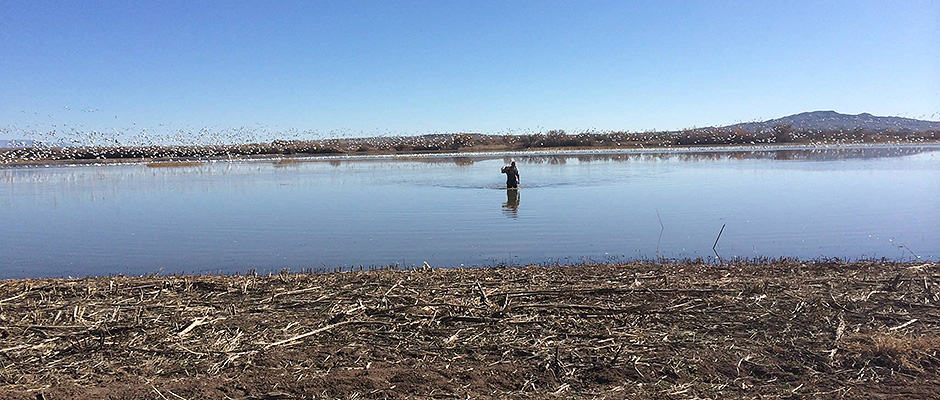
The New Mexico State University Student Chapter of The Wildlife Society recently participated in duck banding with the USFWS. Student chapter members Isidro Barela, Miranda Butler-Valverde, and John Townsend volunteered to capture and band ducks at Bosque del Apache National Wildlife Refuge during the annual Festival of the Cranes.

Duck Banding

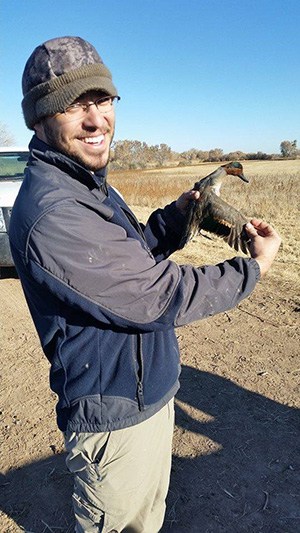
Isidro Barela opens the wing of a Green-winged Teal drake to display it’s brilliant green speculum.
Image Credit: Miranda Butler Valverde

The students assisted refuge biologists John Vrandenburg and Ashley Mertz with the deployment of rocket nets, identifying species, aging, and sexing the waterfowl. Afterwards, student chapter members assisted other festival attendees in banding and releasing the ducks. Species banded included Northern Pintails, Green-winged Teals, and Mallards.

Miranda Butler-Valverde, student chapter Vice President, described the net deployment and capture as an exciting yet hectic experience.

“Everyone was in a frenzy to try to grab and untangle the ducks under the net. The water was ice cold and every duck fought to escape,” she said.

“We caught around 130 ducks,” said Miranda. “For the ducks that were already banded we recorded wing chord and weight and released them right away. [Afterwards] we loaded crates with the remaining ducks and transferred them to another pond area where the general public was allowed to help band and release the ducks.”

Duck Banding

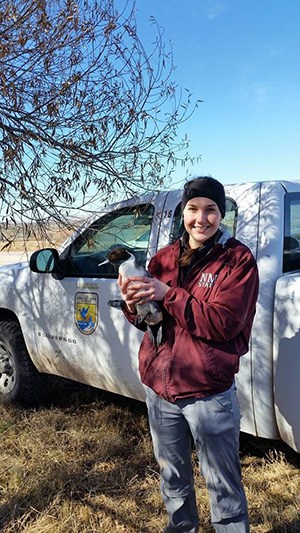
Miranda Butler-Valverde holds a Northern Pintail drake before banding.
Image Credit: Isidro Barela

Waterfowl banding helps wildlife biologists estimate the population dynamics of various species as well as analyze their life history. Each year biologists band more than 200,000 ducks and nearly 150,000 geese and swans throughout North America.

Isidro Barela also found the experience to be very rewarding.

“Volunteering with professionals in our field…at such a wonderful wildlife refuge here in New Mexico was an excellent training and educational experience. We were able to practice skills such as bird identification, wildlife capturing and surveying methods, as well as public education – which are all invaluable skills in the wildlife sciences field,” he said.

The student chapter members believe it is experiences like these which help students to strengthen their passion for the field.

Duck Banding

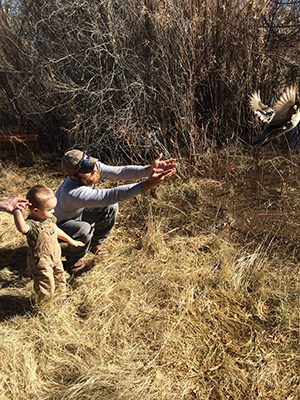
Jacob Townsend helps a young boy release a Northern Pintail.
Image Credit: Miranda Butler Valverde

“[These experiences] drive us to do what we love by doing our best for wildlife management and conservation,” Isidro said.

“Not only was it an amazing experience to be a part of the duck capture, but it was just as rewarding to see the [children] and adults faces light up when they were able to help release the ducks. It was great to see the community interested in the local wildlife and the refuge biologists at work,” said Miranda.

The student chapter plans to help the refuge band more ducks in January 2015. For more information on the chapter’s future activities visit their Facebook page.

Sources: Flyways.us, Miranda Butler-Valverde, Isidro Barela

Wildlife Cybercrime Exposed

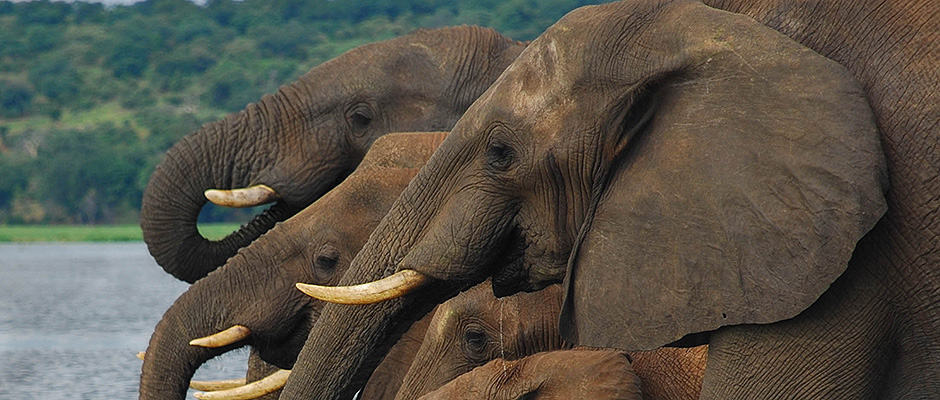
Wildlife Cybercrime Elephants

Thousands of endangered wildlife or wildlife products are being sold on public websites, a new report by the advocacy group, the International Fund for Animal Welfare (IFAW) has revealed.

As part of a six-week investigative effort, that was launched earlier this year, IFAW investigators scanned 280 virtual marketplaces including eBay and Craigslist , perused listings for advertisements of species protected by the Convention of International Trade of Endangered Species, and documented more than 33,000 items for sale — including stuffed hummingbirds in Belgium, live tortoises in France, and wolf fur coats in Poland — with an estimated total value of more than ten million dollars.

“Wildlife cybercrime poses a sinister, silent threat to endangered species including elephants, reptiles and birds, enabling criminals to go about their grisly business with anonymity,” said Azzedine Downes, President and CEO of IFAW in a statement.

One such threat comes in the form of online ivory trade. Nearly one-third of advertised items were either made or suspected to be made of ivory — most of those advertisements came from websites and posts in China. Though government-approved suppliers can legally sell ivory within the country, China has banned those suppliers from selling it online; yet, the IFAW reported ivory and ‘suspected ivory’ products made up nearly 80 percent of China’s online, endangered-wildlife trade.

“Governments must ensure they have robust laws in place that specifically tackle the unique challenges of wildlife cybercrime supported by sufficient enforcement capacity, while online marketplaces must commit to strong policies that are effectively implemented to prevent their platforms being abused by wildlife criminals,” the report stated. IFAW recommends governments and online marketplaces require sellers to disclose permit information in advertisements for CITES-listed species.

While the IFAW could confirm the legality of a portion of all advertisements as part of its investigation, it admits it cannot determine exactly how many of the items were illegally traded. IFAW did, however, consider the legality of 1,192 advertisements questionable enough to submit its findings to national enforcement agencies.

Congress Approves Lands Package Legislation

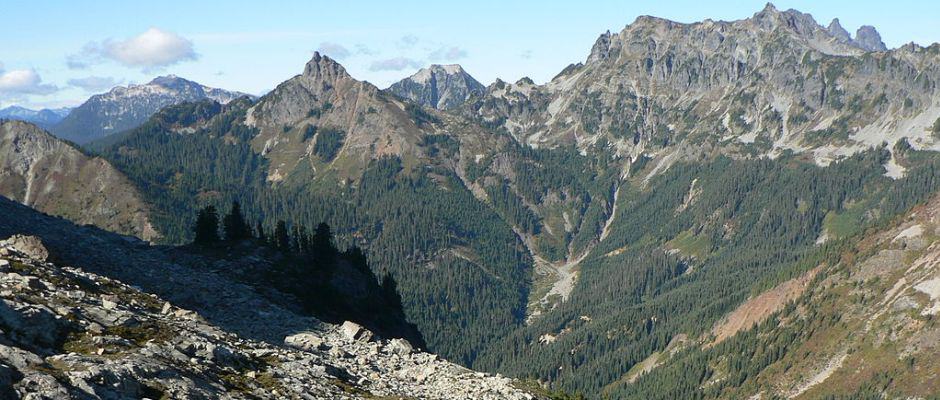
Alpine Lakes Wilderness

The U.S. House of Representatives voted to pass the National Defense Authorization Act earlier this week, while the Senate voted to end debate and move forward with the legislation on Thursday. The legislation includes dozens of public land use provisions as legislative riders unrelated to the overall purpose of the bill. [Update: Senate approved the legislation on Friday.  The bill now waits for President Obama’s signature.]

The $585 billion dollar bill’s primary purpose is to direct spending on defense, but key members of the House Natural Resource Committee and Senate Energy and Natural Resources Committee were able to attach roughly 70 land use provisions. The suite of legislation is the first large land use package since 2009 and contains provisions that protect hundreds of thousands of acres of public land, allow development on other public lands, and change regulations on resource permitting on public land. Highlights of the legislative riders are summarized below.

Public Land Protection

Several provisions in the package will combine to designate a total of about 250,000 acres of wilderness in Arizona, Colorado, Nevada, New Mexico, and Washington. Language is also included to protect hundreds of thousands of acres of land near Glacier National Park in Montana from future oil and gas development. Other provisions expand over a dozen national parks and improve public access to parks and wildlife refuges

Public Land Development

In exchange for the protected land, around 100,000 acres of public land would be transferred for private development including copper mines in Arizona and Nevada, and 70,000 acres of the Tongass National Forest of Alaska that will be mostly used for logging.

Public Land Use Regulations

Other provisions affect how permitting of grazing and oil and gas development in public lands is performed. Language is included that will expedite both processes through exceptions to the National Environmental Policy Act (NEPA).

The lands package is not without controversy. Lawmakers and interest groups are split about what the bill will mean for their constituents and members. Outdoor recreation advocates generally applaud the conservation of natural areas, but are wary over certain restrictions to public access for new wilderness areas in the bill. The wilderness and park expansion language was well received within the conservation community, but many are troubled by the mine development, logging, and grazing provisions. Some environmental groups are particularly troubled by the grazing provisions which could imperil sage grouse recovery. Nevertheless, the bill is expected to be signed by the president this week.

Sources:

Environment and Energy News (December 8, 2014 & December 11, 2014)

Note: this article was updated on Friday, December 12 at 10:15am

Call for Symposia: Vth International Wildlife Congress

IWMC 2015

The deadline for symposia proposals for the Vth International Wildlife Congress in Sapporo, Japan is January 9, 2015, so don’t wait until after the holidays to submit your proposal!

The Mammal Society of Japan and The Wildlife Society are co-hosting the Congress from July 26-30, 2015. Registration for all conference attendees is now open at iwmc2015.org.

Just a few of the proposals already received include:

  • Wildlife Conservation and Management of Shiretoko National Park, 2015 (Sharing experience and knowledge with Yellowstone, Sikhote-Alin and Shiretoko)
  • Deer and Forestry Management
  • Invasive Species Management
  • Disease Ecology
  • Wetland and Wildlife Conservation
  • Conservation of Large Mammals in the Russian Far East

Proposals will be evaluated on timeliness of the subject, importance to the profession and/or contribution to science, and the overall quality of the written proposal. Symposium organizers will be notified whether their proposals have been accepted or deferred around January 16, 2015 and the abstracts will be required by February 19, 2015.

Click here to review the full Call for Symposia that outlines the process and deadlines.