Hundreds of Dead Seabirds Wash up on Pacific Coast

Dead Seabirds

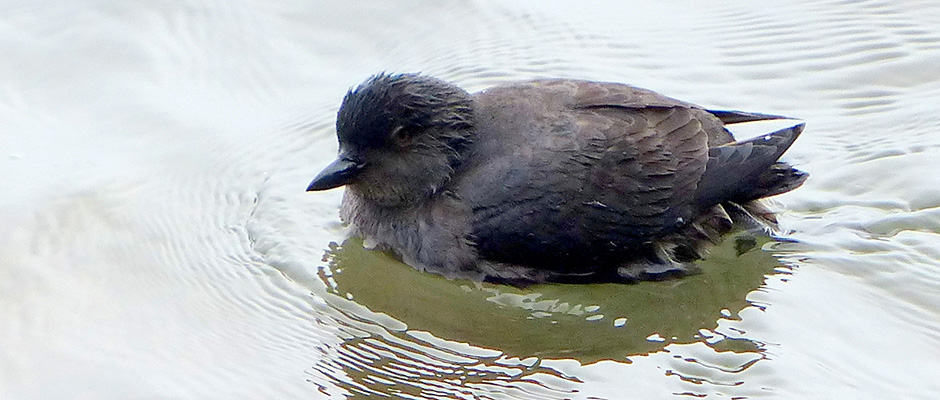
Hundreds of Cassin’s aucklets (Ptychoramphus aleuticus) — a small white-bellied seabird — have been washing up dead on the shores of the Pacific ocean from British Columbia down to San Luis Obispo, Calif. While extreme winter conditions can often cause deaths, these birds appear to have died from starvation in unprecedented numbers and experts are struggling to find out why.

Read more about the phenomenon at CBS.

Network with the Arizona and New Mexico Chapters of TWS

The Arizona and New Mexico Chapters of TWS will hold their 2015 Joint Annual Meeting on Thursday, February 5 – Saturday, February 7, 2015 at the Hotel Encanto de Las Cruces in Las Cruces, NM.   Early registration discounts are available through January 10, 2015.

The Joint Annual Meeting will include a plenary session, with the theme New Technologies in Fish and Wildlife Science, as well as a student mentor lunch, a student quiz bowl, a photo contest, socials, and an awards banquet. The schedule and registration information for can be found here.

The Southwest Section of TWS will be holding their annual business meeting during the Joint Annual Meeting, along with a breakfast, which is open to all meeting attendees.   The cost to attend the breakfast is just $10 for members of the SW Section and $15 for non-members.

For more information on the Southwest Section’s breakfast and annual business meeting click here.

Parasite Treatment in Buffalo Could Help Spread of TB

Buffalo

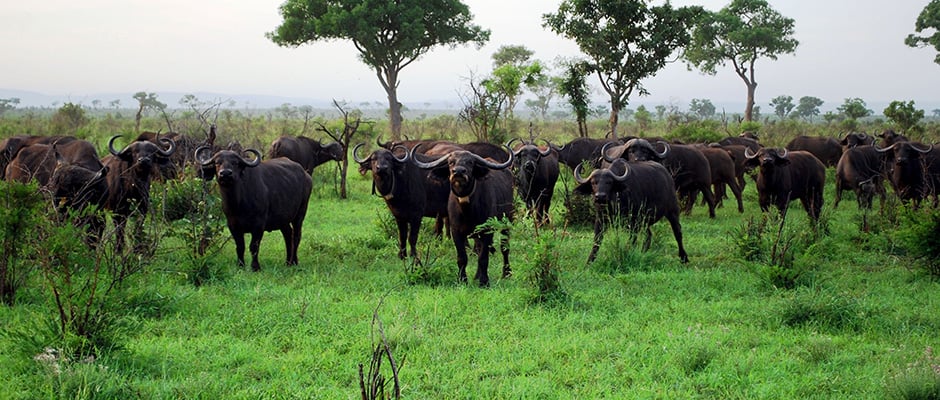
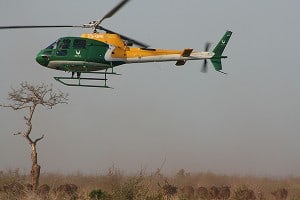
A helicopter flew close to the ground in Krueger National Park, South Africa, executing a series of aerial acrobatics in order to steer the herd of African buffalo (Syncerus caffer) towards a good area for a park veterinarian to start shooting tranquilizer rounds.

Meanwhile, Vanessa Ezenwa, associate professor of ecology and infectious diseases at the University of Georgia, and a group of other researchers waited in a 4X4 on the ground nearby for the right moment to go in and tag the buffalo with satellite tracking devices.

“It can be highly dramatic,” Ezenwa said. But tranquilization was a relative term as it applied to the buffalo, and park technicians had to go in first, grab the animals by their thrashing horns, and hold them relatively steady while the researchers did their work.
Buffalo

Darting buffalo from a helicopter.
Image Credit: Vanessa Ezenwa, University of Georgia

“They’re still quite aggressive by nature. They’re feisty even though they’re darted,” she said.

Ezenwa was working on a project to test the relations between parasitic worm treatments and tuberculosis — a study that had wide-ranging implications for managing interactions between cattle and wildlife and potentially even human health and treatment strategies. The study, published today in the journal Science, found that treating the buffalo for worms could actually cause larger populations of buffalo to become infected by tuberculosis.

The line of thinking goes like this: If you treat an individual buffalo that also has tuberculosis for parasitic worms, the animal’s immune system will be stronger and allow it to survive longer with the lung disease.

While this may be good for the infected individual, Ezenwa said that it could be bad for larger populations of buffalo. “The negative side effect is that the individual who lives longer is able to spread the infection for a longer period of time.”

After initial tagging and testing operations, technicians working with her team had to go back in 4X4s with tranquilizer guns twice a year to re-catch the animals and test them for disease — a comparatively smaller operation than the initial tagging.

Her research also showed that treating uninfected buffalo for parasitic worms doesn’t make them more resistant to tuberculosis. “De-worming has no effect on an individual’s chance of getting infected.”

Bovine tuberculosis was introduced to African buffalo via cattle populations and while the buffalo aren’t endangered, Ezenwa said sustaining populations of the species is important because they contribute to the local economy through hunting and ecotourism.
Buffalo

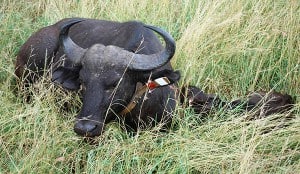
A radio-collared female buffalo.
Image Credit: Vanessa Ezenwa, University of Georgia

Ezenwa also said that the study could have larger implications for understanding diseases in wildlife and disease-control strategy. She said that American bison also have common parasitic worm infections that could interact in some way with brucellosis — a disease that is currently creating hurdles for the animals’ recovery in western provinces as bison can transmit the disease to cattle.

“These worms potentially affect other things,” she said. “We have a lot of diseases that are shifting their geological regions.”

In order to look more closely at potential interactions, Ezenwa said her next study will likely look at the interactions between parasites and brucellosis among the African buffalo, which also carry the disease.

“You can translate that story to issues in the U.S.,” she said in reference to the fact that these future studies could be useful when looking at management strategies for American bison and brucellosis.

Finally, Ezenwa said the information could have an impact on the way we plan disease treatment for human populations. She said that some people have considered using parasite treatments in poorer areas where the problems are endemic as ways to reduce the overall number of people who contract HIV or tuberculosis.

“Worm drugs are relatively cheap and effective” in comparison to treating these more serious diseases, she said. But the results of her study show that using anti-parasitic treatments as a way to indirectly reduce the spread of HIV or tuberculosis may not work, and that the interaction between parasites and diseases “is more complicated than we previously thought.”
The Impacts of Energy Development on Wildlife

Pinedale Anticline

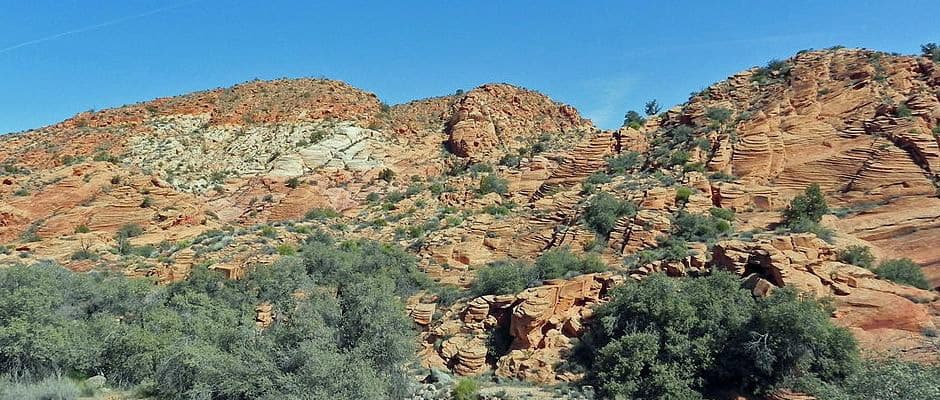
TWS members can now access the most current science and management strategies regarding energy development through three new fact sheets. The Arctic National Wildlife Refuge, Impacts of Wind Energy Development on Wildlife, and Oil and Gas Development in the Rocky Mountain Region fact sheets were developed and released by the Society to inform wildlife professionals, decision-makers, and the general public on the potential impacts of energy development on wildlife resources.

The Arctic National Wildlife Refuge fact sheet details potential impacts of oil and gas development in the Alaska-based refuge. The 1002 Area of the refuge may contain substantial amounts of oil and gas, but is also of vital importance to many wildlife species.

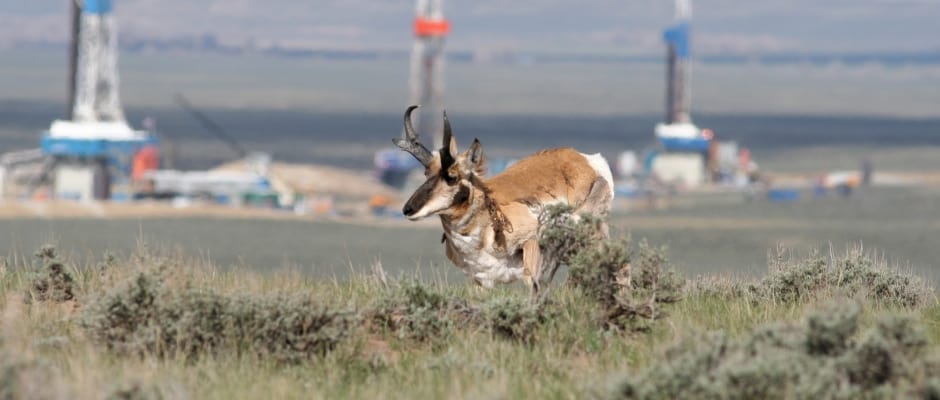
The Oil and Gas Development in the Rocky Mountain Region fact sheet also provides information on oil and gas development, but in a different area of the U.S. Unlike in the Arctic National Wildlife Refuge, oil and gas development has boomed in the Rocky Mountain region since the 1970s. This development has impacted wildlife through displacement, reduced recruitment, and mortality.

The Impacts of Wind Energy Development on Wildlife informs members on one of the new renewable energy options available to replace traditional oil and gas energy sources. Wind energy, although renewable, can impact wildlife, through collisions and habitat degradation.

These energy development fact sheets, along with other policy resources, can be accessed at wildlife.org/policy.

Fleeing Birds Sense Distant Tornadoes

Golden-winged warblers

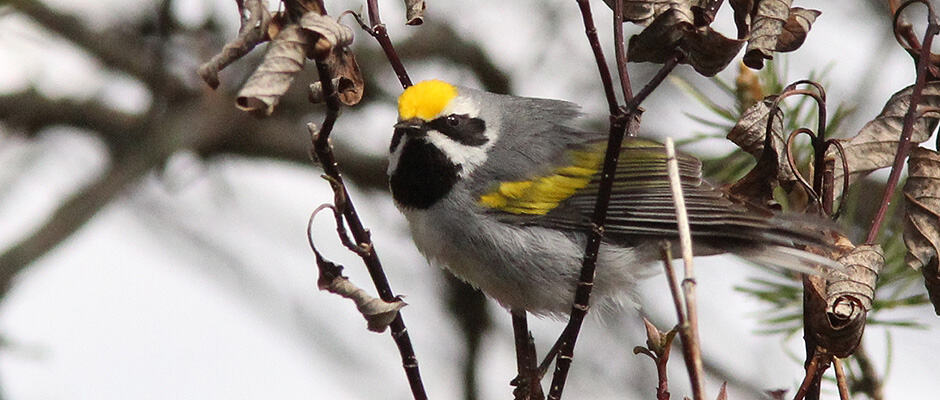
Hold on to your ruby red slippers, Dorothy. Mother Nature may have her own tornado-warning system. Just days before a series of tornadoes hit the Central and Southern United States this past April, five small, neotropical birds showed some strange behavior. Golden-winged warblers (Verminvora chrysoptera), from a population that winters in Eastern Colombia, South America, and summers in the Cumberland Mountains of Eastern Tennessee, vacated their summer breeding territories in what researchers believe may have been anticipation of a major storm brewing hundreds of miles away and moving in their direction, according to a study published online in Current Biology.

“At the same time that meteorologists on the Weather Channel were telling us this storm was headed in our direction, the birds were apparently already packing their bags and evacuating the area,” said Henry Streby of the University of California, Berkley in a statement. In May, 2013, Streby and a team of researchers tagged 20 male golden-winged warblers with light-level geolocators—an electronic, tracking device that measures changes in light levels as a terrestrial animal migrates north or south or marine animals dive between shallow and deep waters. The researchers wanted to see if the small bird could carry the device for a year. Gold-winged warblers weigh about a third of an ounce, the heft of approximately four dimes, and the trackers weigh about five percent of their body weight.

Earlier this year, the team returned to recover the geolocators. On April 28, 2014, about a week after thier arrival in Tennessee, a sever thunderstorm system, called a supercell, swept through the survey area around 11 pm. Supercells sometimes give rise to tornadoes, and this particular storm system generated 84 confirmed tornadoes and caused at least 35 human fatalities. Afterward, the team recovered five warblers with geolocators.

The data showed that these warblers had evacuated their breeding grounds a day or two before the supercell hit, when the storm was 250-550 miles away. Additionally, the warblers appeared to fly around the supercell, taking different routes from one another. Three of the birds travelled more than 900 miles round-trip. “It is the first time we’ve documented this type of storm-avoidance behavior in birds during breeding season,” Streby said, though what exactly cued the birds to leave remains a mystery. When the birds left, local weather conditions were normal.

The researchers believe the birds could hear rumblings of the storm before it arrived. Tornadoes produce strong low-frequency sounds, called infrasounds, occurring at frequencies below the normal range of human hearing. According to the National Institutes of Health, humans can normally hear sounds from 20-20,000 hertz. Because lower frequencies travel farther, the infrasonic sound resonating from the supercell storm system could have gone hundreds to thousands of miles before petering out. This means it is possible that the warblers could hear the storm coming from only a couple of hundred miles away days before it passed through their breeding grounds.

“Biologists had not been looking at the use of infrasound in this way, but it certainly makes sense to me,” said Streby. “We may find that acoustics are a pretty significant way that birds in general view their environment, much like dogs use olfaction and humans use sight.”

White-Nose Syndrome Better Explained

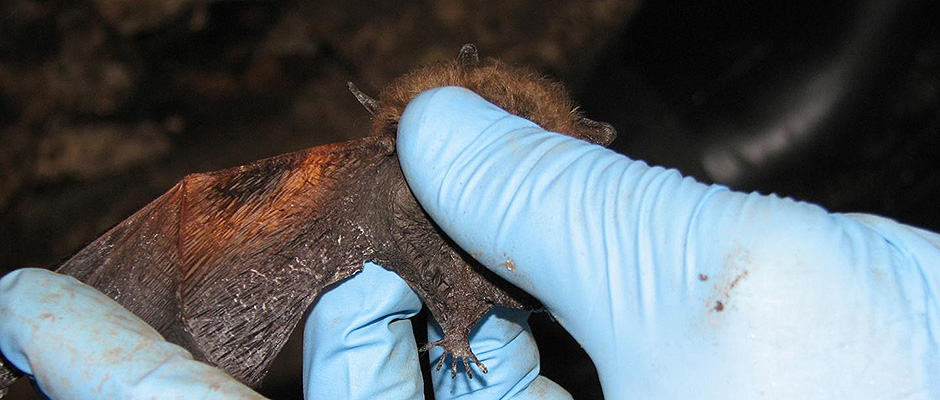
Researchers have confirmed the way a lethal fungal disease has laid waste to huge populations of North American bats.

“This model is exciting for us, because we now have a framework for understanding how the disease functions within a bat,” said Michelle Verant, a scientist with the University of Wisconsin and the U.S. Geological Survey’s (USGS) National Wildlife Health Center and the lead author of a study released in BMC Physiology. “The mechanisms detailed in this model will be critical for properly timed and effective disease mitigation strategies.”

The new study proves the previous hypothesis that white-nose syndrome — a disease caused by the fungus Pseudogymnoascus destructans (formerly Geomyces destructans) — killed bats by attacking their immune systems during hibernation when they are weakest. By comparing healthy and infected bat populations during hibernation, USGS researchers discovered that bats with the fungus used twice the energy as uninfected bats. The energy depleted in the infected bats was so great that it stops the bats from performing basic body functions during hibernations, causing bats to die from suffocation or other causes.

But the researchers also discovered that contrary to previous findings, the fungus began to cause the hibernating bats to move around more and waste energy much earlier than more serious symptoms of WNS such as wing damage became evident.

“Clinical signs are not the start of the disease — they likely reflect more advanced disease stages,” Verant said. “This finding is important because much of our attention previously was directed toward what we now know to be bats in later stages of the disease, when we observe visible fungal infections and behavioral changes.”

The researchers measured energy depletion in bats by tracking the ratio of lean tissue to fat mass. Infected bats had much less fat.

The study also found that mild wing damage in bats had more acidic blood due to increased carbon dioxide levels as well as potassium levels high enough to inhibit normal heart function.

Fall Festival Highlights Busy Semester for Central Missouri

Whitetailed Deer

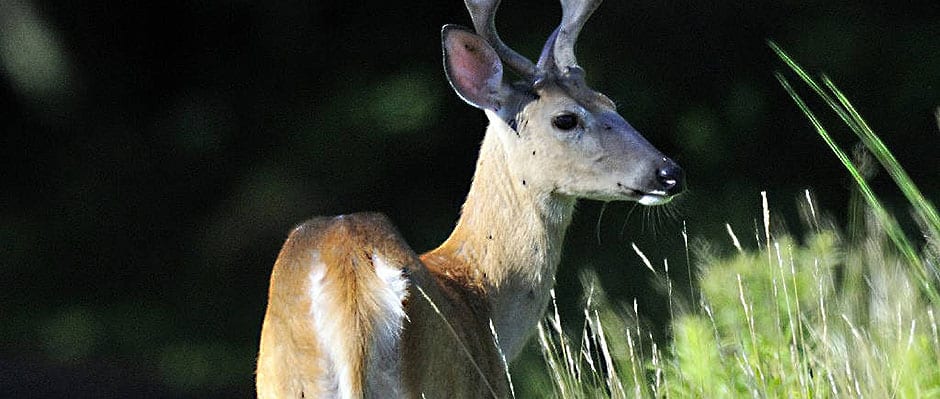
The fall 2014 semester was very busy for The Wildlife Society Student Chapter at the University of Central Missouri. Student members have been very involved this semester; from aging deer for the Missouri Department of Conservation to attending various conferences, members have accomplished a great amount.

Several members attended the Central Plains Society of Mammalogists in October, where students learned about research being conducted in the Central Plains and by Central Plains’ researchers, including information about black bears and bats. Soon after that another large group attended the Kansas Herpetological Society Conference. At KHS there were many speakers that discussed research being done throughout the state of Kansas and there were a lot of live animals present for attendees to observe and learn about. All members in attendance reported having a great experience at these conferences and brought back lots of new information.

In November the Chapter had a record number of members sign up and participate in the annual deer aging event with the Missouri Department of Conservation. The days were long and cold but very educational. It was interesting to talk to different hunters and to learn more about how Missouri Department of Conservation monitors deer populations, particularly for members who had never been hunting.

The student chapter’s biggest accomplishment this semester was a new event, the Fall Festival, which was held during the first weekend in November and was a huge success. This outreach event had many volunteers teaching adults and children about all kinds of wildlife. There were discussions about herpetology, mammalogy, and ornithology, as well as face paintings, a petting zoo, hayrides and lots of soup and chili. It was a great success and all the proceeds will go towards the chapter’s trip to a White Tailed Deer Ranch located in Texas in January. The student chapter will be doing a prescribed burn and learning other management practices.

Overall The Wildlife Society Student Chapter at the University of Central Missouri had a successful and fun semester and members look forward to what the spring semester will bring. For more information on the student chapter visit their website and Facebook page.

Make Your Plans Today For the Vth IWMC

IWMC 2015

This is the first time that the International Wildlife Management Congress (IWMC) comes to Asia. The Mammal Society of Japan (MSJ) in partnership with the Wildlife Society (TWS) will host this exciting congress at the Sapporo Convention Center, Hokkaido, Japan from July 26 to 30, 2015. The previous four IWMCs were held in Hungary, Costa Rica, New Zealand, and South Africa. The Vth IWMC is therefore the first at which “wildlifers” from the entire world will meet together in East Asia, and the MSJ and TWS are extremely pleased to host the IWMC 2015.

Learn more about the Vth IWMC and start making your plans to attend!

Wildlife research in Japan is today one of the greatest social interests and one of the most dynamic fields in ecological science. The islands of Japan stretch a long distance from north to south and contain a diversity of wildlife. Our natural environment provides a rich habitat for many species of mammals, birds, reptiles, and amphibians. The hosting city Sapporo, the capital of Hokkaido, is an excellent location to practice the main theme of this congress, “International Models of Wildlife Biology and Management: Beyond Cultural Differences.” Hokkaido has introduced many exemplary practices in wildlife management and human dimension studies.

However, as with many other countries and regions, Japan faces many ecological, social, and structural problems with regard to its wildlife. These call for far-reaching reforms under the leadership of the scientific community. The hyper-abundant population of sika deer is one serious social assignment. The Sapporo metropolitan area is struggling with the looming population growth of urban deer and bears. Our hunting population is rapidly declining. Our island ecosystem is prone to invasion by alien species.

The Vth IWMC hopes to attract more than 1,000 delegates from around the globe. It is an amazing opportunity for all wildlifers to share our knowledge and experiences of wildlife sciences.

Come join us in exciting discussions on all aspects of wildlife, ecology, biology, not to mention people, and in enjoying the agreeable atmosphere of the northern island of Japan, Hokkaido.

Tsuyoshi Yoshida

Asian Fanged Frog Gives Birth to Tadpoles

Fanged Frog

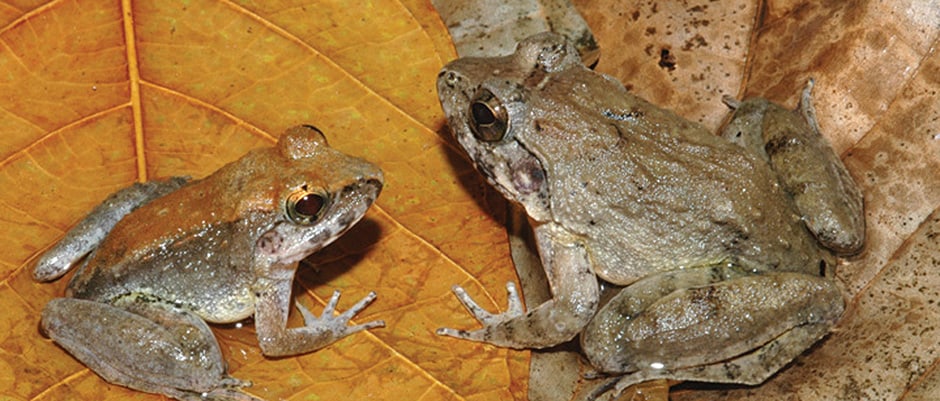
On Sulawesi, an island in central Indonesia, Jim McGuire searched for Limnonectes larvaepartus, a small species of fanged frog with a unique strategy for reproduction. McGuire, a herpetologist with the Museum of Vertebrate Zoology and the University of California, Berkley, had returned with his research team to a spot where he knew the frogs would likely be. When he found a frog sitting in a puddle, he was worried the activity around him would cause the frog to hop away, so McGuire reached down to pick it up, and “out came tadpoles into my hands,” he said. McGuire experienced first hand the pregnant fanged frog giving birth to tadpoles instead of laying eggs — the only frog known to do so, according to a new online study published in Plos One.

That the female L. larvaepartus gave birth to tadpoles that day wasn’t a surprise for McGuire. In fact, he was looking for it. His colleague and lead author of the study, Djoko Iskandar, first suspected these frogs gave birth to tadpoles in the late 1980s. More than a decade later in 2001, McGuire and his team would see for the first time tadpoles inside a female’s abdominal cavity as they opened a specimen up to take a tissue sample for genetic work.

One of McGuire’s research goals is to understand how animals on Sulawesi became different species. The island itself used to be multiple islands that merged eight to ten million years ago, and McGuire thinks this has had an important impact on how species have diversified there. Fanged frogs are a slice of that work. As many as 25 different fanged frog species may live on the island, according to McGuire, though only four have been formally described by scientists. Genetic analysis will, among other things, help the researchers distinguish between different species.

“We make a little assembly line when we are preparing specimens, so one of my grad students was actually gearing the tissuing of the frogs,” said McGuire. “He made the incision on the side of the frog and out came the tadpoles.” Since then, the researchers have observed 19 examples of L. larvaepartus females pregnant with tadpoles.

“One of the really cool things about frog evolution more generally is that there have been many, many tweaks in reproductive modes.” From guarding eggs on land to carrying tadpoles in vocal sacs, there are about 40 different reproductive modes for frogs. However, of the 6,455 species only about a dozen reproduce using internal fertilization, where the male fertilizes eggs that are inside the female. Most of those species give birth to froglets. Only L. larvaepartus uses internal fertilization and gives birth to tadpoles.

Future research may take a closer look at this species, but scientists are also interested in looking at the reproductive methods of other fanged frog species on the island. “We don’t even know what the reproductive modes are for most of these 25 or so species,” said McGuire. “One of the things we need to do is get in the field and actually observe reproduction in more of these frog species so we have a better handle of what’s happened in an evolutionary sense.”

In the News: Michigan Tech Student Chapter

Bird Ranges

The Michigan Tech University Student Chapter of TWS was recently in the news for their research on bird-window collisions on campus. Read the full story here.