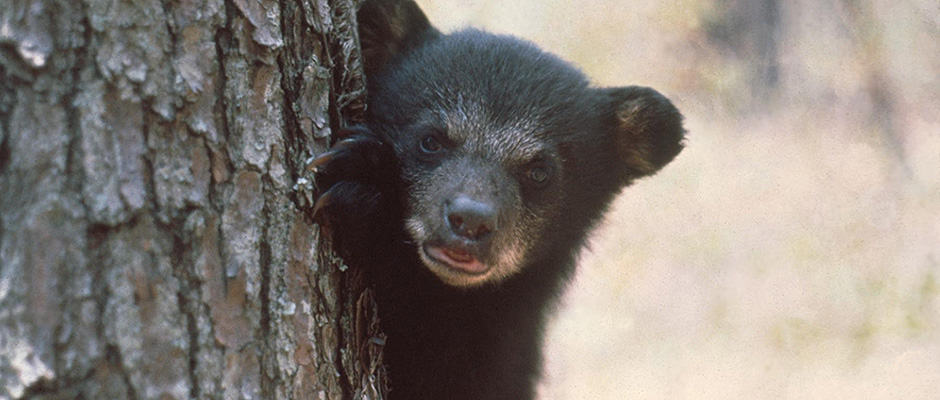
Officials Consider Limited Bear Hunts in Florida

Bear

The Florida Fish and Wildlife Conservation Commission met in Jacksonville last week to discuss black bear (Ursus americanus floridanus) management strategies to help reduce human-bear conflicts. At the meeting, commissioners discussed what actions the FWC will take through research, management and proposed rule and policy changes to help ensure the reduction of human-bear conflict.

The increase of the black bear population, which commissioners said has reached 3,000 individuals in Florida, has caused human-bear conflict harming both parties. After the jump in the number of people injured by bears in the past year, the FWC decided to meet and determine possible solutions.

Since 2012, four people have been injured in bear attacks in Florida. In one case, a 68-year-old woman was bitten by a Florida black bear in a Central Florida neighborhood in Dec. 2014. Although her injuries were not fatal, neighbors were rightfully concerned and urged the FWC to take action.

Bears are on the receiving end of the conflict as well. In the past decade, there has been a steep increase in the amount of bears killed by vehicles, the FWC reported.

“Our multipronged approach focuses on maintaining bear populations at healthy levels while ensuring public safety,” said Commissioner Brian Yablonski in a press release. “However, this is not something we can do on our own. There has to be an element of getting the community to police itself, since food attractants are the vast majority of the problem.”

The FWC said they are conducting research in which they collect bear hair samples to determine how active black bears are in certain areas. They also started a website where people can enter the locations of bear sightings to help officials determine where there is extensive bear activity.

The FWC also discussed bear hunting as a management strategy at the meeting. Commissioners asked staff to move forward in developing specified plans for limited bear hunting in Florida to help reduce the overgrowing population of bears and manage the population.

Policy changes also were an important point of discussion at the meeting. According to a press release, staff were directed to make changes to the Bear, Fox and Raccoon Feeding Rule 68A- 4.001 (3), and the Bear Conservation Rule 68A-4.009. A change made to the latter rule would allow individuals to lethally remove black bears if they are damaging their property.

Bear attractants, like garbage, are one of the main culprits for human-bear conflict, according the FWC.

“The best action people can take to help reduce conflicts with bears is to secure attractants from their home or business,” said Carli Segelson, a community relations officer with the Habitat and Species Conservation sector of the FWC.

Just a few weeks ago, the largest black bear in Florida that was trapped and killed, likely got so large due to trash consumption according to the FWC.

“We are taking a more aggressive approach to conflict bears in neighborhoods and will continue to partner with counties, municipalities and homeowner associations to reduce conflicts by securing bear attractants like garbage,” said FWC Chairman Richard Corbett in a press release. “Properly securing garbage and other attractants is the single most important action for reducing conflict situations with bears.”

While commissioners discussed progressive changes to ensure resolutions of the human-bear conflict, the FWC stresses the importance of citizen responsibility as well.

“Many of the bear conflict issues we are facing, particularly comprehensive waste management go far beyond the ability of the FWC to handle alone,” said Thomas Eason, director of the FWC’s Division of Habitat and Species Conservation in a press release. “We all must share in the responsibility to manage human-bear conflicts effectively to achieve sustainable coexistence.”

The FWC’s next meeting will be in April 2015, and the progress made from these changes will be discussed.
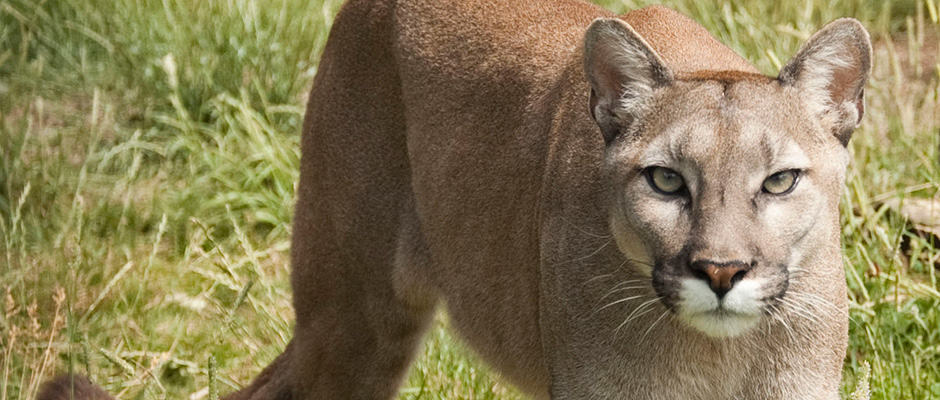
Nebraska Game and Parks Tracks Mountain Lions

Mountain Lion

The Nebraska Game and Parks Commission field staff recently started a four-year research project to place GPS tracking collars on mountain lions. As part of the effort, biologists will track seven to 15 mountain lions in a number of locations throughout Nebraska to learn more about the species and maintain the region’s current population. Staff will begin locating mountain lions with the help of anyone who captures images of mountain lions on trail cameras.

Read more about this project at the NGPC News website.

Illegal Weed Plantations May Affect Owl Recovery

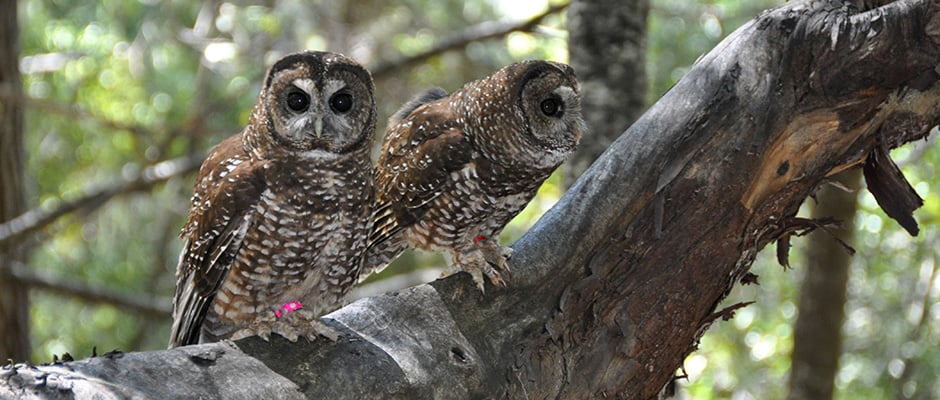
Northern Spotted owl

Illegal marijuana plantations may not lead to high times for the recovery of a species of threatened owls, according to researchers.

The northern spotted owl (Strix occidentalis caurina) is currently listed as a threatened species under the Endangered Species Act due to threats from logging and the encroachment of the territorial barred owl (Strix varia) — an invasive import from eastern North America.

Wildlife managers are working to eradicate the barred owl from woodland from California to British Columbia in an effort to clear up more habitat for northern spotted owls, but some are worried that illegal marijuana plantations that often overlap with owl habitat may put a hitch in the bird’s recovery.

Barred owl

Barred owl at Hoopa
Image Credit: J. Mark Higley, Hoopa Forestry

Mark Higley, a biologist with the wildlife department of the Hoopa Tribal Forestry agency and a member of The Wildlife Society, presented research on owls at a special symposium entitled “Marijuana Cultivation and its Impacts on Wildlife, Habitats and the Wildlife Profession,” at the 2015 Annual Meeting of TWS’ Western Section. As part of his research, Higley examined the livers of 84 dead barred owls in the Hoopa Valley Indian Reservation in Northwest California as well as in nearby private timber lands to see if they had ingested anticoagulant rodenticide, which illegal weed cultivators often spread liberally to protect the marijuana from wildlife. In fact, wildlife managers cleaning a grow operation in 2013 found 10 to 12 pounds of commercial rat poison. “It’s a violation of federal law to be using this out in the wild,” Higley said. But, “they absolutely don’t care.”

Higley and his team found that on Hoopa land, 62 percent of barred owls tested positive for the poison while 40.5 percent of owls on private timber land had some rodenticide in their livers. Higley said the differences could be due to the fact that the private timber land is often gated and potentially harder to access for marijuana cultivators. It could also be due to variations in density. “There are differences potentially in [Hoopa land] populations of barred owls.”

Rat poison

D-CON is a common anticoagulant rodenticide used sometimes in illegal marijuana plantations. This poison was found at an illegal grow operation.

Higley noted that not all poison detected in the owls necessarily comes from illegal plantations. Barred owls tend to disperse widely across the landscape and could be ingesting legally used poison through rodents near human homes.

They tested the barred owls as a proxy species since it’s not as easy to come across dead northern spotted owls that could be tested for the rodenticide. But Higley worries that the spotted owls may be more susceptible to the poison due to the fact that their diet is less varied than their barred cousins. “Spotted owls focus more on the mammalian prey, which is more likely to be affected.”

In order to find out for sure whether northern spotted owls are being affected, Higley said they’ve sent the corpses of a couple of road kill owls they’ve discovered to see whether they show similar signs of rodent poison, but the research for this is ongoing.

Endangered Researchers

It was 2009 and a research crew member was hiking by himself in Sequoia National Park when he came across a grow operation in the middle of the remote bush. He radioed back to headquarters about his find but he heard voices in his vicinity and quickly left the area. He was pursued for around 45 minutes by armed growers before he escaped, according to Craig Thompson, a wildlife ecologist with the U.S Forest Service’s Pacific Southwest Research Station.

Grow camp

Grow camp – a camp at an illegal marijuana grow site.

While the goal of the illegal weed cultivators is to avoid people, their remote location can sometimes put them into direct contact with researchers and wildlife managers who work in the areas.

“We started really becoming aware of this in 2009,” said Thompson, who also spoke at the TWS symposium. They had research crews all over the place doing radio telemetry studies in an effort to track wildlife and they were coming across grow sites quite frequently.

“The obvious danger everyone wants to talk about is guns,” he said. But he’s more concerned with the potential danger from chemical exposure that researcher could suffer in these areas. They’ve found banned substances like DDT or carbamate rodenticide discarded haphazardly in plastic bottles. These could be a risk for wildlife researchers who sometimes have a natural inclination to pick up trash they come across in nature.

Owls and people aren’t the only species being affected by illegal marijuana grow operations. An article in The Wildlife Professional by Mourad Gabriel et al examined how fishers (Martes pennanti) — a species proposed for ESA listing — are being affected.

And Thompson has seen grimmer evidence. He’s found tuna cans, hot dogs and other things that test positive for rodenticides, either banned or not. Besides dead fishers and owls, he said that coyotes and bears have also been killed by these baited poisons.

“Their intent is simply to keep animals from getting into their camp,” Thompson said. “There are multiple levels of malicious activity going on.”

Higley said that people working with him have also come across marijuana workers in the middle of nowhere at night. The incidents have ended with either the weed workers or the wildlife staff speeding away, and while nobody he works with has been directly threatened, he’d like to keep it that way.

Thompson said that due to the extra level of danger, researchers now always travel in pairs — especially when going into unfamiliar areas — and know to get out of an area quickly if they come across a grow operation. They also stay in close radio contact, and try to make their official Forest Service badges and research equipment visible at all times to highlight the reason they are in the area.

TWS Backs Effort Demanding Halt on Old Growth Logging

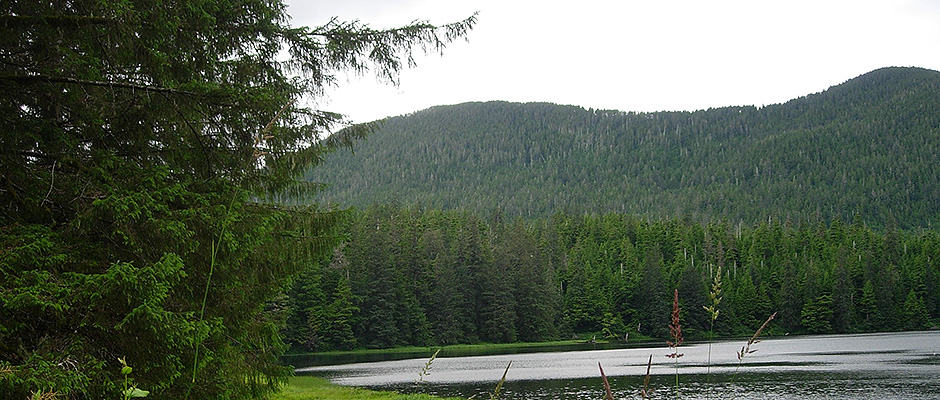
Forest

The Wildlife Society has joined with six other scientific societies on a campaign to prompt the Obama administration to halt old-growth forest logging in the Tongass National Forest in Alaska. “Protecting old-growth forests on the Tongass is key to maintaining the productivity and resilience of the extraordinary fish and wildlife that have otherwise declined throughout their southern ranges in North America,” said Grant Hilderbrand, the president of TWS Alaska Chapter. TWS and the other organizations want the transition from logging old growth to secondary growth originally logged in the 1950s to speed up.

Read more on mongabay.com

Idaho Student Chapter Educates Community

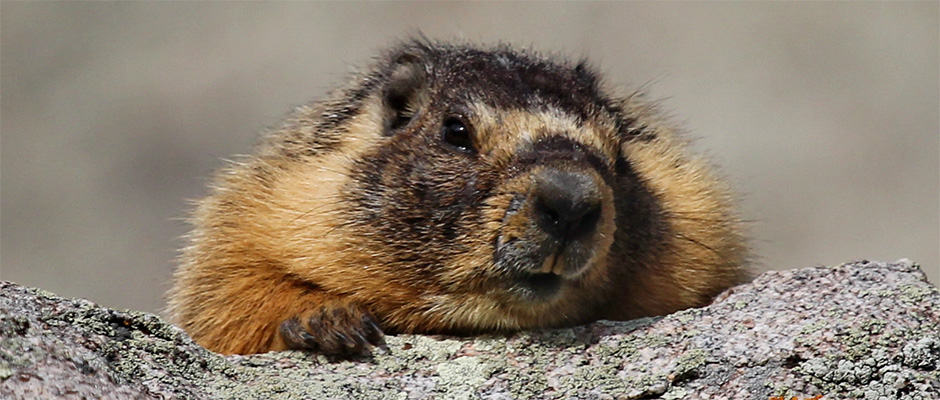
Idaho Marmot

The University of Idaho Student Chapter of TWS participated in numerous educational opportunities during this past fall semester. Student members assisted the Idaho Department of Fish and Game with several seasonal events as well as volunteering at local environmental institutions.

Idaho Student Chapter

Image Credit: Collin Coissairt

Katey Huggler, Student Chapter President, says that the chapter has been busy fundraising for the upcoming Western Conclave in Kingsville, TX. Twelve students plan to attend the event.

“We have been selling hand-made glass heart pendants, student photography wildlife calendars, and t-shirts to raise money,” said Huggler.

The Student Chapter provides many great networking and educational opportunities for its members.

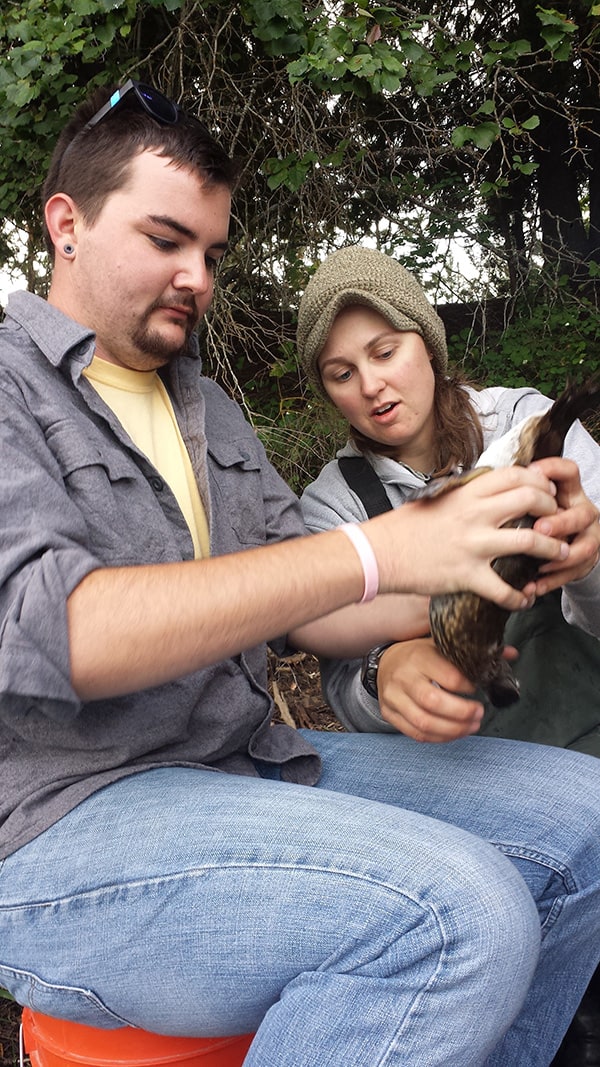
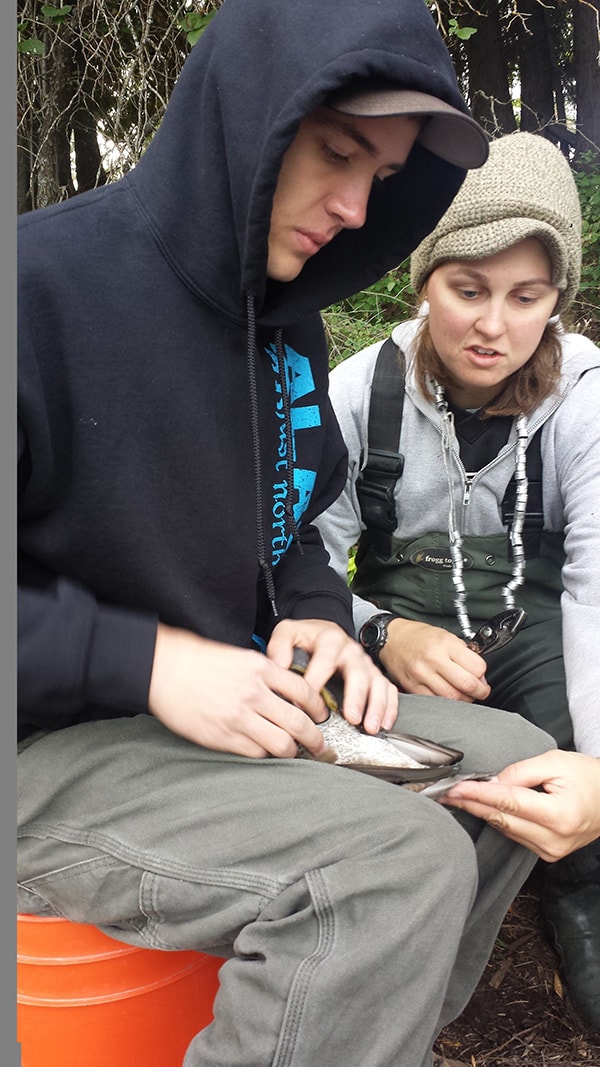
Student chapter members worked with several biologists and game wardens from the Idaho Department of Fish and Game. Tasks included working at wildlife check stations in October and November as well as assisting with waterfowl banding.

Idaho Student Chapter

Image Credit: Katey Huggler

“I love getting to work side by side with wildlife professionals and the hunting population,” said Maeghan Elliott, Student Chapter Secretary. “This event allows members the opportunity not only to understand how check stations work, but we also get to spend a day with a biologist or conservation officer discussing wildlife issues. The IDFG employees never fail to give us excellent advice about pursuing a career in wildlife.”

“My favorite part about being involved with the student chapter is the ability to network with many wildlife professionals and other students, as well as the opportunities that I receive by being a student member,” said Huggler.

Idaho Student Chapter

Image Credit: Mike Berg

The chapter organizes outreach events within the community, as well. Members have educated elementary school children on nocturnal animals such as raccoons and beavers through a program known as “Animals of the Night” with the Palouse Clearwater Environmental Institute.

Katy Farmer encourages other students to get involved in these kinds of opportunities.

“You are able to meet other students and people working in your professional field of interest,” she said. “I was able to dress up like a skunk and teach children about [nocturnal animals]. I came away with new knowledge myself!”

Maeghan Elliott enjoys being involved with the Student Chapter not only as a member, but also as an officer.

“My favorite part of being an officer for the student chapter of TWS is planning fun events that get students excited about wildlife. TWS has provided me with a multitude of opportunities to get hands on experience as well as opportunities to meet professionals and other students in this field,” said Elliott.

To learn more about the Student Chapter and their upcoming events visit their website and Facebook page.

Sources: Katey Huggler, Katy Farmer, Maeghan Elliott

Northwest Territories Mobile Conservation Area

Caribou

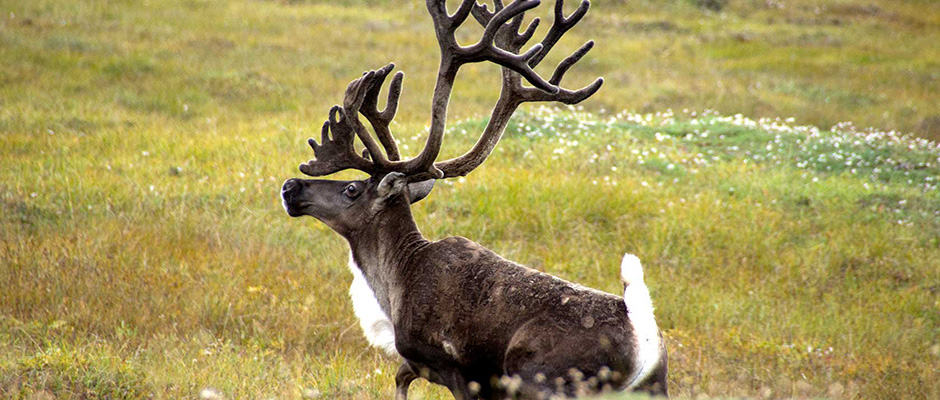
The Northwest Territories has banned hunting in a new, mobile conservation area with changing borders to protect the vulnerable Bathurst caribou herd. Radio collars and reconnaissance flights will be used to identify the core of the herd. This information will be used to update the location of the conservation area weekly.

Read more on CBCNews

Call for Student Research in Progress Posters

TWS Annual Conference 2015 Winnipeg

Deadline: June 18, 2015 at 11:59 pm

22nd Annual Conference of The Wildlife Society
Winnipeg, Manitoba October 17-21, 2015

The Student Development Working Group invites students to submit Research-in-Progress Posters covering topics in wildlife science, management, conservation, education, human dimensions, or policy.  All undergraduate, M.S., and Ph.D. students are eligible for this session. Eligible posters include: 1) research that is in progress; 2) a proposed research project (with a focus on study design); 3) results from completed undergraduate research projects; or 4) student chapter research projects that may not be appropriate for the regular poster sessions (these may include a class or group research project).

The Student Research-in-Progress Poster session will be held separately from the contributed poster sessions. You should NOT submit the same abstract for the Student Research-in-Progress Poster session if you have already submitted it as a Contributed Paper or Poster abstract. This is an excellent opportunity to receive feedback and suggestions from both professionals and peers. Posters may be no larger than 4 ft. tall x 3.75 ft. wide. You will be notified by email regarding whether your abstract was accepted by July14, 2015.

Instructions for Submitting Abstracts

Abstracts for The Student Research-in-Progress Poster Session will be submitted through OASIS. The submission site will open on May 4, 2015. The submission site will lead you through the submission steps. Abstracts must be no longer than 300 words. You may initiate a submission, leave it, and return to complete or revise it as often as you like until the submission deadline. The submission deadline is June 18, 2015 at 11:59 p.m. EST. Abstracts that do not meet this deadline will not be considered. Only one submission per primary author is allowed.

You will be asked to choose one of the following subject categories for your poster:

  • Conservation and Management of Birds
  • Ecology and Habitat Relationships of Birds
  • Conservation and Management of Mammals
  • Ecology and Habitat Relationships of Mammals
  • Reptiles and Amphibians
  • Biometrics and Population Modeling
  • Community Dynamics
  • Wildlife Damage Management
  • Wildlife Diseases and Toxicology
  • New Technology and Applications
  • Conservation Planning and Policy
  • Human Dimensions and Education
  • Harvest Management

Abstract Review – Abstracts will be reviewed by a committee comprised of members of the Student Development Working Group.

Registration – All presenters MUST register and pay the appropriate conference registration fee. Advance registration is strongly recommended. Registration information will be posted on TWS’ website, https://wildlife.org. If your abstract is accepted you may apply for a student travel grant. For more information please go to https://wildlife.org.

Questions? – Questions about submitting your abstract may be directed to the Program Committee Coordinator, Tricia Fry, at tricia@wildlife.org. For all other conference questions, please call (301) 897-9770 or email membership@wildlife.org.

Wildlife Damage Program Helps Prevent Conflicts

Wildlife Damage Wisconsin

Wildlife damage specialists with the South Dakota Game, Fish, and Parks Department work with nearly 2,000 landowners to manage potential wildlife conflicts on their land. The damage specialists help prevent predation on livestock and damage to crops in order to promote tolerance of wildlife and encourage private landowners to grant access to hunters

Read more about wildlife damage specialists in South Dakota on The Daily Republic.

Students Pursue Career Goals by Volunteering, Networking

Vermont Student Chapter

The University of Vermont (UVM) Student Chapter of The Wildlife Society has been actively involved in wildlife and fisheries related activities since 1973. Student members volunteer with many local organizations and agencies to gain experience in a variety of wildlife-related careers.

Vermont Student Chapter

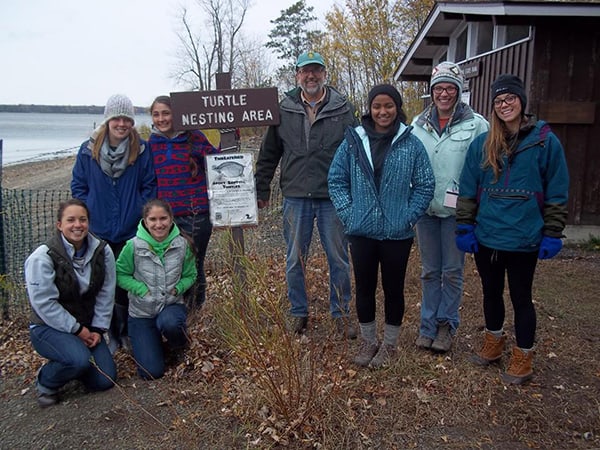
Chapter members with Vermont Fish and Wildlife Department biologist Steve Parren during the vegetation clean-up day to expose shale used for nesting by the state endangered spiny softshell turtle (Apalone spinifera).
Image Credit: Erin Sharkey

To enhance collaboration between the chapter and other natural resource professionals, the student chapter partners annually with federal, state, and non-governmental organizations to conduct habitat restoration and enhancement, ecosystem monitoring and inventory, wildlife research and training, and provide opportunities for natural resource professionals to present and share their findings to the greater UVM community and the public.

“The Wildlife Society at UVM provides many invaluable chances to explore possible career paths, from wildlife management, to research, to public relations. During such a pivotal time in their lives, students should know what options there are available to them to really make a difference once they graduate,” said Jessica Mailhot, a junior at UVM.

Specifically, the chapter partners each year with the U.S. Fish and Wildlife Service at the Missisquoi National Wildlife Refuge to enhance migratory songbird habitat by restoring native trees. In addition, they work collaboratively with the Vermont Fish and Wildlife Department to clear vegetation from Lake Champlain’s northern beaches, exposing the shale used for nesting by the state endangered spiny softshell turtle (Apalone spinifera).

Vermont Student Chapter

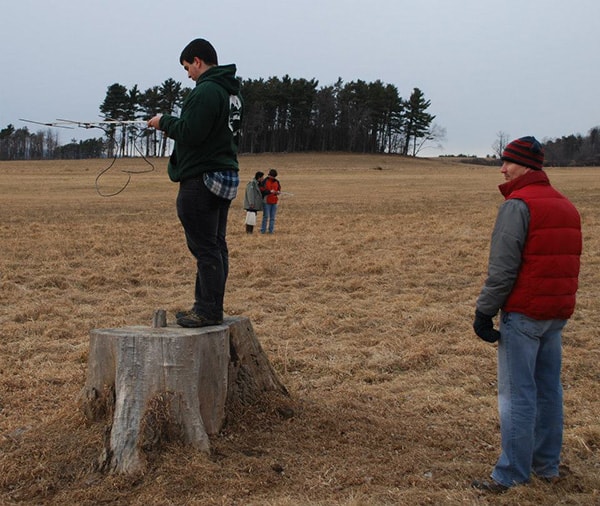
Chapter members participating in a radio-telemetry workshop at Shelburne Farms, Vermont.
Image Credit: UVM TWS Member

“We are able to spend a beautiful day outside, cleaning the beaches where they [the turtles] nest, and even see some baby turtles brought by the biologists!” said Rhianna Sommers, a senior at UVM.

The chapter also participates in a BioBlitz where students and faculty rapidly identify and collect samples of all flora and fauna in various protected areas in the state. Other activities include training workshops on radio-telemetry and other field skills, guest lecturers with natural resource professionals, and attending local, regional, and national wildlife conferences.

The most anticipated annual event among members is assisting the Vermont Fish and Wildlife Department and Vermont Department of Health in the operation of biological check stations during Vermont’s deer and moose hunting seasons. Chapter members assist Fish and Wildlife biologists during the youth and modern firearm seasons in collecting information on the age, sex, and biomorphic condition of harvested animals. In addition, members collect blood sero-survey samples for the Department of Health to test for the presence of and monitor the distribution of antibodies for Eastern Equine Encephalitis (EEE) among Vermont’s ungulate populations.

Vermont

Collecting information on the age, sex and biomorphic condition of a harvested deer at a biological check station during Vermont’s deer hunting season.
Image Credit: Matthias Surch

Amanda Adams, a junior at UVM, believes that working with the Vermont Fish and Wildlife Department and the Health Department provides students with an excellent opportunity.

“Working with state biologists at the biological deer check stations gave me great experience working with deer. It is also a great time to talk to the biologists about what they do,” said Adams.

Katie Stoner, a junior, agrees.

“My involvement with the University of Vermont Wildlife and Fisheries Society has allowed me the opportunity to pursue my career goals by volunteering to support collaborative efforts between research and conservation agencies,” she said. “These experiences provided invaluable skills preparing me for the professional world.

Adam Murkowski, deer project leader for the Vermont Fish and Wildlife Department, attributes the efforts of the chapter to the Department’s ability to enhance data collection from hunter harvested deer.

“Without the leadership and participation of UVM TWS members, the Vermont Fish and Wildlife Department would not be as capable of collecting biological data from hunter harvested deer either across the state or throughout the various deer hunting seasons each fall.”

For more information on the chapter’s upcoming events visit their website or Facebook.

Novel Collars Aid in Assessing Disease Risks

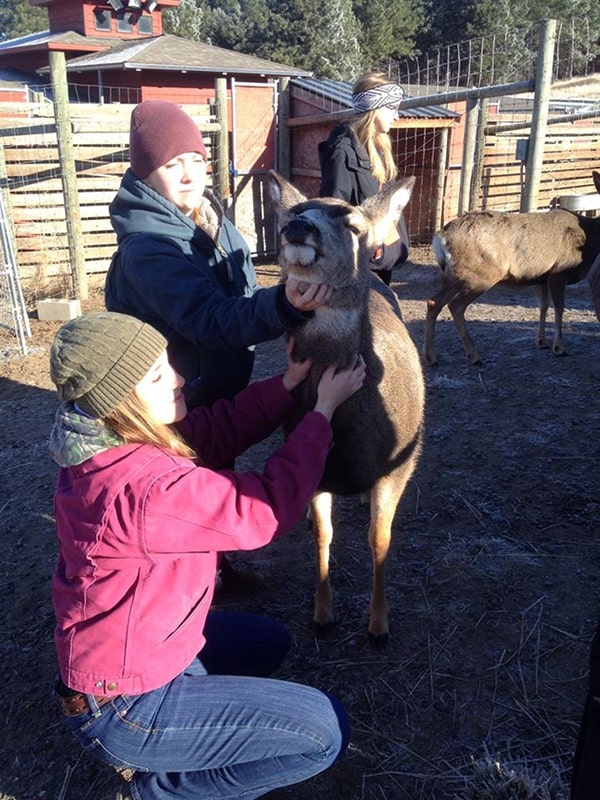
Deer

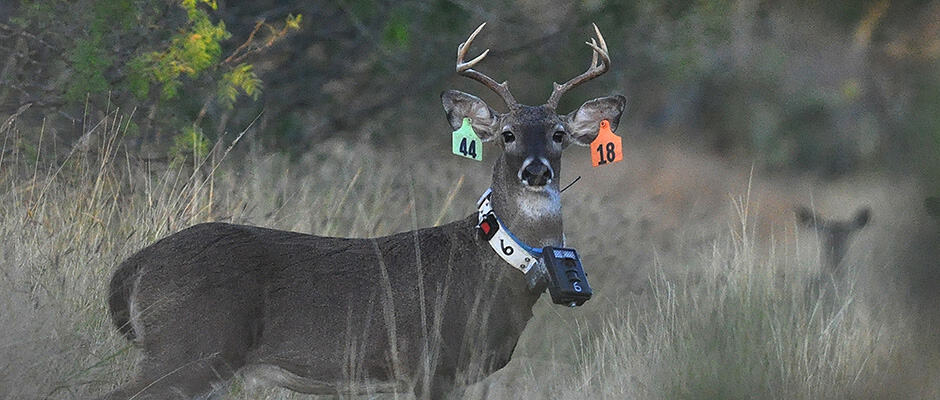
The ability to accurately measure and detect contact between two or more animals is critical to understanding disease transmission risks. In order to collect more accurate contact data among white-tailed deer, researchers at the USDA Wildlife Services’ National Wildlife Research Center (NWRC) built a deer-borne contact detection system (DCDS) consisting of cameras and proximity loggers installed on global position system (GPS) collars. To ensure the DCDS did not alter the behavior of the deer, researchers conducted a preliminary evaluation of potential stress on deer as a result of the device and monitored the deer for five hours immediately following the placement of collars.

Twenty-six adult male deer were fitted with DCDS collars to record their locations, proximity to other equipped deer, and video of deer interactions in southern Texas. From 17 of the 26 collars, researchers documented 16 contacts with GPS, 33 with cameras, and 61 with proximity loggers, resulting in estimated mean daily contact rates of 0.12, 0.29, and 0.66, respectively. Cameras and GPS underrepresented contacts among deer, whereas proximity loggers provided credible estimates for disease modeling.

“The results underscore the importance of accurate detection and contact rates when modeling disease transmission risks,” notes NWRC supervisory research wildlife biologist Dr. Kurt VerCauteren.

Wildlife Services is a Strategic Partner of The Wildlife Society.