Deadly Amphibian Fungus Hits Madagascar

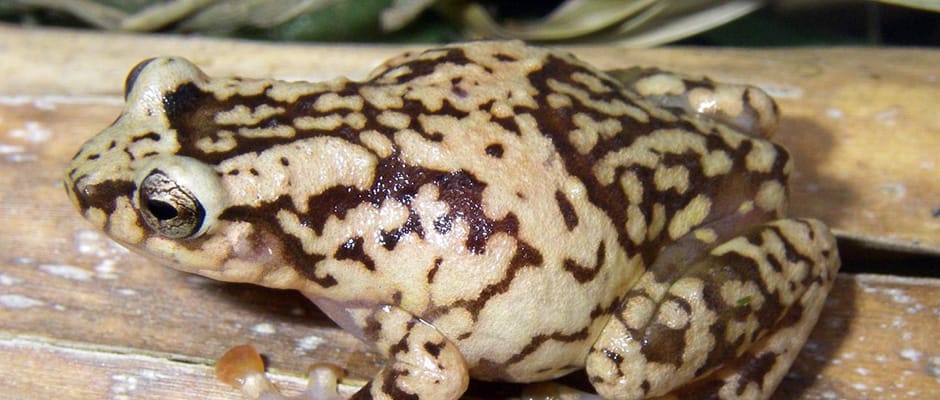
Madagascar amphibian

Scientists are calling for an emergency plan to protect the fauna of Madagascar after a fungal disease that has laid waste to vast populations of amphibians across the world has been detected for the first time on the unique island ecosystem.

“This is sad news for amphibian-lovers around the world,” said Dirk Schmeller in a release. Schmeller is from the Helmholtz Centre for Environmental Research (UFZ) and was involved in analyzing the samples. “Firstly, it means that an island that is home to a particularly high number of amphibian species is now at risk. Several hundred species live only on this island. And, secondly, if the pathogen has managed to reach such a secluded island, it can and will occur everywhere.”

Researchers from UFZ and the Braunschweig University of Technology in Germany and others have proposed an emergency plan involving probiotic treatments, monitoring the spread of the fungus and the construction of amphibian breeding stations in the journal Scientific Reports.

The fatal chytrid fungus Batrachochytrium dendrobatidis and the resulting chytridiomycosis pandemic have decimated populations of salamanders, toads and frogs in the U.S., Central America and Australia. The disease is now poised to cause destruction on nearly 290 species of amphibians found nowhere else on the world as well as a further 200 frog species thought to live in the island country that have not yet been classified by scientists.
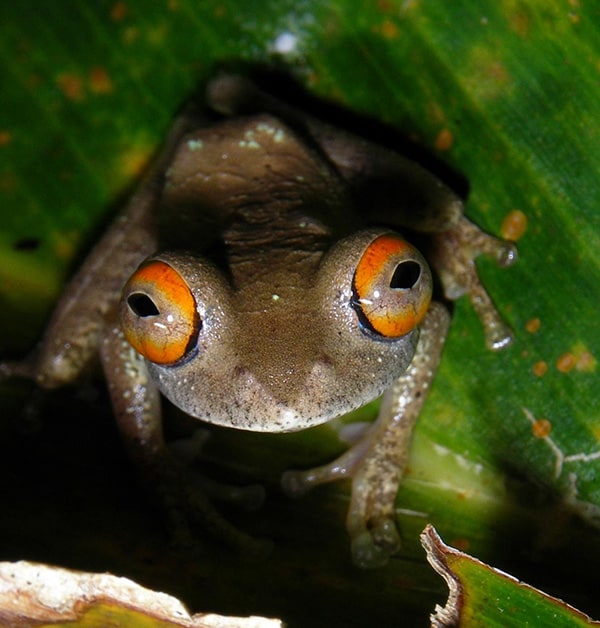
Madagascar amphibian

Boophis quasiboehmei is from the Ranomafana National Park in Southeast Madagascar. The appearance of a deadly fungus in the African country could affect 290 species of amphibians unique to the island.Image Credit: Miguel Vences/TU Braunschweig

The fungus operates by attacking the skin amphibians use to breathe. It has been confirmed in more than 500 species of amphibians and is thought to be able to affect all species.

For the study, researchers looked at samples from more than 4,000 amphibians taken from 50 sites across Madagascar since 2005. Four frog samples from 2010 from the Mantidactylus genus and a Mascarene frog (Ptychadena mascareniensis) sample taken in 2011 tested positive for the disease while chytrid fungus showed up in five regions sampled between 2013 and 2014.

The Mascarene frog sample from 2011 was taken from a particularly remote location in the Makay massif—a mountain range in southeastern Madagascar. It gives scientists some hope that the disease found there could be from a previously undiscovered native strain, meaning that the amphibians on the island may have developed some resistance to the disease.

But the researchers won’t know until the disease is analyzed.

“Luckily, there have not yet been any dramatic declines in amphibian populations in Madagascar,” Schmeller said. “However, the pathogen appears to be more widespread in some places than others. Madagascar may have several strains of the pathogen, maybe even the global, hypervirulent strain. This shows how important it is to be able to isolate the pathogen and analyze it genetically, which is something we haven’t yet succeeded in doing.”

The researchers are speaking with the African country’s government with the idea of builing more breeding stations apart from the two already under construction in order to act like arks in case some species are extirpated from the wild. They are also hopeful that the disease could be fought with the help of probiotic skin bacteria.

“The decline in Madagascan amphibians is not just a concern for herpetologists and frog researchers,” said Franco Andreone from the International Union for Conservation of Nature (IUCN) and one of the coauthors of the study. “It would be a great loss for the entire world.”
Proposed Budget Beefs Up Livestock Depredation Funds

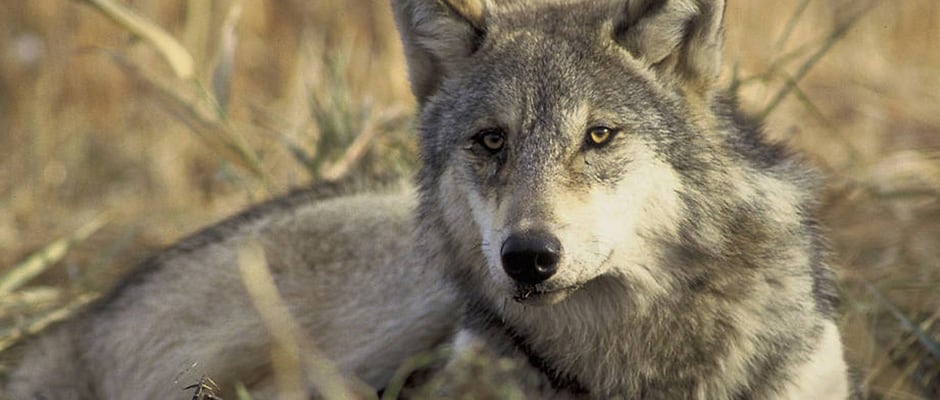
Wolf

As the U.S. Fish and Wildlife Service reinstates gray wolves as a federally endangered species due to a court order, Minnesota famers are worried about limitations on the ability of state agencies to control and remove problematic wolves that prey on livestock. Governor Mark Dayton’s proposed budget doubles the amount of funds available for compensation for farmers that experience livestock depredation by wolves.

Read more at the StarTribune.

Florida Releases Draft Plan for Conserving 60 Species

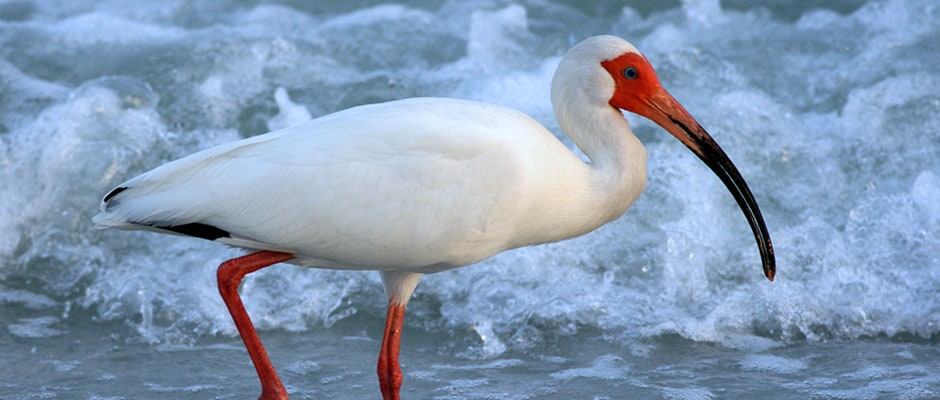
White ibris

Florida’s state wildlife agency has created a draft plan to manage 60 species of mammals, birds, reptiles, amphibians, fish and other aquatic life.

The Imperiled Species Management Plan released last week by the Florida Fish and Wildlife Conservation Commission mixes conservation measures targeted towards specific species as well as broader measures that look to conserve or improve habitats that affect a number of different plants and animals.

“Florida has a diversity of imperiled species, from the American oystercatcher with its striking black and white plumage and bright orange bill, to the Santa Fe cave crayfish that lives entirely in below-ground aquatic caves,” said Laura Barrett, the coordinator of the state agency’s new plan, in a press release.

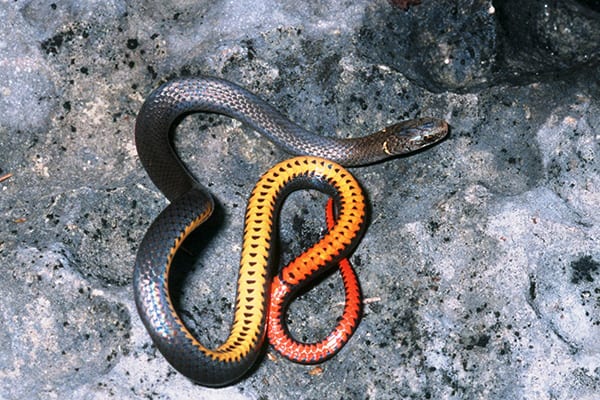
Key ringneck snake

The key ringneck snake is one of the 60 species included in a new draft plan for the conservation of 60 species.
Image Credit: Kevin Enge, Florida Fish and Wildlife Conservation Commission

“With this plan, the FWC invites our many partners and the public to play prominent roles in conservation of imperiled fish and wildlife,” she continued. “Effective long-term stewardship of 60 species in this rapidly growing state requires all of us to work together on critical issues such as species monitoring, habitat conservation and education, and outreach efforts.”

Of the 60 species the plan looks at, 37 will be continued to be listed as threated in the state — five as species of special concern, three species that are listed federally on the Endangered Species Act and another 15 that are being removed from the state’s imperiled species list.

The plan is open for public comment through the agency’s website through March 13.

The following species are included in the plan:

Mammals: Big Cypress fox squirrel, Eastern chipmunk, Everglades mink, Florida bonneted bat, Florida mouse, Homosassa shrew, Sanibel Island rice rat, Sherman’s fox squirrel and Sherman’s short-tailed shrew.

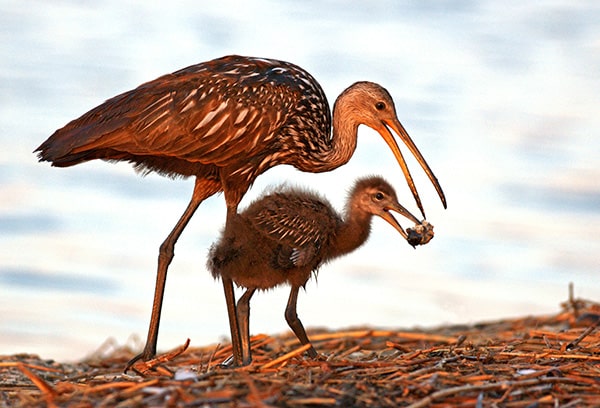
A limpkin and chick

A limpkin and chick. The limpkin is one of the 60 species included in a new draft plan for the conservation of 60 species.
Credit: Jack Rogers, Florida Fish and Wildlife Conservation Commission

Birds: American oystercatcher, black skimmer, brown pelican, Florida burrowing owl, Florida sandhill crane, least tern, limpkin, little blue heron, Marian’s marsh wren, osprey (Monroe County population only), reddish egret, roseate spoonbill, Scott’s seaside sparrow, snowy egret, snowy plover, Southeastern American kestrel, tricolored heron, Wakulla seaside sparrow, white-crowned pigeon, white ibis and Worthington’s marsh wren.

Reptiles: Alligator snapping turtle, Barbour’s map turtle, Florida brown snake (lower Keys population only), Florida Keys mole skink, Florida pine snake, Key ringneck snake, Peninsula ribbon snake (lower Keys population only), red rat snake, rim rock crowned snake, short-tailed snake, striped mud turtle (lower Keys population only) and Suwannee cooter.

Amphibians: Florida bog frog, Georgia blind salamander, gopher frog and Pine Barrens treefrog.

Fish: Atlantic sturgeon, blackmouth shiner, bluenose shiner, crystal darter, Key silverside, harlequin darter, Lake Eustis pupfish, mangrove rivulus, saltmarsh topminnow and Southern tessellated darter.

Corals: Pillar coral.

Crustaceans: Black Creek crayfish and Santa Fe cave crayfish.

Mollusks: Florida tree snail.

Video: Unity College Students Study Bears in Maine

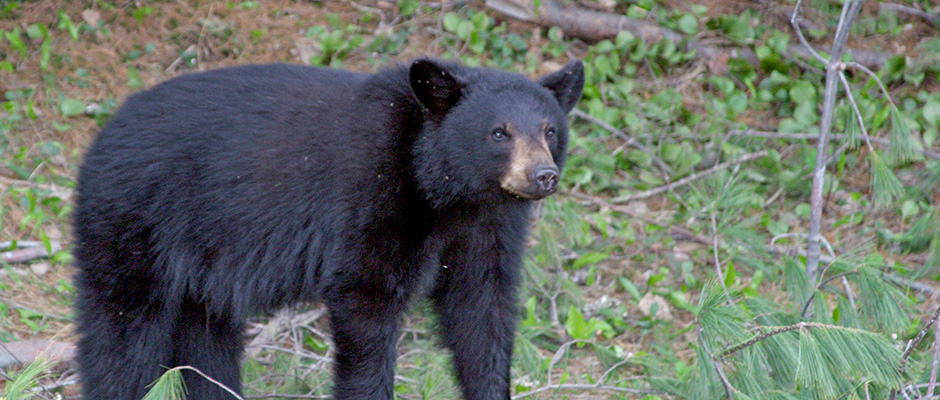
Bear Study

In cooperation with the Maine Department of Inland Fisheries, students at Unity College participate in a bear study to help prepare them for future careers in wildlife biology. The students are assigned different tasks to complete the study. They determine bear locations and use bait to trap bears. Then, they sedate the bears to collect data through tagging, tattooing and collecting samples, before sending them back into the wild.

TWS and Chapters Comment on Wetland Determinations

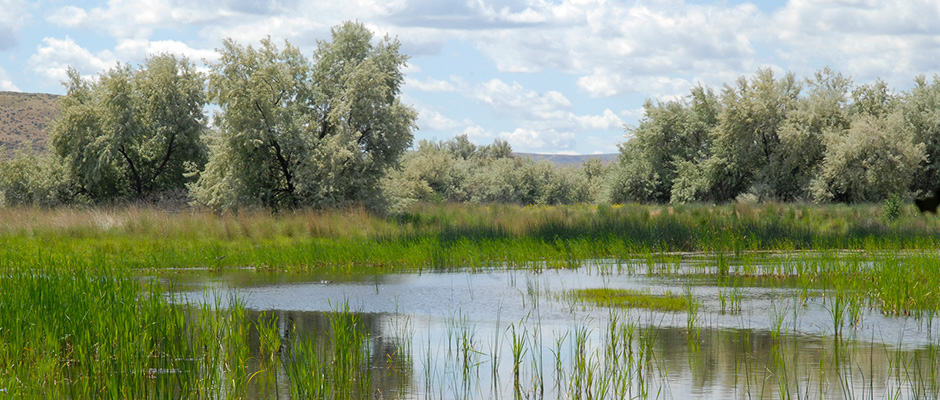
Scenic

The Wildlife Society, in partnership with the Iowa, North Dakota, and South Dakota TWS Chapters, and several other conservation and sportsmen’s groups has signed onto a letter providing comments to the Natural Resources Conservation Service’s (NRCS) proposed changes to State Offsite Methods (SOSM) for wetland determinations and mapping.

Agricultural producers that are voluntarily participating in NRCS and Farm Service Agency (FSA) programs must comply with wetland conservation provisions, which prohibit both converting wetlands to allow for agricultural production and producing agricultural commodities on a converted wetland. Non-compliance can affect producer’s ability to receive conservation program benefits. The proposed changes to SOSM would affect wetland mapping and wetland determinations in Iowa, Minnesota, North Dakota, and South Dakota and may alter which areas can be used for agricultural production while remaining in compliance with these conservation provisions.

The goal of the letter is to ensure that the proposed changes maintain the same accuracy in providing data for wetland determination as previous wetland mapping procedures and are not biased against seasonal and temporary wetlands. The Prairie Pothole Region (PPR) includes parts of the four states covered by the proposed SOSM changes. While the majority of PPR wetlands are seasonal or temporary in nature, they are critical in supporting North America’s waterfowl populations.

Use of late-season imagery and methods such as using wetness signature thresholds for wetland determinations may underestimate the size or totally omit the detection of some seasonal or temporary wetlands. The letter requests that the NRCS field verify the outlined methods outlined in the proposed SOSM and collect spring imagery, particularly in the PPR. While the FSA’s late-season imagery is sufficient for crop-monitoring purposes, it has major limitations in seasonal wetland mapping. Early-season imagery is more suitable for identifying temporary and seasonal wetlands. Proper determination and mapping of these areas is critical to preventing further conversion and loss of wetlands in the PPR.

The proposed changes for each state are available from the NRCS. The comment period on the proposed changes has recently closed.

Prehistoric Turtles Had Climate Change Advantage

Turtle climate change

While prehistoric turtles may have been fast enough to win the race against climate change, a new study shows that habitat loss and other human pressures may put serious obstacles to stop them from making a repeat performance in the future.

Scientists from the University of Florida discovered tropical turtle fossils from the new genus Gomphochelys in modern day Wyoming that indicate the turtles moved north as the climate warmed up.

“We knew that some plants and lizards migrated north when the climate warmed, but this is the first evidence that turtles did the same,” said Jason Bourque in a release. Bourque is a paleontologist at the Florida Museum of Natural History at UF and the lead author of the study that appeared this week in the Journal of Vertebrate Paleontology.

The authors believe about 56 million years ago during a peak in global temperatures called the Paleocene-Eocene Thermal Maximum, the turtles migrated around 500-600 miles to the north along with a number of other plants and animals.

But some modern day turtle species facing pressures from habitat loss and other human-caused problems may become extinct before they can make a similar northwards exodus.

“If global warming continues on its current track, some turtles could once again migrate northward, while others would need to adapt to warmer temperatures or go extinct,” Bourque said.

Among modern species that could have a difficult time migrating is the Central American river turtle (Dermatemys mawii), modern day descendants of Gomphochelys and one of the most endangered turtles in the world. According to co-author Jonathan Bloch, a Florida Museum curator of vertebrate paleontology, the turtles would have to navigate a complicated series of rivers and other natural habitat currently in jeopardy.

“If you look at the waterways that turtles would have to use to get from one place to another, it might not be as easy as it once was,” Bloch said. “Even if the natural response of turtles is to disperse northward, they have fewer places to go and fewer routes available.”

Calling All Students

Field Course

2015 Wildlife Field Course
Castleton, Vermont
May 17-May 30, 2015

Learn hands-on from professional wildlife biologists during this valuable, immersive experience. PA TWS also sponsors an annual scholarship open to undergraduate students attending Pennsylvania colleges and universities.

A few of the techniques you will learn and topics to be covered:

  • Trapping of small mammals
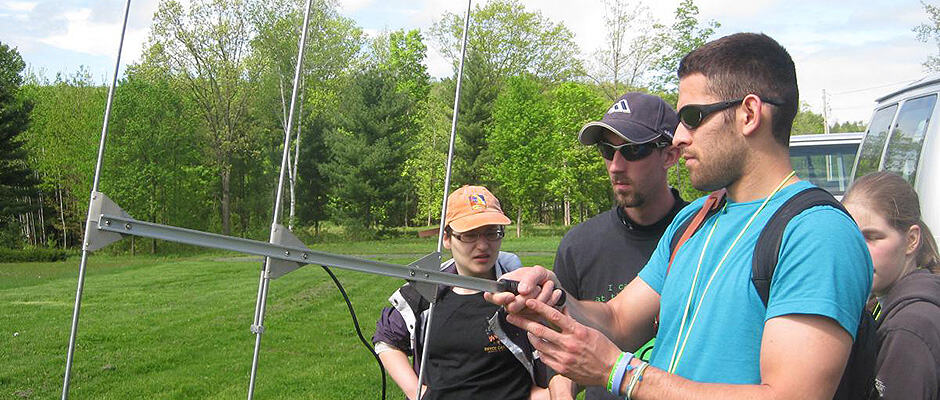
  • Telemetry
  • Use of chemical immobilization equipment
  • Map and compass use
  • GPS use
  • Wildlife education tools (e.g. Project WILD, Aquatic Project WILD)
  • Habitat mapping, bird and herptile surveys
  • Discussion sessions on careers and current wildlife conservation and management issues with professional biologists
  • Identification of common trees and plants

Visit the Northeast Section website to learn more and register.

Visit the PA TWS Awards page to learn about our scholarship opportunity to attend this course.

Also visit the TWS National website for a recent article on the Field Course.

Mexican Wolf Population Reaches All-time High

Mexican wolf

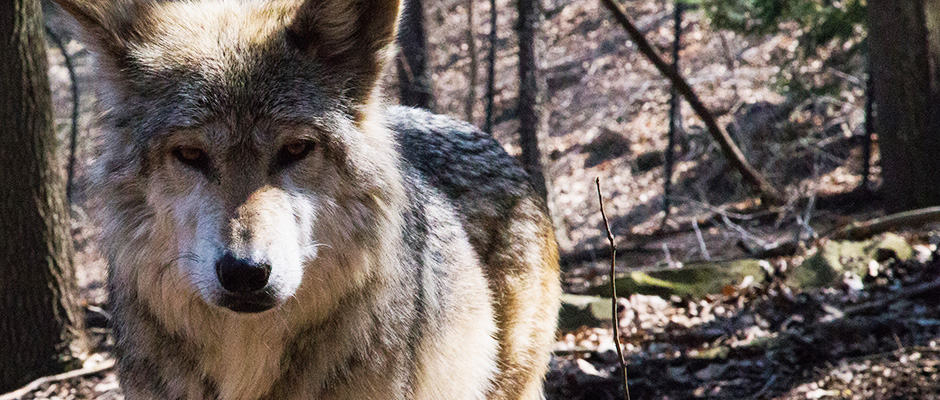
Officials say the reintroduced Mexican gray wolf population in Arizona and New Mexico exceeded 100 individuals. The known population grew 31% between 2013 and the end of 2014, now reaching 109 wolves. The population count included 38 wild-born wolf pups that survived through the end of the year.

Read more at the Ruidoso News.

Early Human Farmers Used Hunting for Social Cohesion

Bowhunting

Way before we had TV shows or manufactured board games, bowhunting may have been the pastime that brought communities together and marked individual prestige in societies.

New archaeological evidence suggests that some early agricultural communities may have collectively focused on hunting as a pastime — similar to its current role in society.

“Hunting was an element of social cohesion,” Xavier Terradas said, in Spanish, of a culture that existed in modern day Spain around 7,200 to 7,400 years ago. Terradas is an archaeologist with the Spanish National Research Council and a coauthor of the paper published recently in the Journal of Archaeological Science.

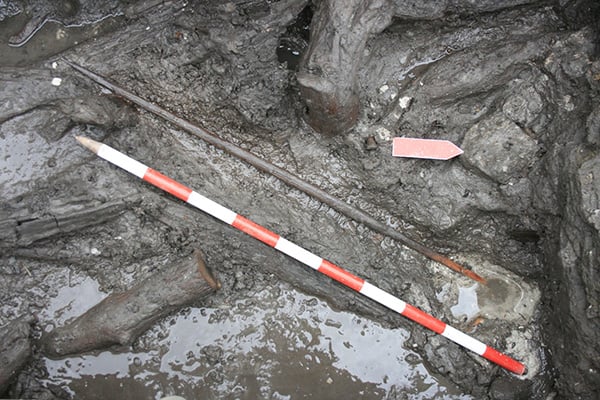
Bowhunting

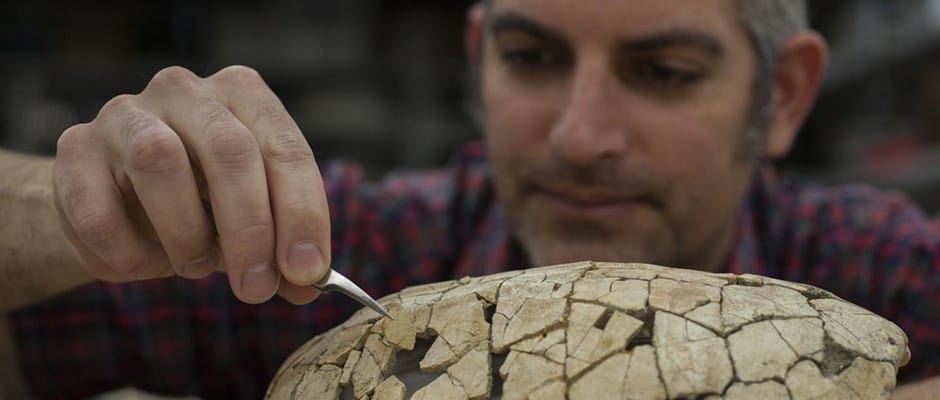
Neolithic wooden artifacts like this one were preserved for more than 7,000 years and show that humans may have used hunting as a form of social cohesion.
Image Credit: Spanish National Research Council

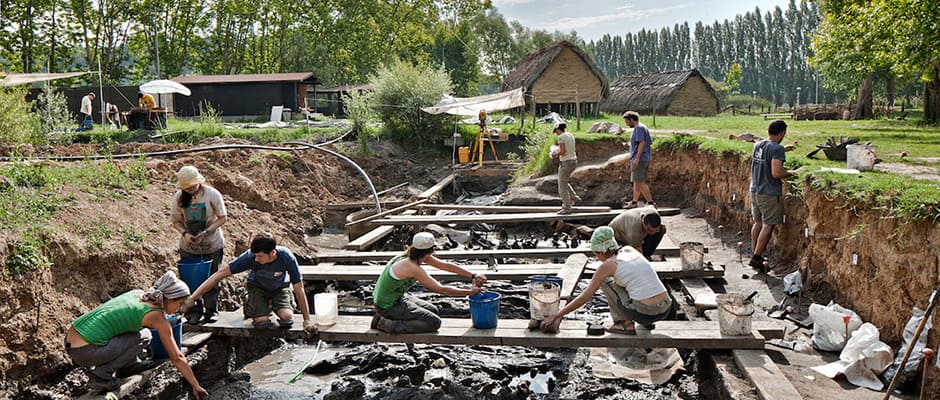
La Draga, a Neolithic site in Catalonia, Spain where Terradas worked, revealed a number of important archaeological artifacts from the period including full wooden bows that had been preserved under water that has receded more recently.

“The bows recovered in La Draga, besides being unique material documentation of early Neolithic archery and hunting technology, become part of the earliest archaeological evidence available on the social role of hunting in the first farming societies, especially in order to evaluate structural aspects such as economic specialization, division of labor and the nature of resource access,” Terradas said in a release.

The archaeologists also uncovered evidence that the people who lived there primarily drew their nutrition from agriculture and domesticated animals. Numerous seeds were found as well as the bones from cattle.

“Based on the bones, we can tell whether the animals are domestic or hunted,” Terradas said.

Researchers also discovered bones of hunted prey like deer, wild goats and other animals, but they estimated that only about 3 percent of the diet of the Neolithic people in this area actually came from hunted animals.

“Hunting is not related to subsistence but other elements,” Terradas said the authors concluded. They found a variety of projectiles made from different materials like rock, wood and bone, but Terradas said that there wasn’t much armed conflict between different groups of humans around that time. Instead, the study found that prestige was one of the main drivers of this form of social hunting and was linked to the type of animals hunted and prey distribution.

Communication – Collaboration – Networking

Rick Baydack

Communication, collaboration and networking are three very important words that I am sure all members of our profession understand and use to their advantage on a daily basis. The importance of these components in enhancing our abilities to function as effective and efficient wildlife biologists and managers cannot be discounted. Leaders in our field clearly have demonstrated their skills in each of these areas and continue to expand upon their past experience to build even greater advantage in their work. So how do we ensure that each member of TWS recognizes the need for capturing these essential skills in their repertoire, and includes them in their professional toolbox? And how can we relate these factors to my favorite question …..’Why Do Wildlife Matter?’

The Wildlife Society offers the opportunity for enhancing communication – collaboration – networking (and no doubt providing countless answers to that question of mine) through a wide range of our events and activities. First and foremost, the TWS website is being redeveloped to provide an increased and dynamic platform for all members to build their professional expertise. Enhancing our electronic information capability has been a primary goal of many staff at TWS HQ over the past several months. Although not yet complete and still getting some of the bugs eliminated, I hope that you have found the new, interactive website to be stimulating, effective, and beneficial to your professional development. The site has also been effective in building our social media presence on outlets such as Facebook, Twitter, and LinkedIn, and TWS members, especially our younger generation, are taking full advantage of these opportunities. However you may choose to use the website, I expect that information transfer has been increased.

Another exciting new initiative that TWS has developed to build effectiveness in communication – collaboration – networking is our Conservation Affairs Network. This initiative has been designed to make more use of member expertise and interests at the local and regional level so as to ‘make a difference’ in the arena of wildlife needs and hopefully, increasing public acceptance of what we do as wildlife professionals (i.e., ‘Why Do Wildlife Matter?’). Chapter, Section, Committee, and Working Group meetings also provide venues for building our C-C-N capabilities. At these various events, TWS members can and do interact to exchange information, ideas, perspectives, viewpoints, stories, and other materials that is essentially adding considerably to their skillsets. No question we all ‘remember’ great times from the past and regale ourselves with tales of the ‘good old days.’ I just attended the Manitoba Chapter Annual Get-Away Weekend where the above activities were prominent, and look forward to my upcoming trips to the 80th North American Wildlife and Natural Resources Conference in Omaha, Nebraska, and the 9th Annual Meeting and Conference of the Canadian Section of TWS in Saskatoon, Saskatchewan, where no doubt we will all be taking part in ‘telling the greatest story never told.’

And TWS has a very large part to play in the Vth International Wildlife Management Congress to be held in Sapporo, Japan in July 2015, and the 22nd Annual Conference of The Wildlife Society in Winnipeg, Manitoba in October 2015. I think there is no doubt that these major Conference events represent a prominent place for many of us to expand upon our C-C-N capabilities. The recent survey of attendees to the Pittsburgh TWS Annual Conference identified taking part in the educational programs, networking, and enhancing their professional contacts as the main reasons for attending – clearly C-C-N components. Those types of opportunities will once again be available and will likely take center stage in Sapporo and Winnipeg.

I have spoken to several TWS members who have travelled to Japan in the past, and although I have only been there on two occasions, I must admit that I cannot wait to get back! Sapporo is an exciting and dynamic city where I have thoroughly enjoyed good times, good friends, superb cuisine, and exceptional camaraderie. The Congress will definitely work toward enhancing C-C-N skills, and no doubt will provide additional and perhaps different answers to the question of ‘Why Do Wildlife Matter,’ this time from a more global perspective. And TWS Winnipeg 2015 will represent only the second time that The Wildlife Society has ventured to the ‘Great White North’ for our Annual Conference. The Winnipeg Arrangements Committee has been working tirelessly to put together ‘the best TWS Conference ever,’ with a wide range of novel initiatives to stimulate Conference attendees to get the most from their experience. Whether polar bears, urban white-tailed deer, wolves, red-sided garter snakes, pickerel, waterfowl, or great gray owls are on your list of must do’s in terms of species, you will find them and many more at the Winnipeg Annual Conference. And although the Winnipeg Program Committee is just getting started, all signs so far point to perhaps a record number of submissions of proposals and abstracts for our various technical sessions. So do not delay if you are planning to send in your materials. No doubt opportunities for gaining additional answers to the question ‘Why Do Wildlife Matter’ will be provided.

Communication – Collaboration – Networking. In my view, these three skills are not only essential but perhaps the most important in furthering the development of wildlife professionals. The Wildlife Society is committed to assisting members to build their C-C-N skills, as well as providing assistance in other areas. I urge you to take advantage of these opportunities, and do not hesitate to pass along to others how they can take part and benefit from our exciting and innovative organization……THE Wildlife Society.