Officials Mull Grizzly Restoration in North Cascades

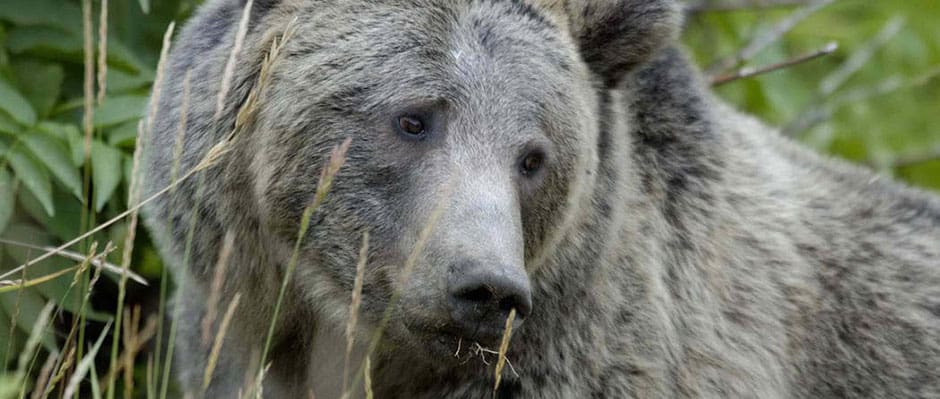
The National Park Service and the U.S. Fish and Wildlife Service will explain a new proposal to re-establish grizzly bears in the North Cascades next month. Some of the bears have recently turned up in the mountain range on the Canadian side of the border and wildlife officials are seeking public input at public meetings starting in early March. Read about it in The Daily News.

Predator Biodiversity Reduces Disease in Tadpoles

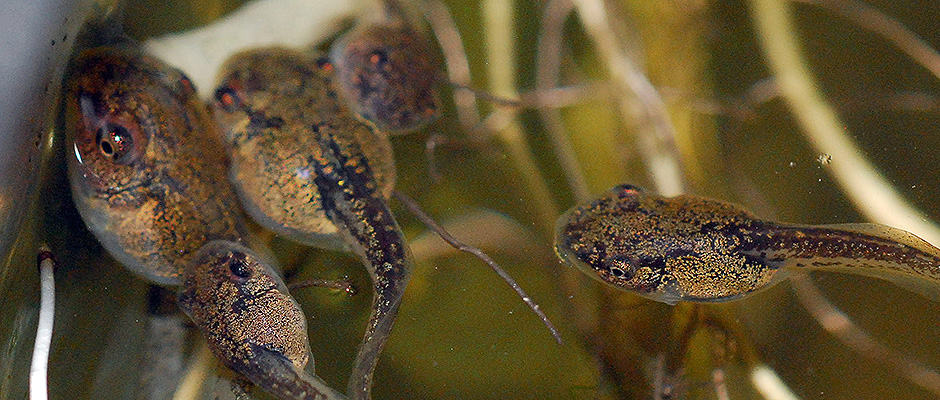
Tadpoles

After conducting laboratory, field, and modeling studies, researchers at the University of South Florida recently found that biodiversity of predators that consume parasites, such as dragonflies, damselflies, and aquatic bugs, can limit the spread of parasitic infections in tadpoles and frogs.

While most studies focus on host diversity, this particular study looked at predator diversity. “We conducted a field survey of frogs, macroarthropods and infections in ponds in Minnesota and discovered that the more species of parasite predators, the fewer infections in amphibians,” said Jason Rohr, associate professor at USF’s Department of Integrative Biologist and lead author of the study. “Additionally, the diversity of these predators was a better predictor of flatworm infections than nutrients, frog immunity or the diversity and abundance of hosts,” Rohr said.

Interestingly, researchers noted more complex findings in the laboratory when they began searching for similar patterns using dragonfly larvae. If the dragonfly species ate both the parasite and the tadpole, there were more parasites in the environment per remaining tadpole, and the remaining tadpoles had higher infection levels. However, when the predator species only consumed the parasites, there were fewer parasites in the environment, and the risk of disease was reduced.

Next, researchers returned to a field survey and confirmed that the reduction of disease was mostly due to predators that ate only parasites and not the hosts. “This is really important because we found convincing evidence that diversity can suppress parasite transmission and we may be able to manage the diversity of parasite predators to reduce disease risk,” Rohr said. He also hopes to find out if these findings would apply generally to most host-pest systems. In fact, Rohr and his colleagues note similarities between their results and past research on the role of predator diversity in controlling crop pests.

“If we can convincingly demonstrate a meta-analytical result, general across all host pest systems, we may have identified a general mechanism in which predators can suppress pests,” Rohr said.

The researchers hope that this study can guide the management of predators to help reduce human and wildlife diseases along with pest populations.

“We hope to have improved human health and ecosystem services by providing decision makers, wildlife managers and farmers with guidance on how to manage predators to reduce pests and disease,” Rohr said.

President’s Budget Roundup: Conservation Programs

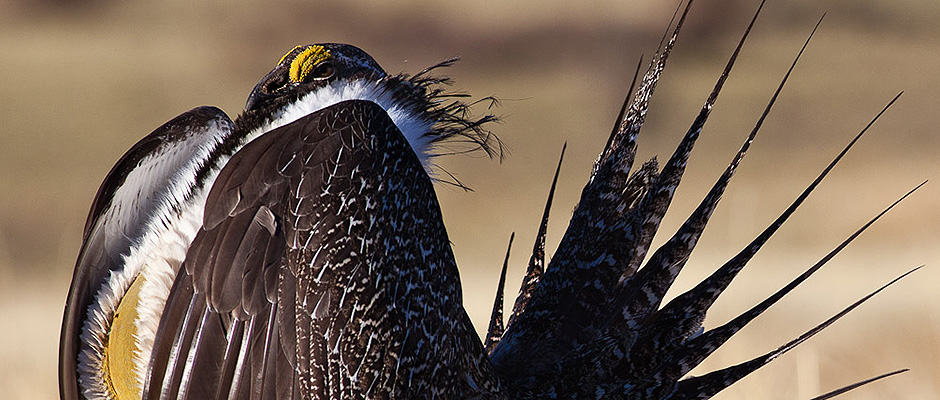
Greater Sage Grouse

The President’s budget request for Fiscal Year (FY) 2016 was released by the Office Management and Budget in early February. Each agency has released their individual budget justifications outlining requested funding for all programs. The budget requests notable increases for several wildlife programs across different agencies.

The FY16 request for the Department of the Interior totals $13.2 billion. The Fish and Wildlife Service (FWS) requested $1.2 billion. The National Wildlife Refuge System request was $508 million, an increase of $33 million over FY15 enacted funds. The Refuge System includes over 150 million acres of land and water and an additional 418 million acres in Marine Monuments. After program funding had remained stable for several years, FWS also requested a $10 million increase for State and Tribal Wildlife Grants, which provide funds to develop and implement programs for the benefit of fish and wildlife and their habitats in states and territories under the direction of individual State Wildlife Action Plans.

The Bureau of Land Management (BLM) request is $1.2 billion. Some major increases included allocating an additional $37 million to wildlife management, bringing the total up to $89.4 million. The 2016 priorities for wildlife management include the continued implementation of the BLM’s sage-grouse conservation strategies, with $37 million of the wildlife management request is dedicated to sage-grouse habitat restoration efforts; migratory bird conservation; and big game conservation. Despite the close to 50,000 feral horses and burros occupying public lands and the additional 48,000 animals in holding facilities, the FY16 request includes only a $3 million increase above FY15 levels for the wild horse and burro management program.

The United States Geological Service’s (USGS) Ecosystems program would receive an increase of $19.3 million above FY15 levels. USGS Ecosystems conducts research and monitoring of natural systems. The increase includes a $2.8 million expansion of landscape-level modelling. The request also allocates funding to monitor critical ecosystems, including sagebrush steppe. An additional $2 million was requested for the invasive species section of the Ecosystems program to support early detection of and rapid response to emerging invasive species.

The U.S. Forest Service request is $4.9 billion of the U.S. Department of Agriculture’s (USDA) total request of $25 billion. The budget includes language to classify wildfires as a disaster, allocating $795 million for fire suppression and allowing an additional $855 million to meet fire suppression needs beyond the base appropriations in emergency situations.

Several other USDA agencies, like the Natural Resources Conservation Service (NRCS) and Animal and Plant Health Inspection Service (APHIS) impact wildlife management. The APHIS Wildlife Services program funding request dropped about $10 million to $99 million for FY16. A total of $20 million of that budget is allocated for national control programs for feral swine. NRCS implements several Farm Bill programs. While the Wetlands Reserve Program, Grasslands Reserve Program, and Wildlife Habitat Incentives Program receive no funding in FY16, they were incorporated into the Agricultural Conservation Easement Program, which requested $450 million ($56 million increase), and the Environmental Quality Incentives Program, which requested $1.35 billion ($3 million increase).

Over the next few months, the Congressional Appropriations Committees will develop appropriations bill based on these requests, and Congress will a series of appropriations bills, which should go into effect at the beginning of the next fiscal year in October.

Are Some Airports a Beehive of Activity?

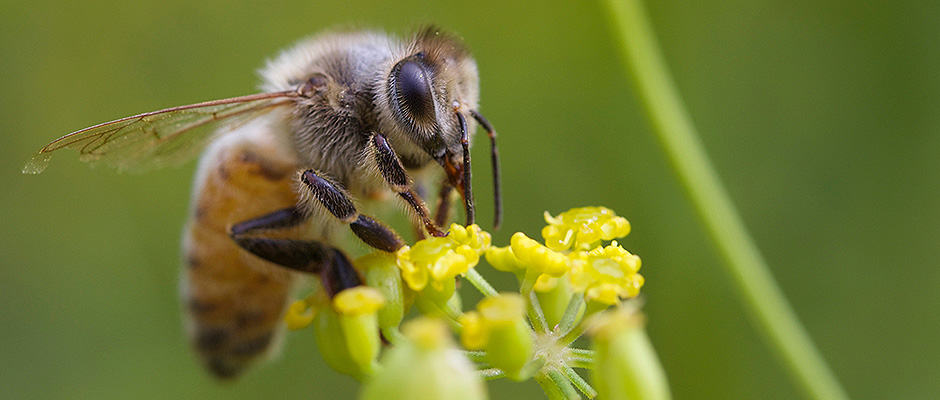
Bee

A number of airports are starting to keep beehives in nearby fields, as part of an environmental initiative at airports around the world. Honeybees have been declining for about a decade, and airports are choosing to provide good environments for them and, in the process, educate the public about their value to the ecosystem. In Quebec, Montreal-Mirabel International Airport began keeping bees a few months ago, and saw a substantial increase in bee numbers. Similarly, Chicago’s O’Hare International Airport recently expanded its green initiative to now house 75 beehives — making it the world’s largest airport apiary project. Read all about the projects in The New York Times.

Researchers Sequence Unique Caterpillar’s Genome

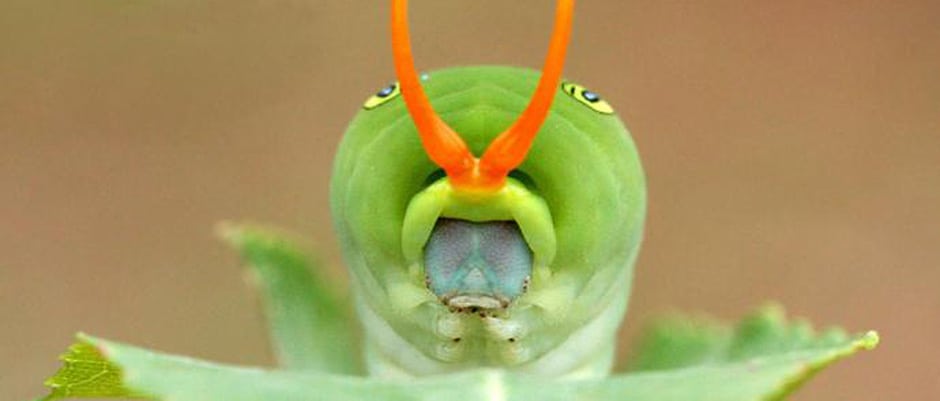
Eastern Tiger Swallowtail

Eastern tiger swallowtail caterpillars (papilio glaucus) are even cooler than they look. With lime green snake-like bodies, scary faux black and yellow eyes and an orange forked-tongue that often releases a stinky substance around predators, this is really saying something.

Nick Grishin, a researcher at the University of Texas Southwestern Medical Center, and his team were the first to sequence a complete genome for the unique insect that is honored as the state butterfly in Alabama, Delaware, Georgia, North Carolina and South Carolina, and as the state insect in Virginia. Their findings, published in Cell Reports, gave insight into these popular, yet less understood butterflies.

The researchers caught one individual caterpillar in the wild and were able to completely sequence its genome. Only three other butterfly species’ genomes were previously sequenced, Grishin said — Long-wings (heliconiinae charithonia), Monarchs (danaus plexippus) and Glanville fritillary (melitaea cinxia).

Grishin said the main goal of the study was to sequence genomes with high levels of genetic variation at a reasonable cost. Although this was the primary focus of the study, Grishin and his research team discovered surprising facts about the Eastern tiger swallowtail along the way.

Grishin said they discovered the reasons why Eastern tiger swallowtails break free from their chrysalises immediately rather than sleeping through the winter like the closely related Canadian tiger swallowtails. The Eastern tiger swallowtail’s genome data showed mutations in proteins responsible for the circadian rhythm.

“We found that these two species diverge from each other in only a small portion of proteins, and they are significantly different in circadian clock proteins,” he said. “We came to the hypothesis that the difference in these proteins between the species may be related to their different behavior in the timing of eclosion in response to the environment.”

The researchers also discovered the reason for the emission of a stinky substance called terpenes that the caterpillars use to scare off predators. The analysis of the genome sequence showed that the gene encoding enzyme that synthesizes terpenes was multiplied in the Eastern tiger swallowtail’s genome. The butterflies were found to have more diverse proteins in the terpenes family, rather than just two, which is what most butterflies have.

According to Grishin, the new findings are just the beginning of many to come. “We think the power of comparative genomics can be fully exploited only when there are thousands of genomes available,” Grishin said.

Not only did Grishin and his team determine some interesting findings about the swallowtail, but their report also shows that at a reasonable price of new genomes at below $4,000, it’s possible to buy the genome of almost any wild insect. To obtain a genome, chemicals and enzymes must be purchased, and the steps of sequencing are paid for as well. If a company agrees to get a genome for you, the cost would be 100 times more, Grishin said.

Because of this reasonable price, scientists have the opportunity to sequence more genomes quickly. This means that if scientists are able to become better at predicting, or even changing, animals’ characteristics based on DNA, they will be able to do so at a quicker pace and a reasonable cost.

“We are hoping that we, together with the scientific community, could sequence many insect genomes, like thousands of them,” Grishin said. “At that point, through comparative genomics, we could have a lot of data-driven discoveries, especially to find the links between phenotypes and genotypes. The eventual goal is to predict the phenotypes from genotypes and even use the knowledge to design new organisms.”

Genome sequencing may even be available to college and high school students in the near future, Grishin said.
Simmons Attends Western Section Annual Meeting

Western Section Meeting

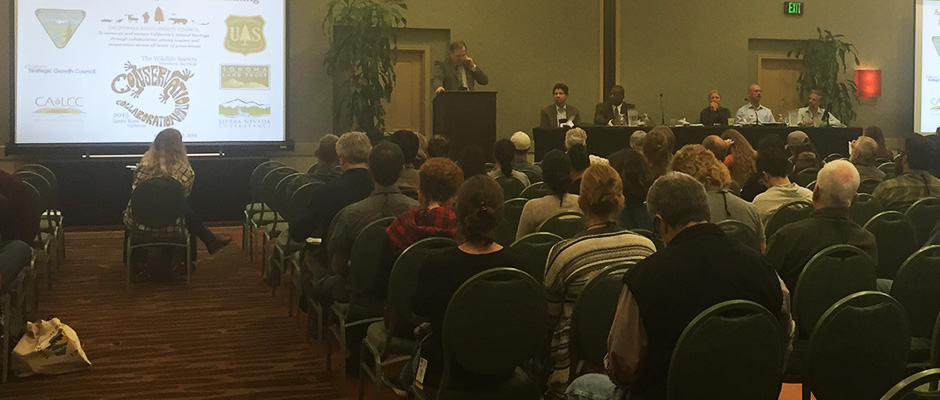
Mariah Simmons, TWS Wildlife Programs Coordinator, attended the Western Section’s Annual Meeting from January 26-30, 2015 in Santa Rosa, CA. Simmons was able to meet with many of the Section’s members, officers, and students, learning more about projects being conducted throughout the region.

“It was great to meet our members and to witness all of their hard work first-hand,” she said. “The Western Section organizes a very large conference and I applaud them for all of the time and effort that goes into planning and executing such an event. It was really exciting to experience.”

More than 700 professionals and students attended the 2015 Annual Meeting. Attendees had the option to register for two day-long symposiums on hot topics in the region, including “Owl vs. Owl: The Conundrum of Managing Barred and Spotted Owls in the Pacific Northwest” and “Marijuana Cultivation and Its Impacts on Wildlife, Habitats, and the Wildlife Profession.”

Students had excellent opportunities to learn and network through resume and technical writing workshops and during poster sessions. Even with the large number of attendees, there were small meetings that provided opportunities for one-on-one discussion, such as a Conservation Affairs Committee meeting and a breakfast roundtable on climate change research.

From professional presentations to business meetings to evening receptions, the atmosphere was both energizing and positive. Members of all ages were able to meet new people, see longtime friends, and come together for the common cause of advancing wildlife conservation and management.

Simmons met with the Executive Board of the Western Section, attended each of the Section’s Chapter meetings, and was able to talk with members one-on-one during various receptions and banquets.

“When I meet with so many active and engaged individuals, I’m reminded of why I chose a career in the wildlife field,” said Simmons. “Wildlife professionals are such a friendly group of people with so many interesting stories and experience to share. In this field you really are part of a tight-knit community.”

TWS Staff plan to travel to other chapter and section meetings in the coming months, as well as to student conclaves, to improve communication, collaboration and connectivity.

Leaders Need Public Support to Track CWD

Chronic wasting disease (CWD) is nearly impossible to kill in the deer that are affected by it. But government agencies in some regions of North America are fighting a battle of public perception in their very ability to track the disease.

“It’s been accepted that eradication is difficult, if not impossible,” said Katherine Mehl, an ecologist with the fish and wildlife branch of the Saskatchewan Ministry of Environment. Mehl is responsible for a CWD program that no longer exists. The government of Saskatchewan stopped their surveillance program in the fall of 2013 due in large part to a lack of participation from Saskatchewan hunters, who were asked to turn in deer heads for sampling and testing. “The sample sizes were declining. Overall it started off with quite a few samples,” she said.

CWD is sometimes referred to as a prion disease, which would put it in the same category as the mad cow disease (bovine spongiform encephalopathy) and scrapie. Prion diseases act more like infectious proteins than other disease transmitters like viruses, fungi or bacteria. Prions mostly affect the brain and are almost always fatal in mammals. The disease is currently known to affect members of the deer family like elk (Cervus canadensis), mule deer (Odocoileus hemionus), moose (Alces alces) and white-tailed deer (Odocoileus virginianus).

Mehl said that the program she worked on also attempted to reduce the spread of infection by reducing concentrations of wild deer. They offered more hunting licenses under certain conditions and in certain areas where the disease was known to be prevalent on the conditions that hunters sent them deer heads to test for CWD. But they received less than a 100 heads from key areas.

“Based on the modeling it has the potential to affect populations,” Mehl said of CWD. “It is a disease that could have some importance to the wildlife.”

Despite the fact that the effort was made to protect deer populations from the spread of the fatal disease, the thinning of deer populations in the province conflicted with other stakeholders and contributed to the lack of public support for the project, Mehl said. She’s had some indication that this support is starting to increase and said public backing is necessary as the program to track and monitor the disease is very expensive and difficult to maintain otherwise.

Some researchers theorize that the disease was first created when captive deer were housed in a research facility at the University of Colorado in Fort Collins next to populations of sheep infected with scrapie in the late 1960s. The CWD prions are particularly hard to kill, as even burning the proteins doesn’t appear effective. “This is resilient beyond anything we’ve pretty much seen,” said Darrel Rowledge, an advocate with Alliance for Public Wildlife, a non-profit organization that focuses on preserving and promoting the North American model of wildlife conservation.

CWD has also become a political flashpoint between operators of private deer farms and wildlife and hunting advocates against the establishments. Rowledge blames commercial deer farms for the proliferation of the disease and believes that governments like Saskatchewan are making a dangerous gamble in stopping their monitoring program.

“We now have thousands of infected deer being consumed by people every year and we’re soon on our way to tens of thousands if we don’t deal with this,” he said.

But the deer farm operators and other stakeholders point out that there is no proof that to show that CWD is dangerous for humans. The Centers for Disease Control and Prevention’s website on the prion disease said that there has been no “strong evidence of CWD transmission to humans” reported, but they continue to monitor the disease.

“Specific studies have begun that focus on identifying human prion disease in a population that is at increased risk for exposure to potentially CWD-infected deer or elk meat,” their website said. “Because of the long time between exposure to CWD and the development of disease, many years of continued follow-up are required to be able to say what the risk, if any, of CWD is to humans.”

John Fischer, the director of the Southeastern Cooperative Wildlife Disease Study housed at the University of Georgia, said that the disease should be tracked regardless. “It’s a work in progress where we continue to learn things about the disease and that will help us control the disease.”

He said this was made more difficult in the U.S. when the federal Department of Agriculture stopped helping states fund tracking operations, but he believes testing should continue as CWD is “a very significant disease” that needs to be monitored.

“Just because something doesn’t appear real fruitful immediately doesn’t mean that you stop,” he said. “Responsible wildlife managers would not be inclined to let a poorly understand disease spread throughout their wildlife.”

Victory for Virginia Chapter on Feral Cat Management

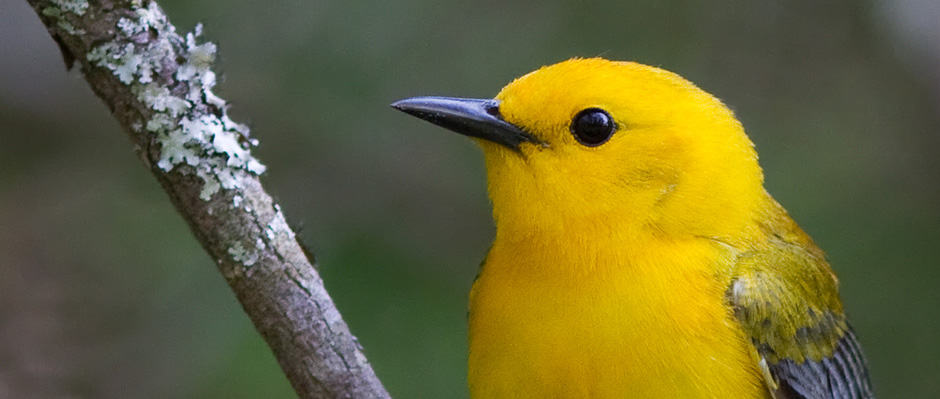
Warbler

The Virginia Senate and House of Delegates recently considered several bills that would impact feral cat management in the state. The Virginia Chapter of TWS wrote letters and sent members to provide testimony to the state’s Senate and House Committees to express opposition to the bills.

The Senate considered three bills. SB 693 would have permitted the use of trap-neuter-release (TNR) activities as a method of controlling feral cat populations. SB 698 would have established a fund to reimburse veterinarians for performing surgical sterilization of feral cats. SB 699 and its House equivalent, HB 1586, would have allowed localities to authorize operation of “community cat programs,” which could then release feral cats back into areas they were captured from without penalty.

Many scientific studies have failed to demonstrate the effectiveness of TNR programs in reducing feral cat numbers. Additionally, releasing feral cats, even after sterilization, does not mitigate risk of disease transmission or wildlife mortality caused by individuals.

The Chapter’s letters outlined the impact feral cats have on native systems. They reported that feral cats are responsible for killing an estimated 3-26 million songbirds, 27-78 million small mammals, and 2.5-9 million reptiles each year in Virginia alone. Globally, the impact of feral cats on ecosystems is far-reaching. Stray and feral cats are responsible for the majority of cat-caused bird and mammal deaths compared to indoor pets. The domestic cat has caused the extinction of 33 bird species worldwide and competes with native predators. Supplemental feeding of feral cat populations very likely increases their populations without deterring killing of wildlife.

Feeding feral cats can encourage close contact with humans and facilitate disease transmission. Feral cats can be a disease risk for domestic animal, wildlife, and human populations. They are a reservoir for bartonellosis, typhus, feline immunodeficiency virus, toxoplasmosis, and rabies.

The Senate committee did not approve SB 698 or SB 699. While the Senate did approve SB 693, it proceeded to the House of Delegates and was voted down by the Committee. The House Committee did not approve HB 1586.

TWS has released a fact sheet on feral cats and outlines support for other feral cat population control measures in the feral and free-ranging domestic cat position statement.

Changes to Congressional Natural Resources Leadership

Congress

The 114th session Congress began in January, bringing changes to the leadership of committees and subcommittees with jurisdiction over wildlife in both the House and the Senate.

The House Natural Resources Committee has seen some organizational changes since the beginning of the 114th Congress. Congressmen Rob Bishop (R-Utah) and Raúl Grijalva (D-Arizona) were appointed Chairman and Ranking Member of the Committee respectively. Chairman Bishop moved to restructure the Natural Resources subcommittees. He disbanded and redistributed the responsibilities of the Fisheries, Wildlife, Oceans and Insular Affairs Subcommittee and created the Oversight and Investigations Subcommittee. The new oversight subcommittee will be led by Congressman Louie Gohmert (R-Texas).

The entire Committee also recently released a 10-page Oversight Plan, outlining the primary focuses of the Committee for the 114th Congress, some of which are specific to wildlife. The plan states that the Committee intends to examine ways to effectively address problems caused by non-native species; the Committee also plans to conduct a series of oversight hearings on provisions to the Lacey Act, a 1900 law prohibiting the trade of illegally obtained fish, wildlife, and plants.

The Endangered Species Act (ESA) will be under the jurisdiction of the full House Natural Resources Committee. The Oversight Plan states that the Committee “will continue to examine ways to update and improve the ESA.” Last year, the Committee released a report questioning the independence of peer reviews used in ESA listing decisions.

On the Senate side, both the Committee on Energy and Natural Resources and Environment and Public Works Committee have jurisdiction on wildlife-related issues. Senators Lisa Murkowski (R-Alaska) and Maria Cantwell (D-Washington) were appointed Chairwoman and Ranking Member respectively of the Senate Committee on Energy and Natural Resources. The Committee has four subcommittees, including the National Parks Subcommittee and Public Lands, Forests, and Mining Subcommittee.

The Environment and Public Works Committee houses the Fisheries, Water, and Wildlife Subcommittee, which has jurisdiction over the ESA, invasive species, and National Wildlife Refuges among other items. The Fisheries, Water, and Wildlife Subcommittee is chaired by Senator Dan Sullivan (R-Alaska).

Source: Energy & Environment Daily (January 29, 2015)

Professionals, Students and Supporters: Become a Wildlife Partner Today!

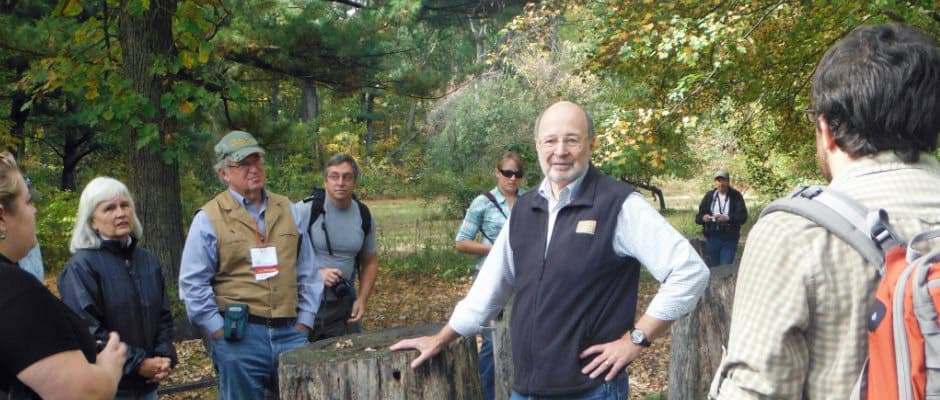
Conference Field Trip 2013

Click Here to Become a Wildlife Partner!

If you aren’t a member of the parent organization of The Wildlife Society, but are a wildlife professional, student or supporter, don’t miss out on the opportunity to become a TWS Wildlife Partner at absolutely no cost to you.

As a Wildlife Partner, you’ll receive a small slice of the benefits currently provided to members of the parent organization, including:

  • Two Wildlife Partners e-newsletters per month with content and announcements that will keep you informed about the latest wildlife news, research and management practices, as well as dates and locations of TWS Section, Chapter, and Student Chapter meetings and programs in your area that may be of interest to you.
  • Action Alerts from the TWS Government Affairs team that not only keep you informed about wildlife policy issues that are important to you, but that also make it easy for you to share your comments with your government representatives so that our collective voice is stronger and more influential.
  • Links to two recorded presentations per month from our most recent Annual Conference for professional and student career development, or to simply broaden and deepen your knowledge of important wildlife topics if you’re a wildlife supporter.

Whether you’re currently not affiliated with TWS in any way, or are solely a member of one of our outstanding Sections, Chapters, or Student Chapters, we encourage you to join us as a TWS Wildlife Partner today.

There are no hidden costs or obligations. Signing up is easy and only requires your name and email address so that we can deliver your benefits, and an indication of whether you are a wildlife professional, wildlife program student, or a wildlife supporter so that we can customize the information and benefits we provide to you.

Why are we providing this free affiliation with The Wildlife Society? Because we know that there are hundreds of thousands of people who are passionate about wildlife science, management and conservation who can benefit from the information sharing and engagement that this program will provide. And together, our collective voice and actions will have an even greater impact.

We believe that the more you and others know about the important work of The Wildlife Society and the professionals, students and supporters who are active members of the parent organization, the more you’ll want to become involved with us in a variety of efforts that are relevant and valuable to you and important to the future of wildlife conservation.

If you’re already a member of the parent organization of The Wildlife Society, we thank you for your loyalty and support and ask that you invite everyone in your personal and professional network  to become affiliated with our organization through this free offer.

Become a Wildlife Partner today!