FWS Lists Four More Injurious Species

Injurious snake species

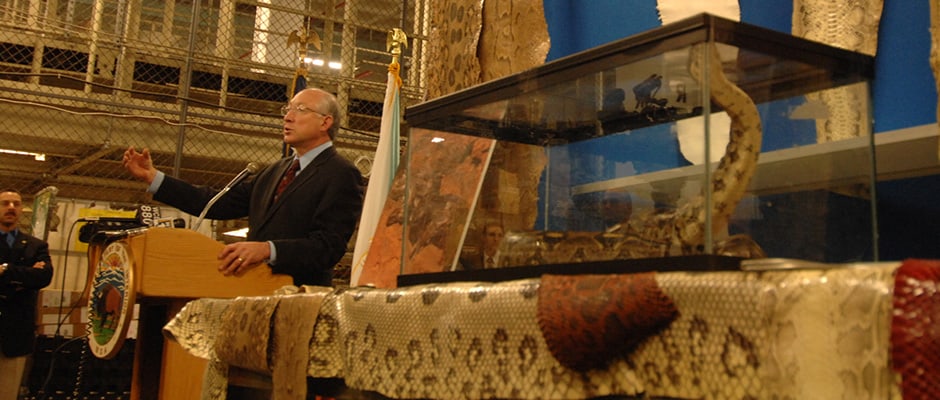
The U.S. Fish and Wildlife Service (FWS) declared four nonnative constrictor snakes as injurious species under the Lacey Act. Injurious species cannot be imported or transported over state lines without FWS-issued permits. The reticulated python (Python reticulus), DeSchauensee’s anaconda (Eunectes deschauenseei), green anaconda (Eunectes murinus), and Beni anaconda (Eunectes beniensis) were included in this ruling.

Four other species of snakes, the Burmese python (Python bivittatus), yellow anaconda (Eunectes notaeus), northern African python (Python sebae), and southern African python (Python natalensis) were listed as injurious species in 2012. FWS reopened public comment in 2014, which lead to the development of this final rule.

FWS Director Dan Ashe made the announcement at the Arthur R. Marshall Loxahatchee National Wildlife Refuge in Florida. He stated, “Large constrictor snakes are costing the American public millions of dollars in damage and placing at risk 41 federally and state-listed threatened or endangered species in Florida alone. Today’s action will help prevent humans from contributing to the spread of these snakes.”

Currently, none of the four listed species in this new ruling are confirmed to be breeding in the wild within the United States or its territories. The purpose of the listing is primarily to prevent the establishment of populations in the wild, as the four species share traits with the previously listed Burmese python, which threatens small and medium-sized mammals as well as the endangered Cape Sable seaside sparrow, Florida panther, and American crocodile.

FWS considers peer-reviewed scientific documentation from the U.S. Geological Survey and other independent sources to evaluate likelihood of escape and wild establishment as well as potential risk of a species’ impact on wildlife, forest, agriculture, and human health and welfare.

The boa constrictor was also considered for listing as an injurious species but was not included in this ruling. FWS is currently allowing the pet industry to coordinate with states and FWS to voluntarily address prevention of boa constrictor release as an alternative to Lacey Act restriction.

The ruling was included in the Federal Register on March 10th and will take effect 30 days after.

Source: FWS Press Release (March 6, 2015), FWS Lacey Act Injurious Species Fact Sheet
Montana Agency to Start Hunting Ethics Campaign

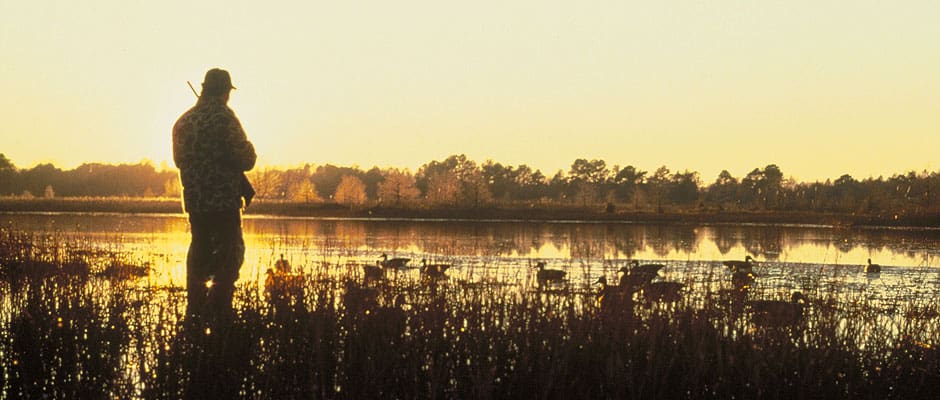
The Montana Department of Fish, Wildlife and Parks plans to kick off a new campaign encouraging hunter ethics in fall of this year. Hunting ethics have been under scrutiny in the state after recent incidents like a shootout involving large groups of hunters and elk near White Gulch in the state’s Broadwater County.

Read more at the Billings Gazette.

Researchers Record Oldest Little Brown Bat Ever

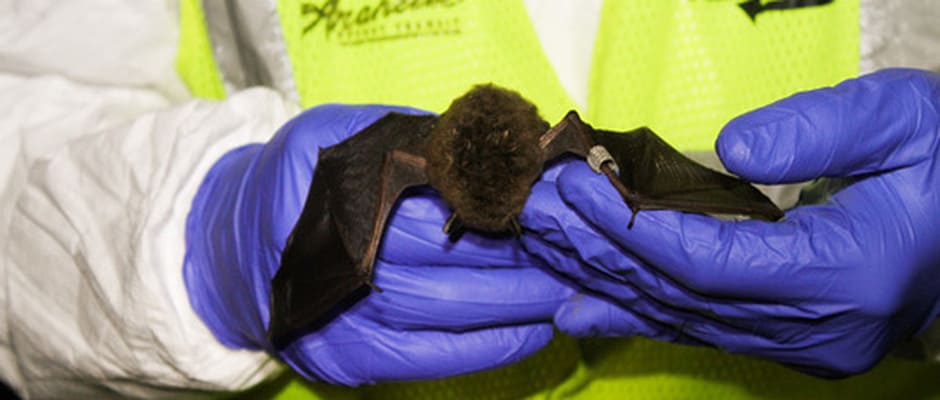
Brown bat

Just because a brown bat is little doesn’t mean it’s not old. Wisconsin Department of Natural Resources researchers recently discovered a little brown bat (Myotis lucifugus) that was tagged 32 years ago — in April 1983. But the bat may be even older, since it isn’t easy to tell how old bats are after reaching adulthood. The Wisconsin DNR estimates that the bat has eaten nearly 14 million insects over the course of the 32 years since it was first banded by researchers.

Read more at the Wisconsin Department of Natural Resources

Idaho Drafts New State Sage-Grouse Plan

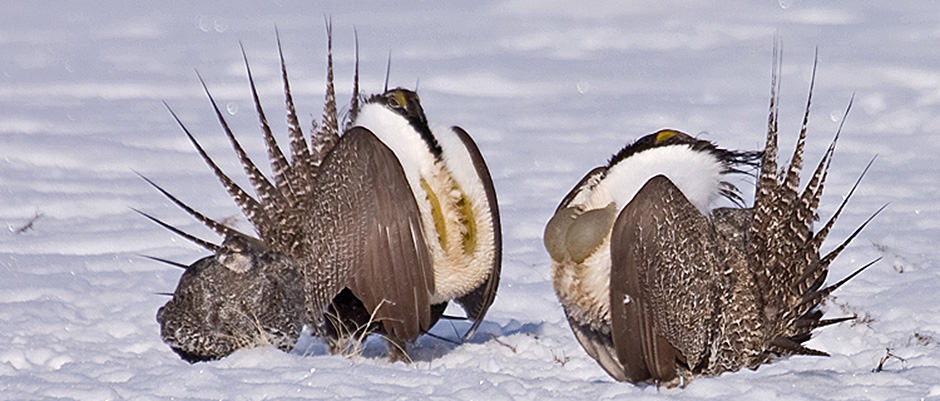
Sage grouse

Idaho is working on a new draft conservation plan for the sage-grouse in an effort to keep the U.S. Fish and Wildlife Service from potentially listing the species under the Endangered Species Act this fall.

“We are hopeful that the effort that’s put forth by Idaho and other western states is considered by the FWS, and that ultimately they can see that there is enough rigor in those plans that they decide the listing of the species will not be necessary,” said Tom Schultz, director of Idaho Department of Lands (IDL), in a phone interview.

“We have been working here diligently in the last three to four months to come up with a plan for state lands,” Schultz continued. The draft plan will look at conservation strategies and include specific criteria for development such as the need for a one-kilometer buffer zone around greater sage-grouse (Centrocercus urophasianus) leks.

One the biggest factors affecting the sagebrush habitat that grouse live in are invasive species. Currently, species like medusahead rye (Taeniatherum caput-medusae) and cheatgrass (Bromus tectorum) make sagebrush habitat more fire prone and dangerous for grouse, and the plan looks to put money towards controlling this issue.

The plan also explores ways in which the state agency can collaborate with other regulatory commissions in the state to develop provisions that consider sage-grouse habitat when evaluating development proposals.

The FWS is legally bound to make a decision on the greater sage-grouse (Centrocercus urophasianus) this September but many western states are pushing back against a potential listing of the species as it could impact energy development, ranching and other human activities.

“That decision is coming, we know that,” Schultz said. In Idaho, he said 10.5 million acres — both private and public — have been identified as sage-grouse habitat. If the bird is listed on the ESA, the development of this land could be affected by new regulations.

The comment period for the first draft plan closed on Monday, and Schultz said that the IDL will review the plan and stakeholder comments before releasing another draft.

“Initial indications have been positive that they are willing to work with us,” he said of stakeholders.

Once that’s done, another comment round will likely open up and the plan will be finalized.

“We fully expect to get our plan out there by [the listing decision],” Schultz said.

Idaho is working to produce a conservation plan for the greater sage-grouse in order to counter the need for the U.S. Fish and Wildlife Service to list the species on the federal Endangered Species Act when they make a decision come September.

Midwinter Survey Shows Increased Bald Eagle Sightings

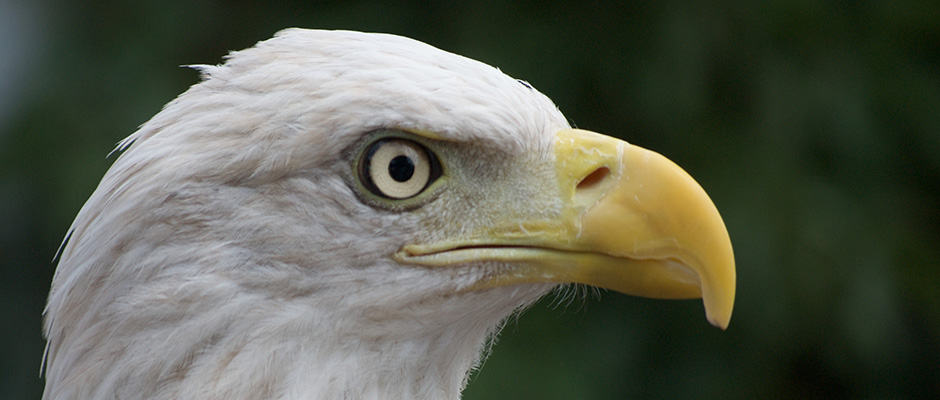
Eagle

In the Powder River Basin in Wyoming, 90 volunteers recently counted over 400 eagles in the annual midwinter bald eagle survey conducted by the Bureau of Land Management’s Buffalo Field Office.

The results of the survey showed an increase in bald eagles (Haliaeetus leucocephalus) since last year and no major change in the number of golden eagles (Aquila chrysaetos), according to the Bureau of Land Management. The BLM said the reason for the shift in population numbers is unknown.

However, the survey totals change every year, according to the BLM. This year, an increase in the distribution of bald eagles could be due to changes in weather to the north, food availability, prey species population cycles, increased nest success and recruitment as well as other factors, according to Charlotte Darling, rangeland management specialist for the BLM’s Buffalo Field Office.

During the survey, volunteers noted eagles in large groups — likely because of cold weather at the time that might have caused the eagles to stick together. Also, volunteers counted a number of eagles along new survey routes that were added so more people could be involved in the count.

According to the BLM, although many eagles are spotted in the winter months, many don’t stick around. The majority of eagles migrate north in the spring months to Canada and Alaska.

The midwinter survey — which takes place nationally — relies primarily on volunteers, who survey standardized survey routes on more or less the same day to avoid duplicating counts of individual eagles. The survey started in 1979 when eagle populations were struggling in the United States.

In the Powder River Basin, this past winter, volunteers drove along public roadways looking for eagles while recording weather information, habitat data and species and age class information. They sighted and counted 288 bald eagles, 95 golden eagles and 24 eagles of undetermined species. The birds were counted along over 1,400 miles of public roads including 70 survey routes.

Volunteers of many different ages and backgrounds participated in the count, Darling said.

“Some are lifelong bird watchers or biologists, but most are from a wide variety of backgrounds,” she said. “This includes teachers, oil and gas industry workers, public speakers, office professionals, and more. However, they all share an interest observing the nature and environment around them.”

Other birds were sighted as well. The most common sightings were rough-legged hawks (Buteo lagopus) and red-tail hawks (Buteo jamaicensis).

Data from the survey is compiled and reported to the National Midwinter Bald Eagle Survey program through an online database, and wildlife managers and researchers use that information to monitor the species’ health and habitat and to conduct trend analyses of eagle populations across the U.S. The BLM also uses the data to help determine important habitats in the area as well as to complete environmental analyses for local projects that affect public lands and resources. “Survey data is reviewed to determine whether an area provides important habitat, allowing us to make the best management decisions for the project,” Darling said.

The Wildlife Professional Spring Issue Is Online

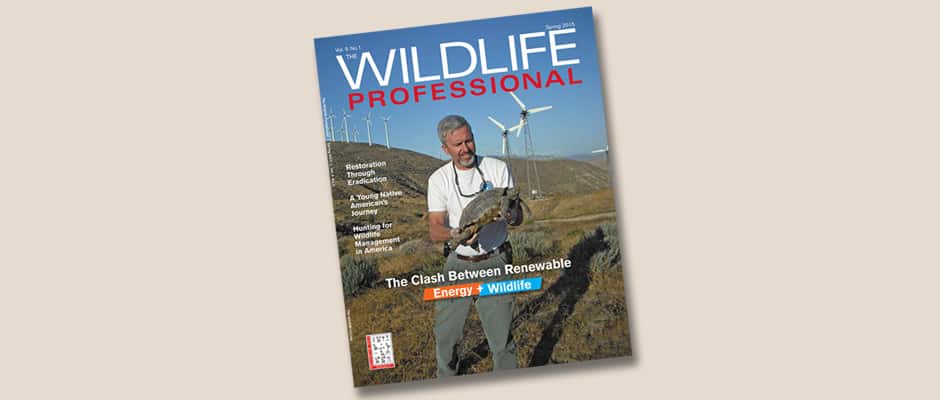
TWP Spring 2015

The latest issue of The Wildlife Professional will be in your mailbox soon. Check out our cover story on the impact of renewable energy on wildlife by TWS Science Writer Josh Learn. Read about Wildlife Services’ ongoing effort to eradicate nutria in the Chesapeake Bay, how feral swine threaten agriculture and conservation in the Canadian Prairies, Americans’ views and attitudes toward hunting and much more.

Log in to access the complete issue now.

Not a member? You can sign up now.

Solar Arrays at Airports: Do they increase birdstrike risks?

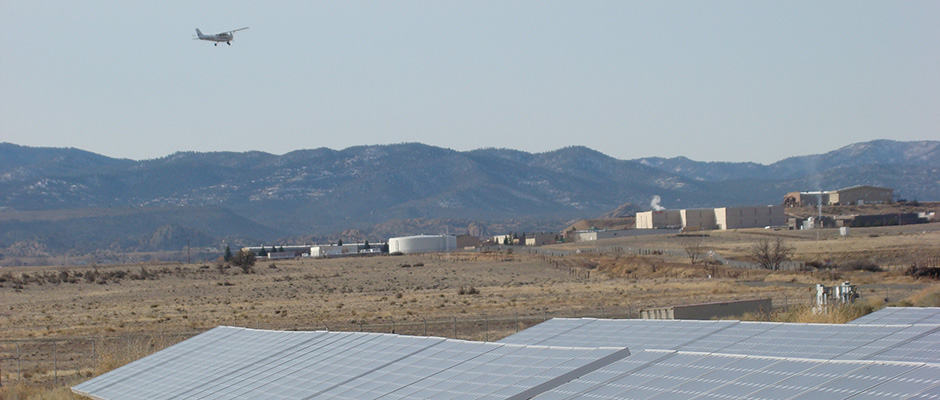
Solar Arrays

Which is riskier for airports— a solar array or a grassy field? To better understand how the land around airports might affect the risk of bird-aircraft collisions, USDA Wildlife Services’ National Wildlife Research Center (NWRC) researchers and partners recently compared bird use at solar arrays and grasslands at airports in Arizona, Colorado, and Ohio.

The average commercial airport in the contiguous United States is approximately 2,000 acres. About 39 percent of that area is covered by grasses. However, few studies have evaluated the economics and safety of these grasses relative to other types of land cover. Managed turf grasses are expensive to maintain and can attract wildlife hazardous to aircraft, such as Cana­da geese, gulls, and large flocks of European starlings. An attractive alternative to turf grasses on some portions of airport properties is land cover that attracts fewer wildlife and generates income instead of consuming airport resources. Installing sets of solar panels (solar arrays) is one alternative land cover option.

Although study results showed higher numbers of birds in the areas with solar arrays than in the grasslands, those birds seen (such as horned larks, house finches, and mourning doves) represented fewer and less hazardous species than those in the grasslands. Overall, researchers observed 37 species of birds in the areas with solar arrays compared to 46 in the grasslands. The results suggest that even though birds were found in areas with solar arrays, the number and type of birds there do not necessarily increase the risk of bird-aircraft collisions and the species observed do not conflict with safety regulations concerning wildlife at airports. Solar arrays could play a major role in efforts to design and operate “greener”—and safer—airports.

“Converting airport grasslands to solar, biofuel, or wind production may not only provide more environmentally sound alternative energy sources for our country, but also increase revenue for airports and reduce the local abundance of potentially hazardous wildlife to aircraft,” says NWRC supervisory research wildlife biologist Dr. Travis DeVault. “Such efforts may be particularly beneficial for rural economic development, as many rural airport properties contain expansive grasslands that potentially could be converted to biofuel crops or other renewable energy sources.”

Wildlife Services is a Strategic Partner of The Wildlife Society.

NC Student Chapter Hosts “Wild Foods Supper”

North Carolina Chapter

Image Credit: Leopold Wildlife Club

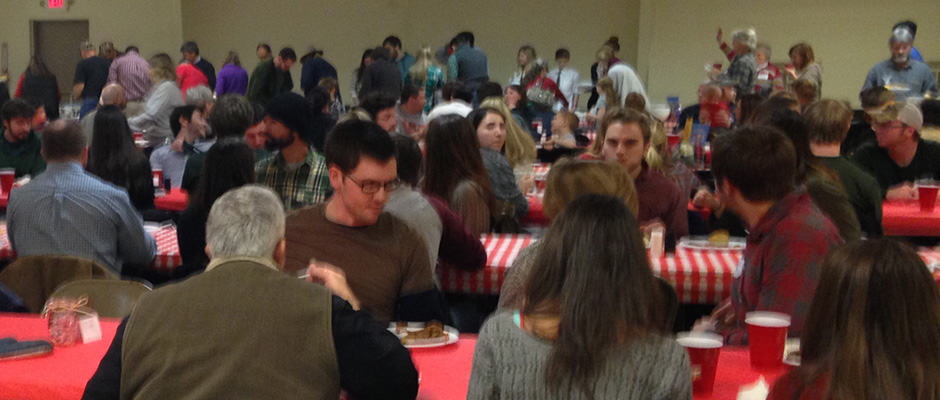
On Saturday, January 31st the North Carolina State University Student Chapter of The Wildlife Society (aka the Leopold Wildlife Club) hosted their fourth annual “Wild Foods Supper.” The Wildlife Club comes together every year to organize a dinner that features local, wild foods as a gathering celebration to raise money.

Many local wildlife professionals, University alumni, current students, and other club supporters join this friendly and fun dinner. The club uses the money they raise to support field trips and other wildlife-related learning experiences. A significant portion of the proceeds are used to send students to The Wildlife Society’s Southeastern Conclave, which is being hosted by Virginia Tech March 12-15.

NC Leopold Wildlife Club

Image Credit: Leopold Wildlife Club

The Wild Foods Supper was a special experience for everyone involved. There was a plethora of wild game, home grown vegetables, and other wild foods to choose from. Many people brought their favorite wild foods dish to share and participated in a cooking contest.

The club also auctioned off a variety of donated gifts including paintings, books, and tools. Many local people and local companies helped with donations for this annual supper. Due to the generosity of the community, the silent auction was a huge success in terms of fundraising for the club.

This event overall had a great turnout in attendance and participation. It was wonderful to see so many people gathered for food, fun, and entertainment to share common interests for all things wildlife!

For more information on the Student Chapter visit their Facebook.

Wild Game Dinners, sometimes called “Beast Feasts”, are a popular fundraiser for Student Chapters of TWS. When executed correctly, these dinners not only help the chapter raise money but also provide member bonding and networking opportunities.

USFS, TWS Launch Program for Native American Students

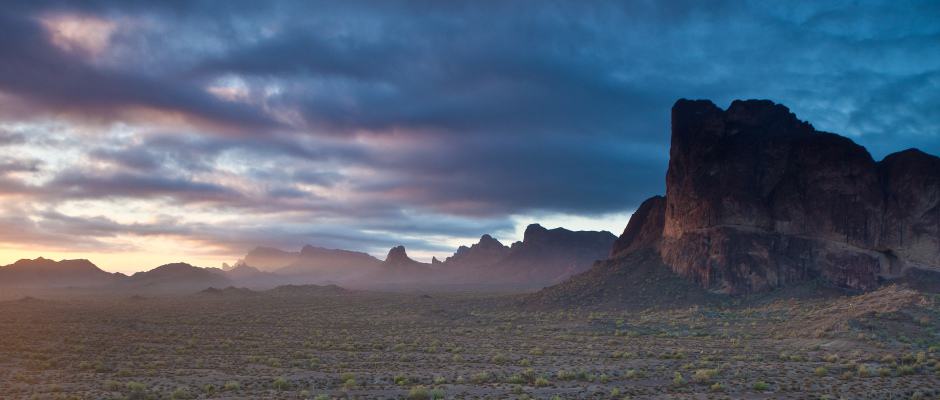
Eagletail Mountain Wilderness AZ

The U.S. Forest Service and The Wildlife Society are excited to launch a Native American Professional Development Program, which will provide valuable knowledge to Native American students who are interested in becoming wildlife biologists. The program will allow students to learn and gain beneficial hand-on experience while working with a wildlife professional on the approved project.

The USFS has worked closely with TWS to develop mentoring opportunities for Native American students to work as research assistants with USFS Research & Development (R&D) scientists. R&D funding will be used to provide living stipends for upper-level undergraduate (juniors or seniors) and graduate students during their mentorship, while TWS will provide administrative support and coordination.

Four students have been selected for research assistantships, which will last for approximately 14 weeks, beginning in late spring of 2015 and running through late summer of 2015.

Raymond Gutteriez, a graduate student at SUNY-ESF, and Jessica Lackey, a graduate student at the University of Minnesota – Twin Cities, will be mentored by Jonathan Long, Research Ecologist at the Pacific Southwest Research Station. Their project topic will be “Restoring California black oak to support tribal values and wildlife habitat in the Sierra Nevada.”

Alayna Johnson, a student at the University of Minnesota – Morris, has been paired with mentor Deahn Donner, Research Ecologist and Project Leader at USFS Northern Research Station, and will be working on “Tracking post-emergence movements of Myotis spp. to uncover habitat preferences and potential migratory routes.

Jacob Naranjo, a student at New Mexico State University, will be working on the “Kings River Fisher Project – Ecology and Habitat Requirements” and will be mentored by Kathryn Purcell, .

The Professional Development Program will facilitate mentoring opportunities and promote student advancement and training for careers in natural resource and conservation-related fields. After completing the assistantship, students will submit a report to the USFS and TWS detailing their learning experience.

“We are excited about supporting the TWS Native American Professional Development Program through these experiential opportunities for wildlife biology students,” said Monica Tomosy, National Wildlife Research Program Leader in the USDA Forest Service.

“The four students come with impressive backgrounds and the opportunity to work with our agency’s professional research scientists will help them develop the skills and knowledge necessary for a career in wildlife and natural resource stewardship

The USDA Forest Service is keen to integrate Native American managers, biologists, and scientists, because their traditional ecological knowledge (TEK) combined with modern science holds promises for us as we broaden our understanding of sustainable ecosystem function.

Because these student/scientist relationships are based in natural resource questions relevant to Native American communities as well as to public trust managers, the relationships built here can open many doors for knowledge exchange, resource management, and the students’ career development.”

TWS Native People’s Wildlife Management Working Group also provides educational and networking opportunities for Native Americans. They are very thankful for the support of Native American students interested in wildlife biology and management. For more information on the working group click here.

As a premier partner of TWS, the USFS also provides funding for travel grants to Native American students to attend TWS Annual Conference. The USFS and TWS would like to extend their thanks to the scientists who submitted project proposals and to the individuals who will be mentoring the four students in this year’s program.

Researchers Study Rabies Vaccination Bait in Raccoons

Raccoons

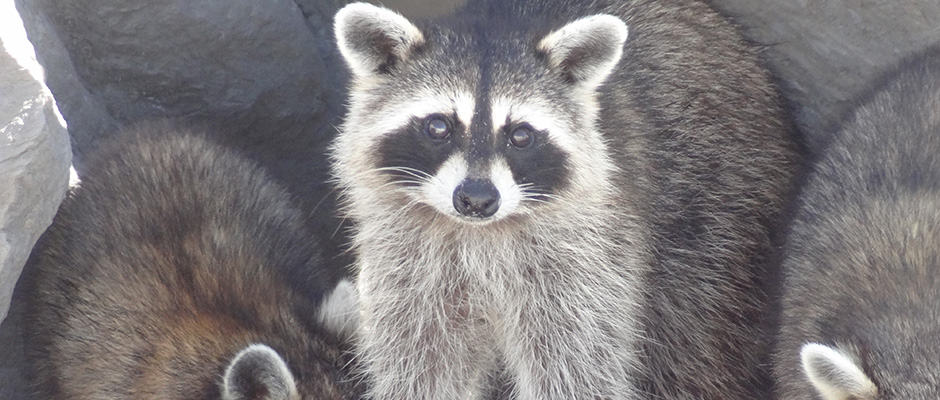
In a recent study, researchers at the University of Georgia’s Savannah River Ecology Laboratory and UGA’s Warnell School of Forestry and Natural Resources identified new ways to prevent the spread of rabies in raccoons in northern Indiana.

The researchers conducted fieldwork in the spring of 2011 to help determine how to perfect the technique of aerial baiting — filling bait with a vaccine to provide rabies immunity to wild carnivore vectors of rabies. While the method has reduced the westward spread of rabies in raccoons in the eastern United States, it hasn’t been successful enough in completely eliminating rabies.

As a result, researchers set out to determine if they could make raccoons more receptive to bait by monitoring raccoon movement. Northern Indiana’s fragmented land and high densities of raccoons and opossums made it the optimal location, according to Assistant Research Scientist James Beasley.

“The first thing we wanted to address was the fact that wildlife don’t utilize the landscape randomly, but concentrate movements in areas of preferred habitat,” Beasley said. “We wanted to take movement data from raccoons and build resourceful models to identify hotspots in the landscapes where there are concentrated areas of raccoon activity.”

Beasley and Professor and Director of the Savannah River Ecology Laboratory Gene Rhodes created traps in eight sights and estimated the density of raccoons. Once they knew the density, they distributed placebo baits with a biomarker Rhodamine B, which is found in whiskers and hair. “When we recaptured the raccoons, we were able to see if they ate the bait,” he said. “We then went in a few weeks after and trapped individuals at increasing distances away from the bait zone.”

Beasley and Rhodes found that using observed movement of raccoons to determine bait distribution did not increase bait consumption by raccoons. “We didn’t have very high uptake in any of our sites, which is similar to other studies,” he said.

Beasley and Rhodes also determined the probability of raccoons consuming baits farther away from the baited area.

“We know animals aren’t confined,” Beasley said. “As you move away from the baited area, the probability of the individual consuming the bait decreases.”

But, Beasley said some raccoons did consume the bait farther away from the baited area, which means there is a possible application for using bait in urban parks. He said baiting inside a park can treat individuals outside of the park as well.

Researchers also wanted to know how much bait that was set for raccoons was consumed by opossums; however, they found it wasn’t significant enough to explain low consumption rates from raccoons.

Based on the results of the study, Beasley noted that bait must be repeatedly distributed to help create rabies immunity in raccoons. He plans to further his research to determine how to better the aerial baiting technique to develop more rabies immunity in raccoons.

“I would like to go back in and repeat the study multiple times in the year to see how this influences uptake,” he said. “I would also like to study bait flavor and bait palatability.”

Beasley would also like to complete the study in eastern Ohio, where the land differs from the land in northern Indiana. In eastern Ohio, raccoons are more constrained in certain areas because of the way forests are distributed.

Beasley hopes that this and future research will help develop a more successful aerial baiting technique to reduce the spread of rabies.