




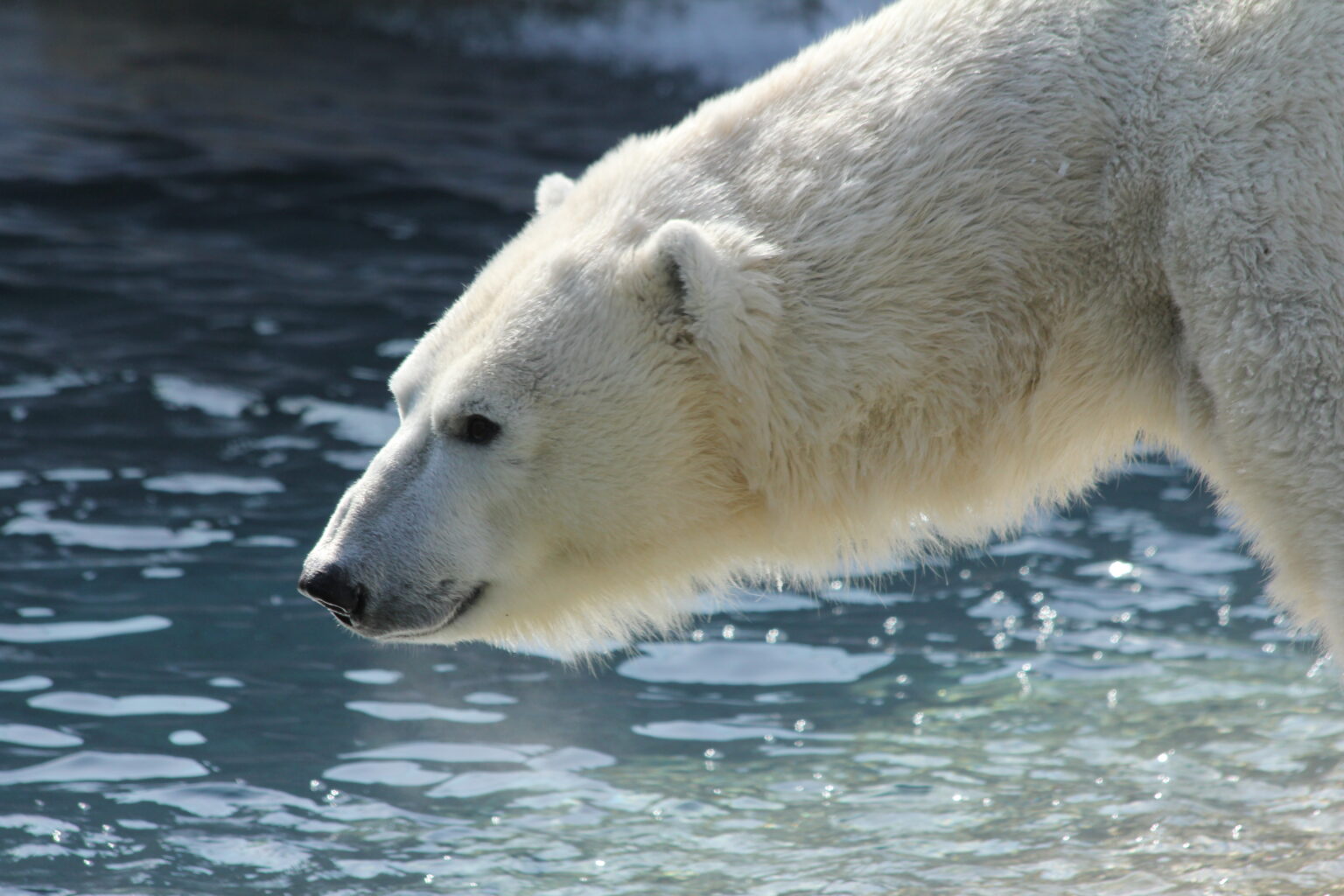
In the Arctic, polar bears use sea ice to prey on seals. But the loss of sea ice makes it difficult for polar bears to hunt, altering their fat reserves and body health. Overtime, studies have shown the lack of sea ice causes decreases in the populations of polar bears (Ursus maritimus). The Svalbard polar bear population from the western Barents Sea has increased. This cryptic increase despite sea ice loss being greater than anywhere else has made researchers wonder about the potential causes of the stability of the Svalbard populations and the bears’ health. New evidence unveiled through analysis of the body condition of 770 bears across 27 years has found that the health of the bears, measured by fat reserves and body condition, is increasing despite the sea ice decline. Overall, the findings demonstrate that this population is showing a high level of resistance to environmental change. One hypothesis for the population’s increasing condition is that it is below the ecosystem’s carrying capacity due to hunting that occurred in the past. But these increases may not last as sea ice continues to decline. Another possibility is that the bears have shifted to a more terrestrial diet of reindeer (Rangifer tarandus) and walrus (Odobenus rosmarus), which have also recovered from hunting. The research highlights the need for more regional research to understand how different polar bear populations will adapt to the warming Arctic.
Read more in Scientific Reports.