


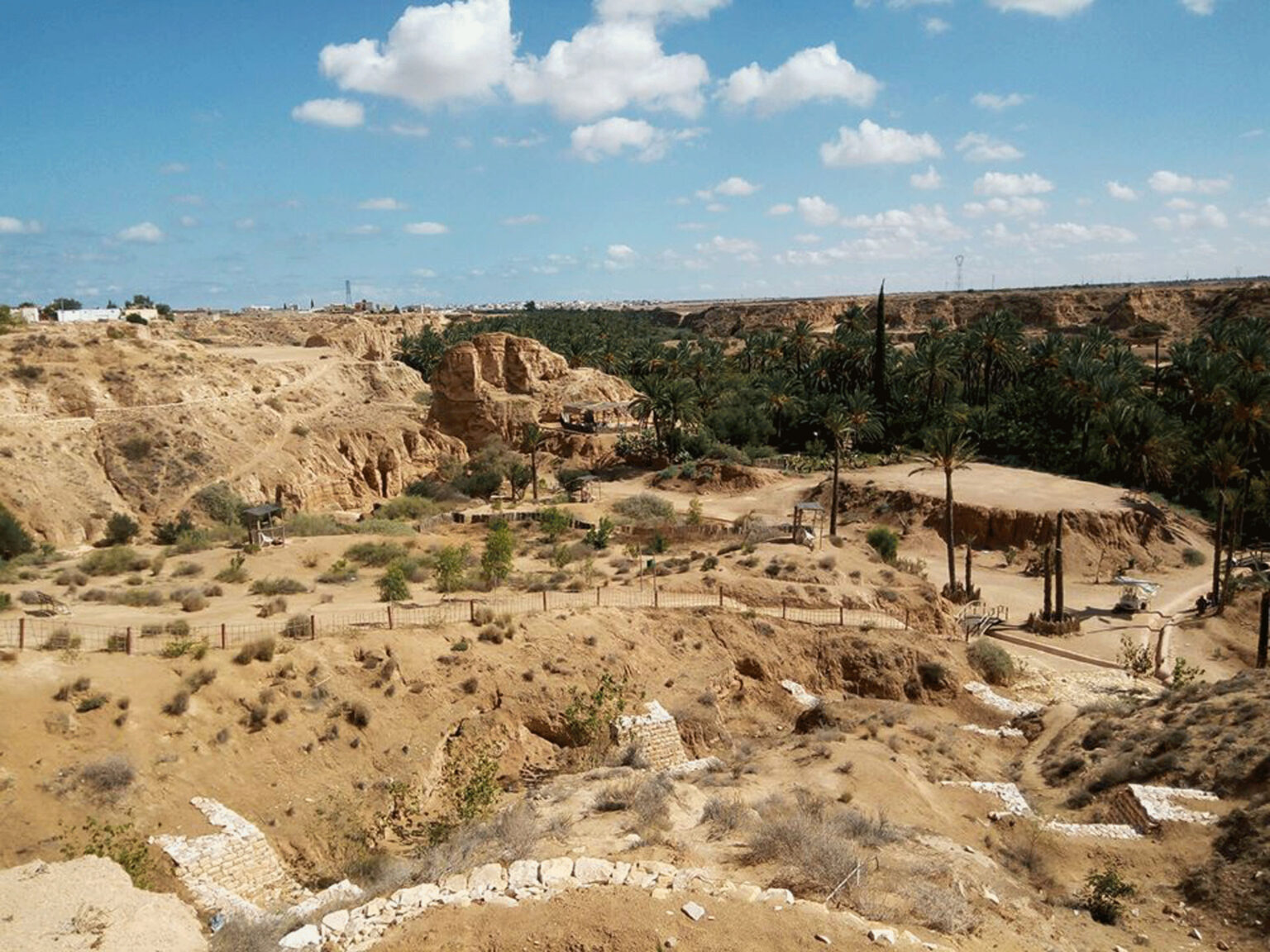
Wild boar sightings are happening far more than the occasional mirage in the desert of southern Tunisia. The reason? Expanding oasis crops.
“It has become a really big problem in our agricultural areas,” said Mandohsen Chammem, an ecologist with the Arid Regions Institute at the University of Gabès in Tunisia.
Wild boar (Sus scrofa) are native to Tunisia and are most abundant in the humid and sub-humid northern regions and along the Mediterranean coast. However, increasing human land use in arid and semi-arid southern Tunisia—particularly the expansion of irrigated agriculture and oasis systems—has helped the species spread into habitats where it was previously rare or absent. This southward expansion, reported since the late 20th century, has generated growing ecological impacts and intensified conflicts with farmers, especially in oasis croplands.
In a study published recently in the Journal of Wildlife Management, Chammem and his colleagues tracked the spread and some of the effects of wild boar into oasis ecosystems of southern Tunisia.
Oases are typically islands of lush vegetation in the midst of otherwise dry deserts. They are often sustained by patches of surface water and are sometimes created by humans that pump water from wells deep underground. In southern Tunisia, the irrigation sustains crops like date palms, potatoes and other tubers, tomatoes and some cereals. These oases can be diverse, with some containing more wild plants, some more agriculture and others a mixture of both.
Changing desert ecosystem
The team measured the different oases in terms of size, irrigation type, plant diversity, crop density, proximity to roads, palm height and proximity to wild boar refuge areas in the Gabès and Kébili regions. They also conducted field surveys of wild boar in oases using direct observation of boar, scat, tracks and rooting evidence.
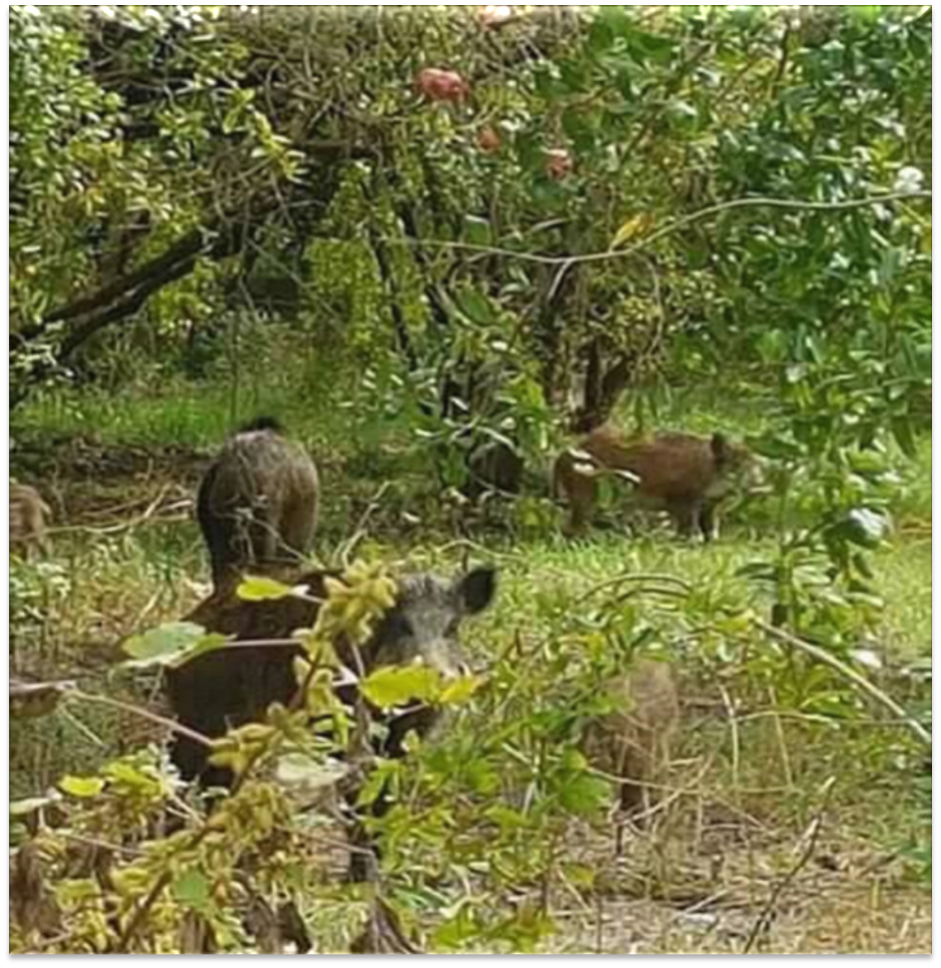
The surveys revealed signs of wild boar in 66.7% of sampled plots in Gabès and 49% of sampled plots in Kébili. The swine caused damage in just under a third of sampled plots in Gabès and just over a quarter of sampled plots in Kébili. There were more boars in areas with more crop complexity—a finding that correlates to an earlier study Mohsen and his colleagues conducted—and more organic fertilization. “Wild boars need some places that are not frequented much by humans and where there is a diversity of crops,” Chammem said.
But there was more boar damage in areas with taller trees in oases farther from boar refuges—perhaps since the animals spend more time in these more isolated oases.
The team found that 90% of wild boars’ diets were composed of crops, while only 10% was meat.
Hunting manages some boar populations, but there isn’t as much motivation for people to shoot them, Chammem said, since there is a Muslim prohibition on consuming pork.
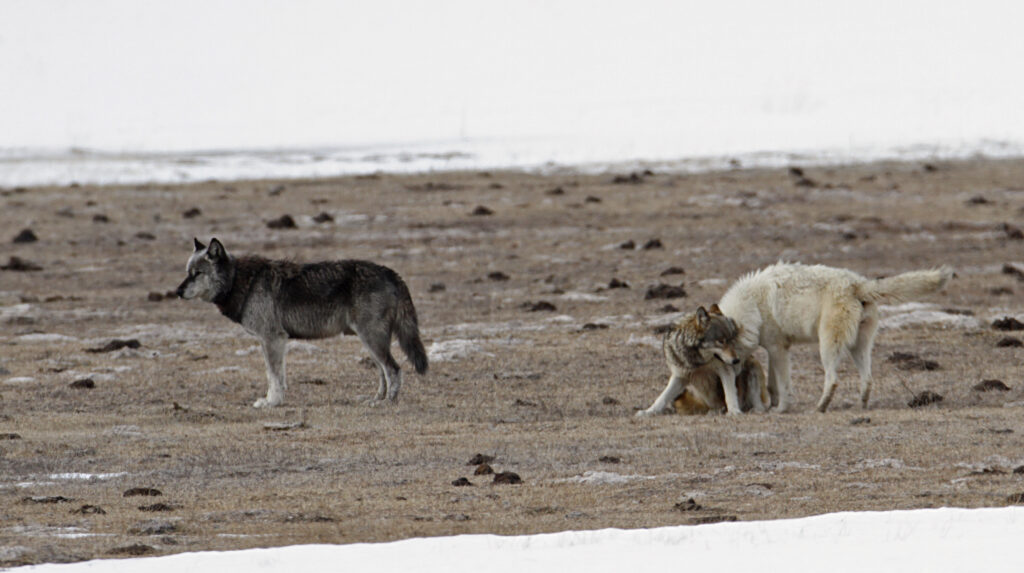
Ecologically, there aren’t many predators to control the boar in the desert. Wolves (Canis lupus) may prey on them in the more humid coastal areas, but they don’t make it much into the south. Striped hyenas (Hyaena hyaena), on the other hand, are also becoming more common in oasis areas—Chammem said they might be attracted by the wild boar.
Chammem added that researchers are just starting to learn more about this problem, but wild boar could present a significant problem for oasis agriculture and ecology in the region. Date palms, olives and other crops found in these oases are important exports for Tunisia.
This article features research that was published in a TWS peer-reviewed journal. Individual online access to all TWS journal articles is a benefit of membership. Join TWS now to read the latest in wildlife research.
Article by Joshua Rapp Learn