


Welcome to the TWS Early Career Professional Working Group
The Early Career Professional Working Group (ECPWG) is dedicated to addressing the challenges and opportunities that early career wildlife professionals encounter.
Consistent with the goals of The Wildlife Society, the Working Group’s goals are:
- Increase early career wildlife professional membership and participation in The Wildlife Society.
- Serve as a representative for early career professional members of TWS to TWS.
- Encourage peer-to-peer interaction and information flow concerning early career wildlife professionals within and among all levels of TWS.
- Advocate and provide for professional development opportunities that are relevant and vital to early career wildlife professionals.
Become a member
Membership is available to all current TWS members. You may join our working group by logging in to your TWS account. Note, if you are an early career professional member of TWS, you are automatically a member of this working group at no added cost.
Announcements
The ECPWG accepts applications to support professional development opportunities for early career professionals. To be eligible, applicants must be ECPWG members (ECP members of TWS are automatically members of the ECPWG; otherwise, membership may easily be added to TWS membership) and must not be enrolled in a full-time degree program. Professional development grants are offered each year to help defray costs associated with professional development opportunities pursued by early career members, including such things as travel to The Wildlife Society’s annual conference, attendance at regional/state/local meetings, workshops or other possibilities. There are two annual deadlines for the grant: July 15 and December 15.
Trailblazer Grant
The Trailblazer Grant is a joint effort of the Student Development Working Group and the Early Career Professional Working Group of The Wildlife Society. The Trailblazer Grant was created to provide field gear and monetary awards to support students and early career professionals from historically underrepresented or marginalized groups in the wildlife profession.
The 2026 Trailblazer Grant application period is closed.
Resources
Ever wondered where to find job opportunities? How to continue your professional development outside of work or a university setting? Is there a great ecology-based podcast to listen to? These are the questions many ECPs think about. The ECPWG board created a clearing house where answers to these questions could be found. This is a living document, as new content will be updated on a rolling basis with content that includes: job boards, fellowships and grants, professional development opportunities and webinars, podcasts, books, and much more!
In the last year, there has been a surplus of resources we have identified and included on this page. As we transition out of the virtual world, we may see a decrease in virtual resources. The ECPWG board needs your help. If you have attended or know of virtual resources that may benefit other ECPs please share it with us! Whether it is a book you have read or a webinar you attended, please send that information with a link to [email protected]. With your help, we can continue to improve our resource page and help fellow ECPs.
Questions to ask before beginning graduate school
Carefully choosing a good graduate advisor, and a good university, is crucial for having a positive experience as a graduate student. This document is meant to help prospective graduate students know which questions to ask as they make the important decision of whether or not to join a research lab as a graduate student. Though these questions aren’t exhaustive, they should help those considering graduate school to avoid the nightmares of a bad advisor and to make the most of graduate school.
Questions to ask before accepting a seasonal job
Seasonal wildlife jobs are great opportunities to get experience and to see beautiful places. However, exploitative practices such as low pay and over-work employees are common. This document is meant to help those beginning to look for seasonal jobs to know which questions to ask a potential supervisor before accepting a job. Though these questions aren’t exhaustive, they should help anyone who is beginning to apply for seasonal wildlife jobs to make the most of the experience and to avoid exploitative situations.
Webinar: Putting your best foot forward: Building effective CVs and resumes
- Tips for CVs
- Example CV (academia track)
- Example CV (federal)
- Example CV (state agency)
- Example CV (student/early-career professional)
Officers
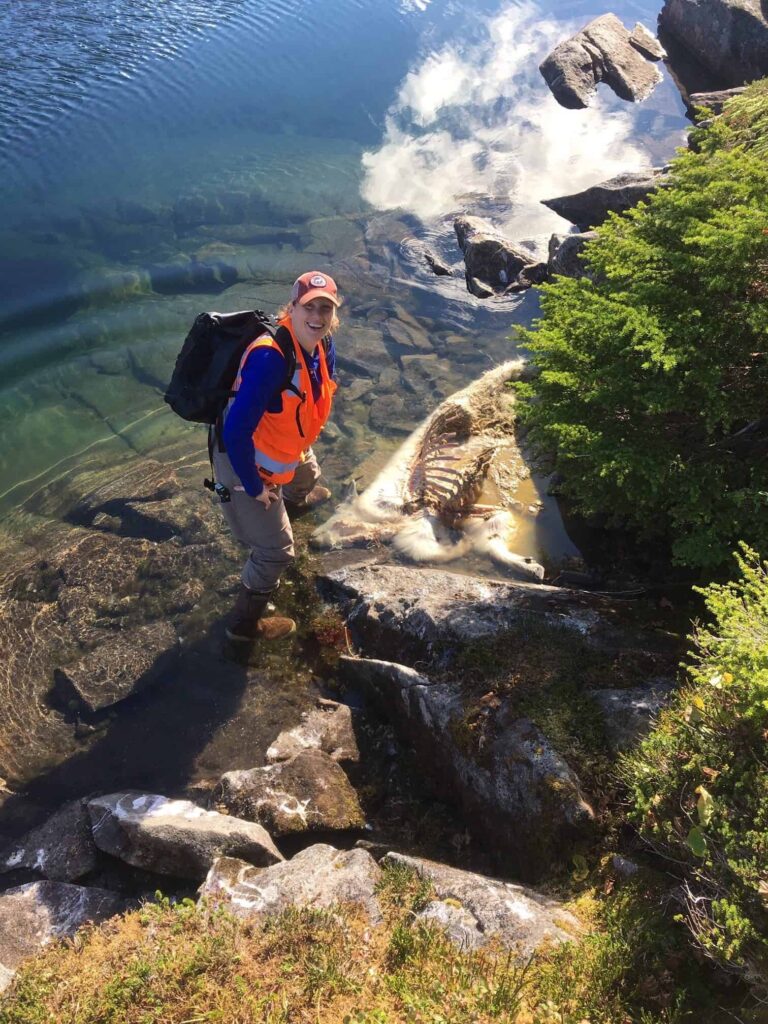
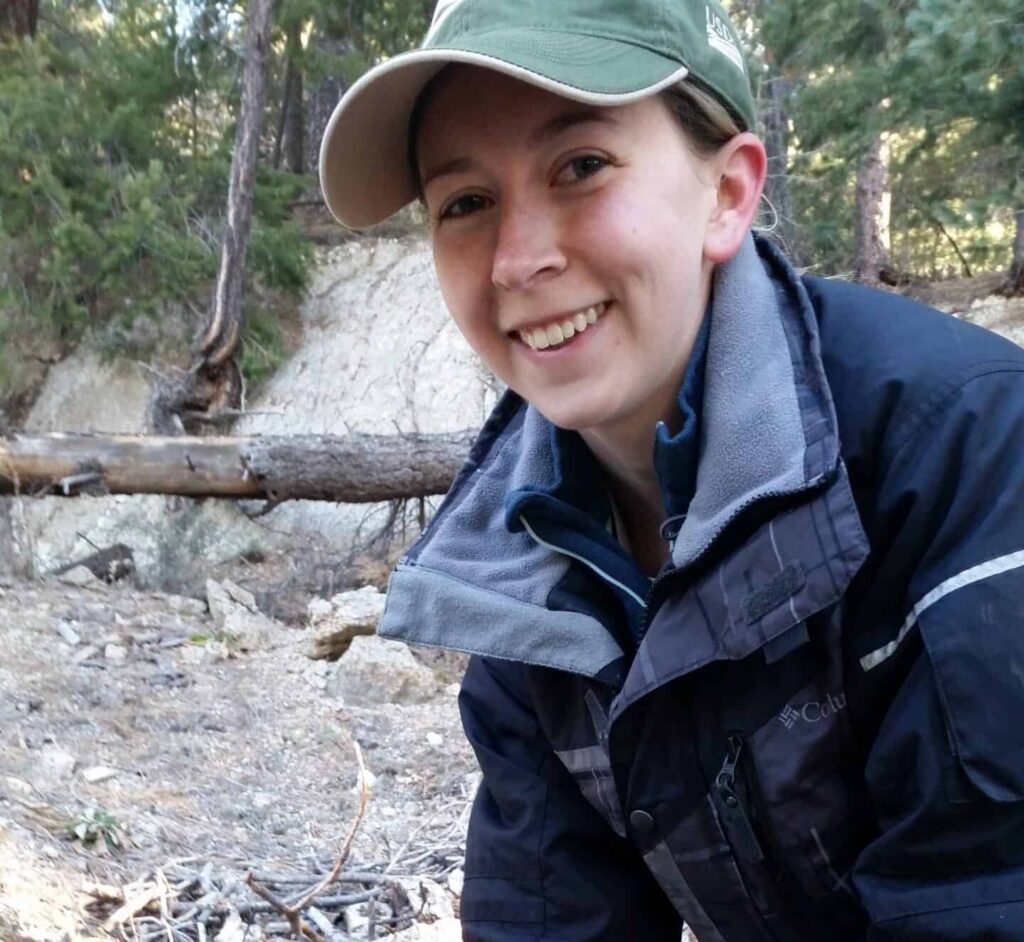
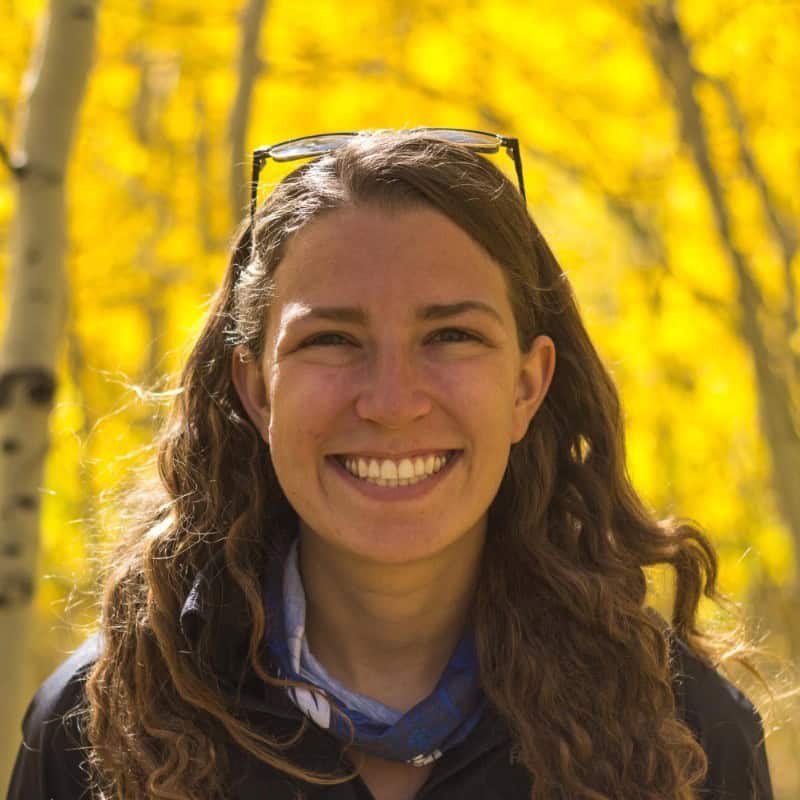
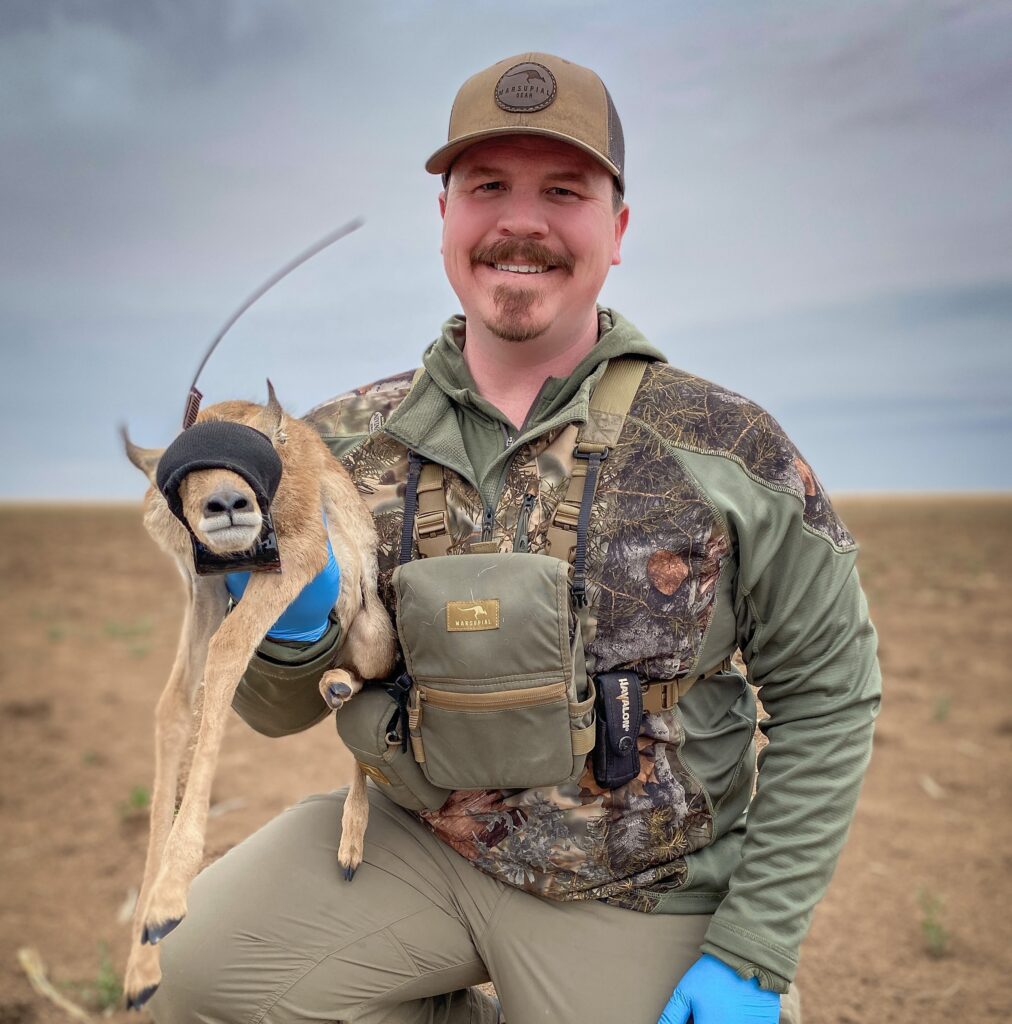
Officers

Committees
Nominating and Elections
The ECPWG Nominating and Elections Committee oversees the election process of officers and board members ensuring fair and impartial elections.
Media and Communications
The ECPWG Media and Communications Committee oversees our social media, communications, newsletters and more.
Annual Meeting Activities
The ECPWG Annual Meeting Activities Committee organizes activities at the annual conference including workshops, training and more.
Section and Chapter Outreach
The ECPWG Section and Chapter Outreach Committee organizes work with the sections and chapters internationally to ensure early career professionals are supported throughout all geographic regions.
Mentorship and Professional Development
The ECWPG Mentorship and Professional Development Committee works to provide mentoring assistance and professional development opportunities to members.
Audit
The ECPWG Audit Committee ensures internal budget and spending is performed appropriately.
Awards
The ECPWG Awards Committee manages the grants and scholarships of the working group. This includes the Professional Development Grant and Trailblazer Grant.
Meetings
The ECPWG also holds an annual meeting during The Wildlife Society’s Annual Conference.