

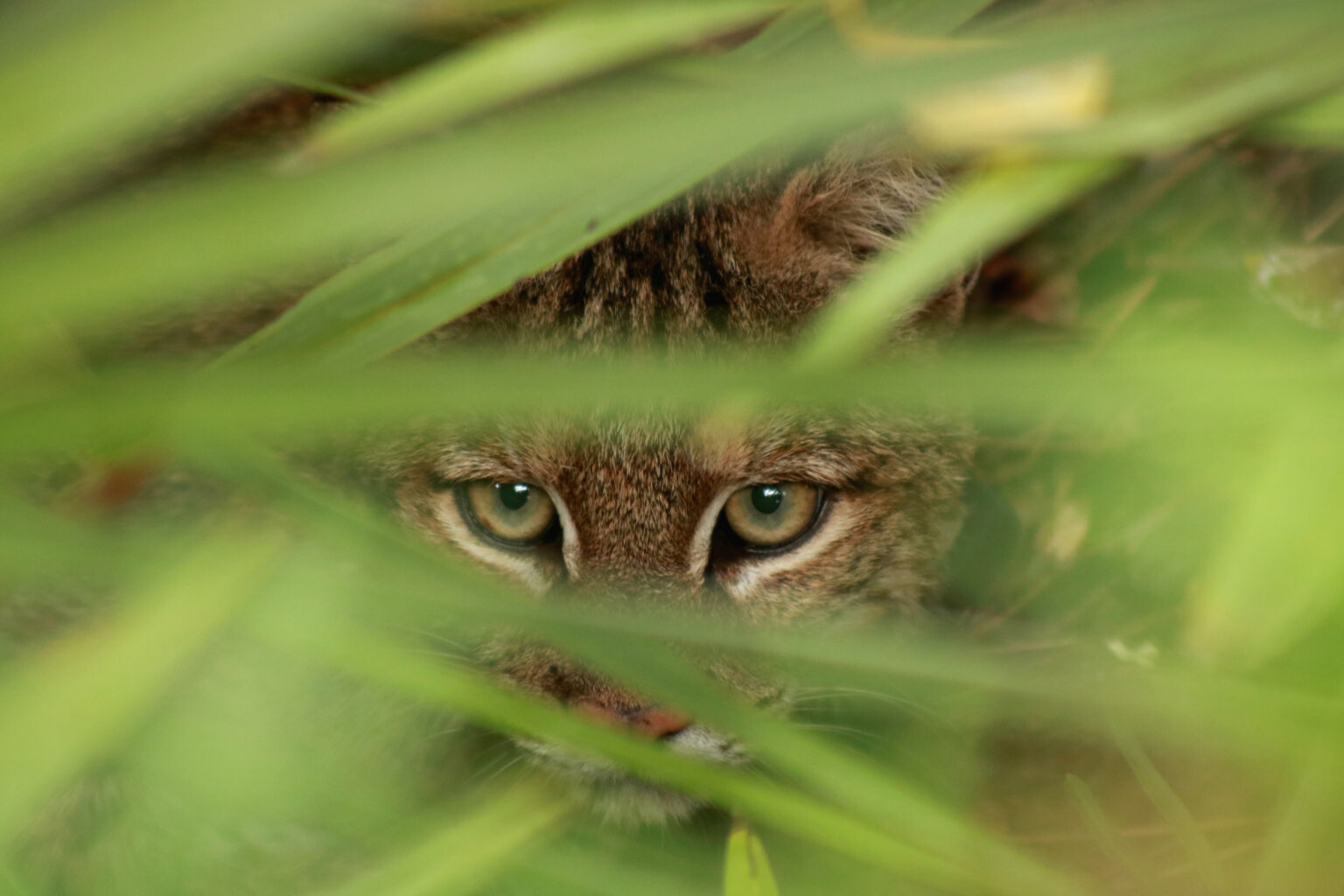
The gated community of Kiawah Island was a nature lovers dream. Until bobcats started showing up dead.
On a tiny island off the coast of South Carolina, bobcats are local celebrities. Residents hope to glimpse their shy neighbors ducking under palmettos or dashing between vacation homes.
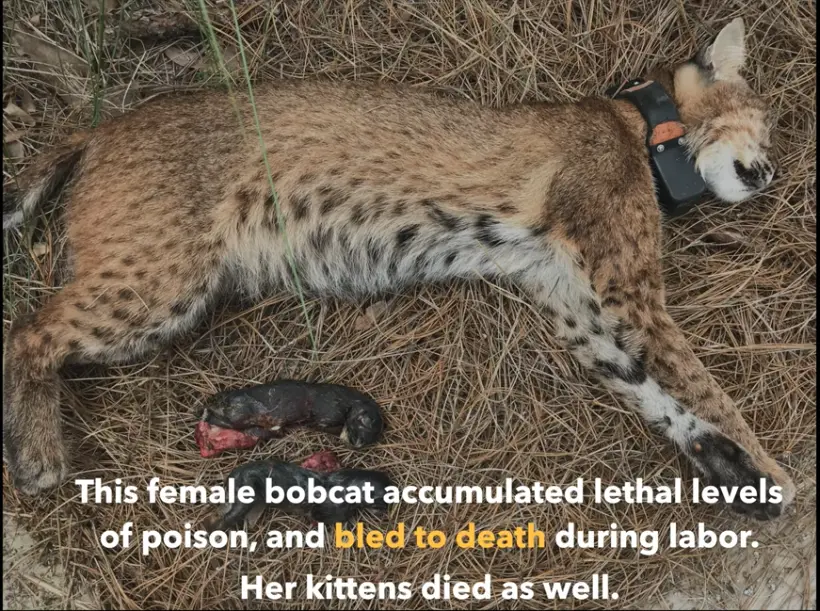
Up until 2019, the population’s survival rate was stable at around 98%. But that year, wildlife officials found a female bobcat (Lynx rufus) that bled to death while in labor. Within a few months, two more animals showed up dead with no signs of external injury—about 10% of the island’s 30-35 bobcats had been wiped out. In the next four years, 12 more bobcats total died. The survival rate plummeted to 39%. With a rate that low, Kiawah Island was on a path to extirpation in as little as five years. Local wildlife professionals scrambled for answers.
“We had years and years of no mortalities,” said Meghan Keating, a doctoral candidate at Clemson University. “We knew something was going on.”
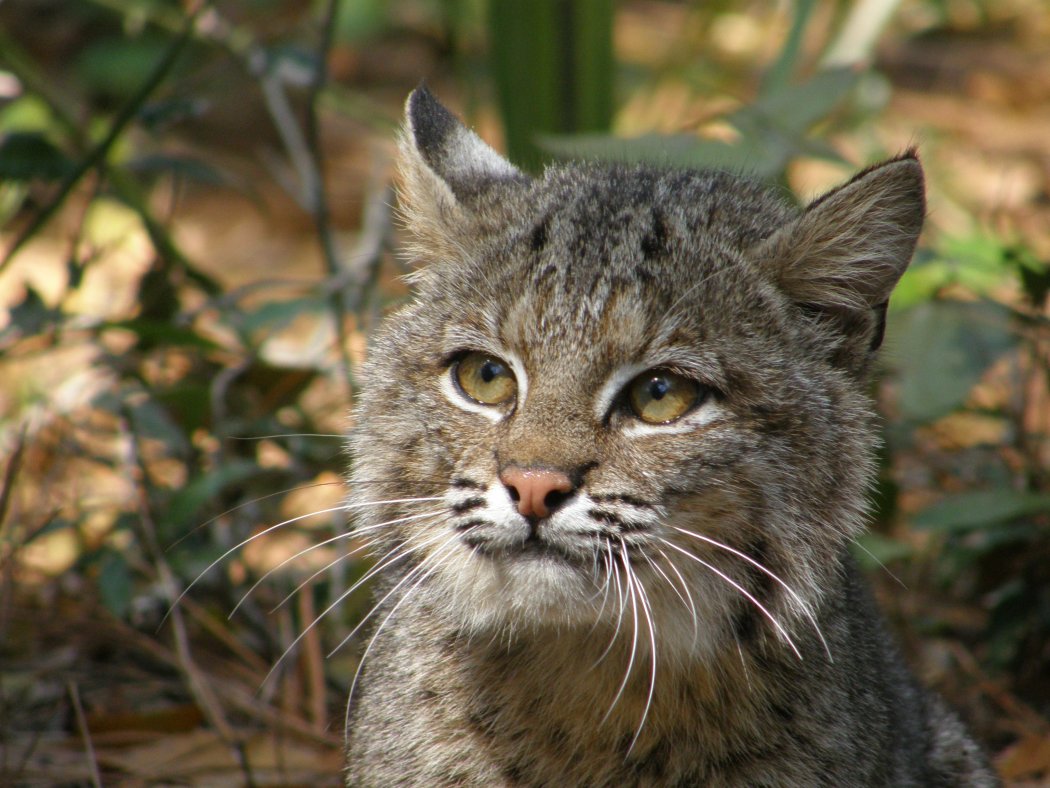
The island’s wildlife biologist sent the dead bobcats to a state lab for testing. The results came back: all of the animals had high levels of rodenticides in their blood and livers. Their prey had poisoned them.
Rats need a vacation, too
Kiawah Island is a famous vacation destination in South Carolina. The 13-mile-long, 1.5-mile-wide island has a year-round population of around 2,000 but swells to 10,000 during the peak tourist season.
Although heavily developed, the gated community markets itself as an eco-friendly destination with strict environmental regulations that preserve habitat for animals like bobcats and birds. “While it’s heavily urbanized relative to other areas, they have maintained a dense native plant community,” Keating said. That habitat is critical for local wildlife like bobcats. Researchers have been studying the population for over 30 years.
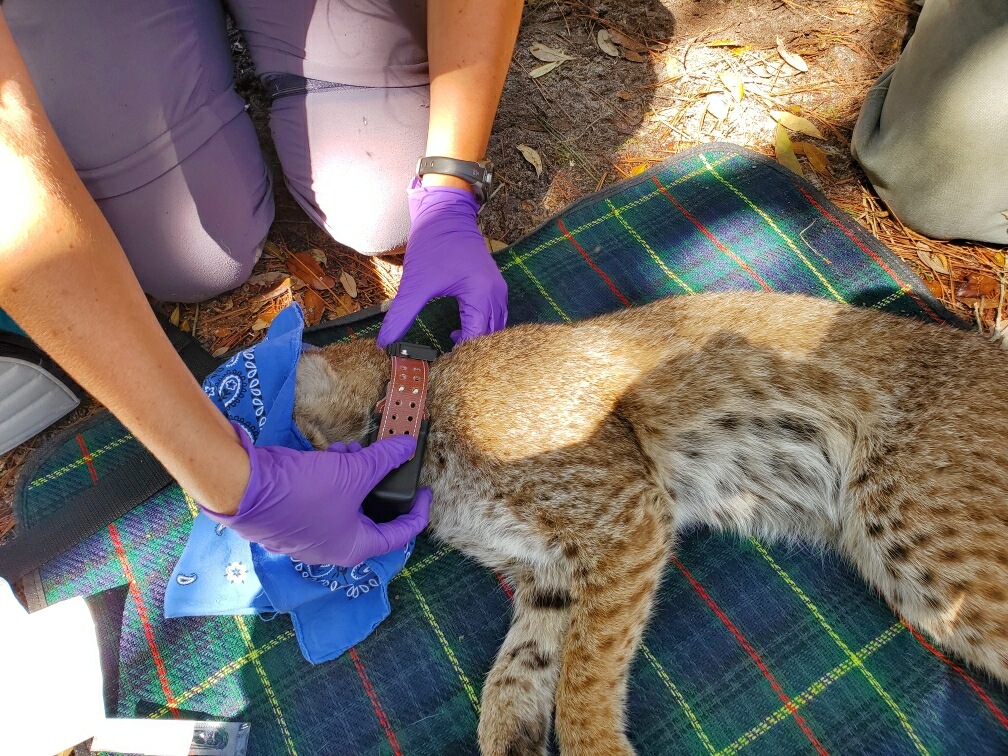
According to Keating’s research, published recently in Animal Conservation, the number of short-term rentals on the island skyrocketed in 2018, alongside growing concerns about pests like mice and rats. And with pests comes pest control. The most used class of rodenticides in the U.S. is anticoagulants, which kill animals by stopping blood clotting, often leading to internal bleeding. “[Anticoagulant rodenticides] work from the inside out,” Keating said.
With current technology, known as second-generation anticoagulant rodenticides, it only takes one bite of a poisoned bait to kill. “Those are the ones that we think are most concerning for wildlife,” Keating said.
The bobcats aren’t directly eating the poisoned baits but are ingesting rodenticides through their prey in a process called bioaccumulation. The poisons can take up to a week to fully kick in. In the meantime, more drugged rodents scurry around confused and lethargic. “If you know about cats,” she said, “that’s really fun for them.”
Poisoning or a ‘tipping point’?
Keating wanted to know if they could really blame Kiawah’s bobcat decline exclusively on rodenticides or if Kiawah Island had finally hit an urbanization “tipping point” and could no longer support its relatively large bobcat population. “Did [rodenticides] really lower survival or was it just a fluke that these three cats died?” she wondered.
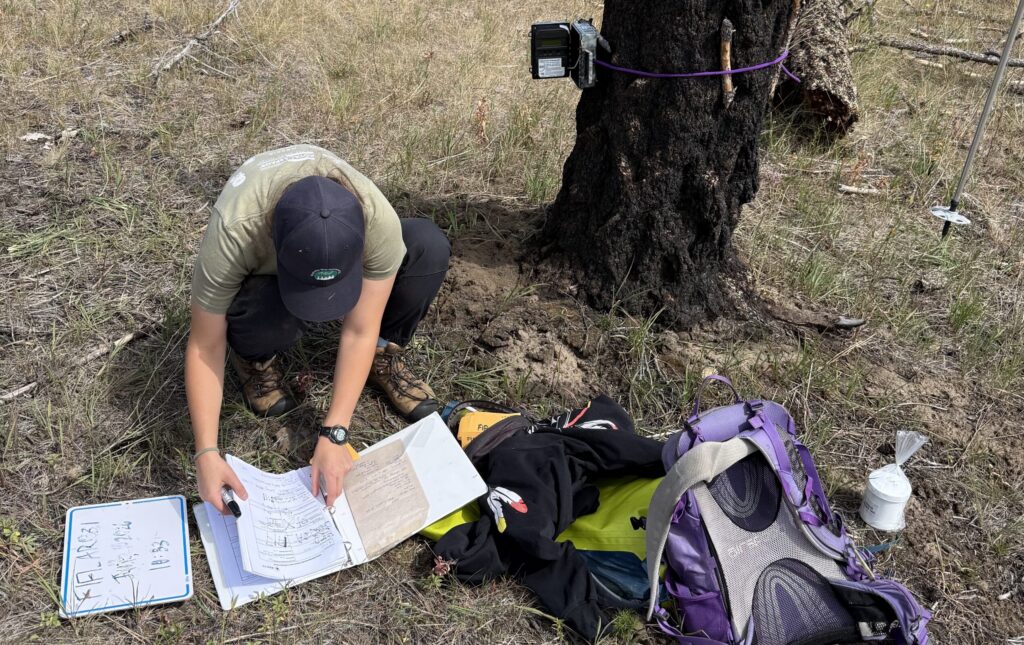
Keating used satellite imagery to track development on the island over time. She also interviewed community members and local pest control companies to track rodenticide use. She mapped exposure risk from other animals that showed up dead, like raccoons (Procyon lotor), opossums (Didelphis virginiana) and even an alligator (Alligator mississippiensis).
She couldn’t get more precise data on how much rat poison had been distributed across the island. In South Carolina, like many states, pesticide use isn’t public information. Even if she could get access to the information, pest control companies are only required to keep records of pesticide use for two years.
In many states, rodenticides are largely unregulated. You can walk into a local hardware store and pick up anticoagulant rodenticides or order them online. And at the time the bobcats were dying, anyone in South Carolina could go to the grocery store and put rat poison on their property.
Keating combined local knowledge, animal deaths, development data and bobcat collar data from 2007 to 2022. She found that there wasn’t a significant correlation between housing density and bobcat survival but that exposure to anticoagulant rodenticides was linked to lower survival. “There are very few instances where scientists have the data to show the population level impacts of rodenticides,” Keating said.
Based on blood and fecal samples and liver samples of dead cats, she found that over 70% of the bobcats had been exposed to four or more chemicals. Each pesticide bait block only uses one chemical. “That means it’s repeated exposure events,” Keating said.
Community action saved the day
Based on the survival rates of bobcats in 2021, scientists predicted that Kiawah Island would lose its bobcats as early as 2025. But the island’s unofficial mascot is still roaming free because the community stepped in. “They could’ve lost their bobcats by now if they hadn’t taken action,” Keating said.
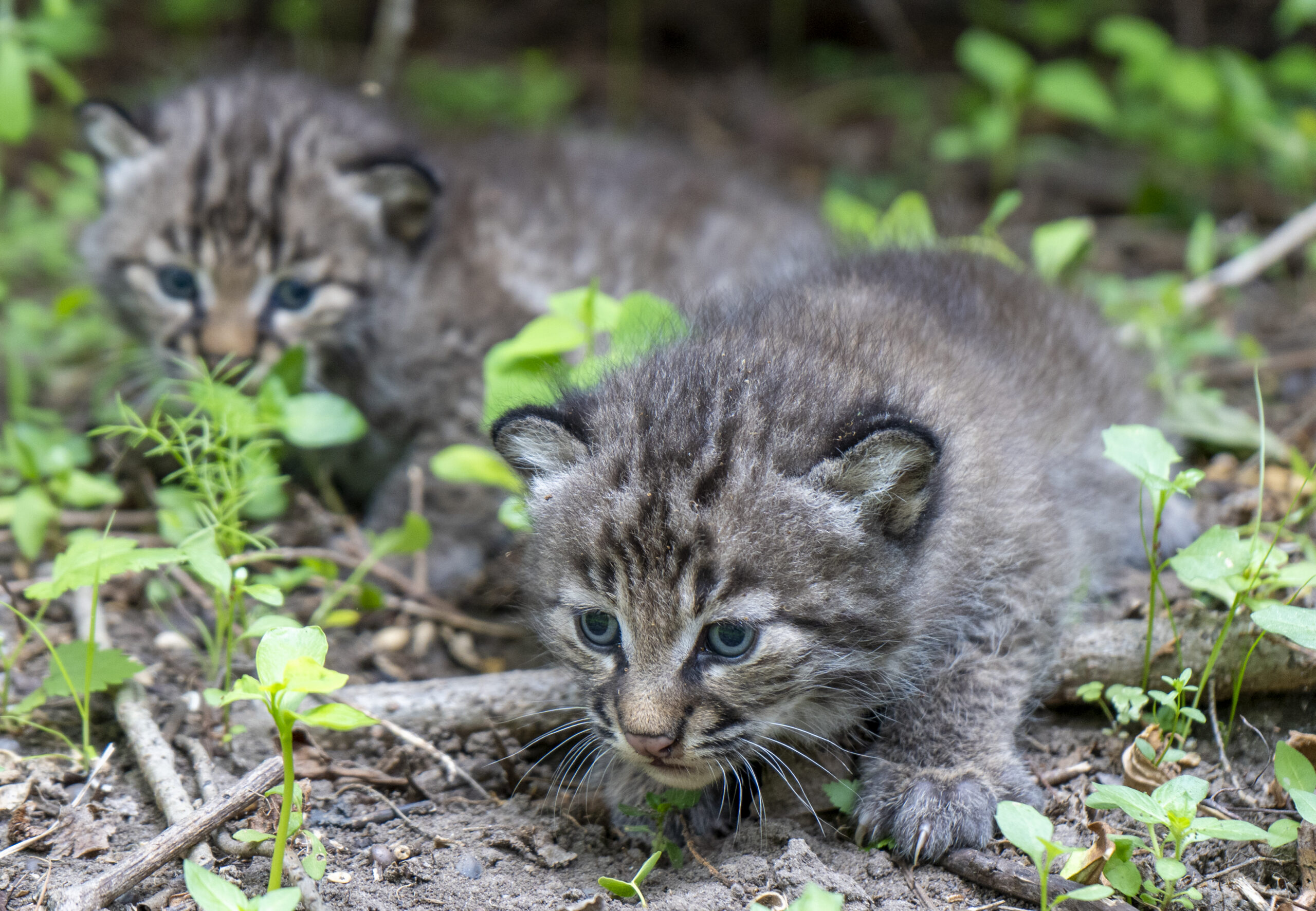
In late 2020, about a year after the mother and her two kits turned up dead, concerned community members founded the Bobcat Guardian program.
The program includes a pledge for individuals and businesses alike to not use anticoagulant rodenticides. The state of South Carolina now passed a ban on anticoagulant rodenticide use, and you now need a license to purchase this class of poisons in the state of South Carolina.
“This community loves their bobcats,” Keating said. “They’re very proud to have maintained this population.”
Keating said that monitoring also played a role in saving the population. “There could be other places where this is happening and we’re just not aware,” she said.
More than just bobcats are at stake. The dead alligator they found hadn’t eaten a rodent directly but likely ate a bobcat or raccoon that had eaten a poisoned mouse or rat. Limiting use of anticoagulant rodenticides likely helps other species, too, like snakes and raptors that specialize on rodents. “Anything that eats another animal has the opportunity to bioaccumulate a toxin,” she said.
Article by Olivia Milloway