


In the digital age, online content dominates the information landscape, with cute videos of animals garnering millions of views. While these videos inspire awe, likes and comments, they may not be doing enough to protect the species involved.
People between the ages of 16 and 64 spend over 2.5 hours per day engaging with social media platforms. Curious about how viewers may be engaging with wildlife content, professors Sabina Tomkins and Derek Van Berkel and Neil Carter at the University of Michigan and Enrico Di Minin at the University of Helsinki and their collaborators began to think of ways to examine online engagement. Their new research published in Nature Communications Sustainability looked at YouTube, a rarely examined platform used for consuming thousands of hours of short- and long-form video content, to determine the dominant themes in wildlife-related videos.
To analyze the comment section of 1,751 YouTube videos, the researchers trained a model to identify common themes and attitudes. The researchers then leveraged the power of artificial intelligence and this baseline data to comb through the comment sections of YouTube.
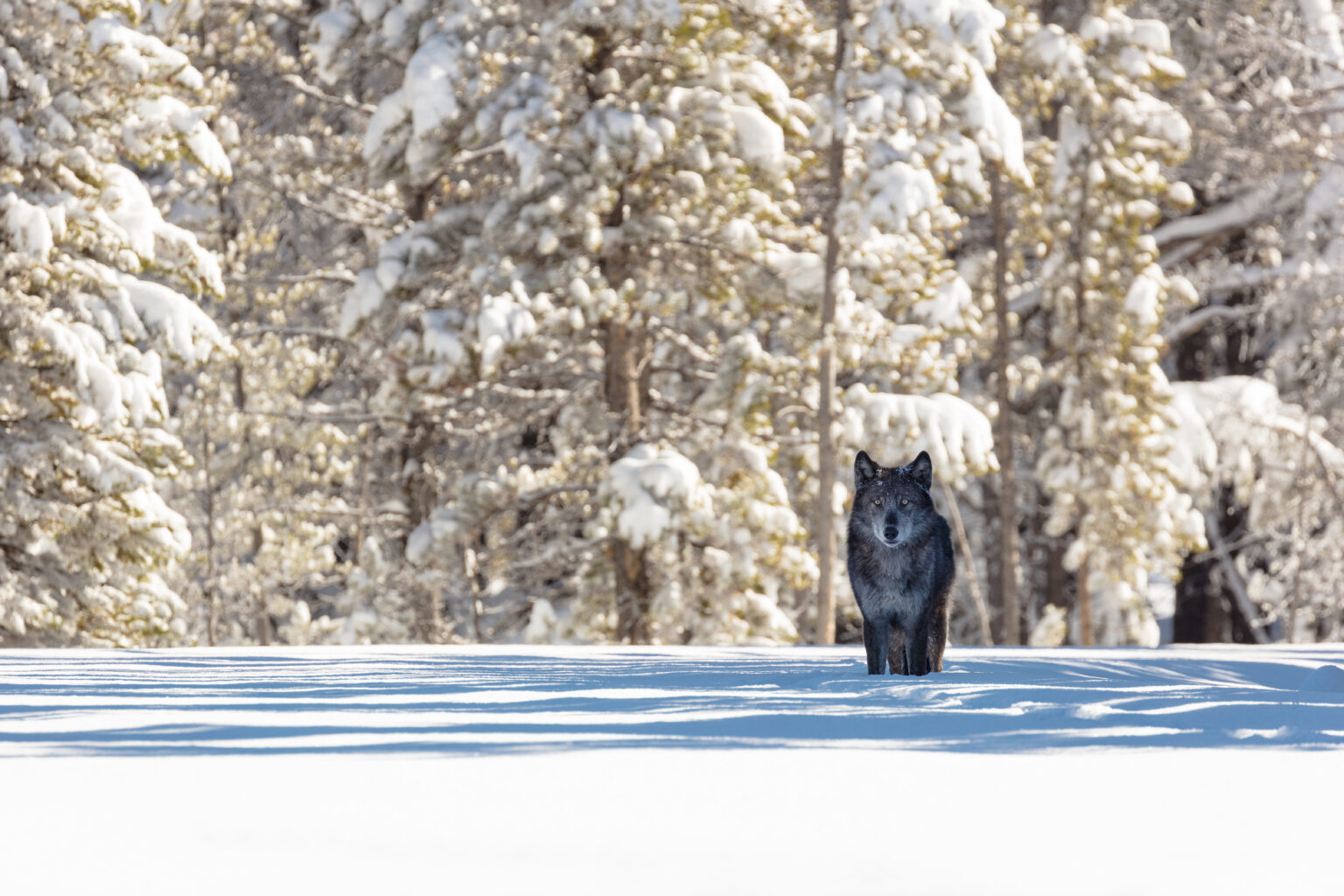
Analysis of the comments on videos found that wolves (Canis lupus) were a highly polarizing species, creating a swirl of concern and appreciation for both humans and animals. In contrast, commenters appreciated cheetahs and gorillas, often remarking on their speed, strength and attractiveness.
The researchers also found that the videos rarely ask viewers to do anything to protect the species they’re watching, and often conservation-themed videos are competing with entertainment-based content.
But understanding how people react to wildlife online and whether there is a call to conserve the species is only part of the story.
The power of videography
Videography plays a key role in shaping how viewers connect with wildlife, according to Rob Nelson, a conservation filmmaker, biologist and founder of the YouTube channel StoneAgeMan.
Nelson has made a career out of telling his and other scientists’ stories with the goal of moving from awareness-only content to messages that foster deeper engagement and action.
“What happens to the teacher when we leave school?” Nelson said. “The public has no idea what real conservation work actually looks like.”
Nelson believes that YouTube and video content can be an important mechanism to teach and inspire action, but it can be a double-edged sword if videos communicate the wrong information. Although there are examples like the documentary “Voyage to Kure” by Jean-Michel Cousteau, which inspired President George W. Bush to form the Papahānaumokuākea Marine National Monument, there are instances like with “Jaws,” where the wrong narrative that causes the public to fear the species can have a long-lasting impact on whether people want to conserve it.
“Influencers also have so much impact that sometimes scientists may want to reach them because they will push the issue further,” Nelson said.
For conservation scientists looking to save species, reaching new audiences and directing actions that benefit them present both an opportunity and a challenge to ensure the right messaging makes it online.
As wildlife storytelling continues to evolve on YouTube and other platforms like TikTok and Instagram, the question is no longer whether people are watching wildlife content; it’s how scientists and communicators can ensure those moments of fascination translate into deeper understanding and meaningful conservation action.
“By using machine learning, we are able to analyze the comment sections and keep pace with its speed and the evolving dynamics of these issues,” Tomkins said.
Article by Kaylyn Zipp