


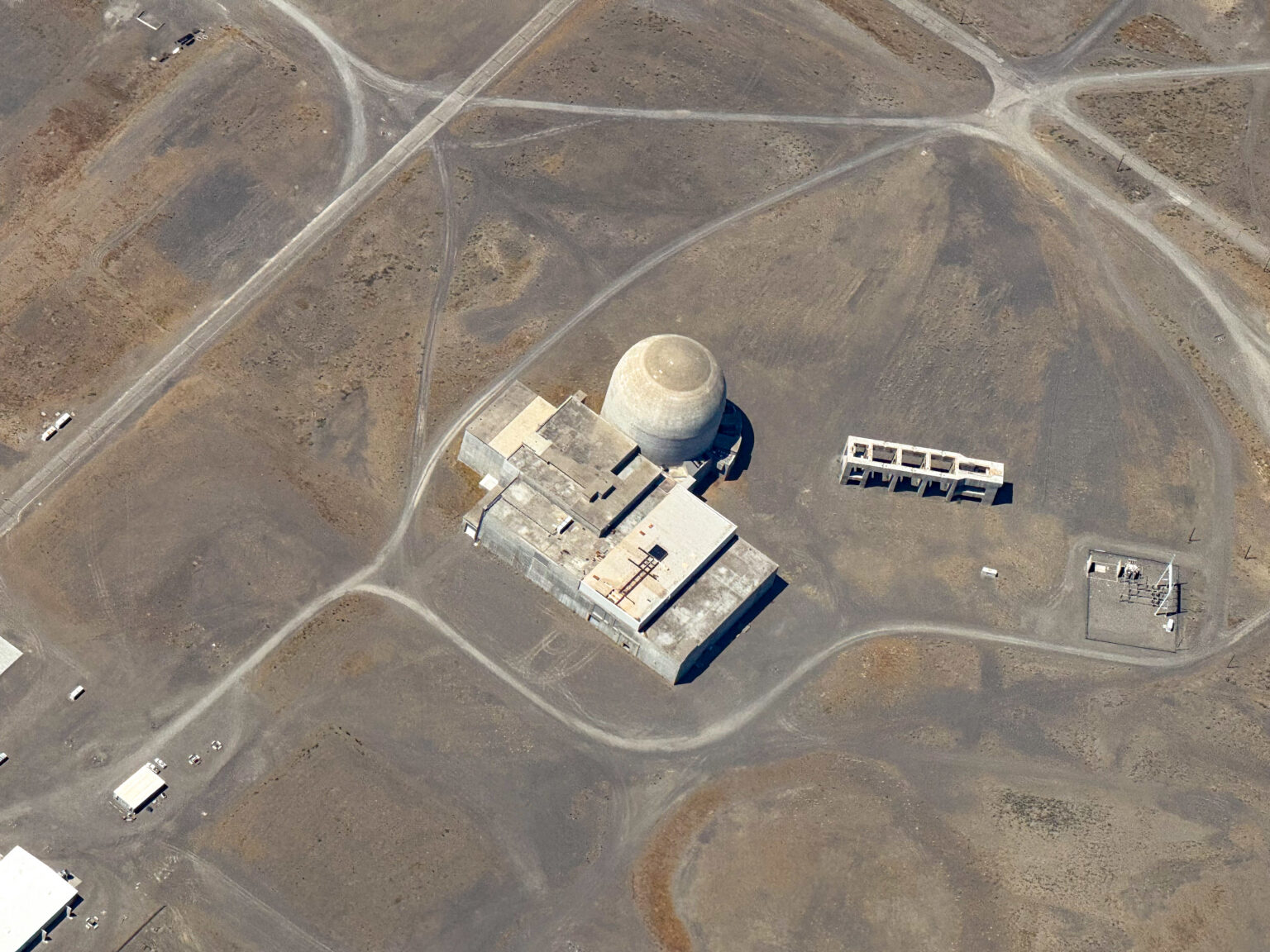
While some parks are created for the express purpose of conserving wildlife, for others, conservation is an afterthought. Involuntary parks, or areas blocked off from human use because of environmental contamination, conflict or violence, have long benefited nature. “Former proving grounds, chemical weapons facilities, nuclear production facilities or ammunition storage sites are often too costly to clean to a standard for human occupancy or commercial use,” said David Havlick, a professor at the University of Colorado Colorado Springs, in an interview with Mongabay. Many involuntary parks, such as Chernobyl and the demilitarized zone between North and South Korea, aren’t formally recognized as conservation areas, but some are, like the Hanford Reach National Monument in Washington state. Initially set up as a buffer for a Cold War-era nuclear weapons manufacturing plant, the area was formally designated as a national monument in 2000 and is managed by the U.S. Fish and Wildlife Service. In this free-flowing stretch of the Columbia River, there are an estimated 43 species of fish, including salmon and trout, as well as 42 mammal species, 258 bird species, four amphibian species, 11 reptile species and more than 1,500 invertebrate species. War can exacerbate problems like poaching and cause massive environmental damage. But legacy sites, like the World War I-era Verdun battlefield, were closed to development due to the amount of human and animal remains, as well as unexploded shells and grenades.
Read more at Mongabay.