

I was born and raised in Brazil near the Pantanal, the largest contiguous freshwater wetland in the world. My first memory of this unique landscape dates back to when I was three years old, visiting my godfather’s lodge and cattle ranch in the Northern Pantanal. What began as a childhood visit quickly turned into a tradition. During school breaks and holidays, I would return to the lodge to assist with cattle ranching and tours at the lodge. These visits shaped my upbringing and how I came to understand my relationship with nature.
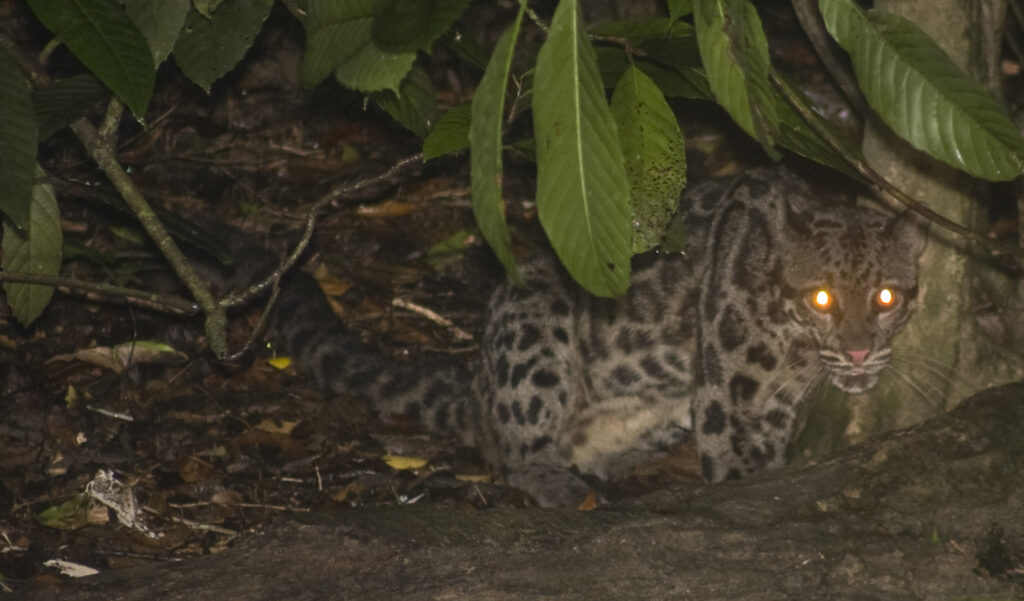
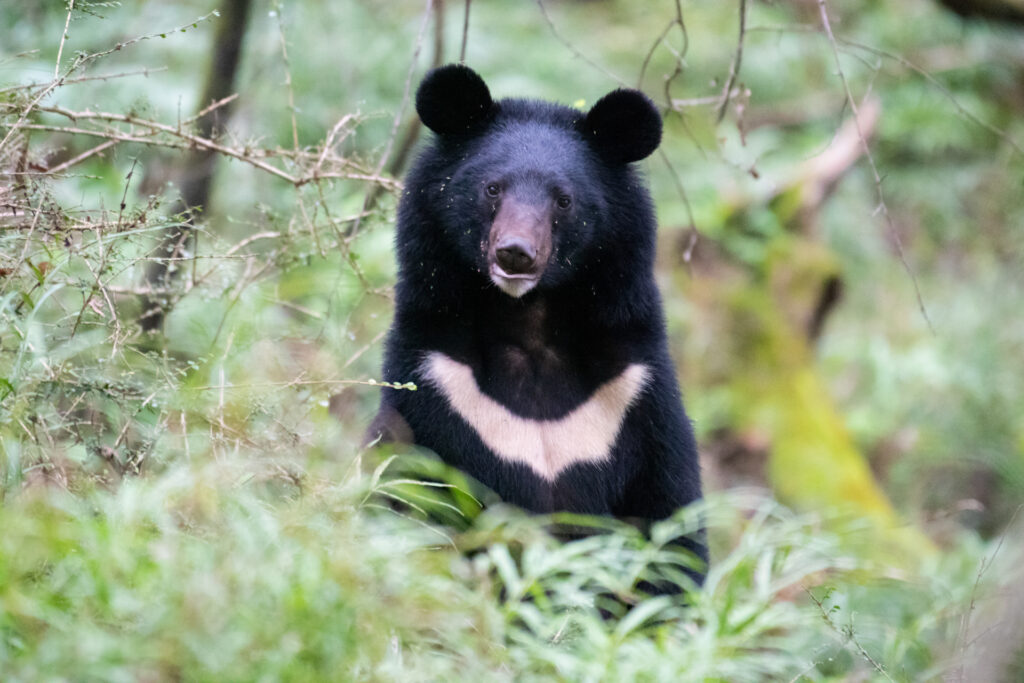
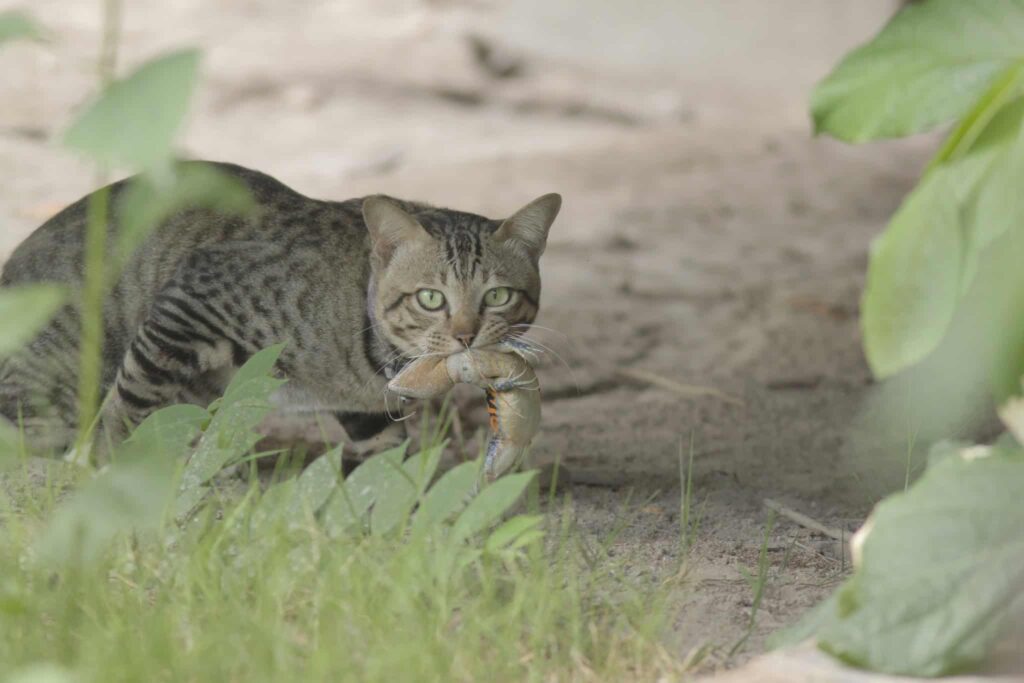
As I grew older, I gained an official role at the lodge. Having learned English, I assisted with wildlife observations, supporting tour guides on hikes, canoeing, horseback riding and other activities. In between working with tour groups, I would take a day off to immerse myself in the Pantanal. During that time, I ventured to the farthest reaches of the 7,000-acre property by horseback to find wildlife to photograph and observe. I recall encountering peccaries, vermillion flycatchers (Pyrocephalus obscurus), jabiru storks (Jabiru mycteria), ocelots (Leopardus pardalis), giant anteaters (Myrmecophaga tridactyla) and giant otters (Pteronura Brasiliensis). Each encounter reinforced my love for the Pantanal’s biodiversity and deepened my appreciation for its natural wonders and traditions. These experiences sparked a burning passion that made me want to dedicate my life to its conservation.
Initially, I believed the best path was to become a tour guide. It felt like the perfect way to stay connected to the Pantanal while supporting conservation. I intended to study animal science in college to strengthen my chances of becoming a competitive guide. Yet, in the winter of 2017, everything changed when a tour group of senior ecologists from the U.S. arrived at the lodge. What transpired during the following weeks was a pivotal moment that made me want to become an ecologist. Over two weeks, I accompanied them on hikes, canoe trips and safaris. In return for sharing my love and knowledge of the Pantanal, they shared their love of ecology.
I was still green to this type of science, with little more than curiosity and a love for nature, but their insights changed everything. They asked questions about the Pantanal’s ecology that I had never considered. One late afternoon, as we hiked together, one of them asked me, “If you were a trained ecologist, what would you do?”
That question resonated with me. I realized I did not want just to guide others through the Pantanal; I wanted to study it and protect it through science. I told them I wanted to be a wetland ecologist, focusing on wildlife, soils, hydrology and forestry. My answer made their eyes light up, and with their support and encouragement, my academic journey in the U.S. began.
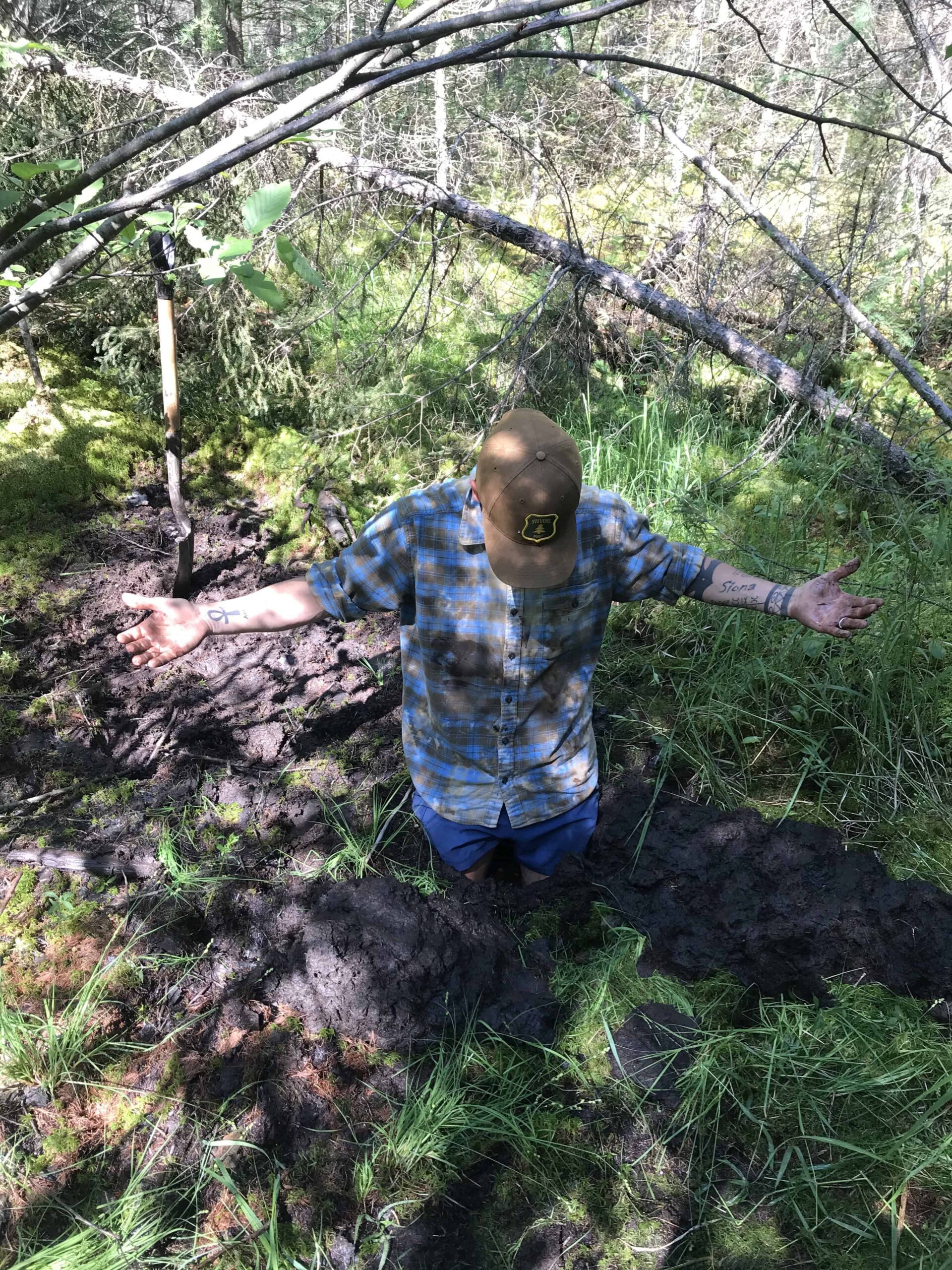
Reflecting on the Caribbean Heritage Month, I feel privileged to have met the right people at the right time. I know many other Latinos share the same desire to conserve areas like the Pantanal but may not yet have had the opportunity. I want to continue advancing research that contributes to the management and conservation of wetlands, and I want to open the door for others. One day, I aspire to lead a research lab, where I can mentor and inspire students, just as I was once inspired.
Wildlife Vocalizations is a collection of short personal perspectives from people in the field of wildlife sciences. Learn more about Wildlife Vocalizations, and read other contributions.
Submit your story for Wildlife Vocalizations or nominate your peers and colleagues to encourage them to share their story.
For questions, please contact tw*@******fe.org.
Article by The Wildlife Society