
The Wildlife Society is taking a significant step to expand its global conservation impact by becoming a supporting partner of an international collaboration to restore global ecosystems.
Led by the United Nations Environment Program and the Food and Agriculture Organization, the UN Decade on Ecosystem Restoration calls for a worldwide effort to prevent, halt and reverse ecosystem degradation, aiming to restore 350 million acres of forests, grasslands, wetlands, mountains, coasts and urban areas. This ambitious initiative involves over 115 countries and thousands of restoration projects.
Recognizing the strong alignment between the UN Decade’s goals and TWS’ history and expertise, the Society’s Habitat Restoration Working Group identified a gap in the UN Decade on Ecosystem Restoration’s current wildlife-related expertise. “I did a literature search for wildlife and the UN Decade on Ecosystem Restoration, and I came up with very little,” said Raymond Dueser, a long-term TWS member who serves on the working group board.
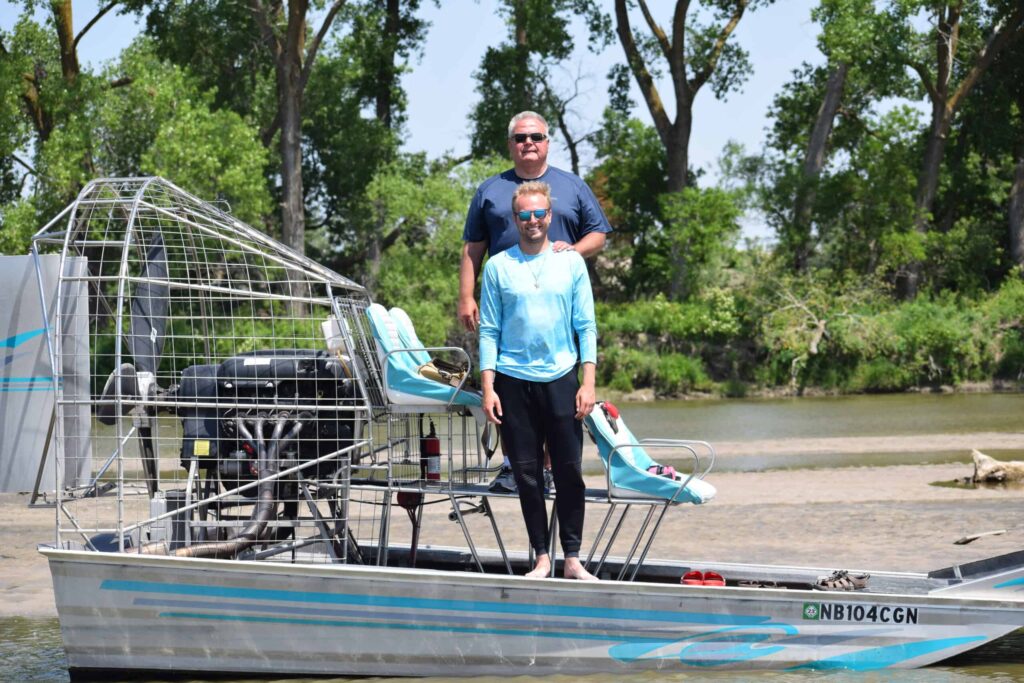
Becoming a UN Decade supporting partner was a five-year endeavor led by Dueser and TWS member Robert Magill. Together they developed a proposal for TWS to become a strategic supporting partner, a specialized organization providing thematic and regional expertise, and secured the commitment of 15 TWS working groups to join the UN Decade Restoration Coalition. The coalition that TWS members formed represents diverse expertise in biodiversity; coastal and marine systems; climate change; habitat restoration; forestry; conservation education; and human dimensions.
Tackling ecological restoration is not something new for TWS. Dueser and Magill have championed restoration through the restoration symposium at the TWS Annual Conference every year. Dueser and Magill also highlighted TWS’ long history and considerable strengths in restoration: more than 90 years of wildlife and habitat restoration experience; over 11,000 members in 45 countries; a significant technical expertise; and a global network of professional connections.
By joining the UN Decade on Ecosystem Restoration, TWS can help shape restoration strategies; offer science-based recommendations; and engage in international task forces focused on best practices, monitoring, science and youth engagement.
“It’s about advising, testing, learning.” said Dueser.
Magill noted that structuring the coalition around working groups allows it to “reach people throughout the society,” creating opportunities for knowledge exchange and broader participation.
The partnership also offers clear benefits for TWS: increased visibility and influence in global conservation policy; networking with leading restoration organizations; and opportunities for members to contribute directly to important projects worldwide. Through involvement in the UN Decade on Ecosystem Restoration, TWS and its members will join a global coalition dedicated to restoring degraded ecosystems, sustaining biodiversity, and ensuring healthy landscapes for wildlife and people well into the future. This initiative reflects TWS members’ commitment to collaborative, science-based solutions for the planet’s most urgent environmental challenges.
“The UN Decade will give us an opportunity to advise on restoration initiatives around the world. To test our own ideas and concepts of restoration on the ground and to learn something about how other people manage and sustain their environments.” said Dueser
Now Dueser and Magill are meeting with interested members and identifying how they would like to engage. Because, as Dueser said, “If not us, then who?”
Members interested in contributing to the UN Decade Restoration Coalition are encouraged to fill out the Habitat Restoration Working Group to learn more and share ideas for involvement.
Article by Kaylyn Zipp