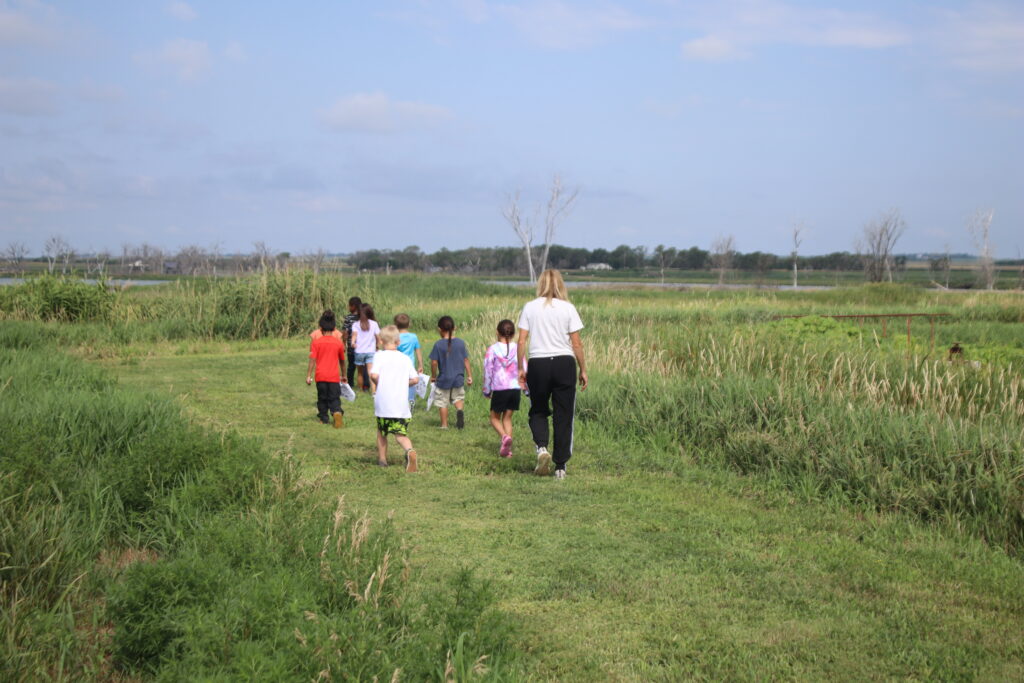





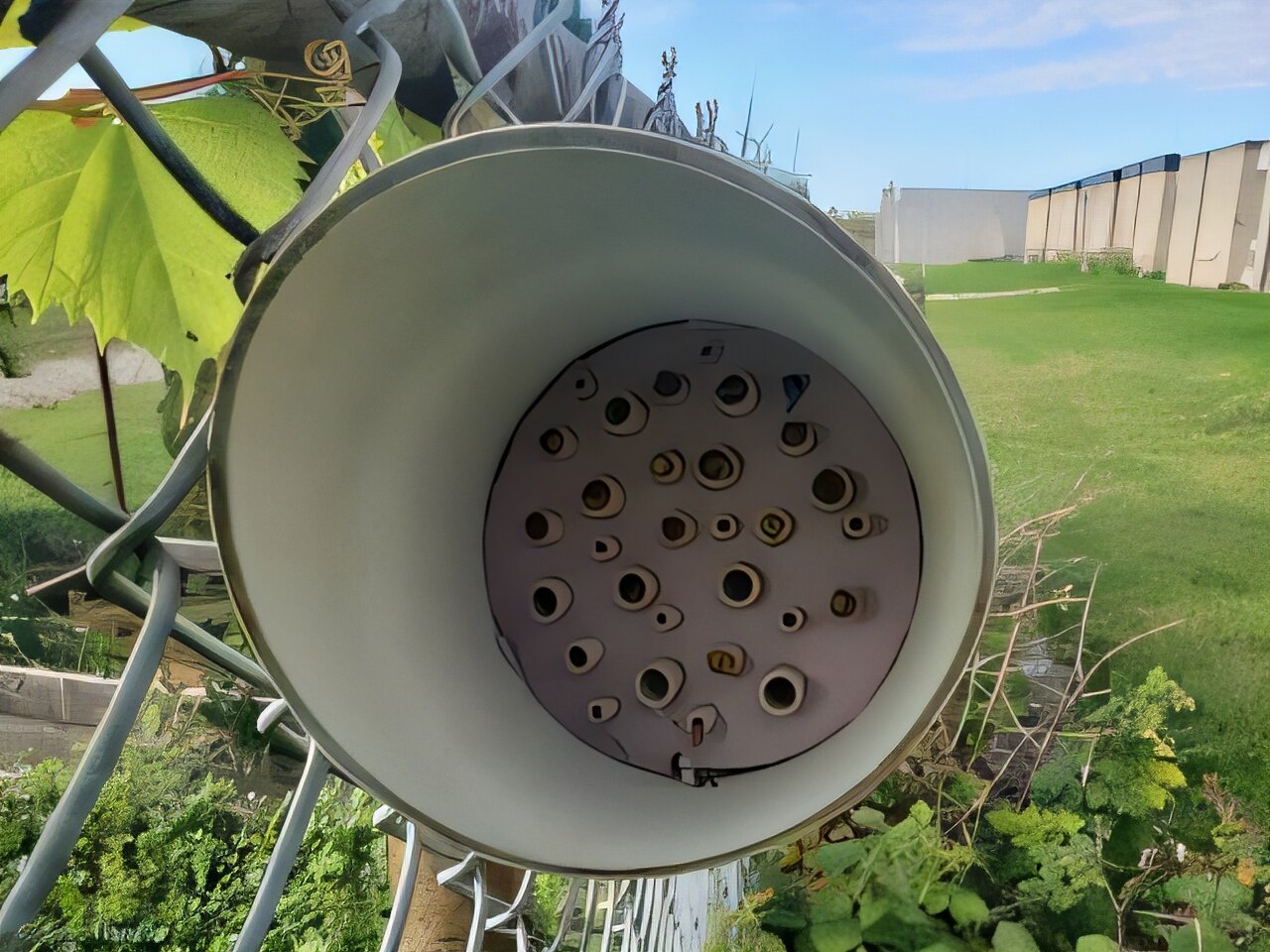
Students in Canada are helping scientists learn more about a mysterious group of insects: cavity-nesting bees and wasps. Around 5,000 students at participating Bees@Schools locations across the country installed trap nests and waited to see what insect guests arrived. The traps were made out of a PVC pipe and tubes of cardboard where the bees and wasps would hole up and build a nest. Then, the researchers removed the nests and analyzed them using DNA metabarcoding, a method that allows scientists to search for the DNA of multiple species at once within a single sample. The researchers found not only what species of bee or wasp built the nest but also what pollen or insect resources they used for food and what parasites the insects carried with them. The research, published in Metabarcoding & Metagenomics, uncovered new relationships between bees and wasps, pollen resources and their parasites. “A lot of people want to contribute to conservation or learn more about biodiversity but don’t know how,” said Sage Handler, a researcher at the University of Guelph and lead author on the paper. “This shows that a small, practical action, like hosting a trap nest, can contribute real data that researchers can use.