



In a multi-species study, researchers in Australia have discovered naturally occurring sex-reversed wild birds in five native species.
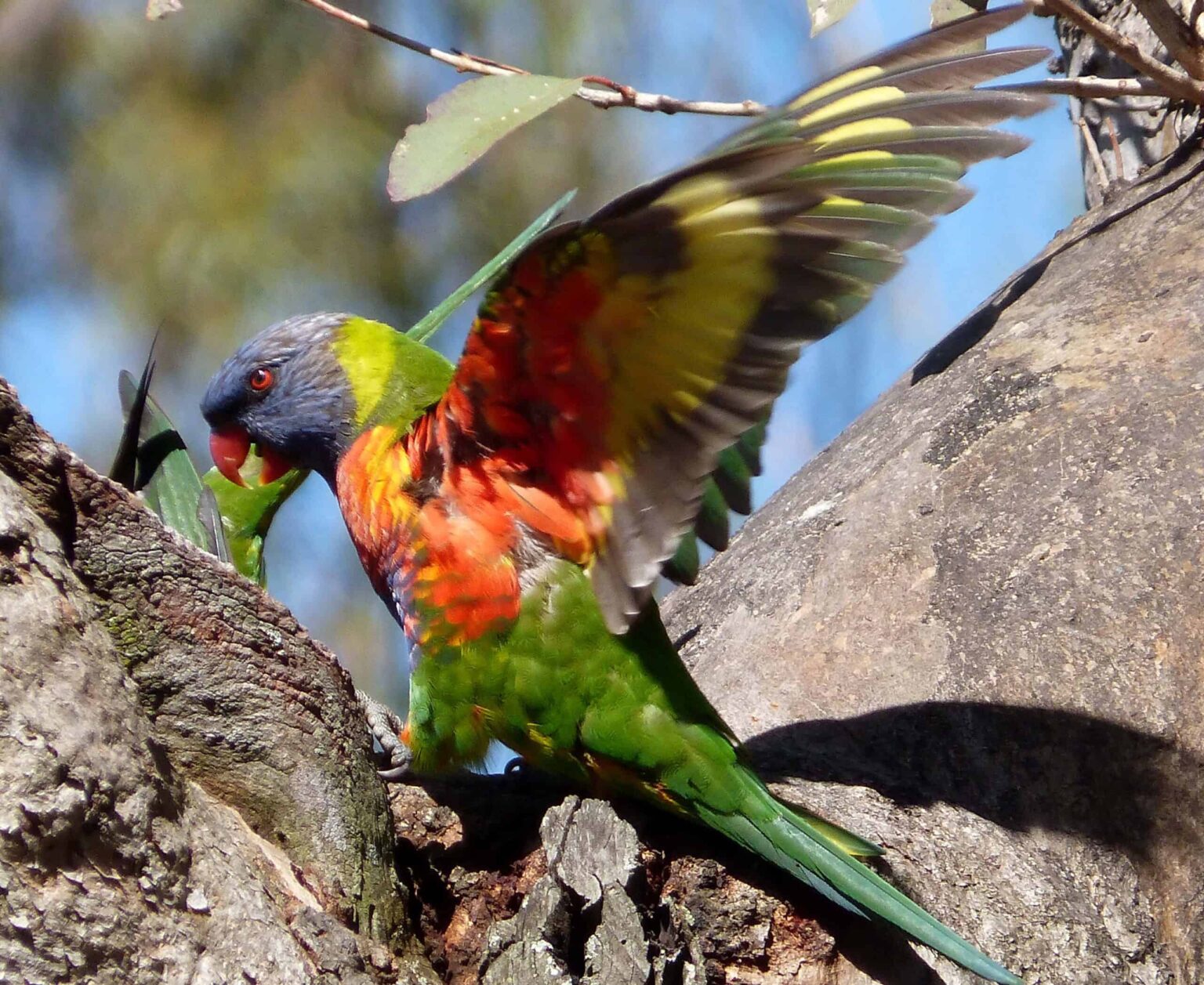
The research focused on five bird species in which males and females look alike that were admitted to wildlife hospitals: the Australian magpie (Gymnorhina tibicen terraereginae), laughing kookaburra (Dacelo novaeguinea novaeguineae), crested pigeon (Ocyphaps laphotes laphotes), rainbow lorikeet (Trichoglossus moluccanus moluccanus), and scaly-breasted lorikeet (Trichoglossus chlorolepidotus).
The similar appearance of males and females makes sex identification in the field challenging without molecular or internal examination. Researchers used a combination of genetic testing and anatomical assessment to find about 5% of birds sampled had a mismatch between their genetic sex and physical sex. The mismatch is a condition known as sex discordance or sex reversal. Researchers identified genetic females (ZW) presenting as males and, in two cases, genetic males (ZZ) presenting as females.Sex reversal in wild birds has been previously limited in research to isolated cases in domestic chickens and waterfowl.
The ability to identify the sex and reproductive status of individuals is crucial across many fields of study. Current wildlife management and population models often assume genetic and physical sex align, but this study suggests that may not always be the case. Though it remains unclear how sex reversal affects the fitness of these wild birds, the presence of sex-discordant individuals could have important implications for population dynamics, reproductive success and sex ratio estimates. This work opens the door to new research on how sex development may be more flexible than previously thought.
Read more in the Royal Society’s Biology Letters
Article by The Wildlife Society